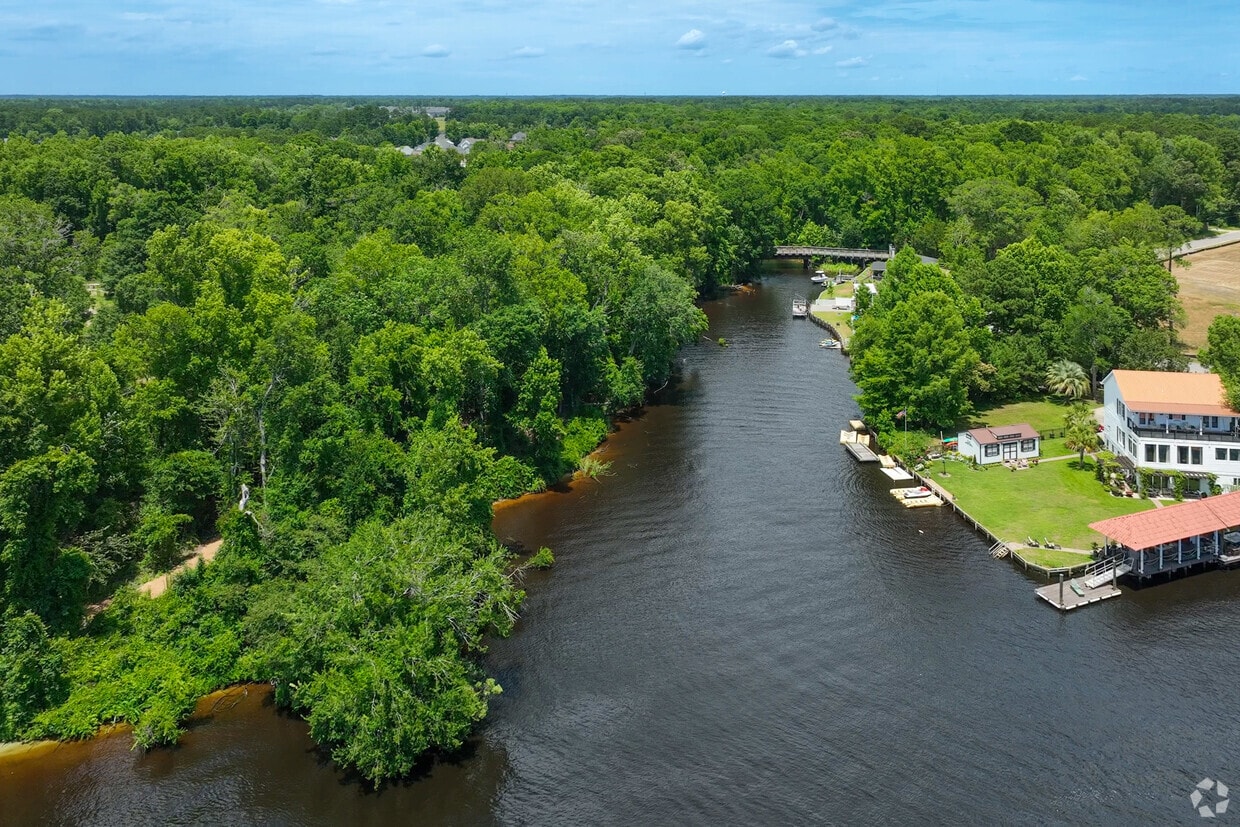
Carolina Forest has green space and the Intracoastal Waterway sets it apart from Myrtle Beach.
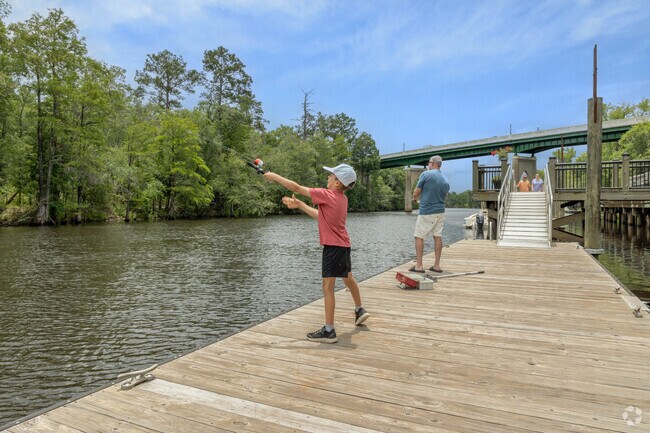
Residents enjoy fishing along the Intracoastal Waterway near Plantation Lakes.
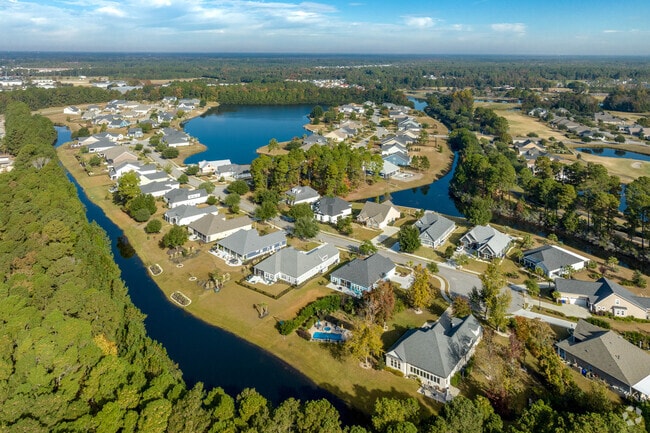
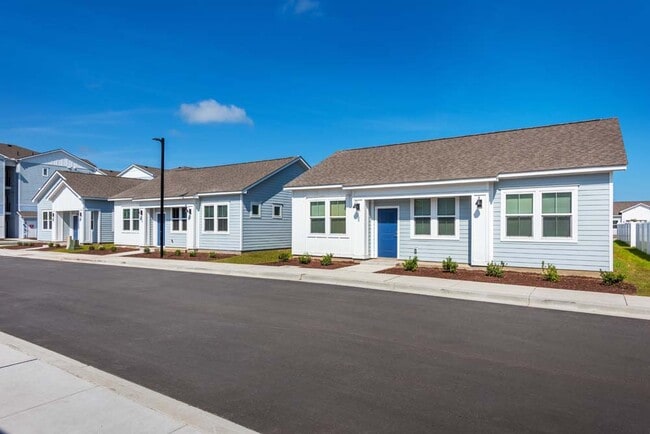
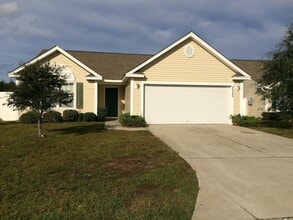
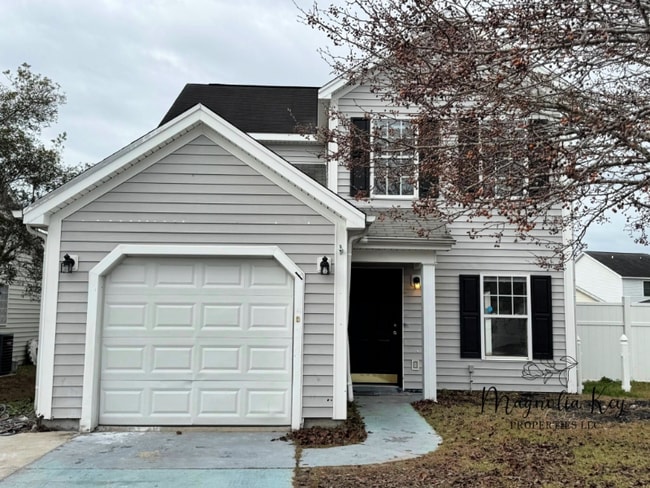
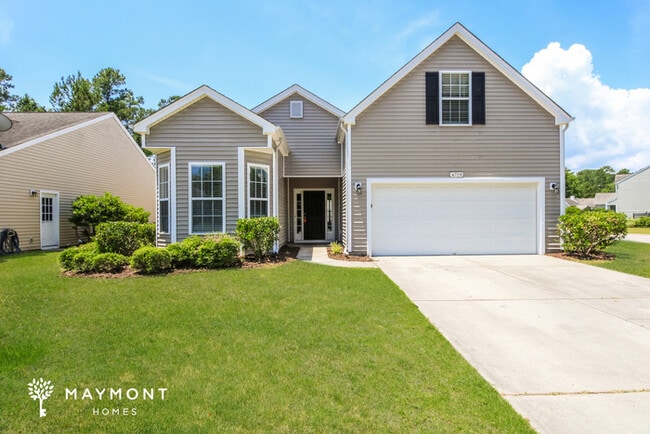
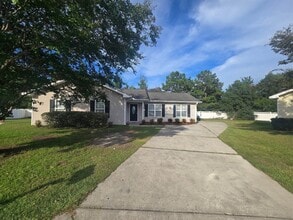
Homes in Plantation Lakes are located near green space and water.
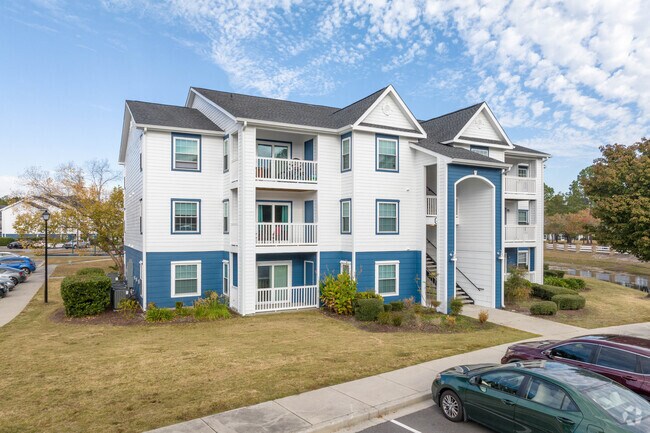
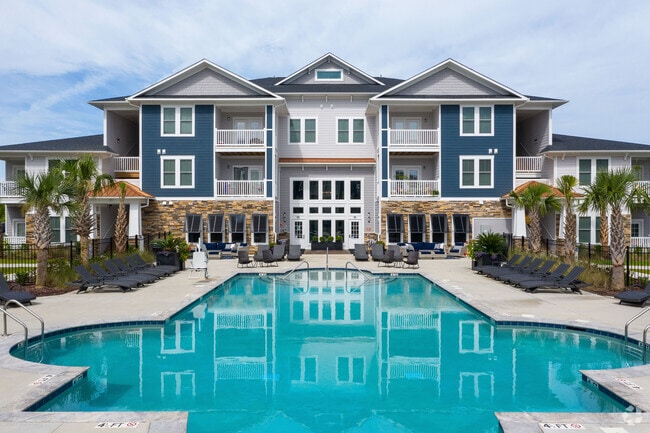
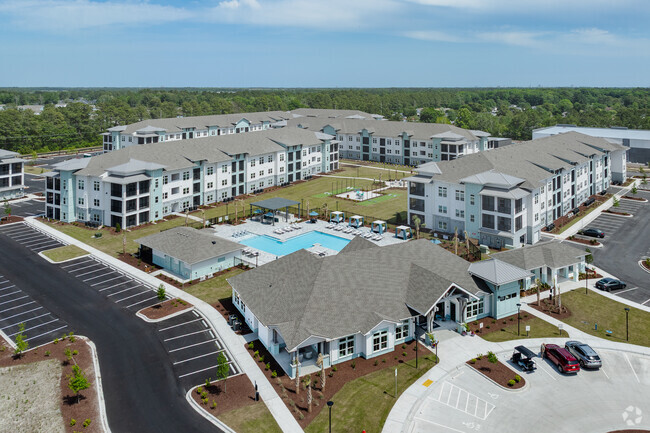
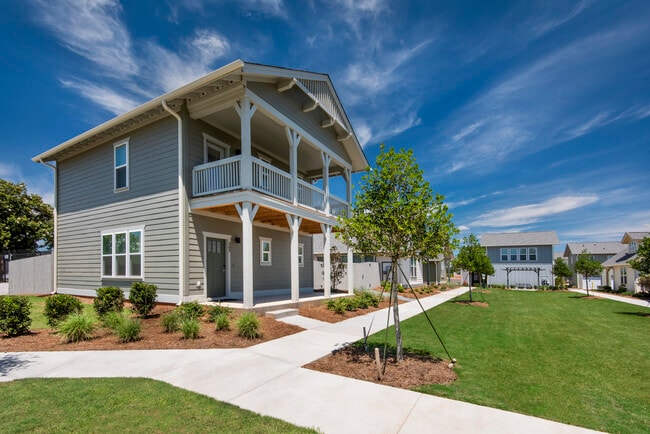
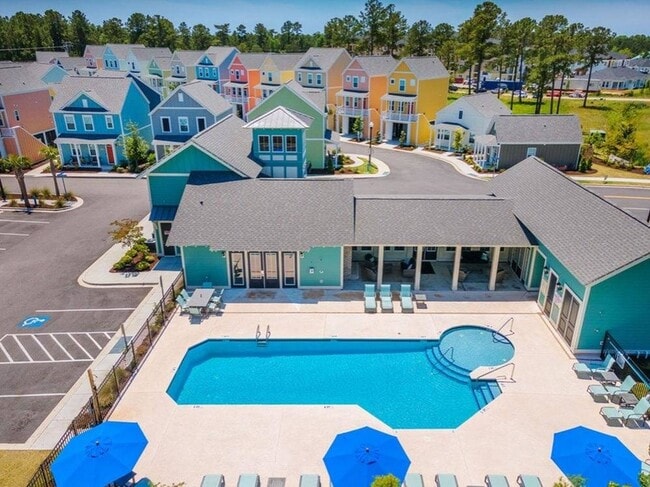
There are several apartment complexes for residents to choose in Plantation Lakes.
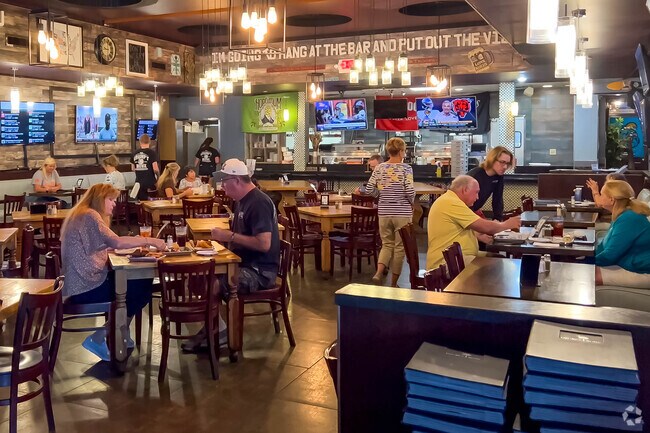
There is indoor and outdoor seating at the Grumpy Monkey in Plantation Lakes.

Carolina Forest, SC

Area Guide

A Fast-Growing Planned Community in the Heart of the Grand Strand

Suburban Residential Growing

Carolina Forest sits between US Route 501 and International Drive in Horry County, west of the Intracoastal Waterway and about 10 miles from the Atlantic Ocean. It was planned in the late 1990s through a partnership between International Paper and Horry County, and the development was intentionally shaped around existing longleaf pine forests and savannas, so greenery is genuinely woven into the layout rather than added as an afterthought. The community grew from roughly 3,400 residents in 2000 to more than 23,000 by 2020, making it one of the fastest-growing areas along the Grand Strand.

Daily life here leans suburban. Grocery stores, restaurants, and retail line Carolina Forest Boulevard and the US-501 corridor, and the Myrtle Beach coastline is a short drive east. Coastal Carolina University in nearby Conway is about 15 minutes away. The community was first recognized as a Census-Designated Place in the 2020 census, a reflection of just how quickly it took shape.

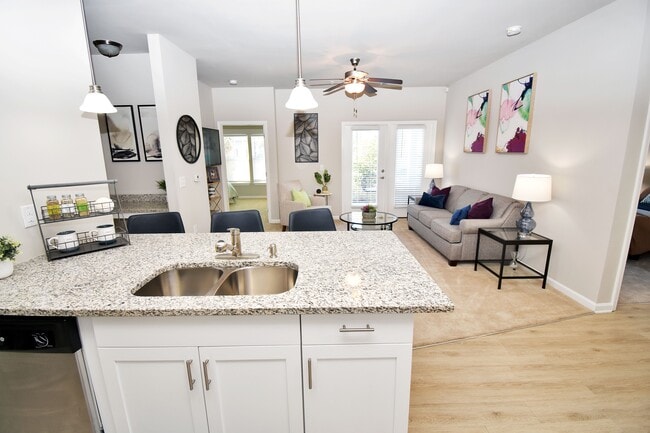
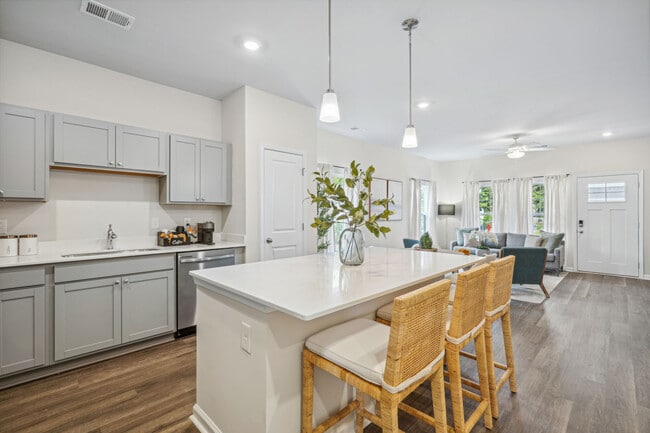
Renters will find a range of housing options, including townhomes, garden-style apartment communities, and single-family rentals spread across planned residential subdivisions. Mid-rise options exist as well, with new construction continuing to add inventory.

Explore the City

Homes in Plantation Lakes are located near green space and water.

There are several apartment complexes for residents to choose in Plantation Lakes.

There is indoor and outdoor seating at the Grumpy Monkey in Plantation Lakes.

Demographics

Median Household Income

$64,957

Average: $80,580

Education

9,219

Residents Have a Degree

Job Market

13,087

Workers Employed

Age Distribution
Get a sense of this area's population profile.

Median Age

40 Years

Largest Age Group

30-39 Years

Approximately 13% of Residents

Under 20

25%

Over 65

19%
Housing Distribution

Carolina Forest has more homeowners than renters.

Renters
34%
Non-Renters
66%

Education Distribution

Review this city's overall education levels.

Bachelor's or Higher
22%
Other Education
78%

Getting Around

Not Walkable

Walkability

10 / 100

Exceptionally Drivable

Drivability

90 / 100

Fairly Bikeable

Bikeability

40 / 100

Points of Interest

Parks and Recreation

  • Ripley's Aquarium
  • Childrens Museum of South Carolina
  • Myrtle Beach State Park

Airports

  • Myrtle Beach International

Top Apartments in Carolina Forest

Houses for Rent in Carolina Forest

Living in Carolina Forest

Restaurants

-

The dining scene in Carolina Forest has expanded considerably in recent years. American grill and bar spots anchor the everyday options, with casual menus built around burgers, wings, pizza, and fresh seafood. Carolina Roadhouse, a long-running local staple, has been drawing crowds for decades with its Southern-leaning American menu, a centerpiece palm tree inside the dining room, and a year-round summertime atmosphere. Seafood, honey biscuits, and fried calamari are among the menu highlights there.

Beyond the American standbys, Mediterranean cooking has been growing in presence, with restaurants offering dishes rooted in Turkish and broader Mediterranean traditions, from grilled meats and mezze to baked goods from in-house bakeries. Japanese-inspired dining has a foothold too, with sushi spots serving both classic rolls and more creative preparations. Southern barbecue is also part of the picture, as it tends to be anywhere in South Carolina. The area reportedly saw close to 50 new restaurant openings between 2024 and 2025, so the selection keeps growing with a mix of independent concepts and well-known chains filling in alongside the established names.

Transportation

-

Getting around Carolina Forest means getting in a car. The area was designed as a suburban community, and the road network reflects that. Carolina Forest Boulevard runs through the heart of the development and connects to River Oaks Drive, forming an internal loop that links most of the residential sections to shopping and services. US Route 501 is the primary corridor heading east toward Myrtle Beach or west toward Conway, and SC Highway 31, also known as Robert Grissom Parkway, provides a faster limited-access route north and south along the coast.

Coast RTA, the regional public transit authority, offers some service in the broader area, but coverage in Carolina Forest is limited compared to what you'd find closer to the Myrtle Beach beachfront. Rideshare options are available throughout the community. Myrtle Beach International Airport is roughly 15 to 20 miles away, accessible via US-501 or Highway 31. Dedicated bike infrastructure is minimal, and walkability is low given the suburban layout, so a personal vehicle is essentially a necessity for day-to-day errands.

Parks

-

Carolina Forest was developed with open space as part of its master plan. Nearly half of the community was designated as open space under the original 1997 development agreement with Horry County, and much of that acreage consists of preserved pine forest, wetlands, and the natural Carolina Bays scattered throughout the area. These elliptical depressions support an unusually high level of plant and animal diversity and can be found throughout the landscape as you move through the neighborhood.

The Lewis Ocean Bay Heritage Preserve, located just north of Carolina Forest, protects approximately 9,000 acres of longleaf pine and bay forest and is open for nature observation and hiking. Myrtle Beach State Park is roughly 15 minutes away and offers walking trails through coastal forest, a nature center, picnic areas, and direct beach access. Golf course communities are also built into the fabric of the neighborhood, with multiple courses established during the original development phase providing landscaped green corridors throughout the community.

Cost

-

Renters in the Myrtle Beach area, which includes Carolina Forest, see average monthly rents of around $1,343 for a one-bedroom unit and approximately $1,551 for a two-bedroom. The overall cost of living in the Myrtle Beach market runs about 7.5 percent below the national average, with housing costs tracking roughly 29.6 percent below the national benchmark. Utilities run on the higher side, coming in about 16.4 percent above the national average, which is worth factoring into a monthly budget. Transportation below the national average. The regional economy is anchored by hospitality, healthcare, and retail, with the tourism sector playing a significant role in local employment.

Shopping

-

Carolina Forest Boulevard and the US-501 corridor are where most of the everyday retail activity happens. National grocery chains, big-box stores, and a steady mix of service-oriented businesses line these roads, making routine errands easy without leaving the community. The Mill, a shopping plaza near River Oaks Drive and Carolina Forest Boulevard, houses a mix of dining and retail tenants and is one of the more established neighborhood-scale retail nodes in the area.

For a wider variety of shopping, Myrtle Beach proper is a short drive east and offers several distinct retail destinations. Broadway at the Beach is a large entertainment and retail complex with shops, dining, and attractions. Coastal Grand Mall provides traditional department store and mall shopping. The Market Common, built on the former grounds of Myrtle Beach Air Force Base, features a walkable, open-air retail and dining district with a neighborhood feel. Tanger Outlets on Highway 501 rounds out the options with name-brand discount shopping just down the road.

Highlights

-

Carolina Forest is a planned suburban community built around preserved longleaf pine forests and natural wetlands, offering below-average housing costs and easy access to the Grand Strand's beaches, dining, and entertainment just 10 to 12 miles east along US-501.

Search Nearby Rentals

Methodology

† Our analysis of utilities, groceries, transportation, healthcare, home prices, and other goods and services is sourced from the Cost of Living Index, a respected benchmark published by the Council for Community and Economic Research (C2ER) that provides a thorough overview of living expenses across different regions.

Rent data is provided by CoStar Group’s Market Trend reports. As the industry leader in commercial real estate information, analytics, and news, CoStar conducts extensive research to produce and maintain a comprehensive database of commercial real estate information. We combine this data with public record to provide the most up-to-date rental information available.

Consumer goods, services, and home prices are sourced from the Cost of Living Index published by the Council for Community and Economic Research (C2ER). The data on this page is updated quarterly. It was last published in June 2026.

Demographic information comes from Neustar and combines detailed address data with U.S. Census and American Community Survey statistics to produce reliable local estimates.