Median Age
49 Years
Largest Age Group
60-69 Years
Approximately 16% of Residents
Under 20
18%
Over 65
27%




Avg Rent
$1,376
Population
44,756
Renter Mix
40% Rent
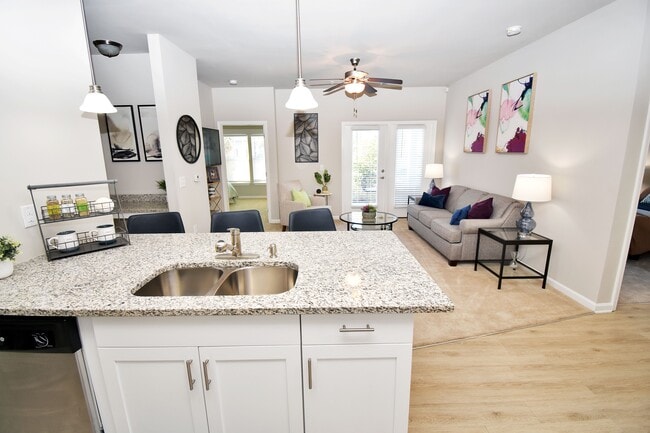
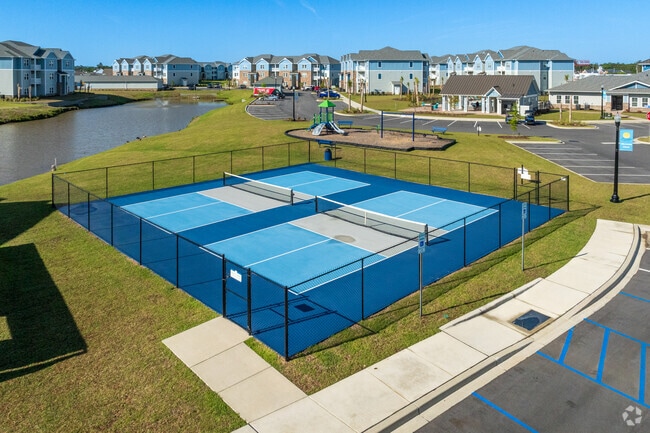
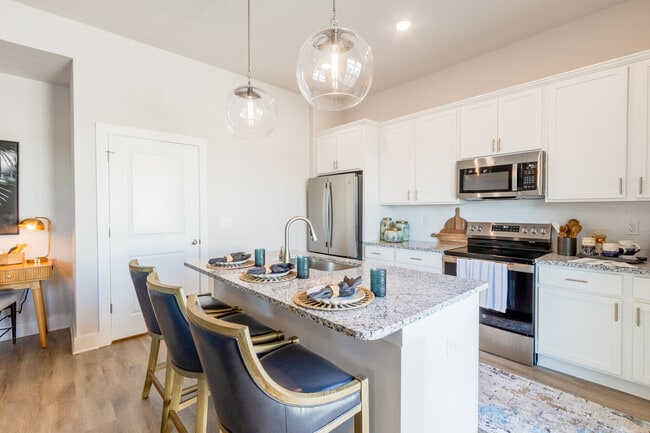
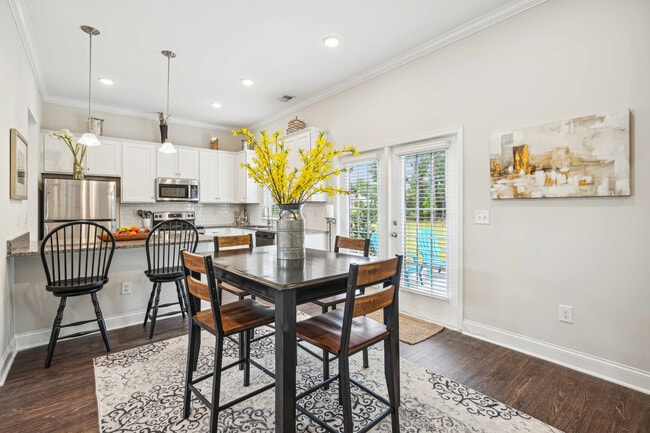
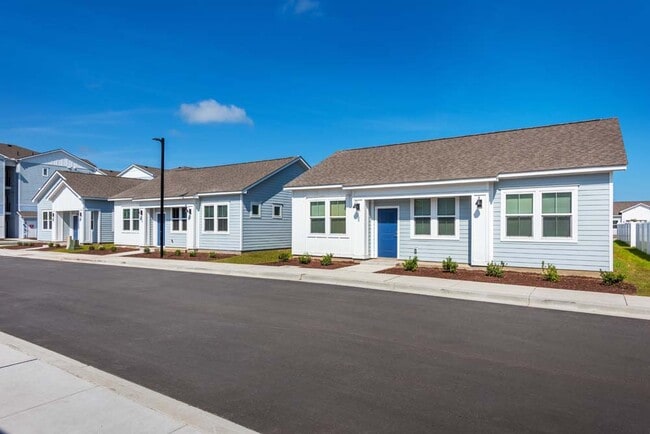
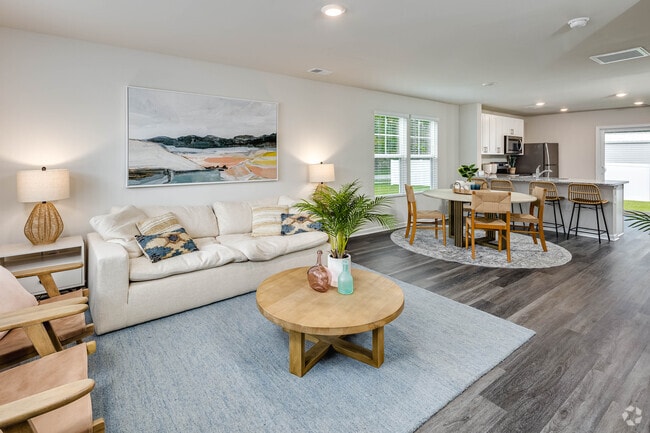
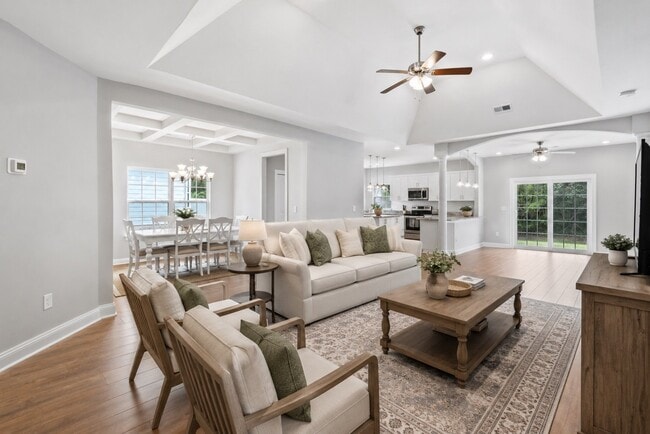
Myrtle Beach takes its name from the native wax myrtle trees that once lined its Atlantic shore, and that coastline still sets the tone for daily life across this 24-square-mile South Carolina resort city. The Grand Strand, one of the longest continuous stretches of beach on the East Coast, is more than a backdrop here. It anchors the economy, shapes the calendar, and gives the city its distinct coastal rhythm. Tourism drives much of that economy, with healthcare, hospitality, and retail rounding out a broad employment base. Coastal Carolina University, about 11 miles away in Conway, adds an academic presence to the wider region. Neighborhood variety gives Myrtle Beach real range as a place to call home. The Market Common, developed on a former Air Force base, delivers a walkable, park-lined residential setting. Grande Dunes offers a quieter feel near the Intracoastal Waterway, while the Boardwalk area keeps residents close to the city's coastal energy. Renters can choose from oceanfront high-rises with sweeping Atlantic views, tree-lined low-rise apartment communities, and townhome-style rentals offering added space. Overall cost of living runs below the national average, with housing costs especially competitive compared to other coastal markets.
Ripley's Haunted Adventure is fun for the whole family
Wonder Works features more than 100 science exhibits
The Sky Wheel is 200 feet tall, providing excellent views of the city and the ocean
The House of Blues offers live music, food, and fun
The boardwalk at Myrtle Beach State Park
Nearby Brookgreen Gardens is a National Historic Landmark
Median Household Income
$48,318
Average: $73,035
Education
15,313
Residents Have a Degree
Job Market
22,010
Workers Employed
Median Age
49 Years
Largest Age Group
60-69 Years
Approximately 16% of Residents
Under 20
18%
Over 65
27%
Housing Distribution
Myrtle Beach has more homeowners than renters.

Education Distribution
Review this city's overall education levels.

As of July 2026, the average apartment rent in Myrtle Beach, SC is $1,397 for a studio, $1,376 for one bedroom, $1,597 for two bedrooms, and $1,871 for three bedrooms. Apartment rent in Myrtle Beach has increased by 1.0% in the past year.
The cost of living in Myrtle Beach, SC is 8.0% lower than the national average. Generally, housing in Myrtle Beach is 29.6% less expensive than the national average, with rent falling between $1,376 - $1,871. You can expect to pay 3.2% more for groceries, 11.1% more for utilities, and 6.7% less for transportation.
Compare Cities
Explore how walkable, bikeable, drivable, and transit-friendly Myrtle Beach, SC is for everyday living.
Somewhat Walkable
Walkability
Exceptionally Drivable
Drivability
Fairly Bikeable
Bikeability

Public
Grades PK-5
1,314 Students

Public
Grades PK-5
1,314 Students
Public
Grades PK-5
880 Students

Public
Grades PK-5
866 Students
Public
Grades K-5
883 Students

Public
Grades 6-8
801 Students
Public
Grades 6-8
715 Students
Public
Grades 6-8
1,146 Students

Public
Grades 6-8
1,134 Students
Public
Grades 6-8
1,124 Students
Public
Grades 9-12
3,176 Students
Public
Grades 9-12
3,059 Students
Public
Grades 9-12
1,719 Students
Public
Grades 9-12
1,719 Students
Public
Grades 9-12
198 Students

 The GreatSchools Rating helps parents compare schools within a state based on a variety of school quality indicators and provides a helpful picture of how effectively each school serves all of its students. Ratings are on a scale of 1 (below average) to 10 (above average) and can include test scores, college readiness, academic progress, advanced courses, equity, discipline and attendance data. We also advise parents to visit schools, consider other information on school performance and programs, and consider family needs as part of the school selection process.
View GreatSchools Rating Methodology
Data provided by
GreatSchools.org
© 2026. All rights reserved.
The GreatSchools Rating helps parents compare schools within a state based on a variety of school quality indicators and provides a helpful picture of how effectively each school serves all of its students. Ratings are on a scale of 1 (below average) to 10 (above average) and can include test scores, college readiness, academic progress, advanced courses, equity, discipline and attendance data. We also advise parents to visit schools, consider other information on school performance and programs, and consider family needs as part of the school selection process.
View GreatSchools Rating Methodology
Data provided by
GreatSchools.org
© 2026. All rights reserved.
† Our analysis of utilities, groceries, transportation, healthcare, home prices, and other goods and services is sourced from the Cost of Living Index, a respected benchmark published by the Council for Community and Economic Research (C2ER) that provides a thorough overview of living expenses across different regions.
Rent data is provided by CoStar Group’s Market Trend reports. As the industry leader in commercial real estate information, analytics, and news, CoStar conducts extensive research to produce and maintain a comprehensive database of commercial real estate information. We combine this data with public record to provide the most up-to-date rental information available.
Consumer goods, services, and home prices are sourced from the Cost of Living Index published by the Council for Community and Economic Research (C2ER). The data on this page is updated quarterly. It was last published in June 2026.
Demographic information comes from Neustar and combines detailed address data with U.S. Census and American Community Survey statistics to produce reliable local estimates.