Median Age
39 Years
Largest Age Group
10-19 Years
Approximately 13% of Residents
Under 20
25%
Over 65
18%

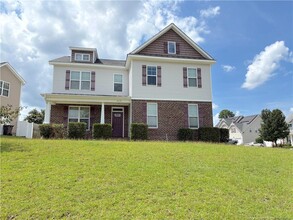
Tucked into the longleaf pine country of Moore County, Cameron moves at a pace that Fayetteville and Fort Liberty’s busy corridors simply don’t allow. The town sits at the crossroads of NC Highways 24 and 27, putting commuters within roughly 25 miles of Fort Liberty while still enjoying the kind of quiet that only a small, rural community can offer. Nearby Carthage, the Moore County seat, rounds out everyday errands, and the wooded landscape makes outdoor living a natural part of the routine.
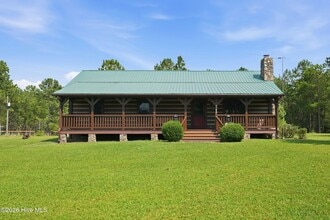
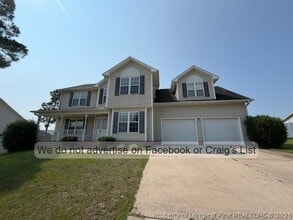
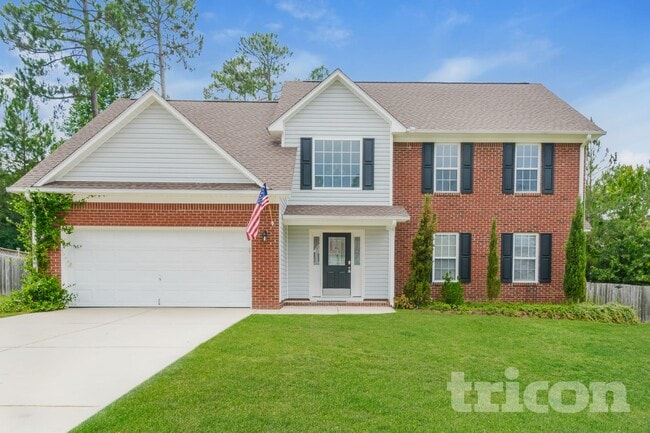
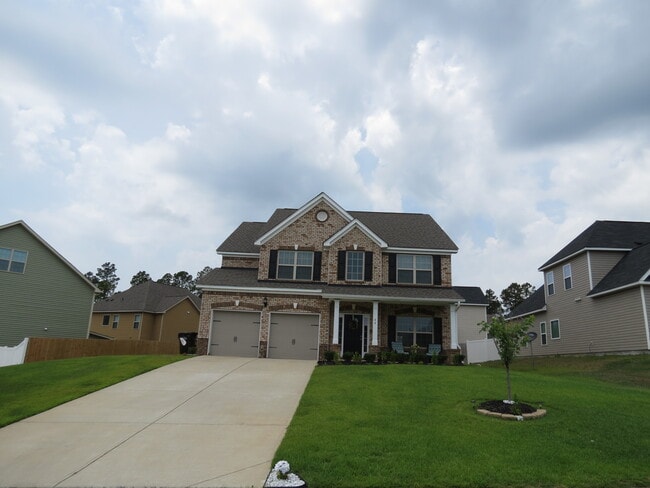
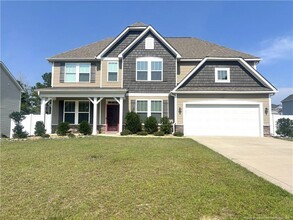
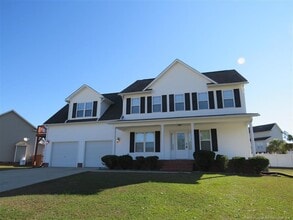
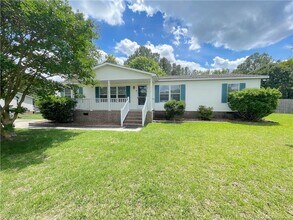
Cameron’s roots run deep — the town was planned in 1875 and built its early economy around turpentine distilleries, railroad commerce, and dewberry farming, giving it a genuine small-town character that newer developments haven’t erased. The rental landscape here leans toward suburban-style homes and single-family rentals rather than high-rise apartment communities, which suits the laid-back, spread-out setting perfectly. Renters looking to trade congestion for open skies and a slower rhythm will find Cameron a refreshing alternative to larger Moore County towns.
Median Household Income
$67,500
Average: $80,630
Education
42
Residents Have a Degree
Job Market
88
Workers Employed
Median Age
39 Years
Largest Age Group
10-19 Years
Approximately 13% of Residents
Under 20
25%
Over 65
18%
Housing Distribution
Cameron has more homeowners than renters.

Education Distribution
Review this city's overall education levels.

Explore how walkable, bikeable, drivable, and transit-friendly Cameron, NC is for everyday living.
Not Walkable
Walkability
Exceptionally Drivable
Drivability
Somewhat Bikeable
Bikeability

Public
Grades PK-5
489 Students

Public
Grades K-5
214 Students
Public
Grades PK-5

Public
Grades PK-5
Public
Grades 6-8
625 Students

Public
Grades 6-8
Public
Grades 9-12
1,432 Students
 The GreatSchools Rating helps parents compare schools within a state based on a variety of school quality indicators and provides a helpful picture of how effectively each school serves all of its students. Ratings are on a scale of 1 (below average) to 10 (above average) and can include test scores, college readiness, academic progress, advanced courses, equity, discipline and attendance data. We also advise parents to visit schools, consider other information on school performance and programs, and consider family needs as part of the school selection process.
View GreatSchools Rating Methodology
Data provided by
GreatSchools.org
© 2026. All rights reserved.
The GreatSchools Rating helps parents compare schools within a state based on a variety of school quality indicators and provides a helpful picture of how effectively each school serves all of its students. Ratings are on a scale of 1 (below average) to 10 (above average) and can include test scores, college readiness, academic progress, advanced courses, equity, discipline and attendance data. We also advise parents to visit schools, consider other information on school performance and programs, and consider family needs as part of the school selection process.
View GreatSchools Rating Methodology
Data provided by
GreatSchools.org
© 2026. All rights reserved.
† Our analysis of utilities, groceries, transportation, healthcare, home prices, and other goods and services is sourced from the Cost of Living Index, a respected benchmark published by the Council for Community and Economic Research (C2ER) that provides a thorough overview of living expenses across different regions.
Rent data is provided by CoStar Group’s Market Trend reports. As the industry leader in commercial real estate information, analytics, and news, CoStar conducts extensive research to produce and maintain a comprehensive database of commercial real estate information. We combine this data with public record to provide the most up-to-date rental information available.
Consumer goods, services, and home prices are sourced from the Cost of Living Index published by the Council for Community and Economic Research (C2ER). The data on this page is updated quarterly. It was last published in September 2026.
Demographic information comes from Neustar and combines detailed address data with U.S. Census and American Community Survey statistics to produce reliable local estimates.