Median Age
47 Years
Largest Age Group
30-39 Years
Approximately 14% of Residents
Under 20
18%
Over 65
28%




Avg Rent
$1,440
Population
7,952
Renter Mix
38% Rent
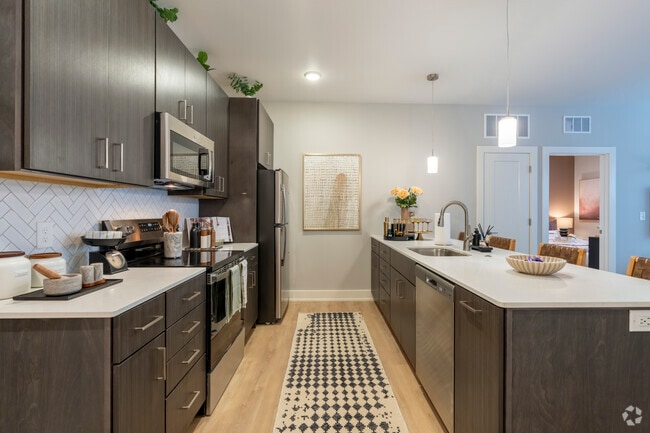
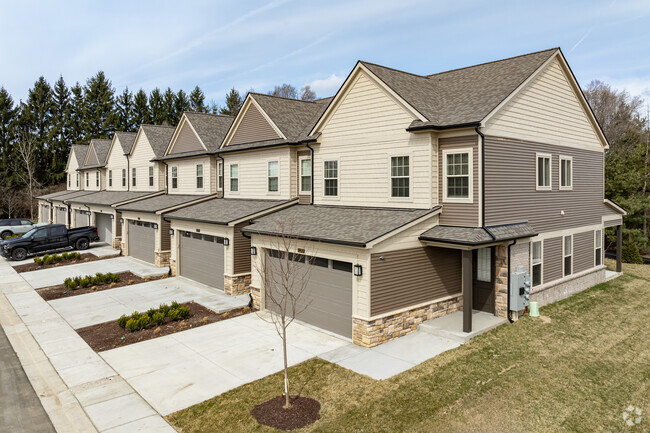
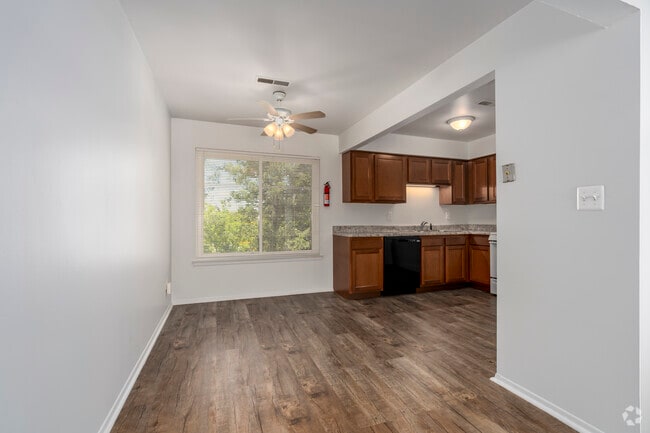
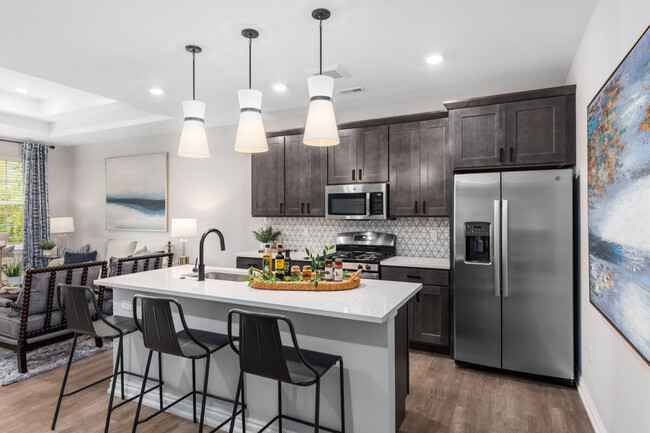
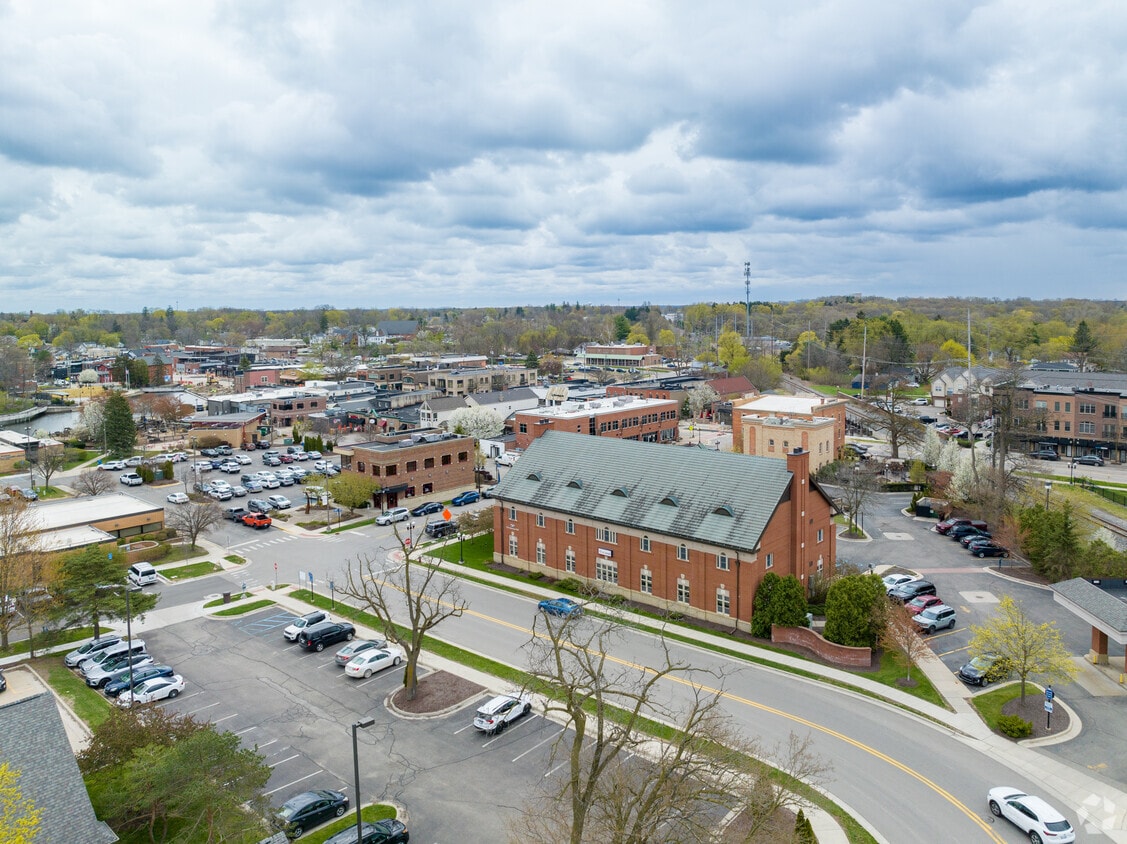
Situated about 40 miles northwest of Detroit and 20 miles north of Ann Arbor, Brighton, Michigan has grown into a well-known community in Livingston County with deep roots going back to its establishment in 1832. The city sits at the center of the South Lyon-Howell-Brighton Urban Area and draws renters looking for a smaller-city feel with strong connections to major metro areas. If you are exploring apartments for rent in Brighton, you will find a range of options, from garden-style apartment communities and townhomes to condos and single-family houses available for rent. The downtown Main Street walking district is one of the city's most recognized features, lined with locally-owned shops, restaurants, and bars that give the area a welcoming, close-knit character.
Renters in Brighton enjoy easy access to outdoor recreation and everyday conveniences. Brighton Recreation Area and Huron Meadows Metropark offer trails, open space, and access to Kent Lake for boating and paddling. Mt. Brighton Ski Area, just minutes from the city, is a popular spot in the winter months. For shopping, Brighton Town Square on the north side of the city includes a multiplex movie theater along with major retailers, while Ravine Plaza and Mill Pond Center keep everyday errands close to home. Renters can choose from apartment communities near the downtown core or in quieter residential areas spread throughout the city's roughly four square miles.
For commuters, Brighton sits along Grand River Avenue and offers quick access to I-96, making drives to Detroit, Ann Arbor, and Lansing straightforward. The Ann Arbor Amtrak Station is about 18 miles away, and both Detroit Metro Wayne County Airport and Bishop International Airport in Flint are within an hour's drive. Lansing Community College's Livingston County campus and Mott Community College's Livingston Regional campus are both within 15 miles, making Brighton a practical base for students as well. With its blend of outdoor access, downtown dining, retail options, and solid highway connections, Brighton is a solid choice for renters who want small-city living with easy reach to larger employment centers.
Mill Pond Park is a popular place for Brighton residents to take a stroll.
Art in the Alley is a popular art exhibition that takes place throughout Downtown Brighton.
The amphitheater in Mill Pond Park hosts several free concerts and events.
Vintage brick and wrought iron classical colonial architecture can be seen in Brighton.
Colorful murals can be seen throughout the Downtown Brighton neighborhood.
Main Street in Downtown Brighton has many specialty shops to choose from.
Median Household Income
$69,658
Average: $91,745
Education
3,300
Residents Have a Degree
Job Market
4,374
Workers Employed
Median Age
47 Years
Largest Age Group
30-39 Years
Approximately 14% of Residents
Under 20
18%
Over 65
28%
Housing Distribution
Brighton has more homeowners than renters.

Education Distribution
Review this city's overall education levels.

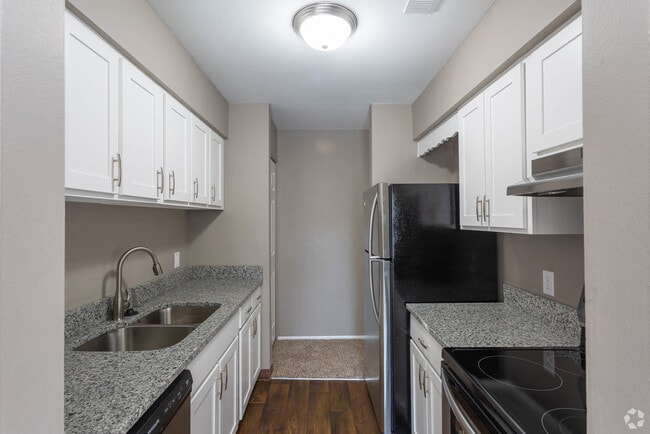
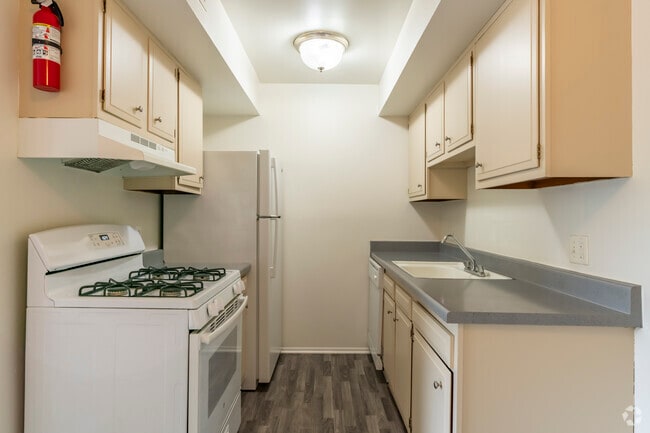
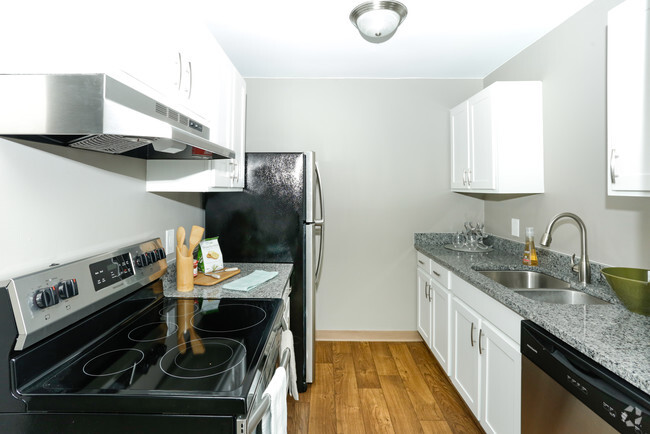
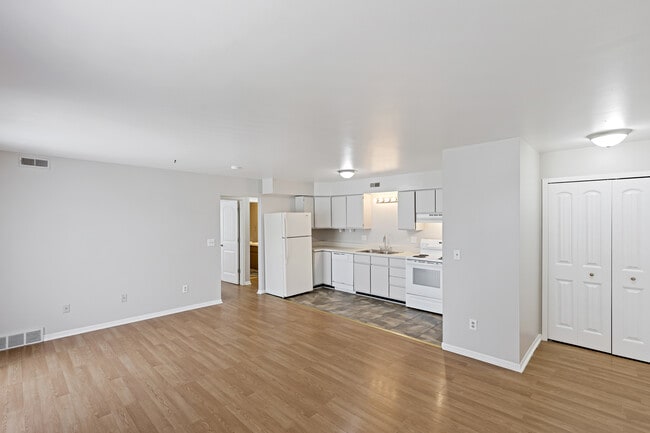
As of September 2026, the average apartment rent in Brighton, MI is $1,306 for a studio, $1,441 for one bedroom, $1,999 for two bedrooms, and $2,651 for three bedrooms. Apartment rent in Brighton has increased by 3.8% in the past year.
Explore how walkable, bikeable, drivable, and transit-friendly Brighton, MI is for everyday living.
Fairly Walkable
Walkability
Minimal Public Transit
Transit
Exceptionally Drivable
Drivability
Moderately Bikeable
Bikeability

Public
Grades K-5
557 Students

Public
Grades K-5
516 Students
Spencer Road Elementary School
Public
Grades K-5
516 Students
Public
Grades K-5
881 Students

Hartland Farms Intermediate School
Public
Grades K-5
777 Students
Charyl Stockwell Academy Middle School
Public
Grades 6-8
294 Students

Public
Grades 6-8
876 Students

Public
Grades 9-12
1,877 Students
Charyl Stockwell Academy - High School
Public
Grades 9-12
324 Students
Public
Grades 9-12
196 Students

 The GreatSchools Rating helps parents compare schools within a state based on a variety of school quality indicators and provides a helpful picture of how effectively each school serves all of its students. Ratings are on a scale of 1 (below average) to 10 (above average) and can include test scores, college readiness, academic progress, advanced courses, equity, discipline and attendance data. We also advise parents to visit schools, consider other information on school performance and programs, and consider family needs as part of the school selection process.
View GreatSchools Rating Methodology
Data provided by
GreatSchools.org
© 2026. All rights reserved.
The GreatSchools Rating helps parents compare schools within a state based on a variety of school quality indicators and provides a helpful picture of how effectively each school serves all of its students. Ratings are on a scale of 1 (below average) to 10 (above average) and can include test scores, college readiness, academic progress, advanced courses, equity, discipline and attendance data. We also advise parents to visit schools, consider other information on school performance and programs, and consider family needs as part of the school selection process.
View GreatSchools Rating Methodology
Data provided by
GreatSchools.org
© 2026. All rights reserved.
† Our analysis of utilities, groceries, transportation, healthcare, home prices, and other goods and services is sourced from the Cost of Living Index, a respected benchmark published by the Council for Community and Economic Research (C2ER) that provides a thorough overview of living expenses across different regions.
Rent data is provided by CoStar Group’s Market Trend reports. As the industry leader in commercial real estate information, analytics, and news, CoStar conducts extensive research to produce and maintain a comprehensive database of commercial real estate information. We combine this data with public record to provide the most up-to-date rental information available.
Consumer goods, services, and home prices are sourced from the Cost of Living Index published by the Council for Community and Economic Research (C2ER). The data on this page is updated quarterly. It was last published in September 2026.
Demographic information comes from Neustar and combines detailed address data with U.S. Census and American Community Survey statistics to produce reliable local estimates.