Median Age
46 Years
Largest Age Group
60-69 Years
Approximately 15% of Residents
Under 20
21%
Over 65
25%
Avg Rent
$2,081
Population
25,968
Renter Mix
30% Rent
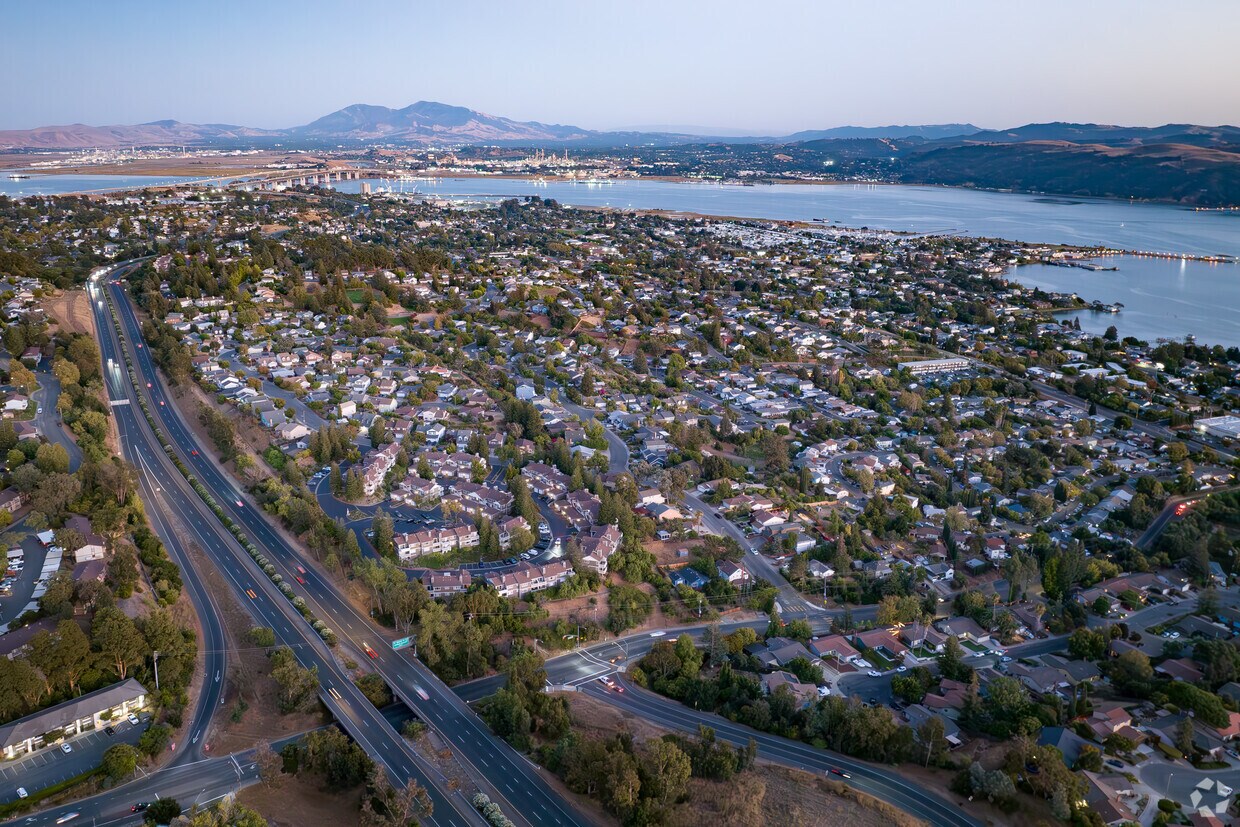
Benicia sits on the north bank of the Carquinez Strait, quietly holding onto a history that most California cities can only read about — it served as the state capital for thirteen months between 1853 and 1854, and the original Capitol building still stands downtown. That sense of history gives the city a grounded, unhurried character that sets it apart from busier Bay Area neighbors. Situated in Solano County, Benicia connects easily to Vallejo to the west and Martinez across the strait, while Interstate 680 and 780 put Sacramento, Oakland, and San Francisco within reasonable driving distance.
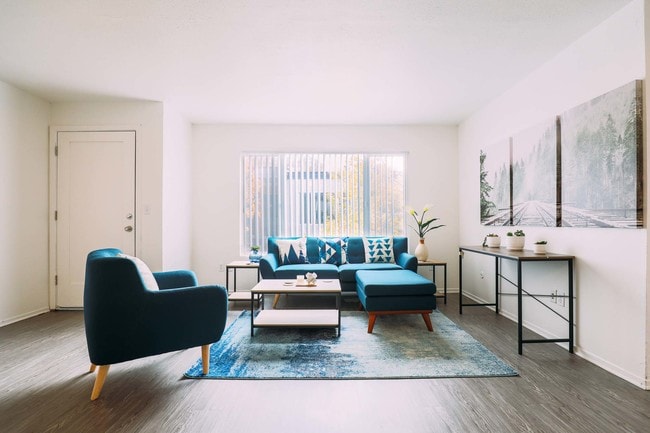
Daily life here moves at a pace that encourages actually noticing your surroundings. The downtown area anchors the city with waterfront views, local shops, and a working arts district that grew out of the converted Benicia Arsenal — once the largest weapons storehouse on the West Coast. Renters will find a mix of apartment communities, townhomes, and smaller residential buildings spread across a compact 14 square miles. The housing stock tends to favor low- to mid-rise options rather than high-rises, giving the city a residential scale that feels deliberate rather than dense.
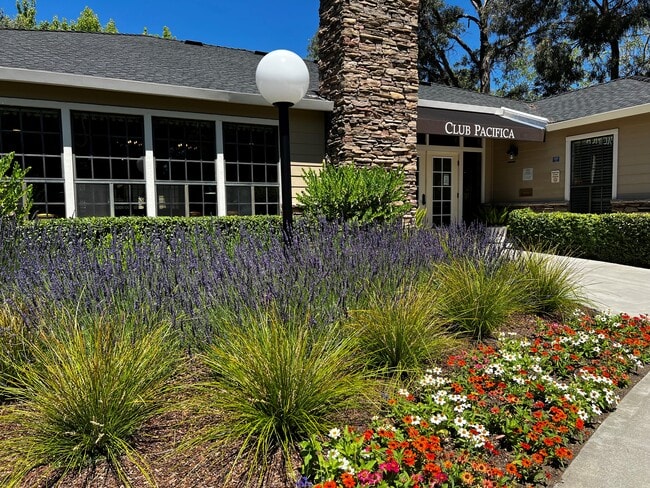
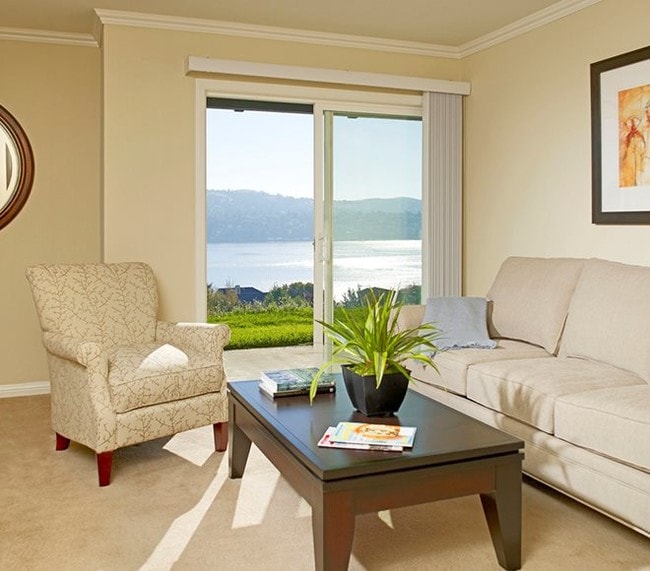
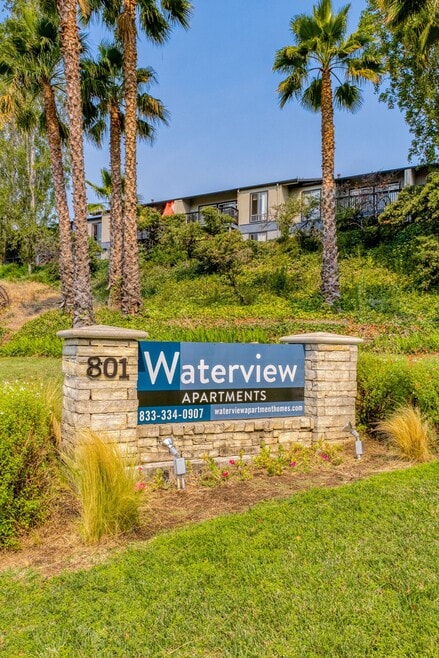
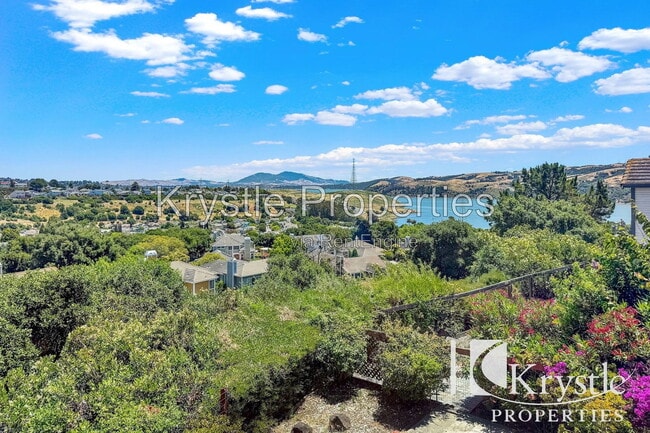
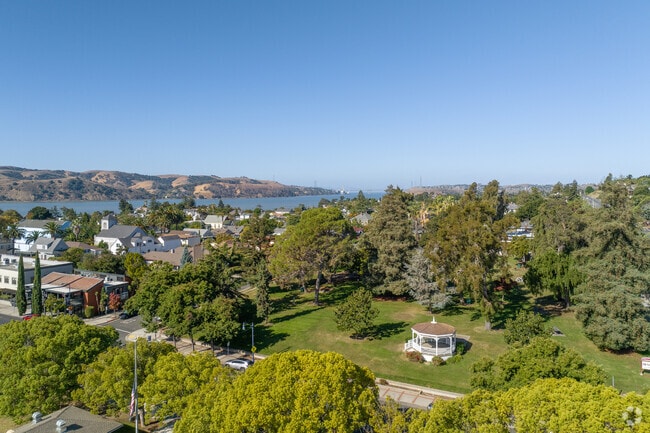
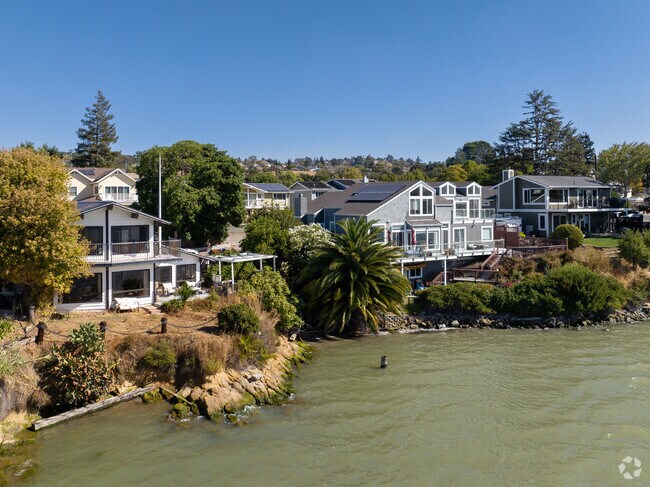
Find your perfect waterfront home nestled between many parks in Benicia.
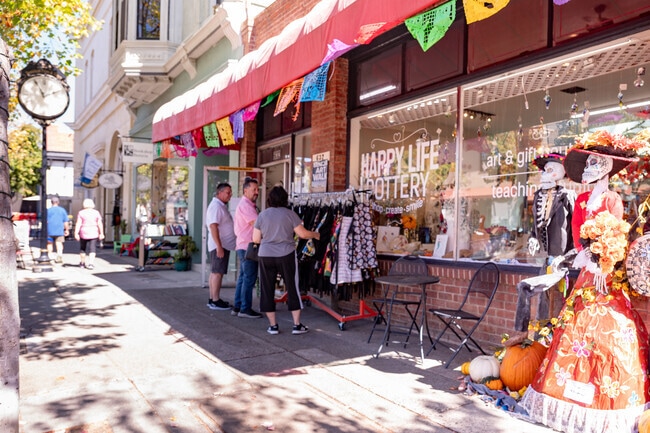
People walk and shop in downtown Benicia.
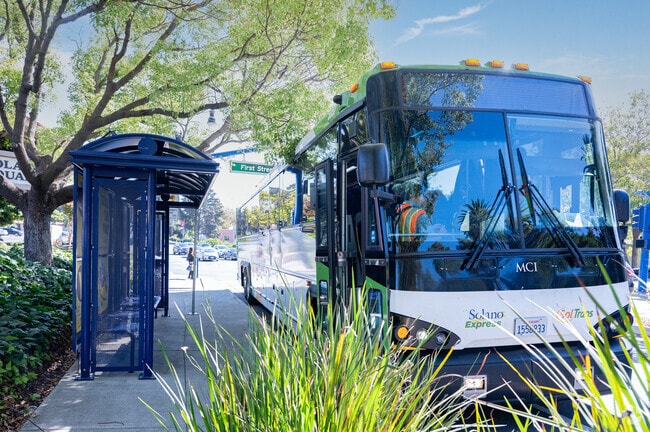
Public transit is available throughout Benicia.
Neptune's Daughter is a local monument on the shoreline path.
People shop and eat at the historic Tannery building in downtown Benicia.
Enjoy the large beach with your children at Ninth Street Park.
Median Household Income
$120,713
Average: $141,962
Education
9,951
Residents Have a Degree
Job Market
13,726
Workers Employed
Median Age
46 Years
Largest Age Group
60-69 Years
Approximately 15% of Residents
Under 20
21%
Over 65
25%
Housing Distribution
Benicia has more homeowners than renters.

Education Distribution
Review this city's overall education levels.

As of September 2026, the average apartment rent in Benicia, CA is $1,798 for a studio, $2,066 for one bedroom, $2,411 for two bedrooms, and $2,382 for three bedrooms. Apartment rent in Benicia has decreased by -3.8% in the past year.
Explore how walkable, bikeable, drivable, and transit-friendly Benicia, CA is for everyday living.
Somewhat Walkable
Walkability
Limited Public Transit
Transit
Exceptionally Drivable
Drivability
Fairly Bikeable
Bikeability

Matthew Turner Elementary School
Public
Grades K-5
529 Students

Joe Henderson Elementary School
Public
Grades K-5
530 Students

Public
Grades K-5
529 Students
Public
Grades K-5
480 Students
Robert Semple Elementary School
Public
Grades K-5
480 Students
Public
Grades 6-8
947 Students

Public
Grades 6-8
947 Students
Public
Grades 6-12
2 Students

Public
Grades 9-12
1,335 Students
Public
Grades 9-12
1,335 Students
Public
Grades 9-12
43 Students

Public
Grades 6-12
2 Students
 The GreatSchools Rating helps parents compare schools within a state based on a variety of school quality indicators and provides a helpful picture of how effectively each school serves all of its students. Ratings are on a scale of 1 (below average) to 10 (above average) and can include test scores, college readiness, academic progress, advanced courses, equity, discipline and attendance data. We also advise parents to visit schools, consider other information on school performance and programs, and consider family needs as part of the school selection process.
View GreatSchools Rating Methodology
Data provided by
GreatSchools.org
© 2026. All rights reserved.
The GreatSchools Rating helps parents compare schools within a state based on a variety of school quality indicators and provides a helpful picture of how effectively each school serves all of its students. Ratings are on a scale of 1 (below average) to 10 (above average) and can include test scores, college readiness, academic progress, advanced courses, equity, discipline and attendance data. We also advise parents to visit schools, consider other information on school performance and programs, and consider family needs as part of the school selection process.
View GreatSchools Rating Methodology
Data provided by
GreatSchools.org
© 2026. All rights reserved.
† Our analysis of utilities, groceries, transportation, healthcare, home prices, and other goods and services is sourced from the Cost of Living Index, a respected benchmark published by the Council for Community and Economic Research (C2ER) that provides a thorough overview of living expenses across different regions.
Rent data is provided by CoStar Group’s Market Trend reports. As the industry leader in commercial real estate information, analytics, and news, CoStar conducts extensive research to produce and maintain a comprehensive database of commercial real estate information. We combine this data with public record to provide the most up-to-date rental information available.
Consumer goods, services, and home prices are sourced from the Cost of Living Index published by the Council for Community and Economic Research (C2ER). The data on this page is updated quarterly. It was last published in September 2026.
Demographic information comes from Neustar and combines detailed address data with U.S. Census and American Community Survey statistics to produce reliable local estimates.