Median Age
37 Years
Largest Age Group
30-39 Years
Approximately 15% of Residents
Under 20
25%
Over 65
14%


Avg Rent
$1,719
Population
76,352
Renter Mix
62% Rent
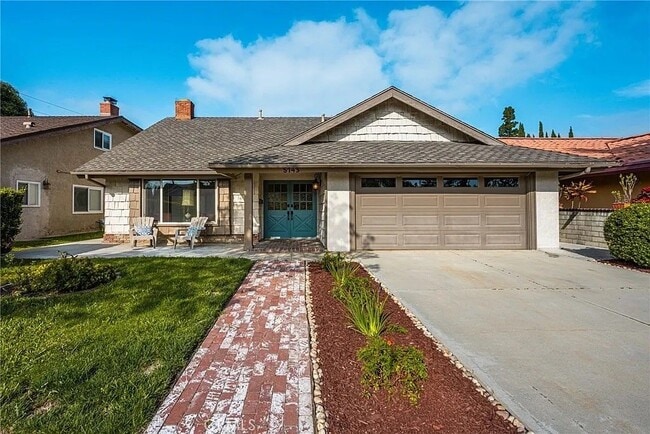
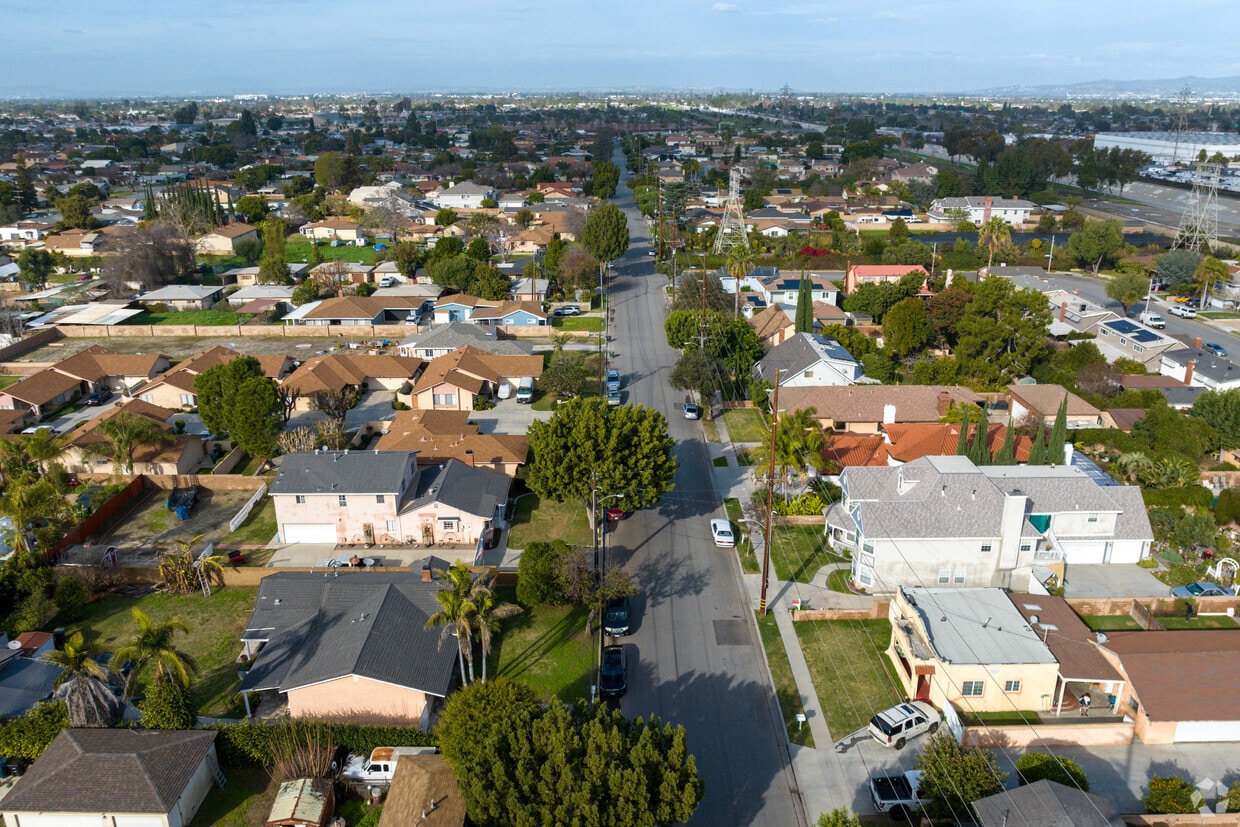
Bellflower is a dense, compact city in southeastern Los Angeles County, sitting about 20 miles from downtown LA with a character that feels distinctly its own. Incorporated in 1957, it grew from farmland into a tightly knit community that still carries traces of its agricultural past. Its name traces back to the Belle Fleur apple, a variety once harvested across local orchards before the area transitioned into the suburban city it is today. Bellflower Boulevard serves as the city's main artery, lined with small businesses, eateries, and a steady pulse of everyday activity.
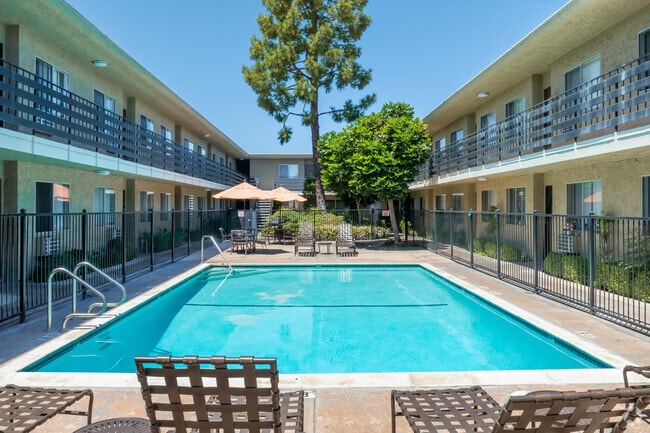
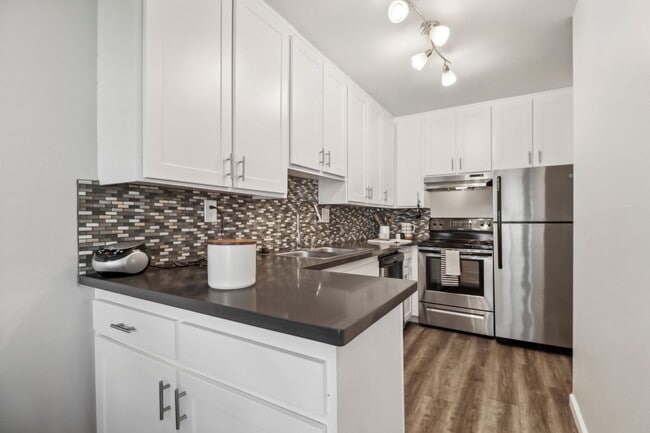
The housing stock leans toward garden-style apartment communities, duplexes, and single-family rentals, with newer builds filling in alongside older midcentury construction. Renters looking for options between the sprawl of Long Beach and the denser urban core of LA find Bellflower sits in a practical middle ground. Access to multiple freeways, including the 605, 91, and 105, keeps the broader metro region within reach. Neighboring cities like Downey, Lakewood, and Norwalk add to the surrounding network of services and employment. At roughly seven square miles, it is one of the more densely populated cities its size in California.
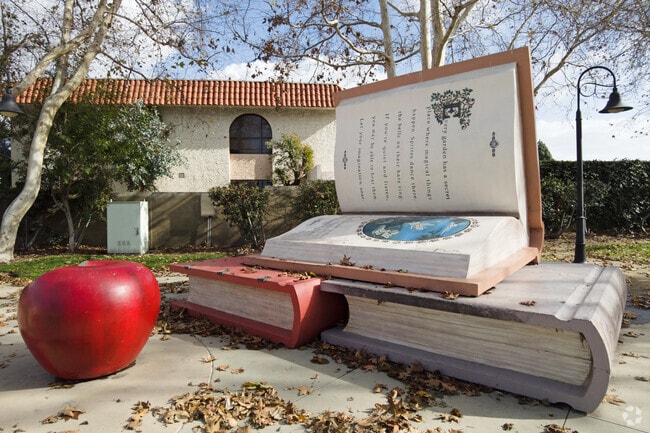
Various artwork and sculptures can be found throughout Bellflower.
Pirate ship play structure at Pirate Park in Bellflower.
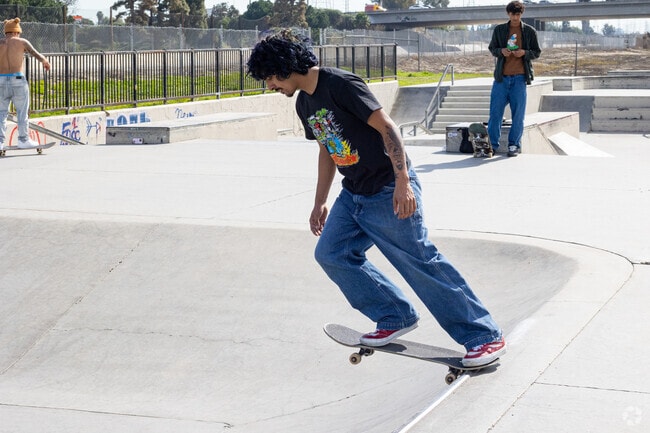
Bellflower Skate Park is a popular after school destination in Bellflower.
Get your workout on at the outdoor gym at Simms Park in Bellflower.
You can buy artisan produced goods and services at the Bellflower Farmers Market.
Head over to Bellflower Bagels for a variety of creative bagels.
Median Household Income
$72,132
Average: $88,255
Education
13,215
Residents Have a Degree
Job Market
39,223
Workers Employed
Median Age
37 Years
Largest Age Group
30-39 Years
Approximately 15% of Residents
Under 20
25%
Over 65
14%
Housing Distribution
Bellflower has more renters than homeowners.

Education Distribution
Review this city's overall education levels.

As of September 2026, the average apartment rent in Bellflower, CA is $1,464 for a studio, $1,719 for one bedroom, $2,154 for two bedrooms, and $2,955 for three bedrooms. Apartment rent in Bellflower has increased by 1.2% in the past year.
Explore how walkable, bikeable, drivable, and transit-friendly Bellflower, CA is for everyday living.
Moderately Walkable
Walkability
Some Public Transit
Transit
Very Drivable
Drivability
Moderately Bikeable
Bikeability

Public
Grades K-5
309 Students

Albert Baxter Elementary School
Public
Grades K-5
309 Students
Thomas Jefferson Elementary School
Public
Grades K-5
457 Students

Public
Grades K-5
457 Students
Public
Grades K-5
444 Students

Public
Grades 6-12
1,997 Students

Public
Grades 6-12
1,997 Students
Public
Grades 6-12
1,997 Students
Public
Grades 6-12
1,997 Students
California Advancing Pathways For Students In Los Angeles County
Public
Grades 9-12

 The GreatSchools Rating helps parents compare schools within a state based on a variety of school quality indicators and provides a helpful picture of how effectively each school serves all of its students. Ratings are on a scale of 1 (below average) to 10 (above average) and can include test scores, college readiness, academic progress, advanced courses, equity, discipline and attendance data. We also advise parents to visit schools, consider other information on school performance and programs, and consider family needs as part of the school selection process.
View GreatSchools Rating Methodology
Data provided by
GreatSchools.org
© 2026. All rights reserved.
The GreatSchools Rating helps parents compare schools within a state based on a variety of school quality indicators and provides a helpful picture of how effectively each school serves all of its students. Ratings are on a scale of 1 (below average) to 10 (above average) and can include test scores, college readiness, academic progress, advanced courses, equity, discipline and attendance data. We also advise parents to visit schools, consider other information on school performance and programs, and consider family needs as part of the school selection process.
View GreatSchools Rating Methodology
Data provided by
GreatSchools.org
© 2026. All rights reserved.
† Our analysis of utilities, groceries, transportation, healthcare, home prices, and other goods and services is sourced from the Cost of Living Index, a respected benchmark published by the Council for Community and Economic Research (C2ER) that provides a thorough overview of living expenses across different regions.
Rent data is provided by CoStar Group’s Market Trend reports. As the industry leader in commercial real estate information, analytics, and news, CoStar conducts extensive research to produce and maintain a comprehensive database of commercial real estate information. We combine this data with public record to provide the most up-to-date rental information available.
Consumer goods, services, and home prices are sourced from the Cost of Living Index published by the Council for Community and Economic Research (C2ER). The data on this page is updated quarterly. It was last published in September 2026.
Demographic information comes from Neustar and combines detailed address data with U.S. Census and American Community Survey statistics to produce reliable local estimates.