Median Age
41 Years
Largest Age Group
35-44 Years
Approximately 14% of Residents
Under 20
23%
Over 65
18%

Avg Rent
$1,989
Population
77,323
Renter Mix
29% Rent
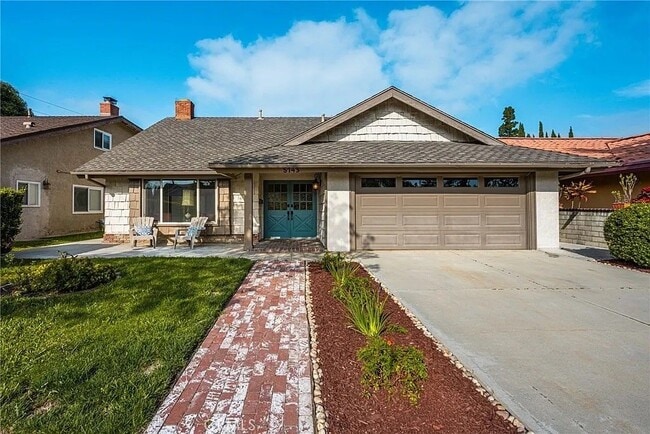
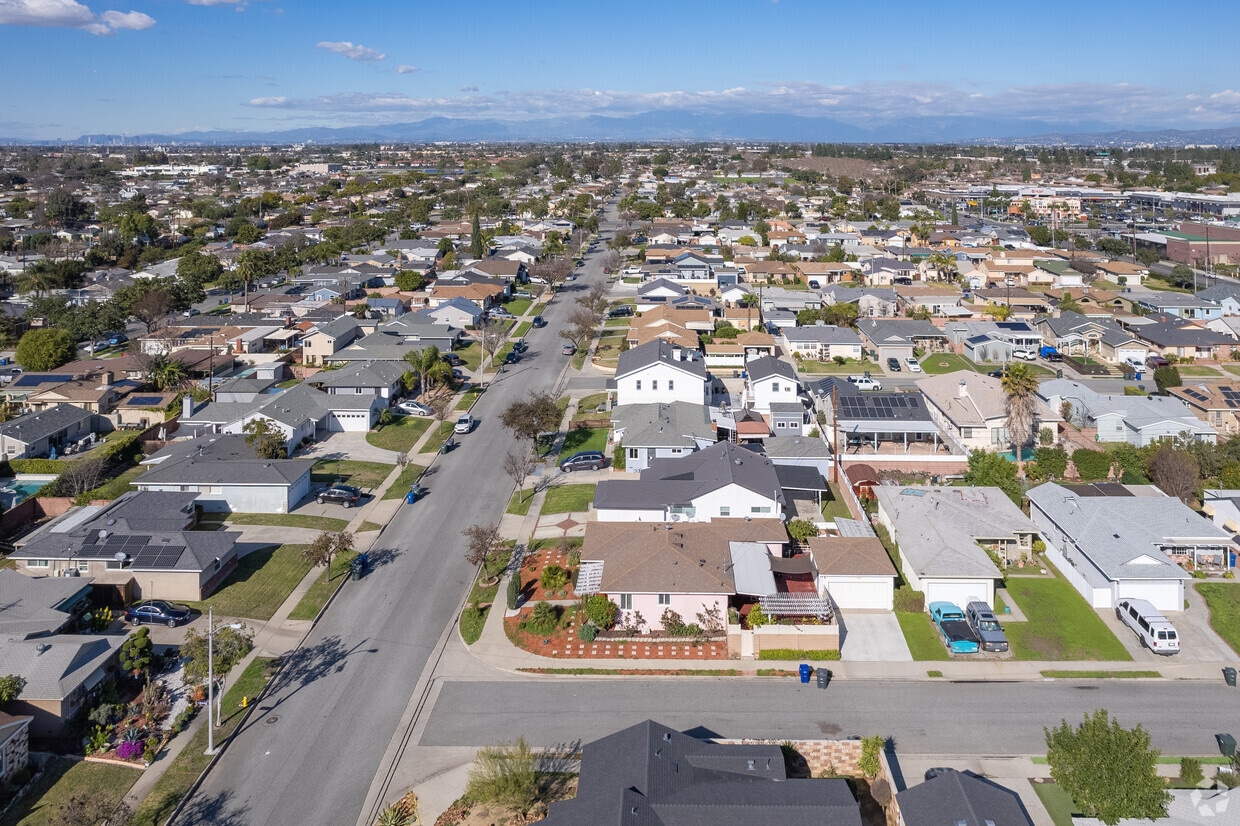
Lakewood is one of the original planned communities in Southern California, built rapidly after World War II on what had been farmland in Los Angeles County. That history still shapes the city today — the wide streets, consistent lot sizes, and orderly layout all reflect its mid-century origins as a large-scale residential development. Sitting about 20 miles south of Downtown Los Angeles, it shares borders with Long Beach, Bellflower, and Cerritos, giving residents easy access to the broader metro area while maintaining a quieter, residential pace of its own.
The housing stock leans heavily toward single-family homes, reflecting its suburban roots, though renters will find apartment communities and smaller multi-unit buildings scattered throughout the city. The I-605, I-405, and SR-710 freeways run nearby, connecting Lakewood to employment centers across the region. Long Beach City College serves the area with educational and workforce programs that draw students from across the South Bay. Lakewood Center serves as a central commercial hub, and the surrounding streets offer a mix of local businesses and regional retail. For those who want suburban stability within reach of a major city, Lakewood delivers a grounded, accessible place to call home.
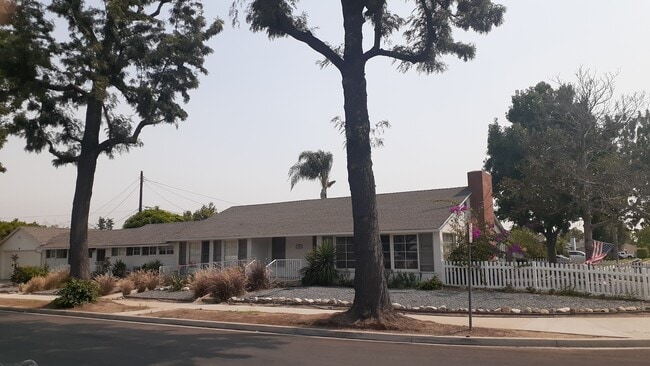
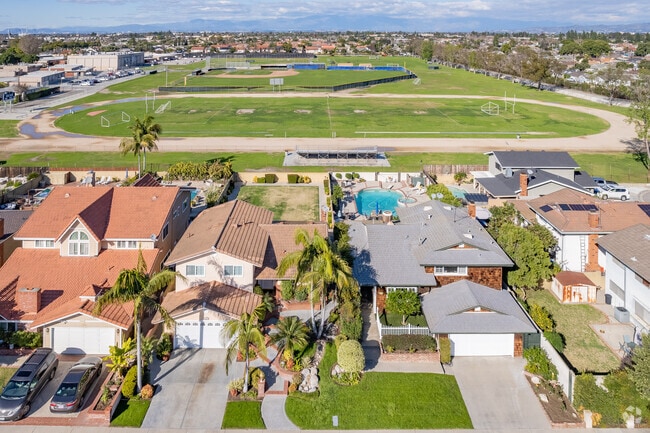
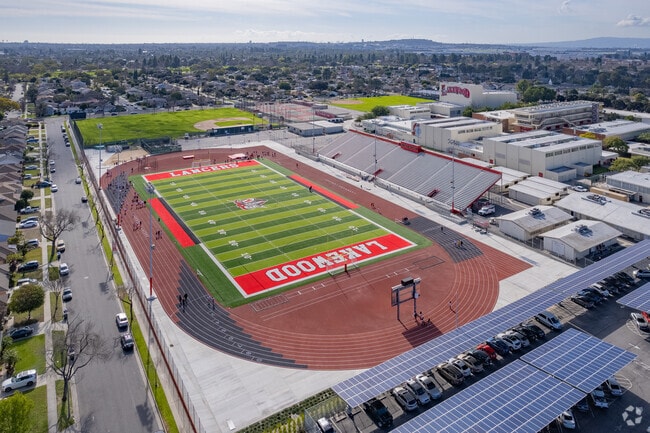
The residential scene is right next door to local schools and sports fields.
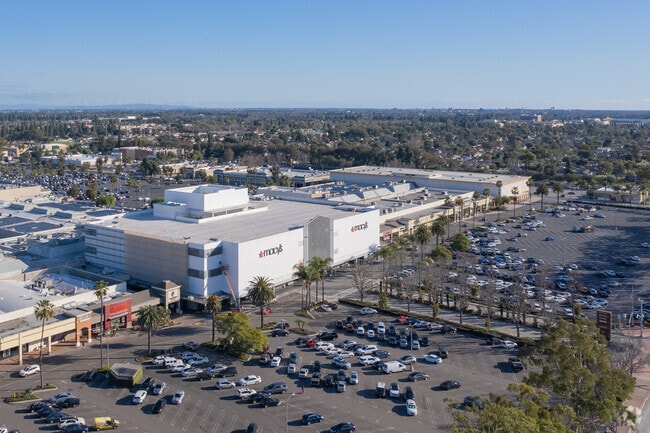
You can find all kinds of retail from chain stores to mom and pop shops in Lakewood.
Lakewood high school is heavily involved in student athletics.
Picnic Area at Bolivar Park in Lakewood Country Club Neighborhood
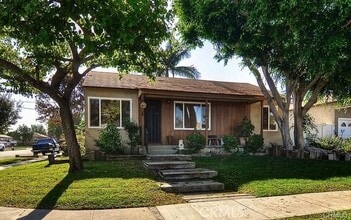
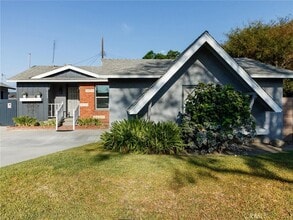
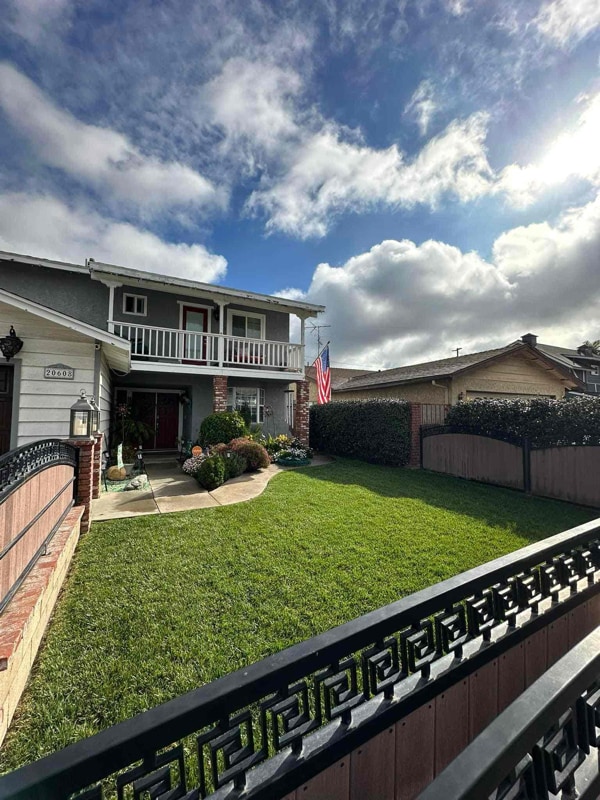
Mixed style homes in Lakewood Country Club neighborhood.
Practice your swing before a round of golf at the driving range at the Lakewood Country Club.
Median Household Income
$106,463
Average: $124,563
Education
22,133
Residents Have a Degree
Job Market
40,880
Workers Employed
Median Age
41 Years
Largest Age Group
35-44 Years
Approximately 14% of Residents
Under 20
23%
Over 65
18%
Housing Distribution
Lakewood has more homeowners than renters.

Education Distribution
Review this city's overall education levels.

As of September 2026, the average apartment rent in Lakewood, CA is $1,554 for a studio, $1,990 for one bedroom, $2,475 for two bedrooms, and $2,993 for three bedrooms. Apartment rent in Lakewood has increased by 2.5% in the past year.
Explore how walkable, bikeable, drivable, and transit-friendly Lakewood, CA is for everyday living.
Fairly Walkable
Walkability
Limited Public Transit
Transit
Very Drivable
Drivability
Moderately Bikeable
Bikeability

Public
Grades K-5
378 Students

Public
Grades K-5
490 Students

Public
Grades K-5
490 Students
Public
Grades K-5
406 Students
Public
Grades K-5
340 Students
Public
Grades 6-12
2,422 Students

Public
Grades 6-12
2,422 Students

Public
Grades 6-8
505 Students
Public
Grades 6-8
505 Students

Public
Grades 9-12
336 Students

Public
Grades 6-12
2,422 Students
Public
Grades 9-12
2,305 Students
Public
Grades 9-12
2,305 Students
Public
Grades 9-12
1,384 Students
 The GreatSchools Rating helps parents compare schools within a state based on a variety of school quality indicators and provides a helpful picture of how effectively each school serves all of its students. Ratings are on a scale of 1 (below average) to 10 (above average) and can include test scores, college readiness, academic progress, advanced courses, equity, discipline and attendance data. We also advise parents to visit schools, consider other information on school performance and programs, and consider family needs as part of the school selection process.
View GreatSchools Rating Methodology
Data provided by
GreatSchools.org
© 2026. All rights reserved.
The GreatSchools Rating helps parents compare schools within a state based on a variety of school quality indicators and provides a helpful picture of how effectively each school serves all of its students. Ratings are on a scale of 1 (below average) to 10 (above average) and can include test scores, college readiness, academic progress, advanced courses, equity, discipline and attendance data. We also advise parents to visit schools, consider other information on school performance and programs, and consider family needs as part of the school selection process.
View GreatSchools Rating Methodology
Data provided by
GreatSchools.org
© 2026. All rights reserved.
† Our analysis of utilities, groceries, transportation, healthcare, home prices, and other goods and services is sourced from the Cost of Living Index, a respected benchmark published by the Council for Community and Economic Research (C2ER) that provides a thorough overview of living expenses across different regions.
Rent data is provided by CoStar Group’s Market Trend reports. As the industry leader in commercial real estate information, analytics, and news, CoStar conducts extensive research to produce and maintain a comprehensive database of commercial real estate information. We combine this data with public record to provide the most up-to-date rental information available.
Consumer goods, services, and home prices are sourced from the Cost of Living Index published by the Council for Community and Economic Research (C2ER). The data on this page is updated quarterly. It was last published in September 2026.
Demographic information comes from Neustar and combines detailed address data with U.S. Census and American Community Survey statistics to produce reliable local estimates.