

Key Takeaways
Across these 10 markets, several common themes are driving rental activity:
- Affordability constraints in homeownership are keeping more households in the renter pool.
- Job growth in tech, healthcare, and finance continues to anchor demand in major metros.
- Migration patterns—both domestic and international—are reshaping regional demand.
- New supply pipelines are easing pressure in some cities while lagging in others.
Rental activity across the U.S. remains highly dynamic in 2026, shaped by shifting migration patterns, job growth in emerging industries, and ongoing affordability pressures in for-sale housing. While national rent growth has moderated compared to the post-pandemic surge, select metro areas continue to see intense supply-demand fluctuations.
Here are 10 of the most active rental markets and the key forces driving their momentum.
1. New York, NY
- National average 1-bedroom rent: $1,642/month
- Average 1-bedroom rent in New York: $4,114/month
- Year-over-year rent change in New York: +1.6%
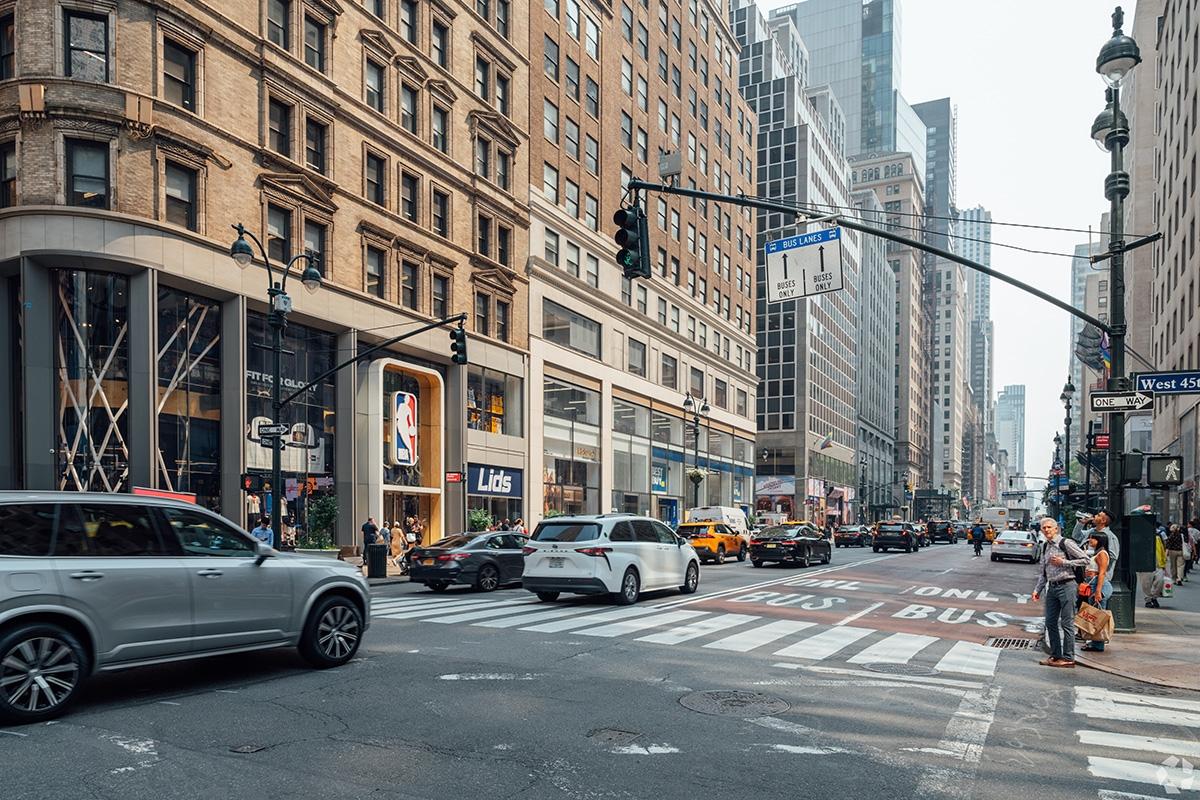
It shouldn’t come as a shock that New York City is the most active rental market in the U.S., fueled by a strong labor market in finance, tech, and media. Demand has remained elevated due to high homeownership costs and a steady return-to-office push, which is bringing workers back into Manhattan and surrounding boroughs.
"There isn't another city in America where more than eight million people live this close together and generate this much economic and cultural energy."
Victor Rodriguez, Senior Director of Market Analytics in New York, CoStar Group
On the supply side, the number of new rentals has increased, particularly in Brooklyn and Queens, but not enough to fully offset demand. International migration and a rebound in renters relocating to the city are tightening vacancy rates, keeping rents relatively high despite periodic concessions.
Victor Rodriguez, senior director of market analytics in New York for CoStar Group, says that New York is still the go-to place to live: “Nowhere else offers the same mix of opportunity, culture, and density. It’s still where college graduates and young professionals want to be, which keeps rents elevated even as affordability tightens.”
The city’s constrained rentals and subsequent unaffordability is always a focus for New York officials. Last year, the FARE Act went into effect, prohibiting brokers from charging fees to tenants if they’re hired by a landlord. Now, the Rent Guidelines Board is gearing up to set the rent increase limits for the year, and city officials are fighting for a complete rent freeze.
“While policies like the FARE Act are meant to change the sometimes lack of transparency, they don’t change the basic math of supply and demand,” says Rodriguez. “There isn’t another city in America where more than eight million people live this close together and generate this much economic and cultural energy.”
2. San Francisco, CA
- National average 1-bedroom rent: $1,642/month
- Average 1-bedroom rent in San Francisco: $3,356/month
- Year-over-year rent change in San Francisco: +8.3%
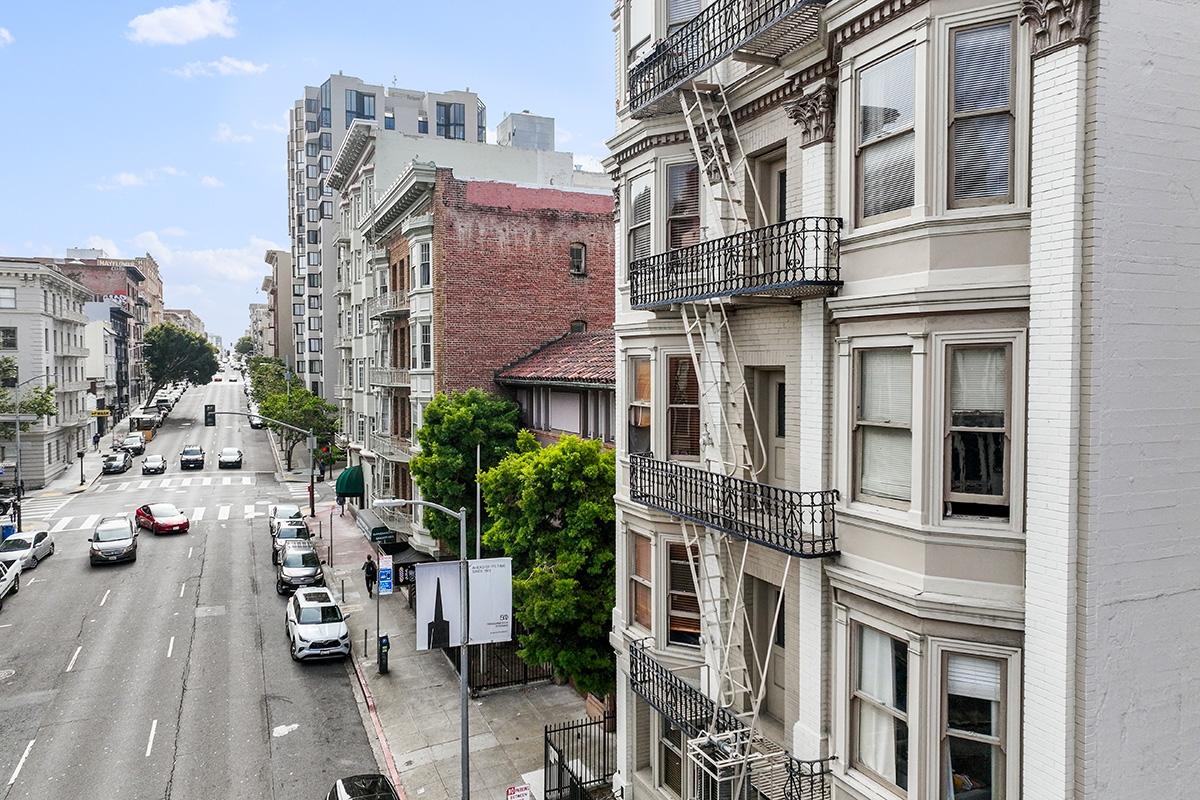
The San Francisco Bay Area has experienced consecutive years of volatility due to a reignition of the tech sector, particularly in AI and enterprise software. Job growth has skyrocketed demand, and rents in the city have climbed higher and higher as supply struggles to catch up.
Lease-ups have outpaced new rentals since the market exploded in 2022 after AI took the world by storm; San Francisco’s vacancy rate is the lowest it’s been since 2001 and rent prices have increased by 8.3% over the last year, on average.
3. Miami, FL
- National average 1-bedroom rent: $1,642/month
- Average 1-bedroom rent in Miami: $2,227/month
- Year-over-year rent change in Miami: +0.1%
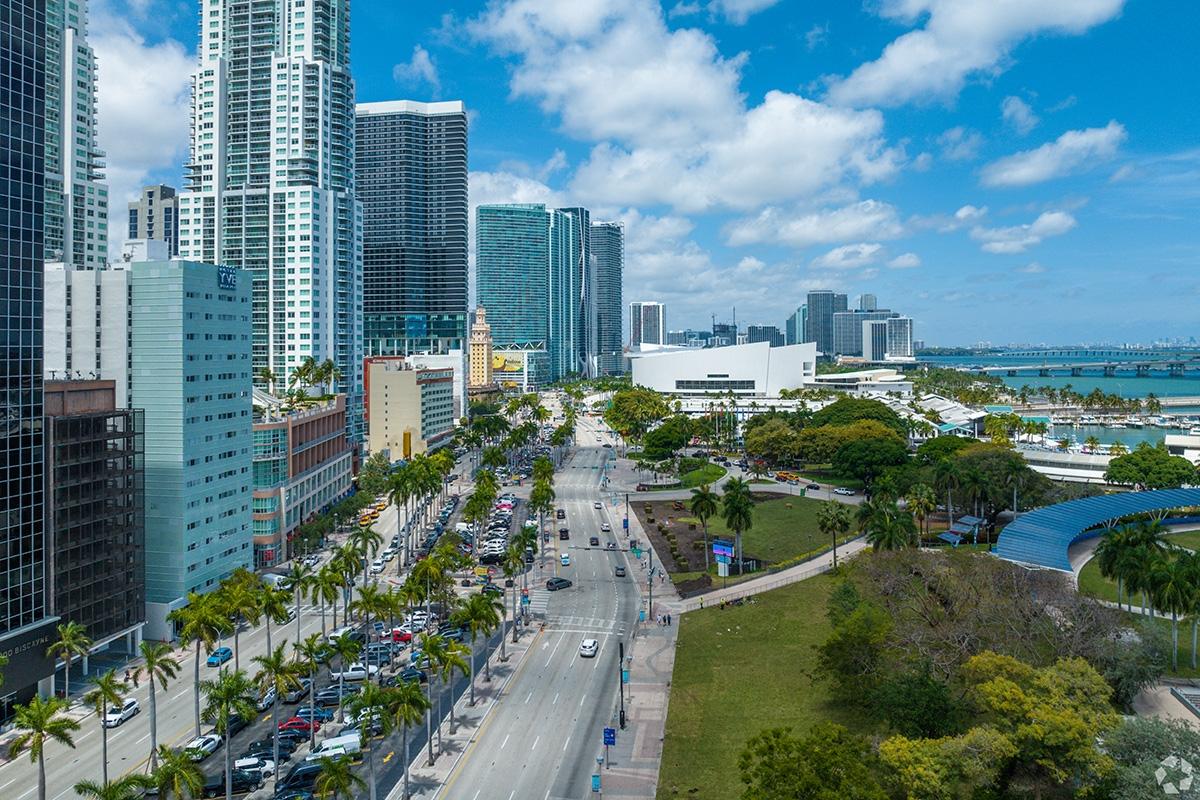
Miami remains one of the most competitive rental markets in the country, driven by sustained domestic migration and international demand. The city’s appeal as a tax-friendly, business-friendly hub has attracted finance, tech, and crypto firms, and its balance of urban and beachside living draws renters.
Most renters are leasing luxury apartments, but development of new luxury properties has continued to outpace demand; the vacancy rate for luxury apartments in Miami is 10.6%, 3.2 percentage points higher than the overall vacancy rate of 7.4%.
4. Boston, MA

- National average 1-bedroom rent: $1,642/month
- Average 1-bedroom rent in Boston: $3,557/month
- Year-over-year rent change in Boston: +1.1%
Boston’s rental market is heavily influenced by its concentration of universities, healthcare institutions, and biotech firms. A consistent influx of students creates reliable annual demand cycles, and the rental market consistently sees a push-and-pull between lease-ups and new supply, keeping up steady demand. Boston’s expanding life sciences sector is further driving renter demand, steadily pushing vacancies lower and rents higher.
But Boston is a compact, historic city, and limited land availability and strict zoning regulations constrain new supply.
Matt Giordano, CoStar Group’s associate director of market analytics in Boston, says, “The construction pipeline continues to thin, now at its lowest level since 2021.”
Indeed, the number of units under construction in the first quarter of 2026 was 15% lower than that of the first quarter of 2025, but lease-ups increased by about 61%. This is the first time demand in Boston has exceeded new rental units since mid-2024.
5. Chicago, IL

- National average 1-bedroom rent: $1,642/month
- Average 1-bedroom rent in Chicago: $2,044/month
- Year-over-year rent change in Chicago: +3.3%
Chicago offers a relatively affordable alternative to coastal metros, which has supported steady rental demand. Growth in logistics, finance, and corporate relocations has bolstered the job market.
"Higher-quality units still present a relative value compared to the combined cost of a mortgage, taxes, and insurance."
Adrian Brizuela, Associate Director of Market Analytics in Chicago, CoStar Group
But like many other big cities, Chicago’s rental supply isn’t keeping up with demand, and the number of rentals under construction has been steadily trending downward since 2024. With lease-ups remaining elevated, this deceleration in construction has resulted in vacancy rates well below the national average of 8.5%.
“Two key factors are supporting this demand dynamic: limited new supply, and prolonged renter tenure driven by the elevated cost of homeownership,” says Adrian Brizuela, associate director of market analytics in Chicago for CoStar Group. “Rising home prices and higher borrowing costs have made homeownership less attainable, forcing many households to remain renters for longer periods.”
According to Homes.com, Chicago’s median sale price of $362,500 ranks 30th among the 40 largest U.S. markets. This is a 3.6% increase over last year, well above the national average increase of 1.3%.
Brizuela says that Chicago renters “are increasingly willing to ‘trade up’ within the rental market, as higher-quality units still present a relative value compared to the combined cost of a mortgage, taxes, and insurance.” Despite rising rent prices, renting is still a better deal.
6. Northern New Jersey

- National average 1-bedroom rent: $1,642/month
- Average 1-bedroom rent in Newark: $1,610/month
- Year-over-year rent change in Newark: +0.5%
Northern New Jersey has emerged as a key spillover market from New York City, offering comparatively lower rents with strong transit access. Areas like Newark continue to attract commuters, thanks to NJ Transit trains that take residents to Manhattan in about half an hour.
"Even with recent supply deliveries, the market is not overbuilt."
Jared Koeck, Associate Director of Market Analytics in Northern New Jersey, CoStar Group
Significant multifamily construction has added supply, but the gap between new rentals and lease-ups is beginning to close due to population inflows and ongoing affordability challenges in NYC.
Jared Koeck, associate director of market analytics in the Northern New Jersey market for CoStar Group, says, “New construction deliveries have outpaced absorption for five consecutive quarters leading to an increase in the vacancy rate from 5.2% in [the end of 2024] to 6.4% in [the beginning of 2026]. However, Northern New Jersey’s vacancy rate remains well below the national average, indicating that even with recent supply deliveries, the market is not overbuilt.”
7. Minneapolis, MN

- National average 1-bedroom rent: $1,642/month
- Average 1-bedroom rent in Minneapolis: $1,416/month
- Year-over-year rent change in Minneapolis: +1.6%
Minneapolis stands out for its relatively high rental supply growth, thanks to steady construction activity. This has helped keep rent growth moderate compared to other major metros.
Demand remains stable, supported by a diverse economy spanning healthcare, retail headquarters, and manufacturing. The city’s affordability relative to other major cities is also attracting renters seeking value.
8. Philadelphia, PA
- National average 1-bedroom rent: $1,642/month
- Average 1-bedroom rent in Philadelphia: $1,778/month
- Year-over-year rent change in Philadelphia: +1.3%
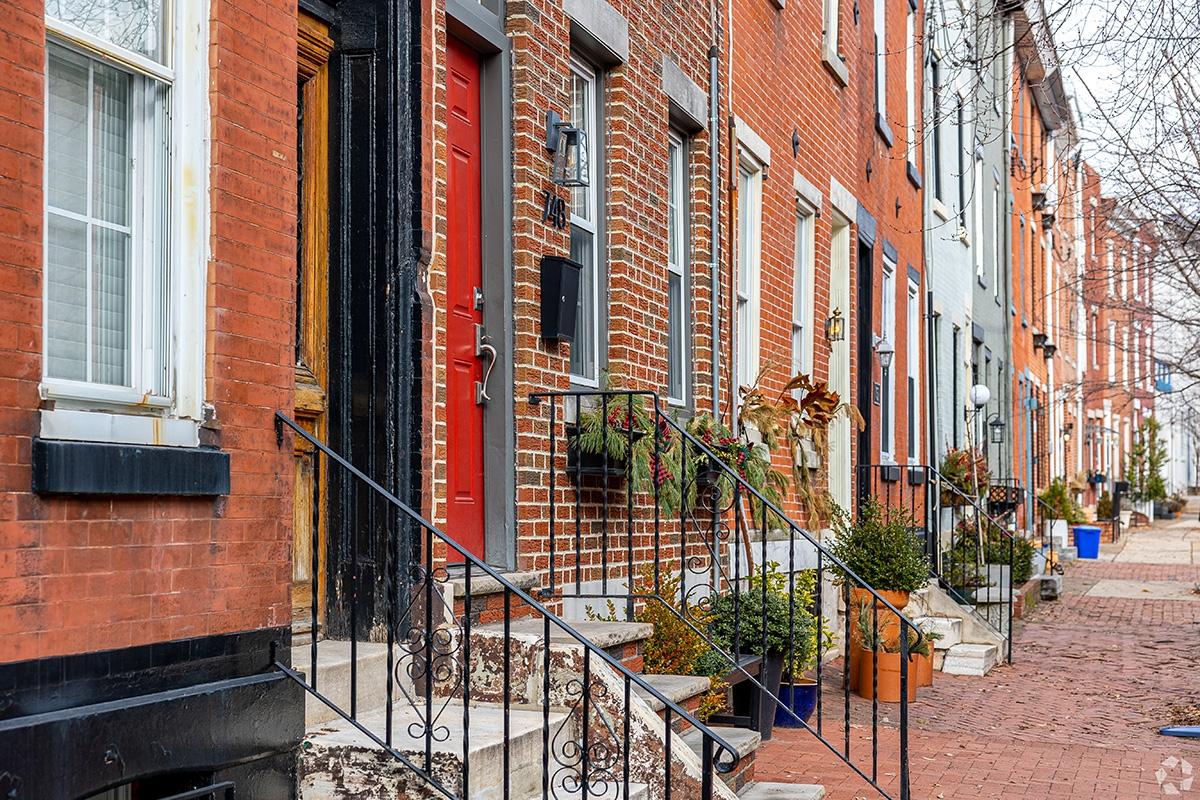
Philadelphia is benefiting from its position as an affordable alternative to both New York and Washington, D.C. Population inflows have driven demand particularly in Center City, Fairmount-Art Museum, and Northern Liberties. Education and healthcare remain key economic drivers, and nearby universities like the University of Pennsylvania and Drexel University ensure steady population inflows.
Brenda Nguyen, CoStar Group’s director of market analytics in Philadelphia, says the city’s walkable urban neighborhoods see the most renter demand: “Greater Center City and the adjacent River Wards neighborhoods were behind roughly 40% of the market’s renter demand in the past year.”
Philadelphia’s vacancy rate skyrocketed from 4% in 2021 to 7.8% in 2024 after thousands of new rental units entered the market in 2023 and 2024. Construction has slowed to a steady flow since this supply wave, keeping the market active but balanced.
“Philadelphia’s long-standing underbuilding relative to population and sustained ‘eds and meds’ job growth have positioned it to absorb the recent wave of deliveries efficiently,” says Nguyen. “This ability to digest new supply—aided in part by widespread renter specials—has been a defining feature of this cycle.”
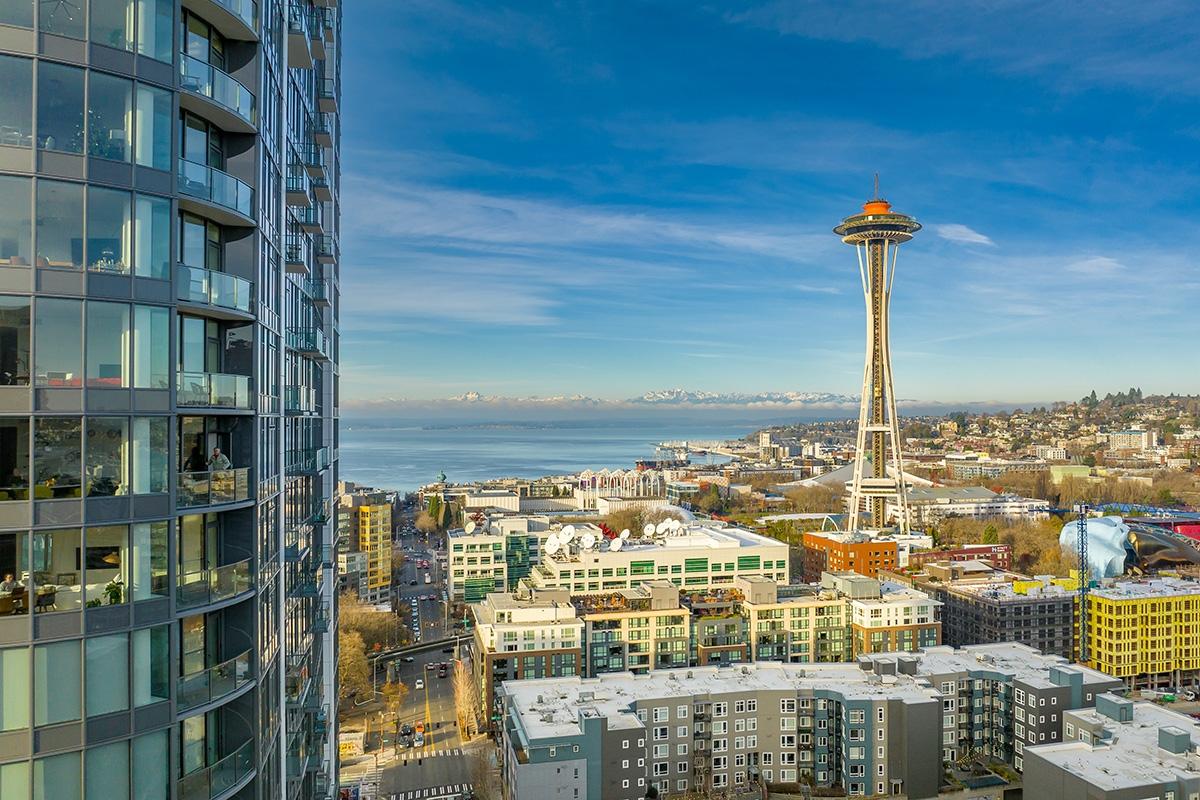
9. Seattle, WA
- National average 1-bedroom rent: $1,642/month
- Average 1-bedroom rent in Seattle: $2,093/month
- Year-over-year rent change in Seattle: -1.5%
Seattle’s rental market continues to be shaped by the tech industry, with major employers like Amazon and Microsoft influencing demand trends. The job market here has cooled off, leading to a drop in demand.
At the same time, a significant pipeline of new apartment deliveries has increased competition among landlords, leading to deeper concessions in neighborhoods with the most rentals.
“Looking ahead, the slowdown in construction eases supply-side pressure, but slower population and employment growth suggest the recovery in rent growth is likely to be gradual rather than sharp,” says Elliott Krivenko, CoStar Group’s senior director of market analytics in Seattle.
10. Milwaukee, WI

- National average 1-bedroom rent: $1,642/month
- Average 1-bedroom rent in Milwaukee: $1,212/month
- Year-over-year rent change in Milwaukee: +2.4%
Milwaukee saw higher than normal construction in 2022 and 2023, but lease-ups dropped compared to previous years. The market has since swung in the opposite direction, and lease-ups are outpacing construction for the first time in five years. This imbalance is causing steady rent increases; rent in Milwaukee is currently 2.4% higher than last year, with prices jumping even more in some of the city's best neighborhoods.
At the same time, Milwaukee dropped in popularity among renters at the beginning of 2026. According to Apartments.com data, searches for Milwaukee dropped by 35.6% between the fourth quarter of 2025 and the first quarter of 2026. Winter months tend to be slow for the rental market, but this was amplified by extreme weather and declining economic conditions reflected in the closure of several manufacturing plants.
Keep Up with Trends on Apartments.com
Rental market conditions are constantly changing, and it’s more important than ever to stay informed on local supply and demand shifts. Apartments.com offers up-to-date market insights, neighborhood-level data, and real-time rent tracking to help you make confident decisions in your rental search.
Methodology
These 10 cities were chosen and ranked based on factors like volume of new rentals compared to lease-ups and fluctuating vacancy rates to capture overall market activity. Market insights are sourced from CoStar Group’s Market Trends Reports, and average rent data is sourced from Apartments.com Rent Trends pages.


