Median Age
28 Years
Largest Age Group
20-29 Years
Approximately 39% of Residents
Under 20
18%
Over 65
16%




Avg Rent
$1,604
Population
586
Renter Mix
40% Rent
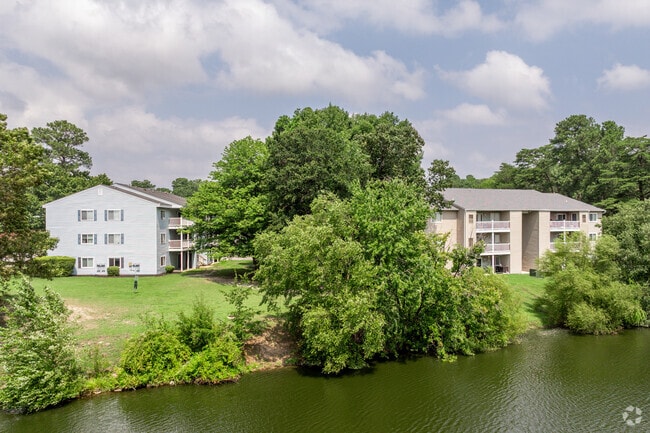
Standing on the banks of the York River, this small Virginia town played a direct role in ending the Revolutionary War when General Cornwallis surrendered to George Washington here on October 19, 1781. That history isn’t tucked away in a museum—it’s woven into the landscape, from the preserved battlefield to the colonial streetscapes that make Yorktown feel like a living timeline. Riverwalk Landing brings a lively mix of dining and shopping to the waterfront, and the Coleman Bridge frames the whole scene with classic Chesapeake charm. Nearby Williamsburg and Jamestown round out Virginia’s Historic Triangle, making day trips practically a given.
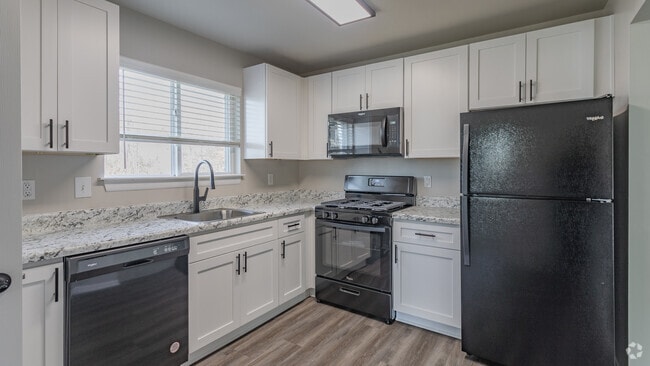
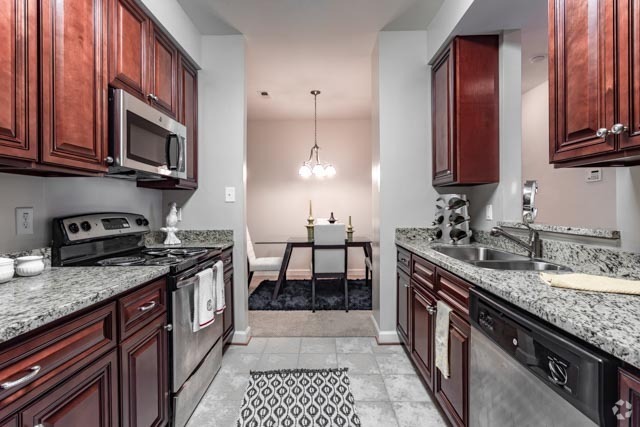
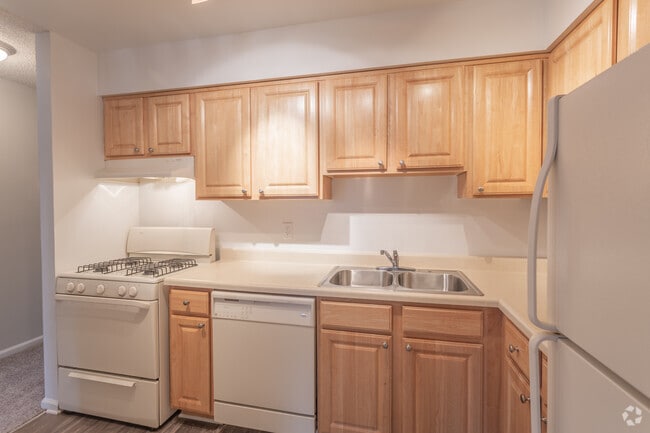
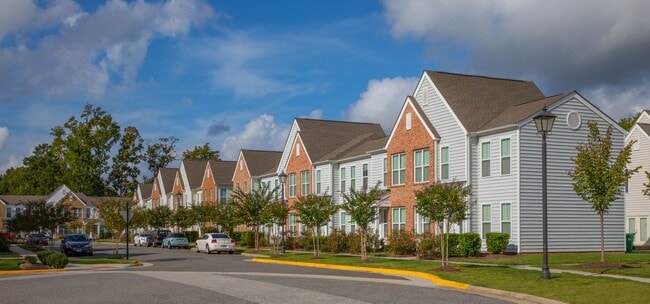
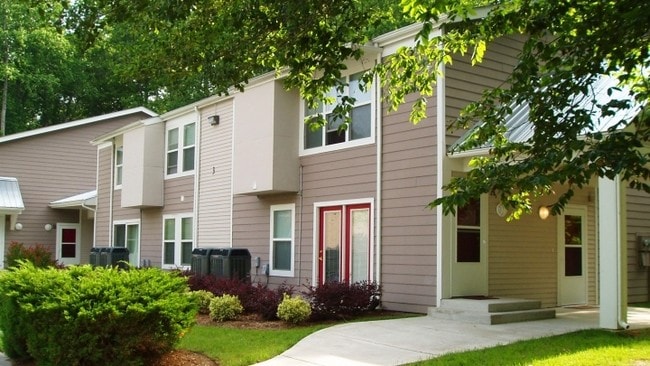
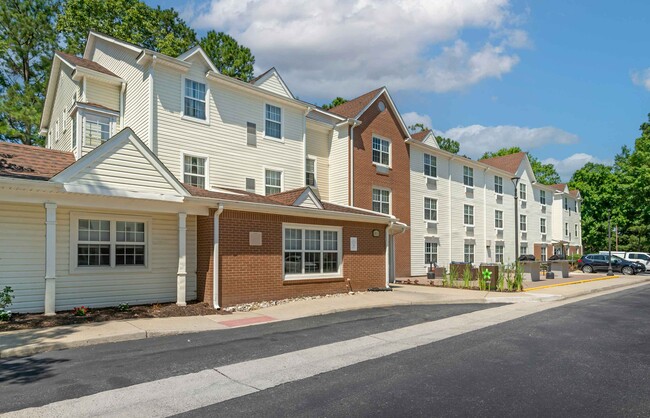
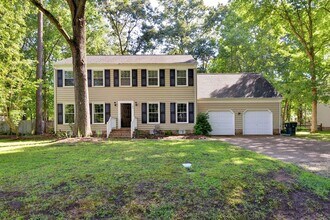
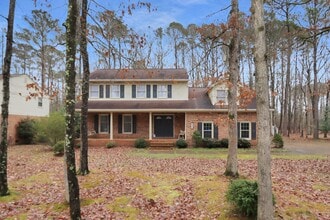
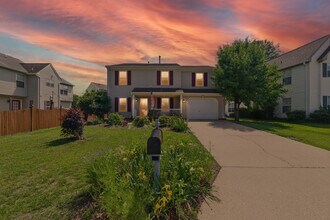
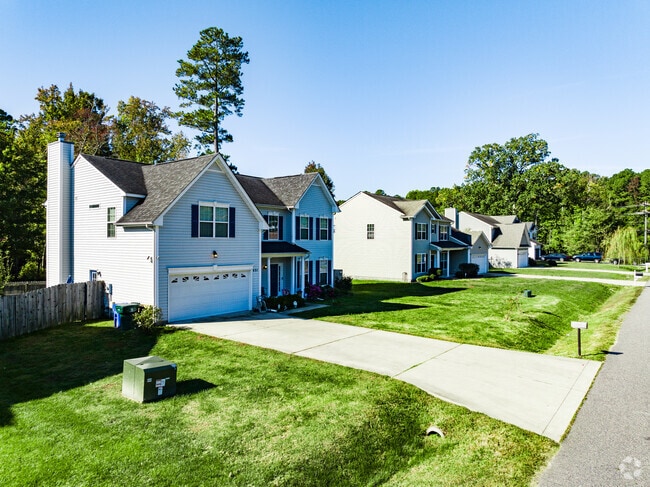
Rentals here lean toward townhomes and garden-style apartment communities spread across a quiet, low-density setting. Yorktown Naval Weapons Station and a U.S. Coast Guard Training Center are both close by, making this an especially practical base for military personnel seeking off-base housing. Virginia Beach is also within easy reach, so coastal escapes don’t require much planning. With its walkable waterfront, strong sense of place, and access to both natural and historical attractions, Yorktown offers a living experience that’s genuinely hard to replicate elsewhere in the state.
Colonial charm meets modern life in the vibrant streets of Yorktown.
Fishing is common on the piers at Yorktown's Charming Harbor.
Yorktown Victory Monument standing tall, a symbol of American independence.
Take the trolley through Yorktown to visit its historic sites in one day.
Watermen's Museum sits on the York river and just steps away from River Landing.
The American Revolution Museum is a living history museum that opened in 1976.
Median Household Income
$80,555
Average: $100,917
Education
258
Residents Have a Degree
Job Market
222
Workers Employed
Median Age
28 Years
Largest Age Group
20-29 Years
Approximately 39% of Residents
Under 20
18%
Over 65
16%
Housing Distribution
Yorktown has more homeowners than renters.

Education Distribution
Review this city's overall education levels.

As of September 2026, the average apartment rent in Yorktown, VA is $1,604 for one bedroom, $1,823 for two bedrooms, and $2,176 for three bedrooms. Apartment rent in Yorktown has increased by 3.4% in the past year.
Explore how walkable, bikeable, drivable, and transit-friendly Yorktown, VA is for everyday living.
Somewhat Walkable
Walkability
Exceptionally Drivable
Drivability
Fairly Bikeable
Bikeability

Mount Vernon Elementary School
Public
Grades PK-5
574 Students

Public
Grades K-5
644 Students

Public
Grades K-5
644 Students
Public
Grades K-5
635 Students
Public
Grades K-5
404 Students
Public
Grades 6-8
968 Students
Public
Grades 6-8
937 Students

Public
Grades 6-8
717 Students

Public
Grades 6-8
644 Students

Public
Grades 9-12
1,235 Students
Public
Grades 9-12
1,212 Students
Public
Grades 9-12
1,156 Students
Public
Grades 9-12
949 Students
Public
Grades 9-12
1,050 Students
 The GreatSchools Rating helps parents compare schools within a state based on a variety of school quality indicators and provides a helpful picture of how effectively each school serves all of its students. Ratings are on a scale of 1 (below average) to 10 (above average) and can include test scores, college readiness, academic progress, advanced courses, equity, discipline and attendance data. We also advise parents to visit schools, consider other information on school performance and programs, and consider family needs as part of the school selection process.
View GreatSchools Rating Methodology
Data provided by
GreatSchools.org
© 2026. All rights reserved.
The GreatSchools Rating helps parents compare schools within a state based on a variety of school quality indicators and provides a helpful picture of how effectively each school serves all of its students. Ratings are on a scale of 1 (below average) to 10 (above average) and can include test scores, college readiness, academic progress, advanced courses, equity, discipline and attendance data. We also advise parents to visit schools, consider other information on school performance and programs, and consider family needs as part of the school selection process.
View GreatSchools Rating Methodology
Data provided by
GreatSchools.org
© 2026. All rights reserved.
† Our analysis of utilities, groceries, transportation, healthcare, home prices, and other goods and services is sourced from the Cost of Living Index, a respected benchmark published by the Council for Community and Economic Research (C2ER) that provides a thorough overview of living expenses across different regions.
Rent data is provided by CoStar Group’s Market Trend reports. As the industry leader in commercial real estate information, analytics, and news, CoStar conducts extensive research to produce and maintain a comprehensive database of commercial real estate information. We combine this data with public record to provide the most up-to-date rental information available.
Consumer goods, services, and home prices are sourced from the Cost of Living Index published by the Council for Community and Economic Research (C2ER). The data on this page is updated quarterly. It was last published in September 2026.
Demographic information comes from Neustar and combines detailed address data with U.S. Census and American Community Survey statistics to produce reliable local estimates.