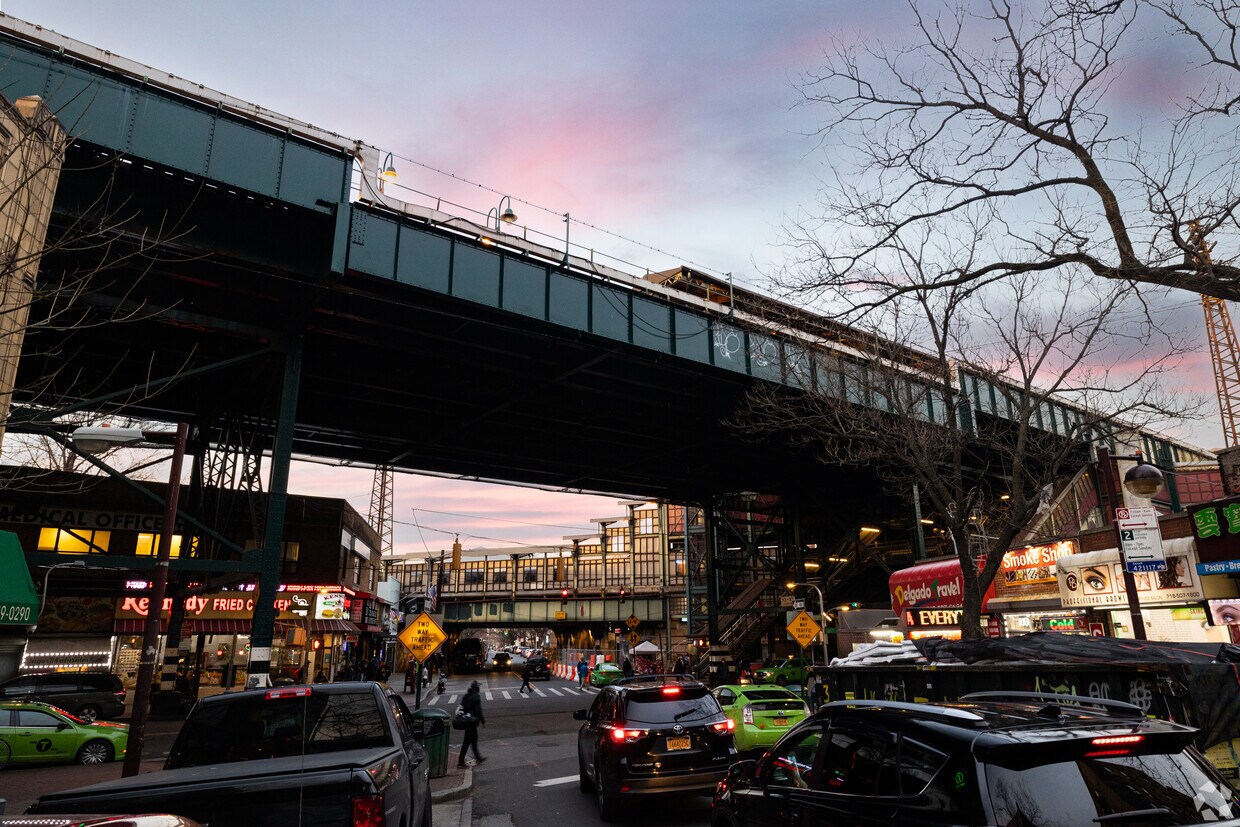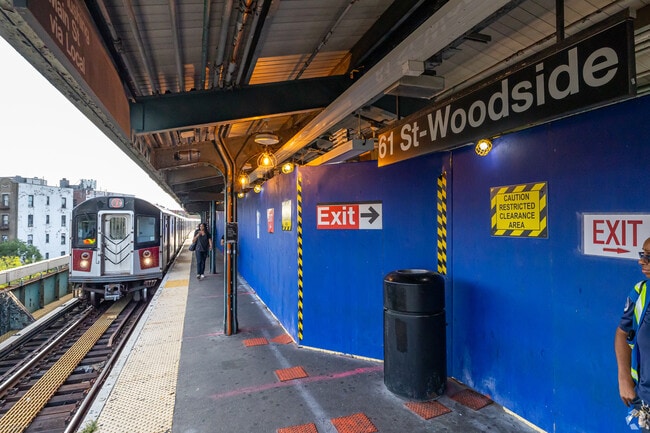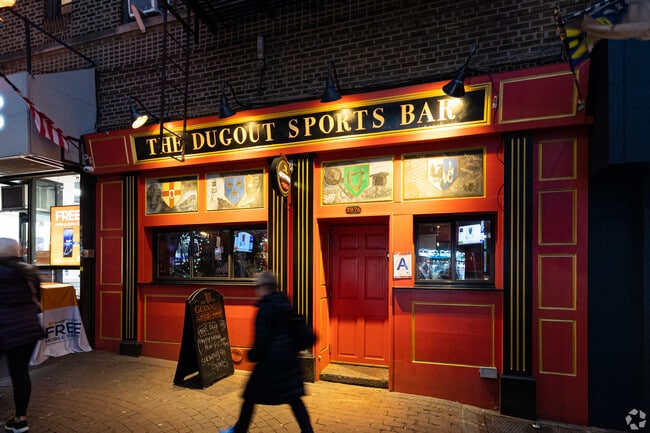
The 7 subway train stops in Woodside, Queens.
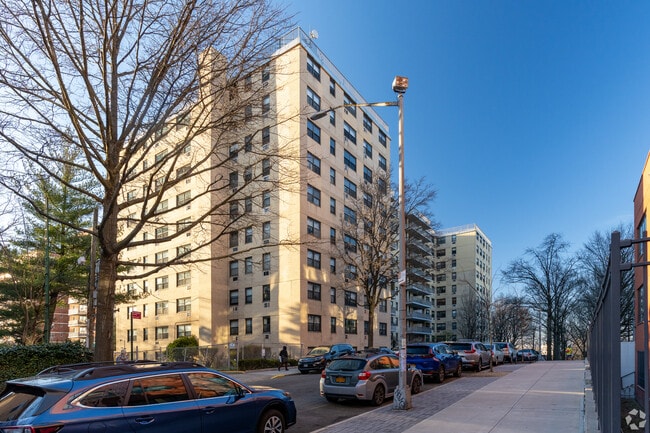
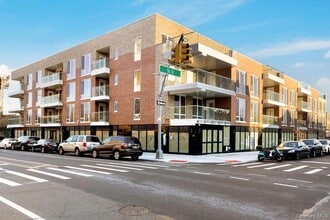
High-rise co-ops make up for most of Woodside's skyline today.
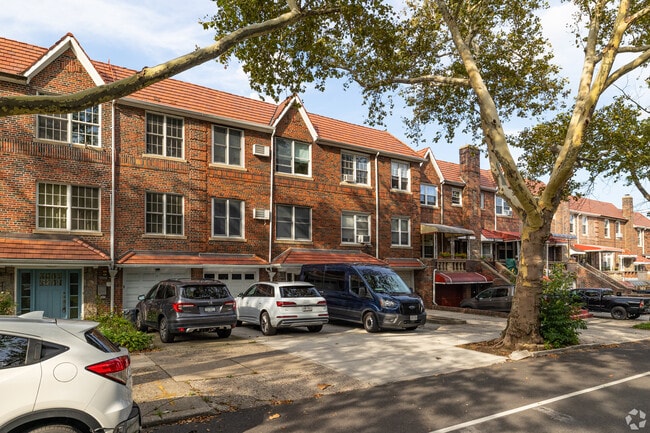
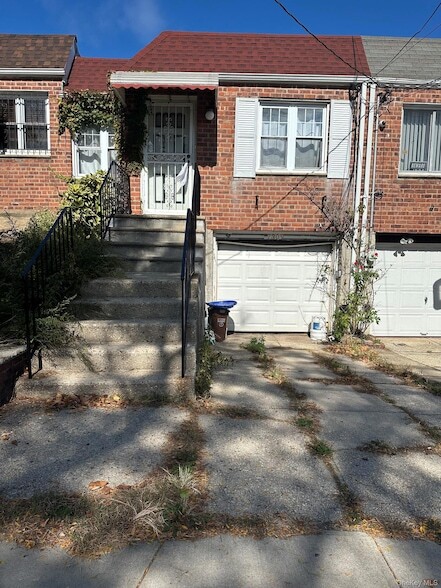
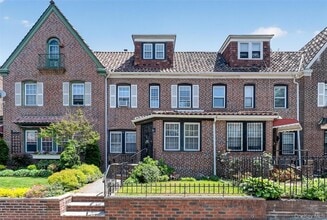
Different style of attached row homes are the standard in Woodside.
The Dugout Irish Pub is near Woodside station.

Area Guide

Woodside Queens, NY

Rail hub energy beneath the elevated 7 train

Transit • Dining • Rowhouses

Woodside sits in the western half of Queens with a street-level energy that rewards those who explore on foot. Daily errands are easy to accomplish without a car, with groceries, cafes, restaurants, and shops within a short walk in almost any direction. Roosevelt Avenue anchors the neighborhood's commercial pulse, lined with eateries, bodegas, and storefronts that reflect the area's layered cultural character. Neighboring Sunnyside lies just to the west, Astoria to the north, and Jackson Heights to the east, giving residents quick access to some of Queens' most well-known destinations.

The rental landscape in Woodside skews toward low- and mid-rise brick buildings, many of them prewar walk-ups with classic details like arched entryways and tiled lobbies. Attached row houses and two-family homes fill the quieter residential blocks away from the main commercial corridors, offering a more grounded, neighborhood feel than the high-rises found closer to the East River.

Explore the Neighborhood

High-rise co-ops make up for most of Woodside's skyline today.

Different style of attached row homes are the standard in Woodside.

The Dugout Irish Pub is near Woodside station.

Sean Og's Irish Pub is a legendary place in Woodside.

Doughboy Park in Queens, New York is the perfect place for a stroll.

Lawrence Virgilio Playground in Queens, New York sits atop a hill.

Rent Trends

As of September 2026, the average apartment rent in Woodside is $1,629 for a studio, $1,920 for one bedroom, $2,233 for two bedrooms, and $2,393 for three bedrooms. Apartment rent in Woodside has increased by 1.4% in the past year.

  • Studio

  • 421 sq ft

    Average Sq Ft

  • $1,629/month

    Average Rent

  • 1 BR

  • 598 sq ft

    Average Sq Ft

  • $1,920/month

    Average Rent

  • 2 BR

  • 709 sq ft

    Average Sq Ft

  • $2,233/month

    Average Rent

  • 3 BR

  • 792 sq ft

    Average Sq Ft

  • $2,393/month

    Average Rent

Learn More About Woodside

Getting Around

Exceptionally Walkable

Walkability

100 / 100

Exceptional Public Transit

Transit

100 / 100

Fairly Drivable

Drivability

40 / 100

Moderately Bikeable

Bikeability

60 / 100

Daily Essentials

Supermarket Within a 5 Minute Walk

Groceries

100 / 100

Exceptional Restaurant Variety Nearby

Restaurants

100 / 100

Exceptional Café Variety Nearby

Cafes

100 / 100

Exceptional Variety of Shops Nearby

Shopping

100 / 100

Recreation

Large Amount of Park Space Nearby

Parks

70 / 100

Good Wellness Amenity Variety Nearby

Wellness

70 / 100

Local Vibe

Highly Vibrant Atmosphere

Vibrancy

80 / 100

Exceptional Nightlife Variety Nearby

Nightlife

90 / 100

Points of Interest

Parks and Recreation

  • Travers Park
  • Socrates Sculpture Park
  • Hallets Cove Playground
  • Linden Park
  • Astoria Park

Airports

  • LaGuardia
  • John F Kennedy International

Top Apartments in Woodside

Houses for Rent in Woodside

Living in Woodside

History

-

In 1867, developers Benjamin W. Hitchcock and John Andrew Kelly began dividing up wooded farmland in the old Town of Newtown, the colonial township that once covered much of western Queens. Hitchcock surveyed 972 lots and held the first sale on February 18, 1869. He sold $300 lots for $10 a month, an installment plan that put homeownership within reach of buyers who couldn't pay the full price up front. The Long Island Rail Road opened a Woodside station the same year, which linked the new lots to the rest of the region.

The next chapter came on rails. The IRT Flushing Line, today's 7 train, opened in 1917, and its elevated tracks along Roosevelt Avenue put Midtown within easy commuting distance. Apartment builders moved in quickly. Metropolitan Life built ten five-story buildings with room for about 400 households in 1922, and the Woodside Houses opened in 1949 with 20 buildings and 1,358 apartments. The pattern those early developers set, with housing clustered close to transit, still shapes the neighborhood. Many of Woodside's apartment buildings sit within a short walk of the 7 train or the LIRR.

Restaurants

-

The dining scene along and around Roosevelt Avenue offers a remarkable range without requiring much travel. Woodside has become a destination for Himalayan cooking, drawing diners from across Queens and beyond who come specifically for the dumplings, stews, and spiced dishes of that culinary tradition. Beyond those well-regarded kitchens, the neighborhood serves up Latin American specialties, Korean staples, and a rotating cast of casual spots reflecting the international makeup of the surrounding blocks.

Cafes are plentiful and easy to reach on foot, making the neighborhood well suited to morning routines that don't involve a long commute to a decent cup of coffee. Nightlife options round out the mix, with bars and lounges scattered along the main corridors.

Transportation

-

Getting around without a car is genuinely easy in Woodside. The neighborhood is exceptionally walkable, with short blocks, continuous sidewalks, and a concentration of daily services within a few minutes on foot. Public transit access is outstanding, anchored by the elevated 7 train, which connects residents to Midtown Manhattan and runs through the heart of Queens toward Flushing. Bus routes supplement the subway along major corridors, filling gaps between train stops.

For those who prefer two wheels, the neighborhood is moderately bikeable, with some dedicated infrastructure in place. Drivers have reasonable access to the broader Queens road network, and both LaGuardia Airport and John F. Kennedy International Airport are located within the borough, making regional and international travel straightforward.

Parks

-

Green space in Woodside is distributed across a patchwork of smaller neighborhood parks and playgrounds, offering spots to sit, run, or simply step away from the street noise for a few minutes. Tree cover on the residential blocks softens the urban density and gives the quieter side streets a noticeably greener feel than the main commercial strips.

For larger outdoor destinations, the broader Queens park system is by transit. Flushing Meadows Corona Park, one of the largest urban parks in New York City at nearly 900 acres, is reachable via the 7 train and offers playing fields, courts, and open lawn space that the immediate neighborhood cannot match in scale.

Cost

-

Housing costs in Woodside run noticeably below the Queens borough average, making it one of the more accessible entry points into western Queens. The overall cost of living across Queens tracks well above the national average, with housing representing the largest share of that gap, while groceries, utilities, and transportation costs come in closer to national norms. Renters who prioritize strong transit access over a Manhattan ZIP code often find the value proposition here straightforward.

Shopping

-

Shopping in Woodside is woven into the everyday fabric of the neighborhood rather than concentrated in a single district. Roosevelt Avenue and the blocks branching off it offer a dense stretch of independent merchants, grocery stores, and specialty food shops where most daily needs can be met without getting in a car. The mix leans heavily toward locally owned businesses that reflect the neighborhood's international character, from spice shops and imported goods to tailors and beauty supply stores.

For a broader retail experience, the adjacent neighborhoods of Jackson Heights and Sunnyside are within easy walking or transit distance, expanding the options without requiring a lengthy trip.

Highlights

-

Woodside offers a rare combination of outstanding walkability, exceptional transit access via the 7 train, and a densely layered food scene anchored by Himalayan cooking and international cuisines, all at rental prices that sit well below the Queens borough average, making it a compelling option for anyone looking to plant roots in western Queens.

Search Nearby Rentals

Methodology

† Our analysis of utilities, groceries, transportation, healthcare, home prices, and other goods and services is sourced from the Cost of Living Index, a respected benchmark published by the Council for Community and Economic Research (C2ER) that provides a thorough overview of living expenses across different regions.

Rent data is provided by CoStar Group’s Market Trend reports. As the industry leader in commercial real estate information, analytics, and news, CoStar conducts extensive research to produce and maintain a comprehensive database of commercial real estate information. We combine this data with public record to provide the most up-to-date rental information available.

Consumer goods, services, and home prices are sourced from the Cost of Living Index published by the Council for Community and Economic Research (C2ER). The data on this page is updated quarterly. It was last published in September 2026.

Demographic information comes from Neustar and combines detailed address data with U.S. Census and American Community Survey statistics to produce reliable local estimates.