Median Age
47 Years
Largest Age Group
60-69 Years
Approximately 16% of Residents
Under 20
20%
Over 65
25%



Avg Rent
$2,064
Population
6,584
Renter Mix
12% Rent
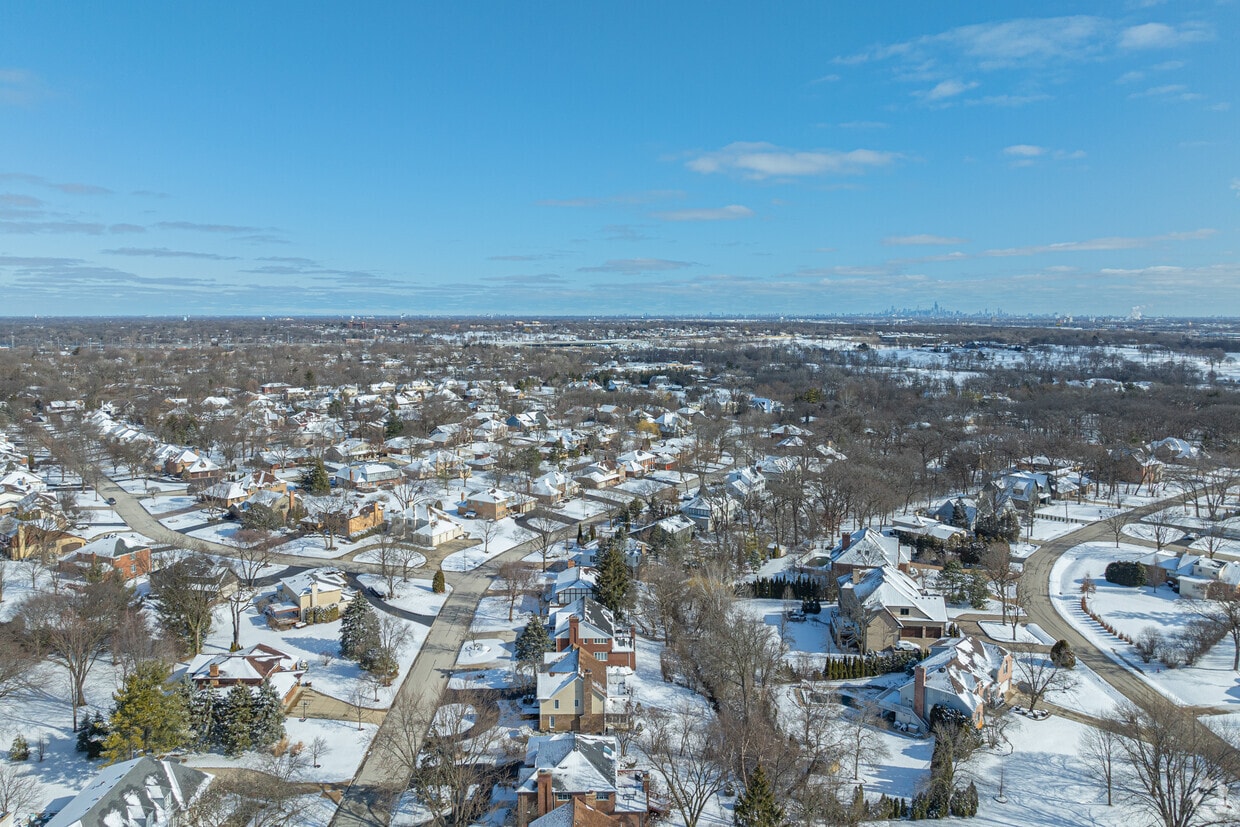
Willow Springs is a small Cook County village that trades city density for something quieter: wooded lots, a genuine sense of community, and easy reach to Chicago when you need it. Sitting at the edge of the Palos Forest Preserves, one of the largest protected woodland systems in Cook County, the village carries a pace and atmosphere that feel worlds away from the urban core, even though downtown Chicago is roughly 20 miles northeast. With just over 6,500 residents spread across five square miles, the community stays close-knit, and events like annual pancake breakfasts and holiday gatherings reinforce that small-town character throughout the year.
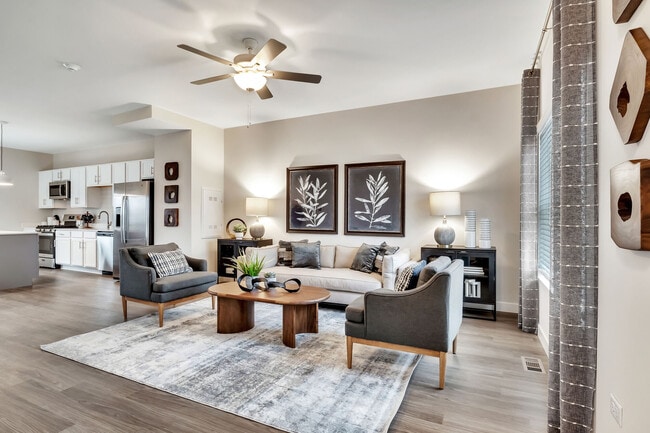
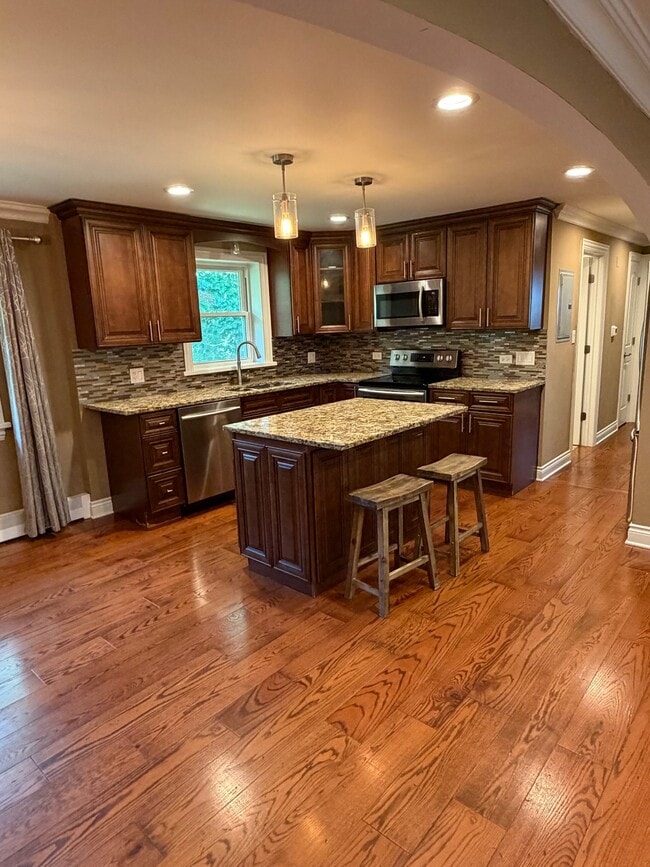
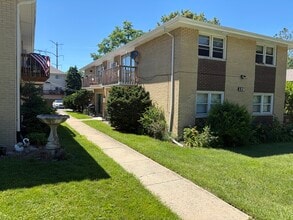
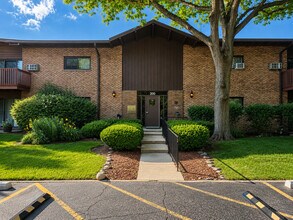
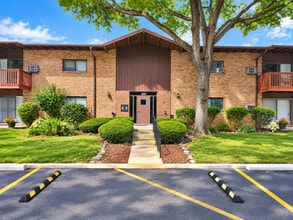
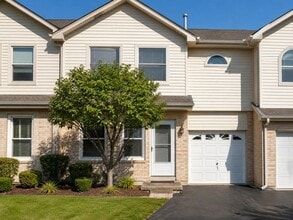
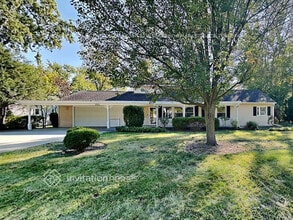
The village is primarily residential, and the housing mix reflects that. Renters can choose from single-family homes in quiet subdivisions, mid-rise apartment communities, and condos, with options suiting a range of preferences. Moraine Valley Community College and Saint Xavier University are both within a reasonable drive, adding an educational presence to the broader area. The Metra Heritage Corridor offers rail service connecting the village to Chicago Union Station, and Interstate 294 gives drivers a direct route into the city and surrounding suburbs. Rental rates here run above the Illinois state average, positioning Willow Springs as one of the southwest suburbs' notable communities for those who want wooded surroundings without giving up metropolitan access.
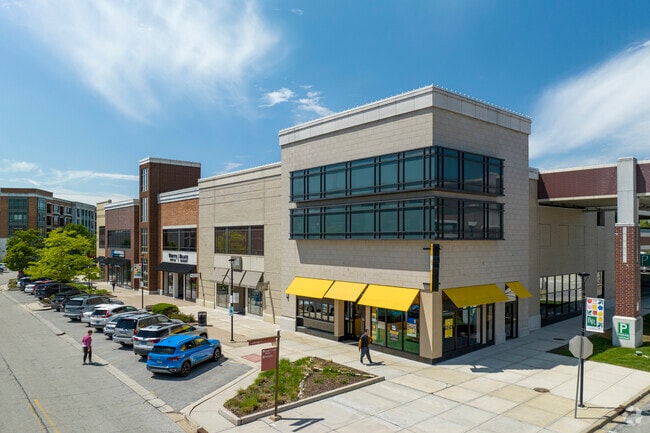
Burr Ridge Village Center is a shopping center with fashion shops and dining.
La Cabañita has been serving customers authentic Mexican cuisine since the 1990s.
Two Bostons is a pet boutique featuring a robust selection of food, treats, toys, and more.
The Hampton Social is a breezy hangout serving seafood and beach-themed cocktails.
Yolk is a contemporary cafe with bright interiors.
Hampton Social is the perfect place to grab lunch.
Median Household Income
$106,958
Average: $138,464
Education
2,067
Residents Have a Degree
Job Market
3,495
Workers Employed
Median Age
47 Years
Largest Age Group
60-69 Years
Approximately 16% of Residents
Under 20
20%
Over 65
25%
Housing Distribution
Willow Springs has more homeowners than renters.

Education Distribution
Review this city's overall education levels.

As of September 2026, the average apartment rent in Willow Springs, IL is $2,064 for one bedroom, and $2,580 for two bedrooms. Apartment rent in Willow Springs has increased by 2.8% in the past year.
Explore how walkable, bikeable, drivable, and transit-friendly Willow Springs, IL is for everyday living.
Somewhat Walkable
Walkability
Some Public Transit
Transit
Exceptionally Drivable
Drivability
Moderately Bikeable
Bikeability

Willow Springs Elementary School
Public
Grades PK-8
384 Students

Willow Springs Elementary School
Public
Grades PK-8
384 Students
 The GreatSchools Rating helps parents compare schools within a state based on a variety of school quality indicators and provides a helpful picture of how effectively each school serves all of its students. Ratings are on a scale of 1 (below average) to 10 (above average) and can include test scores, college readiness, academic progress, advanced courses, equity, discipline and attendance data. We also advise parents to visit schools, consider other information on school performance and programs, and consider family needs as part of the school selection process.
View GreatSchools Rating Methodology
Data provided by
GreatSchools.org
© 2026. All rights reserved.
The GreatSchools Rating helps parents compare schools within a state based on a variety of school quality indicators and provides a helpful picture of how effectively each school serves all of its students. Ratings are on a scale of 1 (below average) to 10 (above average) and can include test scores, college readiness, academic progress, advanced courses, equity, discipline and attendance data. We also advise parents to visit schools, consider other information on school performance and programs, and consider family needs as part of the school selection process.
View GreatSchools Rating Methodology
Data provided by
GreatSchools.org
© 2026. All rights reserved.
† Our analysis of utilities, groceries, transportation, healthcare, home prices, and other goods and services is sourced from the Cost of Living Index, a respected benchmark published by the Council for Community and Economic Research (C2ER) that provides a thorough overview of living expenses across different regions.
Rent data is provided by CoStar Group’s Market Trend reports. As the industry leader in commercial real estate information, analytics, and news, CoStar conducts extensive research to produce and maintain a comprehensive database of commercial real estate information. We combine this data with public record to provide the most up-to-date rental information available.
Consumer goods, services, and home prices are sourced from the Cost of Living Index published by the Council for Community and Economic Research (C2ER). The data on this page is updated quarterly. It was last published in September 2026.
Demographic information comes from Neustar and combines detailed address data with U.S. Census and American Community Survey statistics to produce reliable local estimates.