Median Age
43 Years
Largest Age Group
45-54 Years
Approximately 13% of Residents
Under 20
23%
Over 65
21%


Avg Rent
$1,641
Population
15,485
Renter Mix
27% Rent
Williamstown, New Jersey carries a quiet confidence that comes from knowing Philadelphia is just 20 miles away but feels refreshingly distant from city noise. Tucked inside Monroe Township in Gloucester County, this census-designated community sits along the Black Horse Pike corridor, where everyday errands are easy and the pace of life slows down considerably. Rowan University, about eight miles west in Glassboro, gives the broader region an academic energy, while the Atlantic City Expressway puts both shore getaways and major employment hubs within reach.
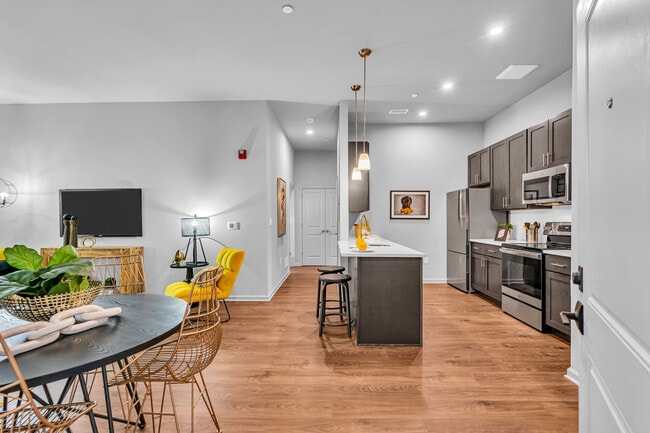
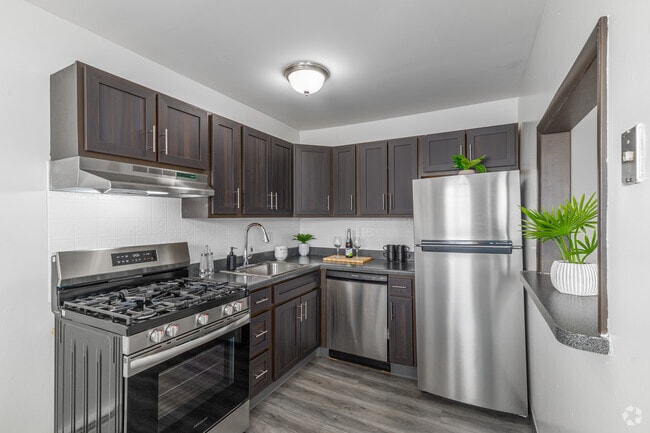
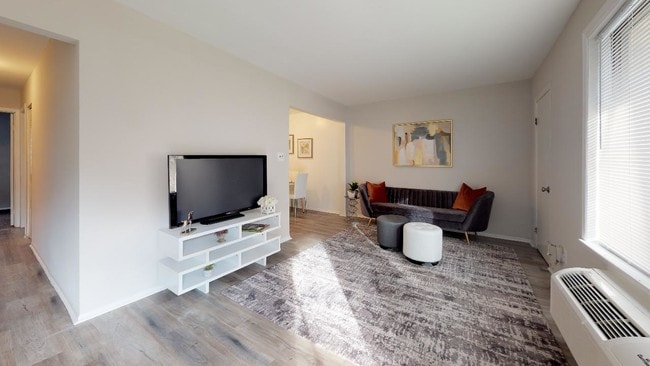
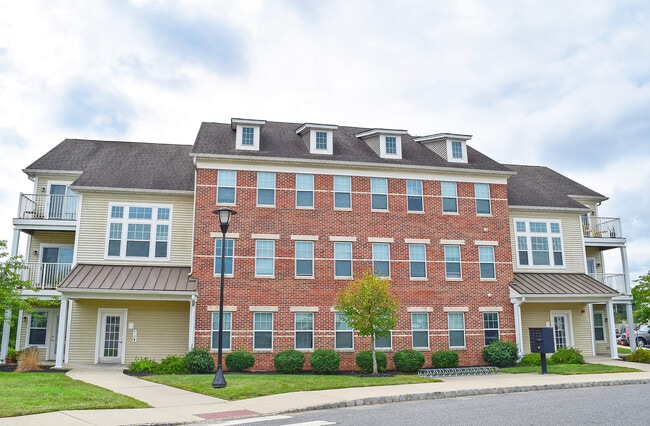
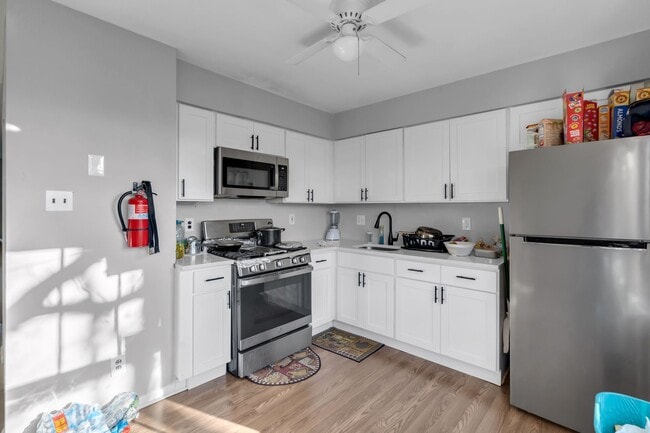
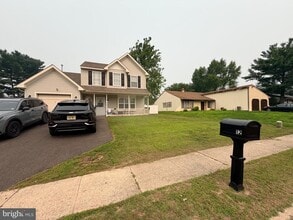
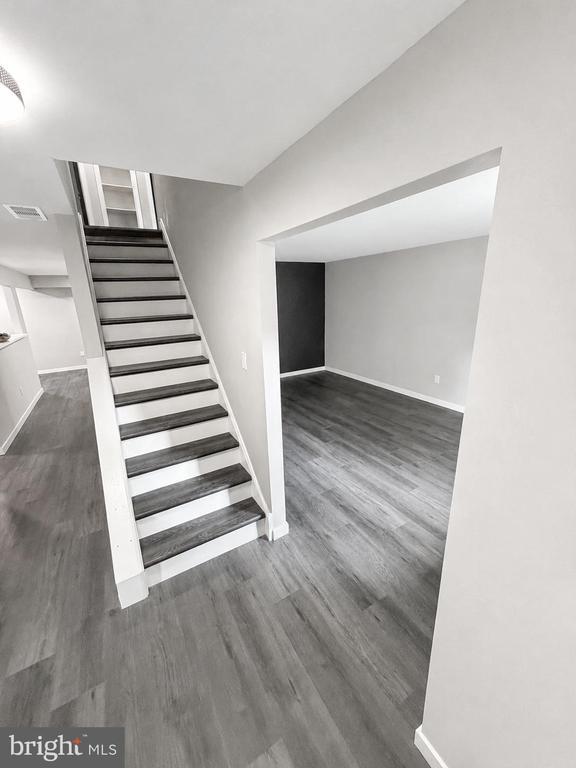
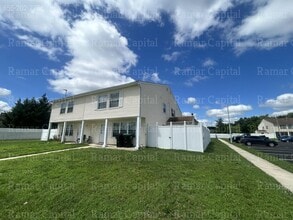
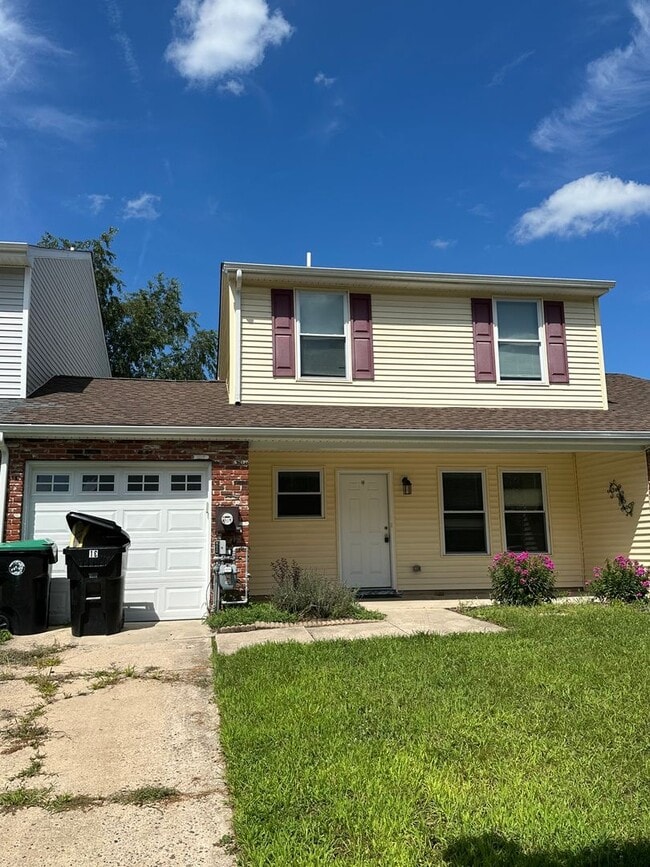
The housing stock here leans toward the accessible end of the spectrum, with single-family rentals and townhome-style apartment communities making up much of what is available. Renters will find that layouts tend to be spacious compared to what nearby metro areas offer, and the surrounding landscape of green corridors and wildlife management areas keeps things feeling open. Before European settlement, the area was home to the Lenni-Lenape people, who called it Squankum. That layered history adds a quiet depth to what might otherwise read as a straightforward South Jersey suburb worth a closer look.
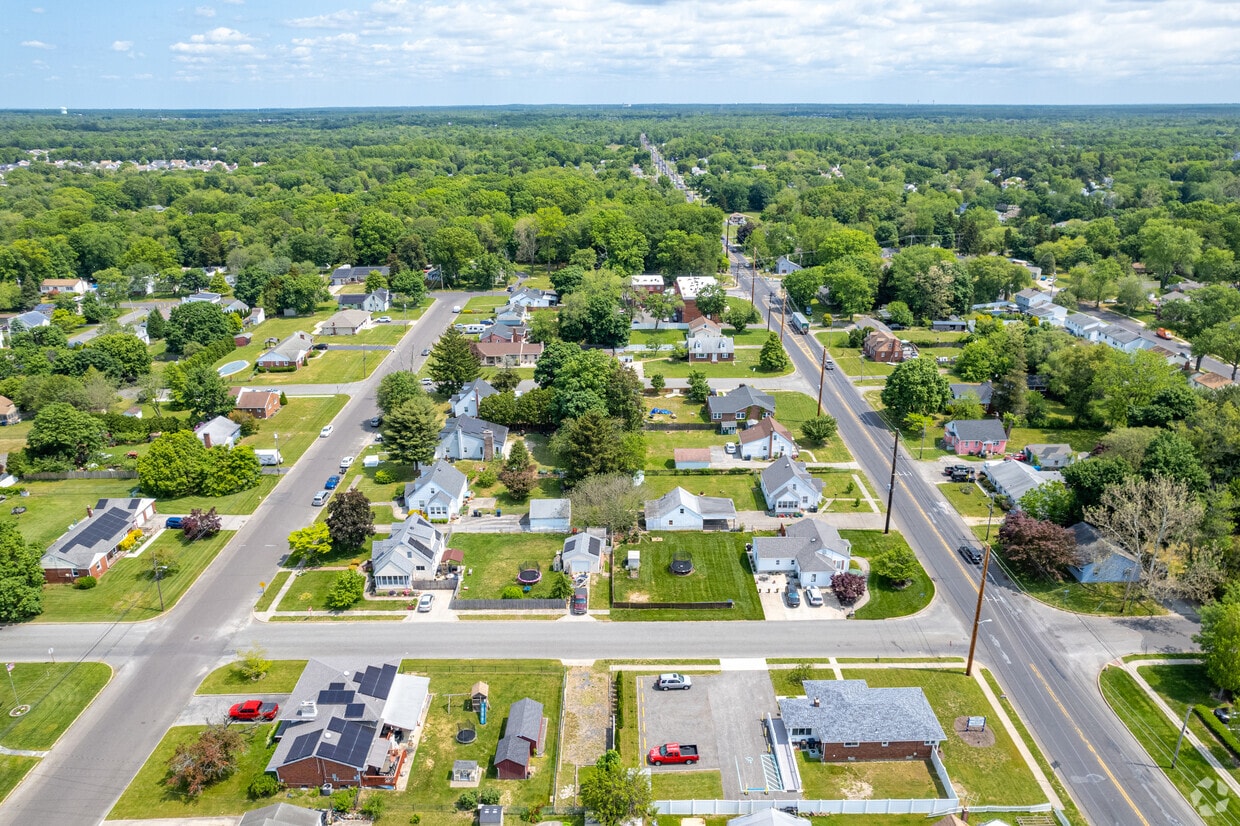
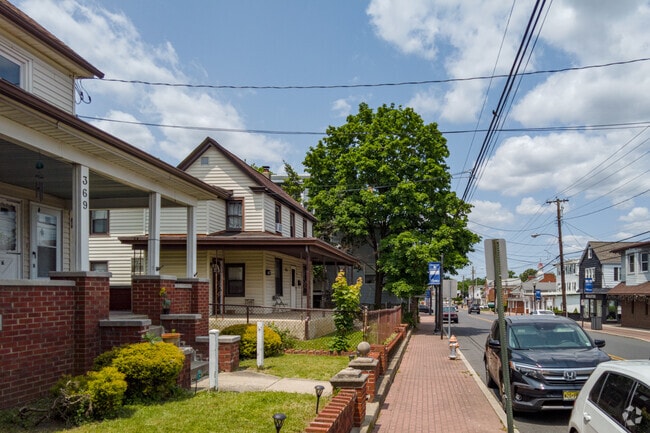
Williamstown offers walkable streets, parks, and community events.
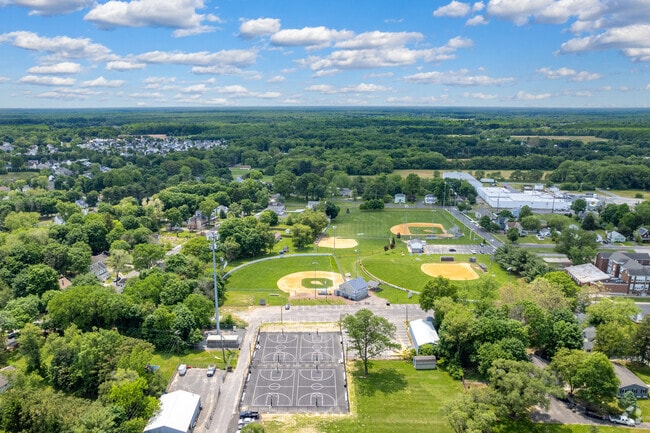
Aerial of the basketball courts and baseball fields at the Pfeiffer Community Center.
Labyrinth at the Williamstown Community Garden.
The Free Library and Reading Room–Williamstown Memorial Library was built in 1878.
Wooden trellis at the Organic Community Garden.
Williamstown Farmers Market and Village Shoppes feature local vendors Thursday–Saturday.
Median Household Income
$89,479
Average: $109,037
Education
3,313
Residents Have a Degree
Job Market
7,971
Workers Employed
Median Age
43 Years
Largest Age Group
45-54 Years
Approximately 13% of Residents
Under 20
23%
Over 65
21%
Housing Distribution
Williamstown has more homeowners than renters.

Education Distribution
Review this city's overall education levels.

As of September 2026, the average apartment rent in Williamstown, NJ is $841 for a studio, $1,641 for one bedroom, $2,088 for two bedrooms, and $2,405 for three bedrooms. Apartment rent in Williamstown has increased by 3.1% in the past year.
Explore how walkable, bikeable, drivable, and transit-friendly Williamstown, NJ is for everyday living.
Fairly Walkable
Walkability
Minimal Public Transit
Transit
Exceptionally Drivable
Drivability
Fairly Bikeable
Bikeability

Public
Grades K-2
 The GreatSchools Rating helps parents compare schools within a state based on a variety of school quality indicators and provides a helpful picture of how effectively each school serves all of its students. Ratings are on a scale of 1 (below average) to 10 (above average) and can include test scores, college readiness, academic progress, advanced courses, equity, discipline and attendance data. We also advise parents to visit schools, consider other information on school performance and programs, and consider family needs as part of the school selection process.
View GreatSchools Rating Methodology
Data provided by
GreatSchools.org
© 2026. All rights reserved.
The GreatSchools Rating helps parents compare schools within a state based on a variety of school quality indicators and provides a helpful picture of how effectively each school serves all of its students. Ratings are on a scale of 1 (below average) to 10 (above average) and can include test scores, college readiness, academic progress, advanced courses, equity, discipline and attendance data. We also advise parents to visit schools, consider other information on school performance and programs, and consider family needs as part of the school selection process.
View GreatSchools Rating Methodology
Data provided by
GreatSchools.org
© 2026. All rights reserved.
† Our analysis of utilities, groceries, transportation, healthcare, home prices, and other goods and services is sourced from the Cost of Living Index, a respected benchmark published by the Council for Community and Economic Research (C2ER) that provides a thorough overview of living expenses across different regions.
Rent data is provided by CoStar Group’s Market Trend reports. As the industry leader in commercial real estate information, analytics, and news, CoStar conducts extensive research to produce and maintain a comprehensive database of commercial real estate information. We combine this data with public record to provide the most up-to-date rental information available.
Consumer goods, services, and home prices are sourced from the Cost of Living Index published by the Council for Community and Economic Research (C2ER). The data on this page is updated quarterly. It was last published in September 2026.
Demographic information comes from Neustar and combines detailed address data with U.S. Census and American Community Survey statistics to produce reliable local estimates.