Background Image

Wayland, MI

Area Guide

Avg Rent

$1,090

Population

4,381

Renter Mix

34% Rent

Experience the small-town lifestyle with Grand Rapids at arm’s reach

Suburb Commuter Affordable

Wayland, Michigan sits about 20 miles south of Grand Rapids along U.S. Route 131, making it a well-connected small city in Allegan County. With a population of around 4,400, Wayland has a close-knit, small-town character centered on its Downtown district near the intersection of Main and Superior streets. If you are searching for apartments for rent in Wayland, you will find a rental market that reflects the city's mix of laid-back pace and practical convenience. Local spots like OpenRoad Brewery, Vibrant Grains Bakery, and Joe's Way Pizzeria give the downtown area a welcoming feel rooted in community.

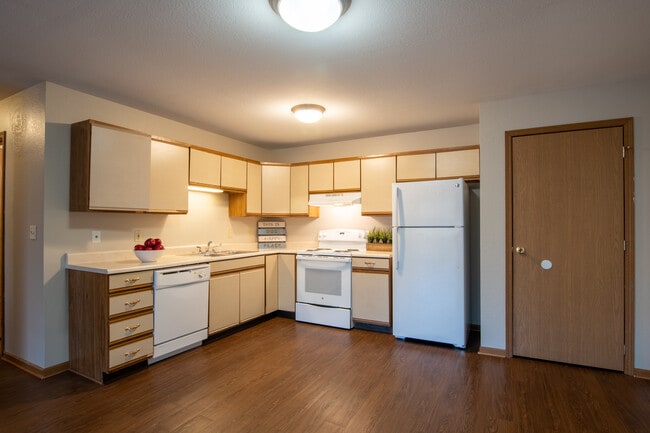
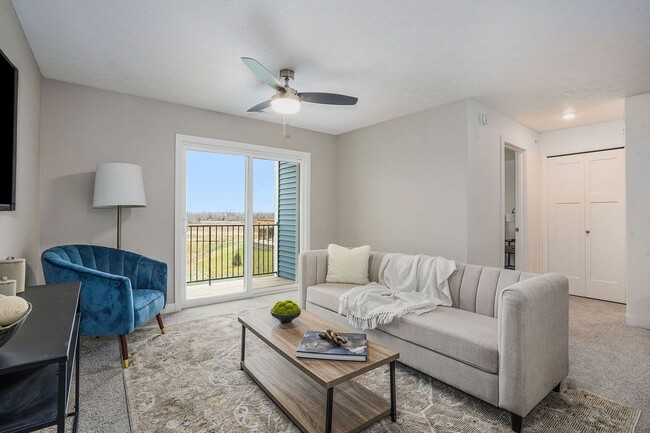
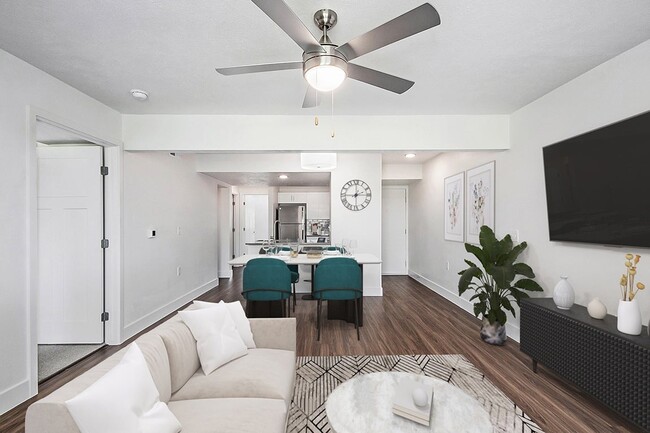
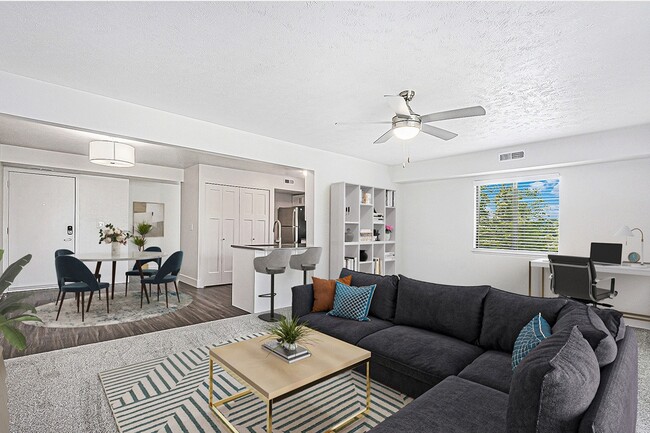
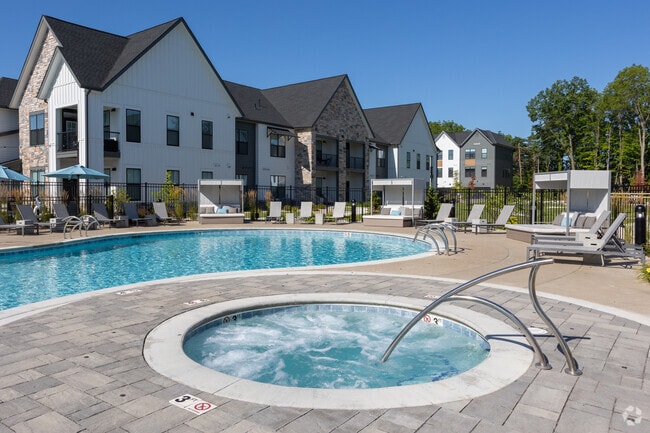
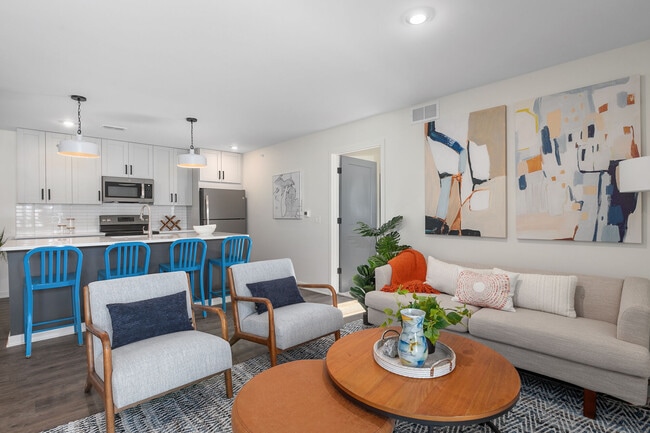
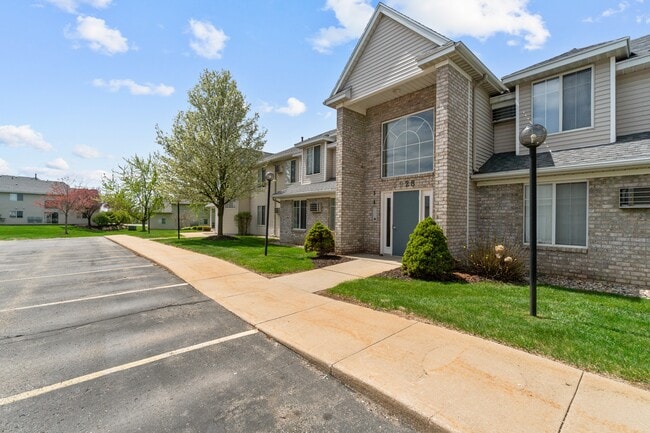
Renters in Wayland can choose from a range of housing options, including garden-style apartment communities, single-family homes, and townhomes on quiet, tree-lined streets. The city's compact size means most errands and daily needs are easy to reach. For outdoor recreation, Yankee Springs Recreation Area is about 10 miles away and offers hiking, fishing, and camping. Those who enjoy browsing local shops can head to Center Pointe Plaza or Hillcrest Mall, both within 10 miles. The Downtown district remains the social core of the city, where local dining and small businesses give renters a real sense of place.

Wayland's location along U.S. Route 131 makes it a practical base for commuters. Grand Rapids, home to major employers in healthcare, manufacturing, and business services, is roughly a 30-minute drive north. Gerald R. Ford International Airport is about 20 miles away, offering regional and national flight options. For those open to higher education nearby, institutions like Davenport University and Grand Rapids Community College are within 30 minutes. Whether you are drawn to the affordability, the small-town feel, or the easy access to a larger metro area, Wayland offers a grounded and convenient place to rent.

Demographics

Median Household Income

$66,600

Average: $70,268

Education

947

Residents Have a Degree

Job Market

2,297

Workers Employed

Age Distribution
Get a sense of this area's population profile.

Median Age

36 Years

Largest Age Group

30-39 Years

Approximately 15% of Residents

Under 20

28%

Over 65

16%

Housing Distribution

Wayland has more homeowners than renters.

Renters
34%
Non-Renters
66%

Education Distribution

Review this city's overall education levels.

Bachelor's or Higher
12%
Other Education
88%

Rent Trends

As of June 2026, the average apartment rent in Wayland, MI is $1,090 for one bedroom, $1,281 for two bedrooms, and $1,547 for three bedrooms. Apartment rent in Wayland has increased by 0.0% in the past year.

Property Type
Average Rent
Average Sq Ft
Apartment
$1,090/month
850 Sq Ft
See Rental Market Trends in Wayland, MI

Getting Around

Fairly Walkable

Walkability

40 / 100

Exceptionally Drivable

Drivability

100 / 100

Fairly Bikeable

Bikeability

50 / 100

Schools

Wayland Union Middle School

Public

Grades K-8

613 Students

Pine Street Elementary

Public

Grades K-5

371 Students

R.J. Steeby School

Public

Grades PK-5

251 Students

Bessie B. Baker School

Public

Grades PK-5

262 Students

Wayland Union Middle School

Public

Grades K-8

613 Students

Wayland High School

Public

Grades 9-12

792 Students

Points of Interest

Top Apartments in Wayland

Living in Wayland

History

-

Wayland's roots stretch back to the mid-1800s when settlers were drawn to the rolling farmland and waterways of western Michigan. The town developed around agriculture and small-scale manufacturing, establishing itself as a rural hub where residents could access goods and services without traveling to larger cities. Today, you'll find remnants of that heritage in the historic downtown buildings along Main Street, where 19th-century storefronts have been preserved and repurposed for local businesses and shops that give the community its characteristic small-town feel.

The town celebrates its agricultural past during annual events that bring residents together, while the Wayland Historical Museum offers a glimpse into the area's pioneer days through collections of photographs, artifacts, and stories from early settlers. The downtown area maintains much of its original layout, and many homes in the surrounding neighborhoods reflect classic Midwestern architectural styles from the late 1800s and early 1900s. This preserved character creates a welcoming atmosphere for those seeking a quieter pace of life while staying connected to the area's longstanding traditions.

Restaurants

-

Wayland's dining scene reflects its small-town charm. Downtown Wayland features classic diners and pizzerias where residents gather for hearty breakfasts and weeknight dinners, while local cafes provide cozy spots for coffee and conversation. The area's restaurants emphasize comfort food and Midwestern hospitality, with several establishments serving homestyle cooking, burgers, and pizza. Seasonal farm-to-table options appear at local eateries that source ingredients from nearby farms in Allegan County. For those seeking variety, nearby cities like Grand Rapids expand dining possibilities with extensive ethnic cuisine, craft breweries, and contemporary restaurants, making it easy for Wayland residents to enjoy both hometown spots and big-city culinary experiences.

Transportation

-

Wayland offers a small-town transportation experience centered around personal vehicles, with easy access to major regional routes. US-131 runs just east of the city, providing direct connections north to Grand Rapids, approximately 25 miles away, and south toward Kalamazoo, about 30 miles distant. M-222 is the primary route through downtown Wayland, connecting residents to neighboring communities throughout Allegan County. The rural nature of the area makes a car essential for daily errands, commuting, and accessing employment centers in the surrounding region.

Public transportation options are limited in Wayland, reflecting its small-town character. The nearest comprehensive transit system is The Rapid, based in Grand Rapids, which serves the greater metropolitan area. Gerald R. Ford International Airport, located in Grand Rapids, is the closest commercial airport, offering flights to major hubs across the country. For those who enjoy cycling, the quiet rural roads around Wayland provide scenic routes, though dedicated bike lanes within the city are minimal. The community's compact downtown area allows for some walkability to local shops and services, though most daily activities require driving.

Parks

-

Wayland offers residents a welcoming mix of outdoor spaces that reflect the community's connection to rural Michigan living. Wayland City Park provides a central hub for outdoor activities with playground equipment, sports fields, and picnic areas that accommodate community events and casual weekend outings. The nearby Rabbit River winds through the region, offering opportunities for fishing, canoeing, and nature observation along its scenic banks. Local trails and green spaces invite walking, jogging, and cycling, particularly during the warmer months when the landscape showcases the area's natural beauty.

Seasonal activities play an important role in the community's outdoor culture. Residents often gather for youth sports leagues, summer concerts, and holiday celebrations held in park settings. The Gun Lake area, located just a short drive away, expands recreational options with boating, swimming, and beach access that draw locals during summer weekends. These outdoor amenities contribute to Wayland's small-town character while providing accessible spaces for exercise, relaxation, and community connection throughout all seasons.

Cost

-

Wayland offers a cost of living that tends to be lower than many metropolitan areas in Michigan, making it an attractive option for those seeking small-town affordability. The community provides a mix of housing options, from single-family homes to apartment rentals, with prices generally reflecting the rural character of Allegan County. While specific rental data for Wayland fluctuates based on unit size and amenities, residents typically find apartment costs more budget-friendly compared to Grand Rapids and other larger cities in the region. The overall cost of living, including groceries, utilities, and everyday expenses, remains moderate and accessible. The combination of reasonable housing costs and a quieter pace of life contributes to Wayland's appeal as a community where residents can stretch their budgets while enjoying proximity to both natural landscapes and urban conveniences within a reasonable commute.

Shopping

-

Wayland offers a welcoming small-town shopping experience centered around its historic downtown district along Main Street. Local favorites include family-owned businesses, antique shops, and specialty stores that reflect the community's character. The Wayland Area Farmers Market operates seasonally, bringing fresh produce, baked goods, and handcrafted items from local vendors to residents throughout the warmer months. Several locally owned gift shops and boutiques provide unique finds that larger chain stores don't offer.

For broader retail needs, residents have access to convenience stores, hardware shops, and grocery options within the city limits. The nearby cities of Grand Rapids and Kalamazoo, both within a 30-minute drive, provide access to larger shopping centers, big-box retailers, and expansive mall experiences at Woodland Mall and Centerpointe Mall. This combination of hometown charm and regional accessibility makes Wayland an appealing base for those who appreciate local shopping while maintaining convenient access to comprehensive retail options.

Search Nearby Rentals

Methodology

† Our analysis of utilities, groceries, transportation, healthcare, home prices, and other goods and services is sourced from the Cost of Living Index, a respected benchmark published by the Council for Community and Economic Research (C2ER) that provides a thorough overview of living expenses across different regions.

Rent data is provided by CoStar Group’s Market Trend reports. As the industry leader in commercial real estate information, analytics, and news, CoStar conducts extensive research to produce and maintain a comprehensive database of commercial real estate information. We combine this data with public record to provide the most up-to-date rental information available.

Consumer goods, services, and home prices are sourced from the Cost of Living Index published by the Council for Community and Economic Research (C2ER). The data on this page is updated quarterly. It was last published in June 2026.

Demographic information comes from Neustar and combines detailed address data with U.S. Census and American Community Survey statistics to produce reliable local estimates.