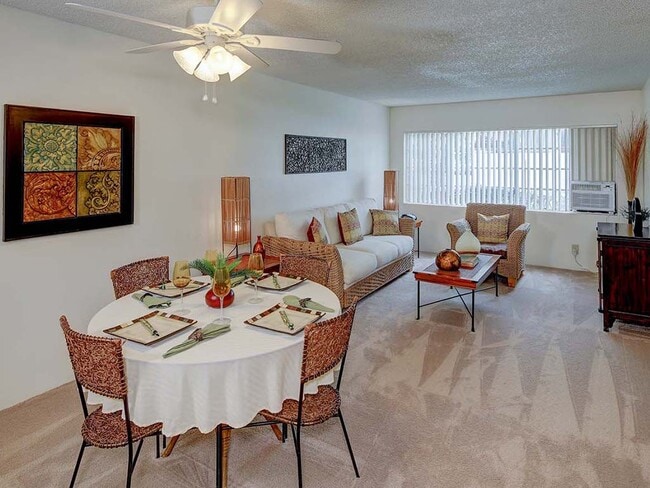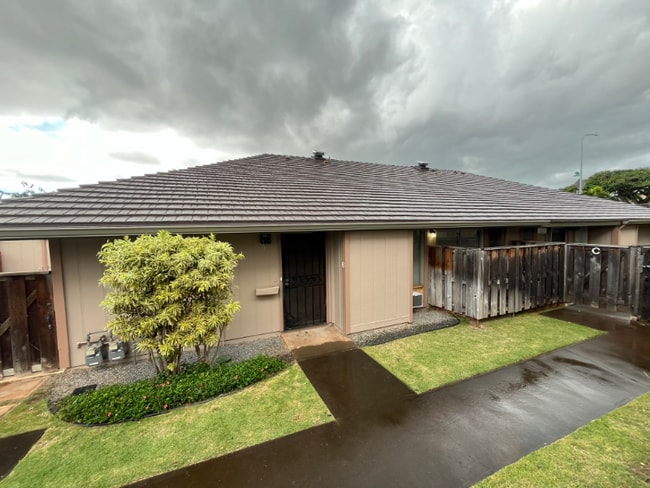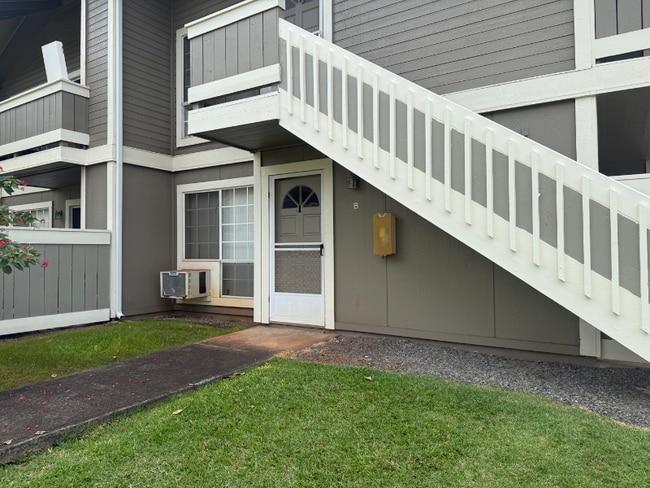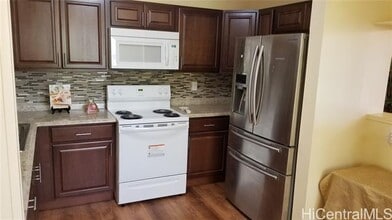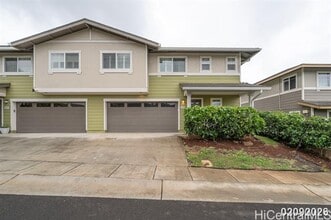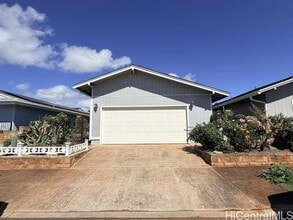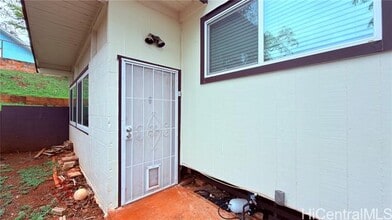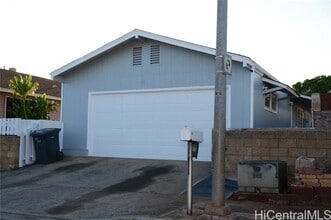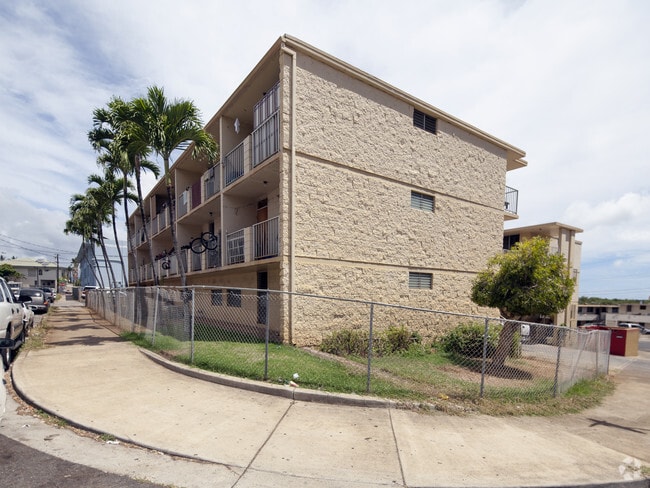
Dynasty Terrace
94-123 Pupunohe St,
Waipahu, HI 96797
$1,695 - $1,850
1-2 Beds


Waipahu sits about 15 miles west of Honolulu on the island of Oahu, carrying a deep history that stretches back to the days when Hawaiian royalty gathered here to drink from its famous artesian spring. The name itself tells that story: wai means water and pahu means burst, a nod to the natural spring that once drew the Kingdom of Hawaii's ruling class to this corner of the Ewa District. Today, Waipahu is a densely settled census-designated place with a strong local identity shaped by its plantation-era past. Hawaii's Plantation Village, an outdoor museum preserving original and replica homes from the sugarcane era, stands as one of the most grounded historical sites on all of Oahu. The community occupies just three square miles, yet it holds real neighborhood variety, from quieter residential streets near Waikele to the more active corridors along Farrington Highway. The rental landscape reflects that range, with duplexes, townhomes, and apartment communities offering options across different layouts and sizes. Compared to Honolulu proper, Waipahu tends to be more accessible for renters without sacrificing the island setting, warm climate, or proximity to beaches and Daniel K. Inouye International Airport, roughly 10 miles away.
As of April 2026, the average apartment rent in Waipahu, HI is $1,035 for a studio, $2,050 for one bedroom, $2,427 for two bedrooms, and $3,060 for three bedrooms. Apartment rent in Waipahu has increased by 9.2% in the past year.
Explore how walkable, bikeable, drivable, and transit-friendly Waipahu, HI is for everyday living.
Fairly Walkable
Walkability
Good Public Transit
Transit
Very Drivable
Drivability
Somewhat Bikeable
Bikeability

Public
Grades PK-5
733 Students

Public
Grades PK-5
496 Students

Public
Grades K-12
1,403 Students

August Ahrens Elementary School
Public
Grades PK-5
1,187 Students
Public
Grades PK-5
772 Students
Public
Grades K-12
1,403 Students
Public
Grades 6-8
1,084 Students
Public
Grades 9-12
2,661 Students

Public
Grades K-12
1,403 Students
 The GreatSchools Rating helps parents compare schools within a state based on a variety of school quality indicators and provides a helpful picture of how effectively each school serves all of its students. Ratings are on a scale of 1 (below average) to 10 (above average) and can include test scores, college readiness, academic progress, advanced courses, equity, discipline and attendance data. We also advise parents to visit schools, consider other information on school performance and programs, and consider family needs as part of the school selection process.
View GreatSchools Rating Methodology
Data provided by
GreatSchools.org
© 2026. All rights reserved.
The GreatSchools Rating helps parents compare schools within a state based on a variety of school quality indicators and provides a helpful picture of how effectively each school serves all of its students. Ratings are on a scale of 1 (below average) to 10 (above average) and can include test scores, college readiness, academic progress, advanced courses, equity, discipline and attendance data. We also advise parents to visit schools, consider other information on school performance and programs, and consider family needs as part of the school selection process.
View GreatSchools Rating Methodology
Data provided by
GreatSchools.org
© 2026. All rights reserved.
† Our analysis of utilities, groceries, transportation, healthcare, home prices, and other goods and services is sourced from the Cost of Living Index, a respected benchmark published by the Council for Community and Economic Research (C2ER) that provides a thorough overview of living expenses across different regions.
Rent data is provided by CoStar Group’s Market Trend reports. As the industry leader in commercial real estate information, analytics, and news, CoStar conducts extensive research to produce and maintain a comprehensive database of commercial real estate information. We combine this data with public record to provide the most up-to-date rental information available.
Consumer goods, services, and home prices are sourced from the Cost of Living Index published by the Council for Community and Economic Research (C2ER). The data on this page is updated quarterly. It was last published in February 2026.
Demographic information comes from Neustar and combines detailed address data with U.S. Census and American Community Survey statistics to produce reliable local estimates.