Median Age
45 Years
Largest Age Group
35-44 Years
Approximately 12% of Residents
Under 20
21%
Over 65
27%
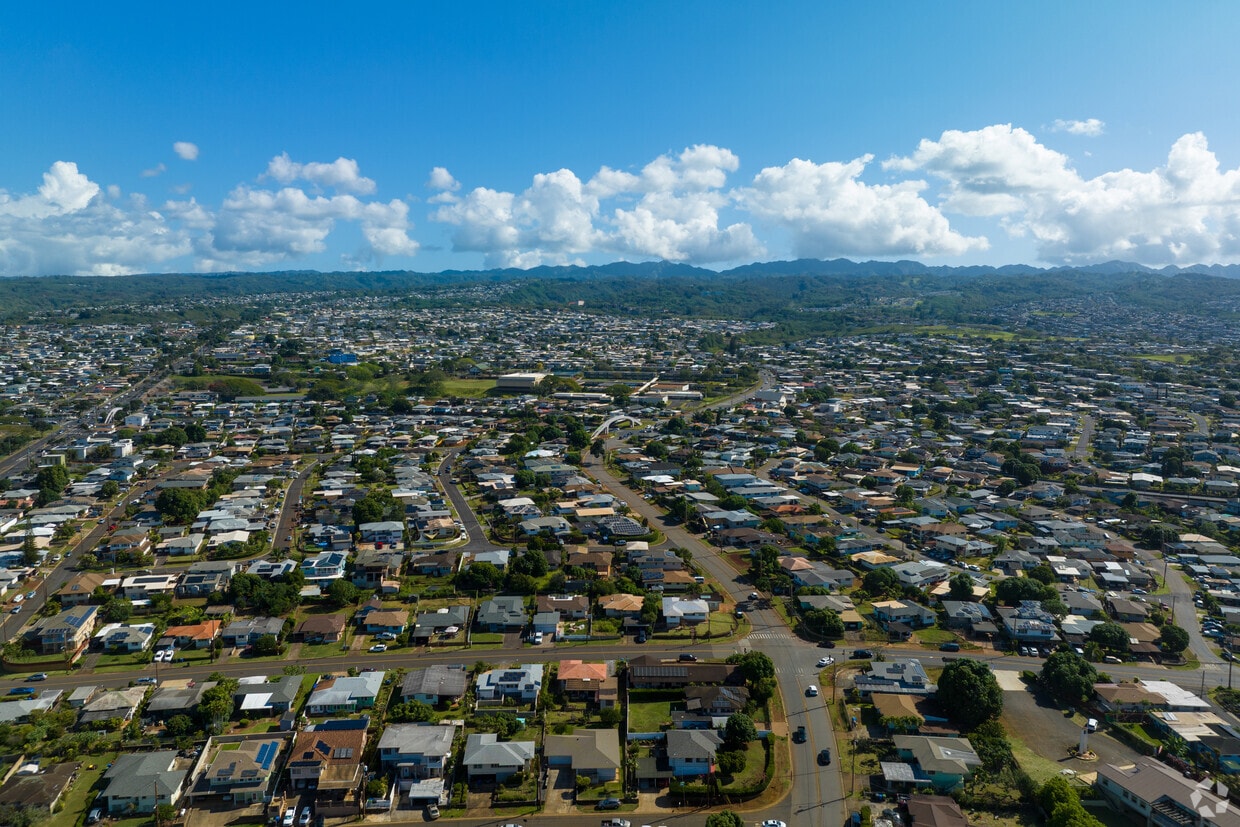
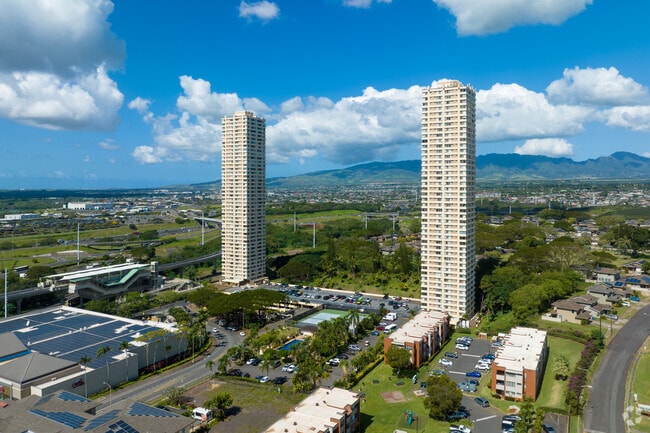
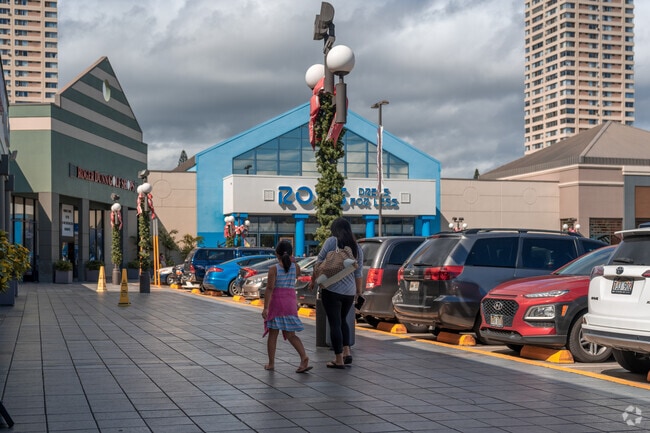
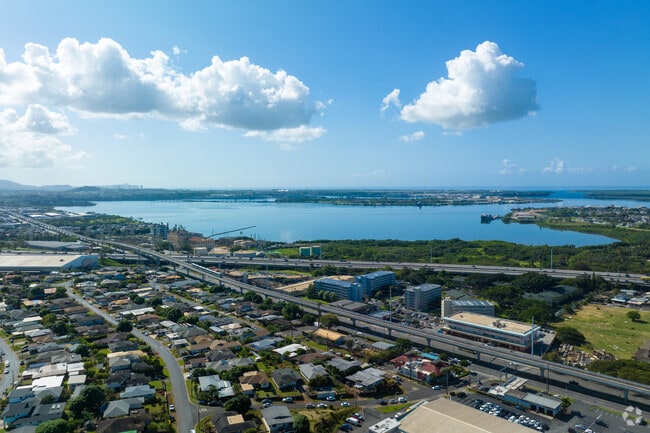
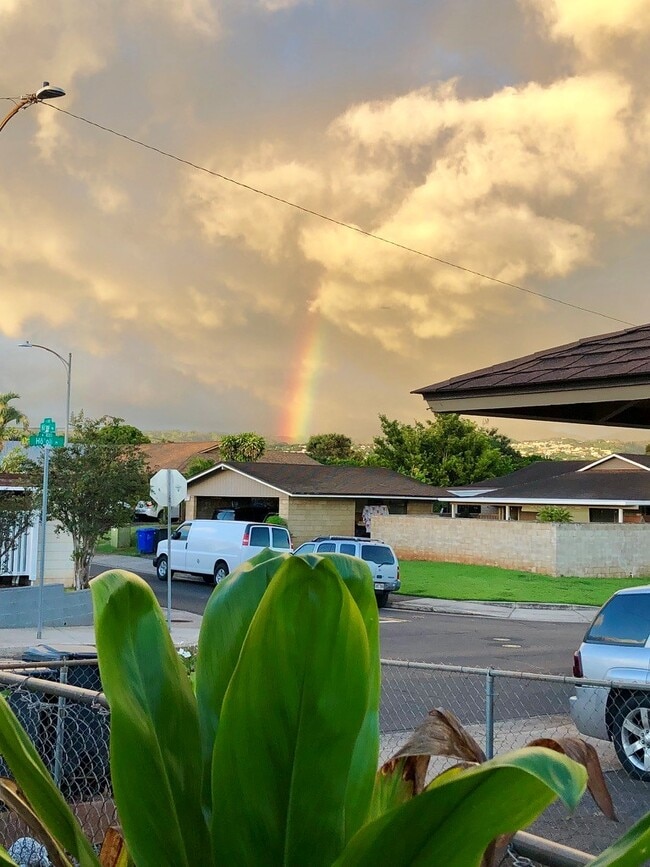
Pearl City sits along the north shore of Pearl Harbor, about ten miles northwest of Downtown Honolulu, where the foothills of the Koolau Range begin to rise behind quiet residential streets. The community occupies a central position on Oahu, placing residents within a short drive of Joint Base Pearl Harbor-Hickam and Wheeler Army Air Field, two of the island's largest employers. Leeward Community College is just minutes away, and the broader Honolulu metro, including the University of Hawaii system, is easily accessible. Daily life here runs at a noticeably calmer pace than in the city core, with Kamehameha Highway anchoring a busy commercial corridor to the south while tree-lined neighborhoods stretch northward toward the mountains. Areas like Waimalu and Aiea blend seamlessly into Pearl City's edges, giving the broader community a connected, unhurried feel.
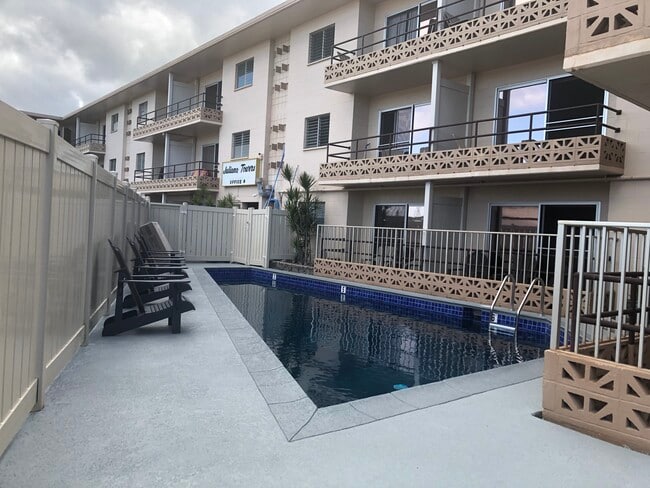
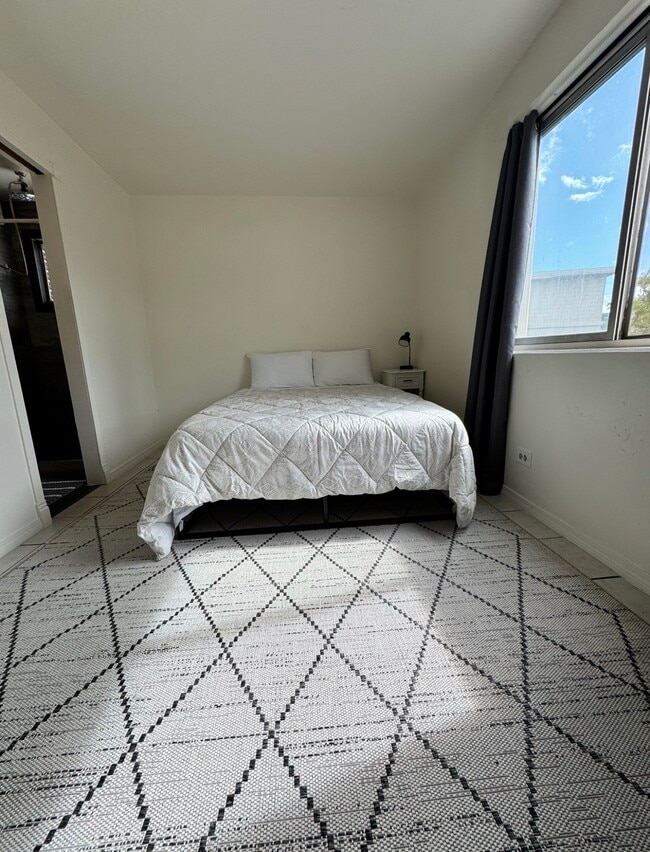
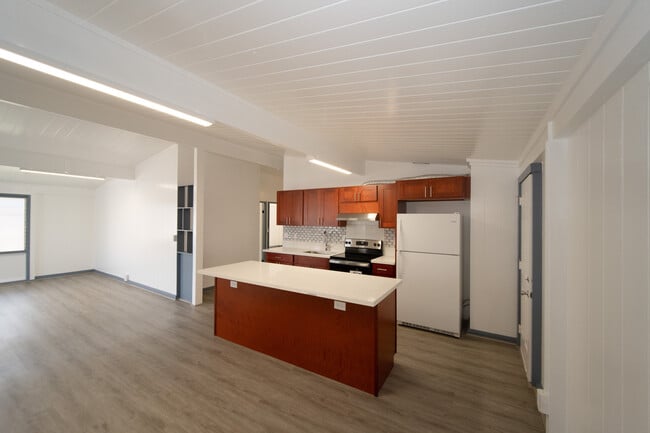
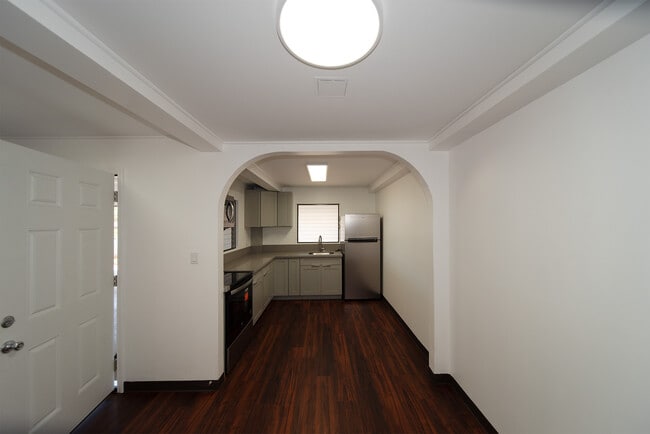
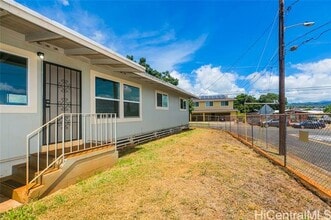
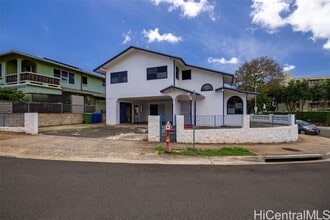
The rental landscape in Pearl City leans toward single-family-style living, with townhome communities and low-rise apartment communities making up much of the available housing stock. Some newer developments offer more contemporary layouts, though the overall character stays grounded in suburban Hawaii architecture. Lots for the original Pearl City went on sale in 1889 following the completion of Benjamin Dillingham's Oahu Railway, making this one of Oahu's earliest planned communities and a place where history quietly runs beneath everyday island life.
Pearl City is a thriving community on the island of Oahu.
Pearl City is just a highway away from Middle and East Lochs.
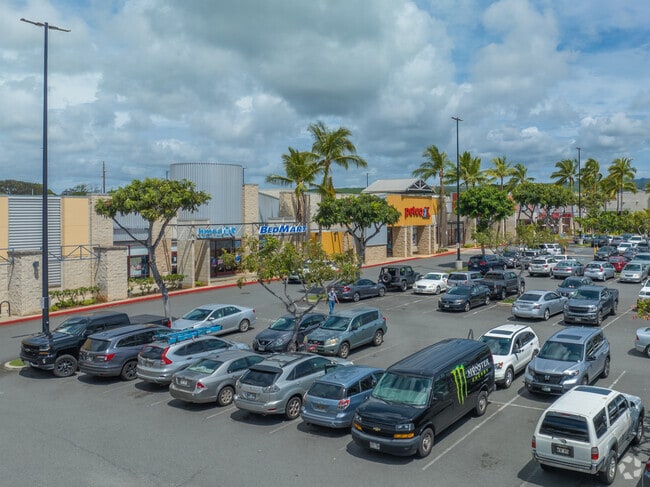
There are many places to shop in Pearl City.
Pearl City Shopping Center contains all the shops and restaurants locals could need.
Pearl City District Park has plenty of fields for recreation.
Pearl City has compact roads, lined with buildings.
Median Household Income
$110,223
Average: $133,439
Education
12,516
Residents Have a Degree
Job Market
19,312
Workers Employed
Median Age
45 Years
Largest Age Group
35-44 Years
Approximately 12% of Residents
Under 20
21%
Over 65
27%
Housing Distribution
Pearl City has more homeowners than renters.

Education Distribution
Review this city's overall education levels.

Explore how walkable, bikeable, drivable, and transit-friendly Pearl City, HI is for everyday living.
Fairly Walkable
Walkability
Some Public Transit
Transit
Exceptionally Drivable
Drivability
Somewhat Bikeable
Bikeability

Public
Grades PK-5
412 Students

Public
Grades PK-5
356 Students
Public
Grades PK-5
396 Students

Public
Grades PK-5
515 Students

Public
Grades PK-5
498 Students
Public
Grades 6-8
824 Students

Public
Grades 9-12
1,481 Students

 The GreatSchools Rating helps parents compare schools within a state based on a variety of school quality indicators and provides a helpful picture of how effectively each school serves all of its students. Ratings are on a scale of 1 (below average) to 10 (above average) and can include test scores, college readiness, academic progress, advanced courses, equity, discipline and attendance data. We also advise parents to visit schools, consider other information on school performance and programs, and consider family needs as part of the school selection process.
View GreatSchools Rating Methodology
Data provided by
GreatSchools.org
© 2026. All rights reserved.
The GreatSchools Rating helps parents compare schools within a state based on a variety of school quality indicators and provides a helpful picture of how effectively each school serves all of its students. Ratings are on a scale of 1 (below average) to 10 (above average) and can include test scores, college readiness, academic progress, advanced courses, equity, discipline and attendance data. We also advise parents to visit schools, consider other information on school performance and programs, and consider family needs as part of the school selection process.
View GreatSchools Rating Methodology
Data provided by
GreatSchools.org
© 2026. All rights reserved.
† Our analysis of utilities, groceries, transportation, healthcare, home prices, and other goods and services is sourced from the Cost of Living Index, a respected benchmark published by the Council for Community and Economic Research (C2ER) that provides a thorough overview of living expenses across different regions.
Rent data is provided by CoStar Group’s Market Trend reports. As the industry leader in commercial real estate information, analytics, and news, CoStar conducts extensive research to produce and maintain a comprehensive database of commercial real estate information. We combine this data with public record to provide the most up-to-date rental information available.
Consumer goods, services, and home prices are sourced from the Cost of Living Index published by the Council for Community and Economic Research (C2ER). The data on this page is updated quarterly. It was last published in September 2026.
Demographic information comes from Neustar and combines detailed address data with U.S. Census and American Community Survey statistics to produce reliable local estimates.