Median Age
40 Years
Largest Age Group
35-44 Years
Approximately 14% of Residents
Under 20
24%
Over 65
19%

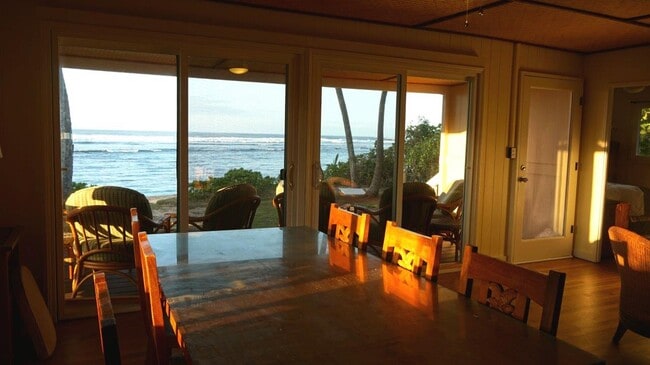
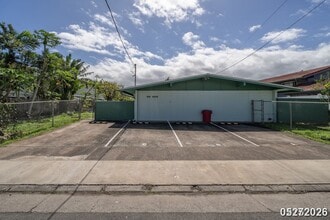
Waialua sits quietly on the North Shore of Oahu, carrying the bones of a plantation past while settling comfortably into a laid-back coastal identity all its own. Located about an hour northwest of Honolulu, this small census-designated community covers roughly three square miles and feels deliberately unhurried, a contrast to the busier tourist corridors found elsewhere on the island. The historic Waialua Sugar Mill still anchors the town center, and its repurposed industrial buildings now house locally owned shops and small businesses that give the area a grounded, community-driven character.
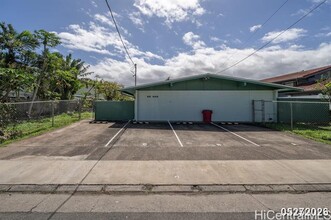
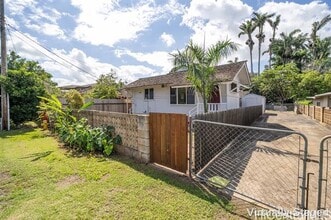
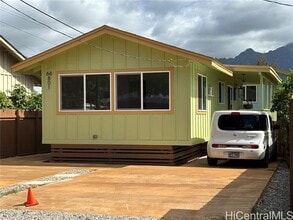
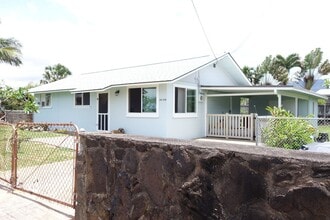
Waialua draws renters who want genuine North Shore living without the foot traffic that comes with nearby Haleiwa, which offers a fuller commercial district just minutes away. Schofield Barracks is also close, making the area a practical choice for those connected to the military. Housing here leans toward single-family rentals, plantation-era cottages, and smaller apartment communities that reflect the town's modest scale and agricultural roots. High-rise towers are not part of the landscape. Waialua was one of the six original moku, or districts, of ancient Hawaii on Oahu, a history that adds quiet depth to what might otherwise look like a simple beachside town.
Median Household Income
$82,684
Average: $92,119
Education
705
Residents Have a Degree
Job Market
1,312
Workers Employed
Median Age
40 Years
Largest Age Group
35-44 Years
Approximately 14% of Residents
Under 20
24%
Over 65
19%
Housing Distribution
Waialua has more homeowners than renters.

Education Distribution
Review this city's overall education levels.

Explore how walkable, bikeable, drivable, and transit-friendly Waialua, HI is for everyday living.
Somewhat Walkable
Walkability
Limited Public Transit
Transit
Exceptionally Drivable
Drivability
Fairly Bikeable
Bikeability

Public
Grades PK-5
413 Students

Waialua High & Intermediate School
Public
Grades 6-12
574 Students

Waialua High & Intermediate School
Public
Grades 6-12
574 Students
 The GreatSchools Rating helps parents compare schools within a state based on a variety of school quality indicators and provides a helpful picture of how effectively each school serves all of its students. Ratings are on a scale of 1 (below average) to 10 (above average) and can include test scores, college readiness, academic progress, advanced courses, equity, discipline and attendance data. We also advise parents to visit schools, consider other information on school performance and programs, and consider family needs as part of the school selection process.
View GreatSchools Rating Methodology
Data provided by
GreatSchools.org
© 2026. All rights reserved.
The GreatSchools Rating helps parents compare schools within a state based on a variety of school quality indicators and provides a helpful picture of how effectively each school serves all of its students. Ratings are on a scale of 1 (below average) to 10 (above average) and can include test scores, college readiness, academic progress, advanced courses, equity, discipline and attendance data. We also advise parents to visit schools, consider other information on school performance and programs, and consider family needs as part of the school selection process.
View GreatSchools Rating Methodology
Data provided by
GreatSchools.org
© 2026. All rights reserved.
† Our analysis of utilities, groceries, transportation, healthcare, home prices, and other goods and services is sourced from the Cost of Living Index, a respected benchmark published by the Council for Community and Economic Research (C2ER) that provides a thorough overview of living expenses across different regions.
Rent data is provided by CoStar Group’s Market Trend reports. As the industry leader in commercial real estate information, analytics, and news, CoStar conducts extensive research to produce and maintain a comprehensive database of commercial real estate information. We combine this data with public record to provide the most up-to-date rental information available.
Consumer goods, services, and home prices are sourced from the Cost of Living Index published by the Council for Community and Economic Research (C2ER). The data on this page is updated quarterly. It was last published in September 2026.
Demographic information comes from Neustar and combines detailed address data with U.S. Census and American Community Survey statistics to produce reliable local estimates.