Median Age
29 Years
Largest Age Group
20-29 Years
Approximately 31% of Residents
Under 20
23%
Over 65
14%

Sitting about 12 miles northwest of Center City, Villanova occupies a prime stretch of Philadelphia's Main Line, where grand tree-lined streets and a walkable village center set a quiet suburban pace. The intersection of Lancaster Avenue and Spring Mill Road anchors daily life, with shops, commuter connections, and green spaces all within easy reach. Nearby Bryn Mawr and Wayne extend the social fabric outward, while Villanova University gives the area a steady pulse of energy.
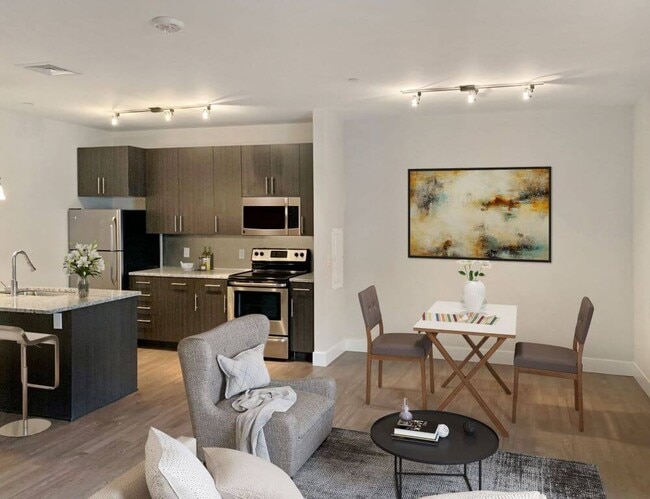
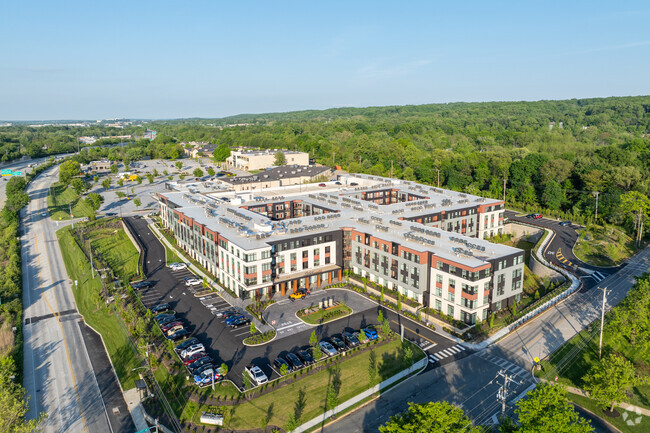
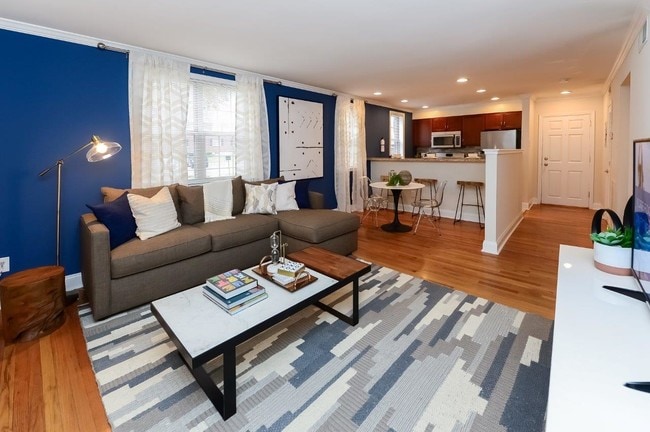
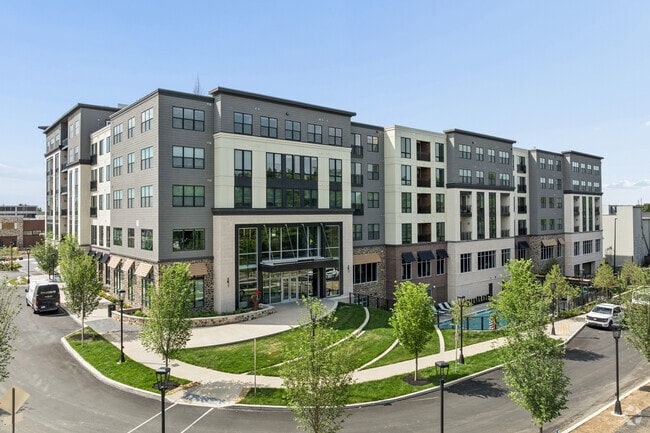
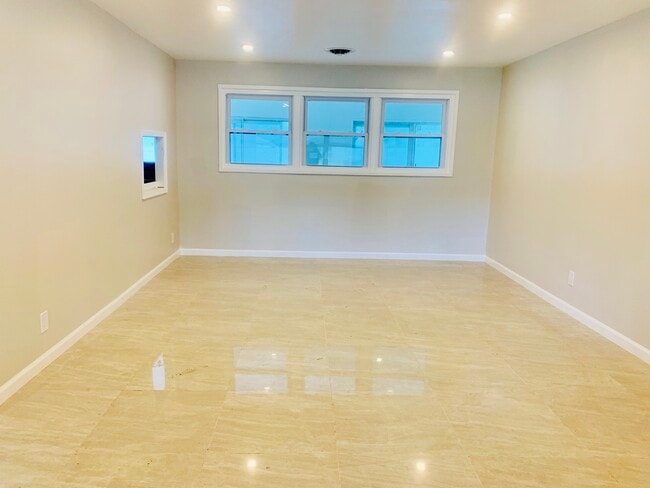
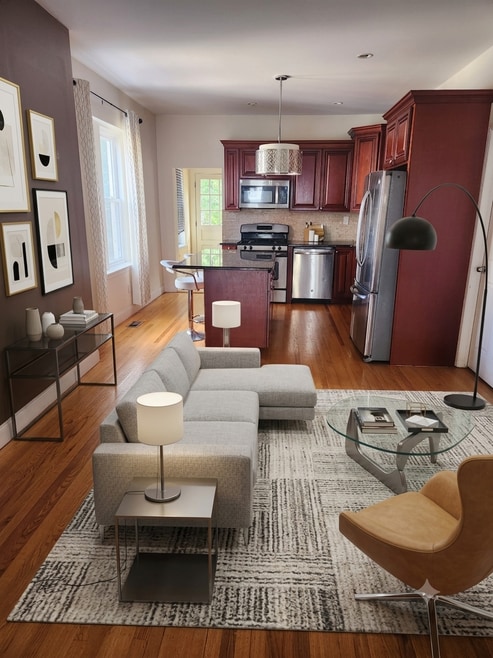
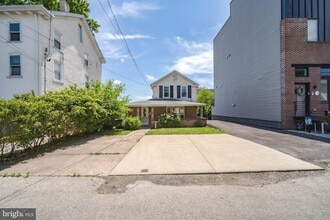
Rental options here tend toward townhomes, traditional colonials, and split-level homes that reflect the area's historic character. A smaller number of apartment communities offer more compact living within this largely residential setting, and the architecture leans toward classic details -- tall columns, grand entryways, and mature landscaping.
Founded in 1842 by the Order of Saint Augustine, Villanova University is the community's most prominent institutional anchor, drawing attention well beyond the region and claiming NCAA basketball championships. Bryn Mawr College and Eastern University are also close by, reinforcing the area's academic sector.
Median Household Income
$245,476
Average: $237,927
Education
4,774
Residents Have a Degree
Job Market
3,910
Workers Employed
Median Age
29 Years
Largest Age Group
20-29 Years
Approximately 31% of Residents
Under 20
23%
Over 65
14%
Housing Distribution
Villanova has more homeowners than renters.

Education Distribution
Review this city's overall education levels.

Explore how walkable, bikeable, drivable, and transit-friendly Villanova, PA is for everyday living.
Fairly Walkable
Walkability
Good Public Transit
Transit
Exceptionally Drivable
Drivability
Somewhat Bikeable
Bikeability

Public
Grades K-8
1,077 Students

Public
Grades K-8
1,077 Students
 The GreatSchools Rating helps parents compare schools within a state based on a variety of school quality indicators and provides a helpful picture of how effectively each school serves all of its students. Ratings are on a scale of 1 (below average) to 10 (above average) and can include test scores, college readiness, academic progress, advanced courses, equity, discipline and attendance data. We also advise parents to visit schools, consider other information on school performance and programs, and consider family needs as part of the school selection process.
View GreatSchools Rating Methodology
Data provided by
GreatSchools.org
© 2026. All rights reserved.
The GreatSchools Rating helps parents compare schools within a state based on a variety of school quality indicators and provides a helpful picture of how effectively each school serves all of its students. Ratings are on a scale of 1 (below average) to 10 (above average) and can include test scores, college readiness, academic progress, advanced courses, equity, discipline and attendance data. We also advise parents to visit schools, consider other information on school performance and programs, and consider family needs as part of the school selection process.
View GreatSchools Rating Methodology
Data provided by
GreatSchools.org
© 2026. All rights reserved.
† Our analysis of utilities, groceries, transportation, healthcare, home prices, and other goods and services is sourced from the Cost of Living Index, a respected benchmark published by the Council for Community and Economic Research (C2ER) that provides a thorough overview of living expenses across different regions.
Rent data is provided by CoStar Group’s Market Trend reports. As the industry leader in commercial real estate information, analytics, and news, CoStar conducts extensive research to produce and maintain a comprehensive database of commercial real estate information. We combine this data with public record to provide the most up-to-date rental information available.
Consumer goods, services, and home prices are sourced from the Cost of Living Index published by the Council for Community and Economic Research (C2ER). The data on this page is updated quarterly. It was last published in June 2026.
Demographic information comes from Neustar and combines detailed address data with U.S. Census and American Community Survey statistics to produce reliable local estimates.