Median Age
43 Years
Largest Age Group
45-54 Years
Approximately 15% of Residents
Under 20
24%
Over 65
18%



Avg Rent
$2,085
Population
27,535
Renter Mix
33% Rent
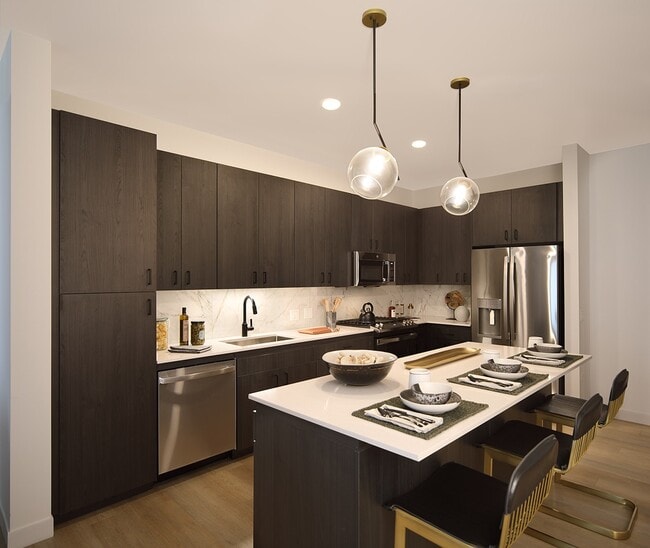
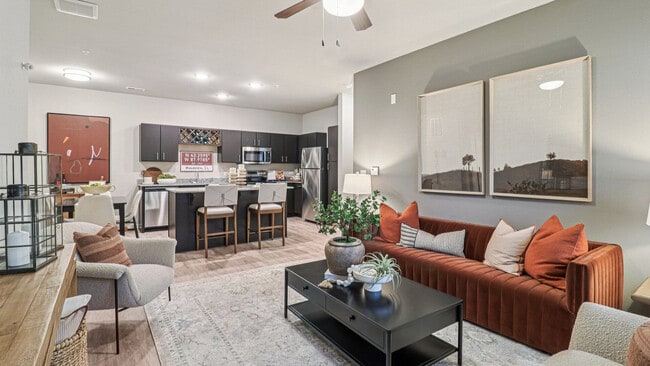
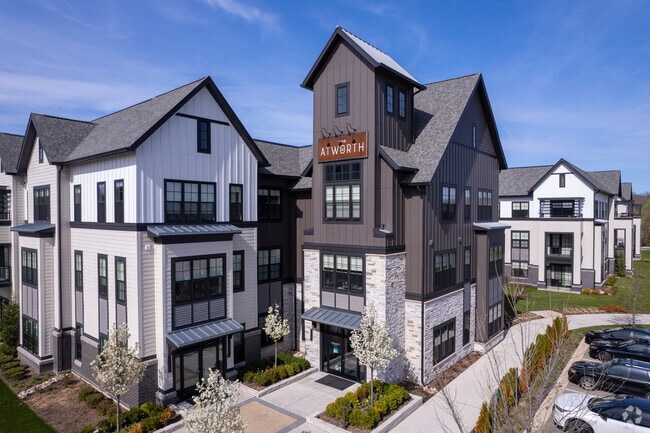
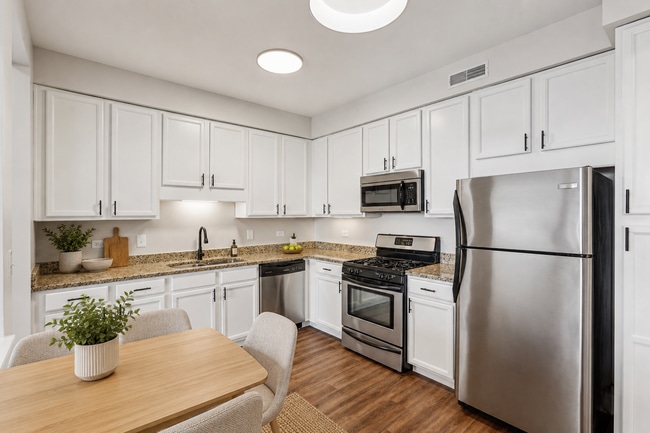
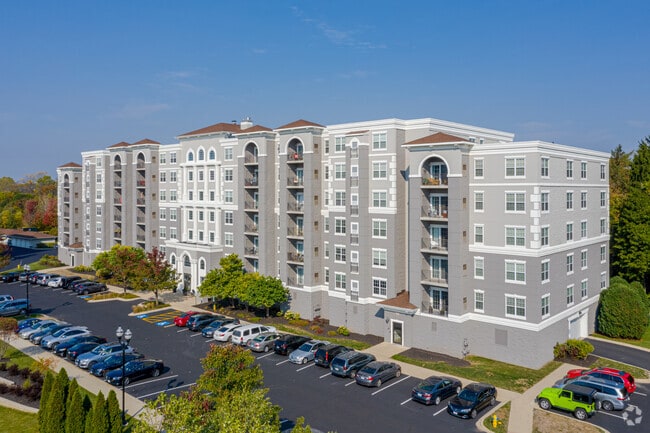
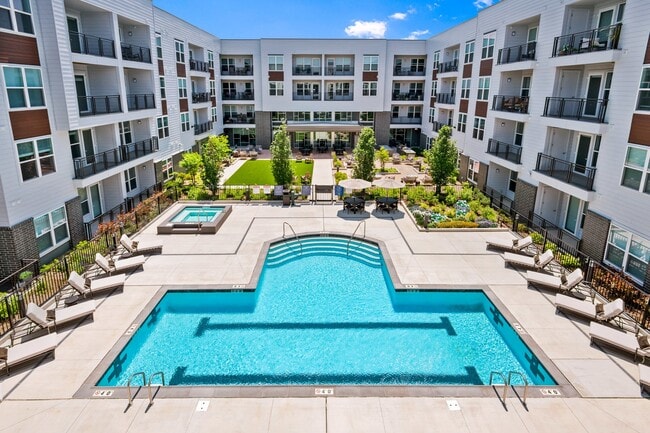
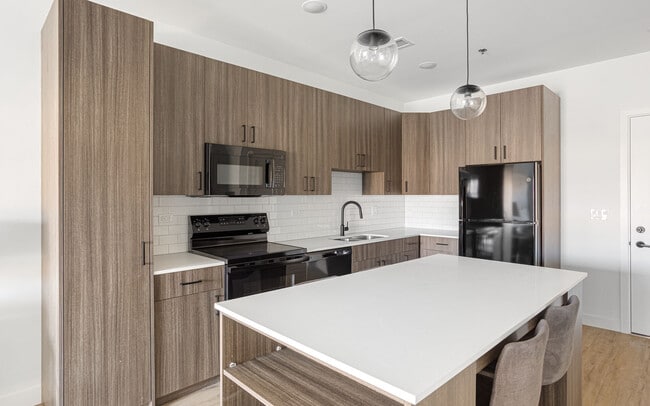
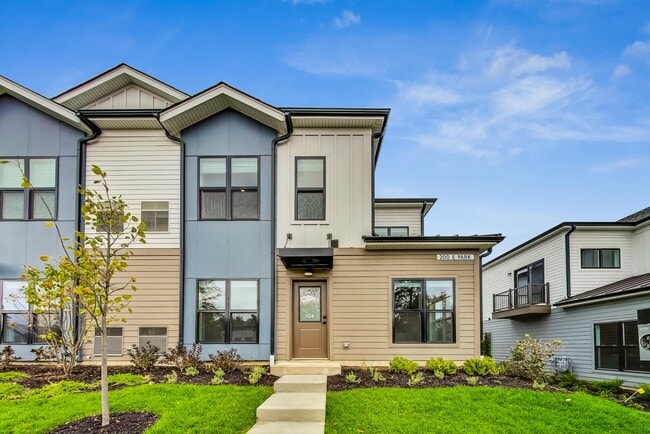
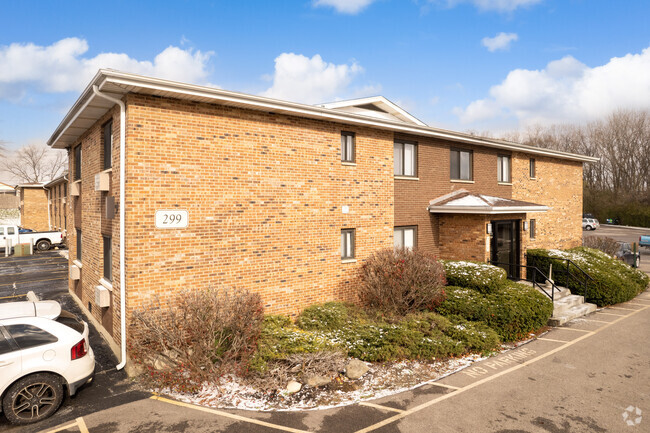
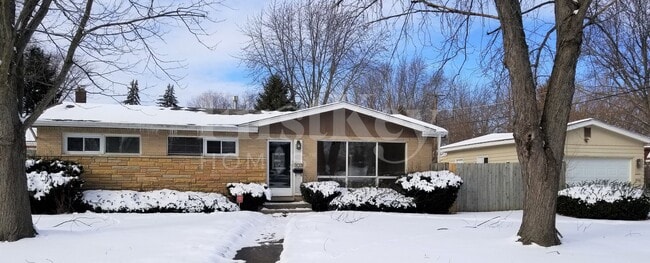
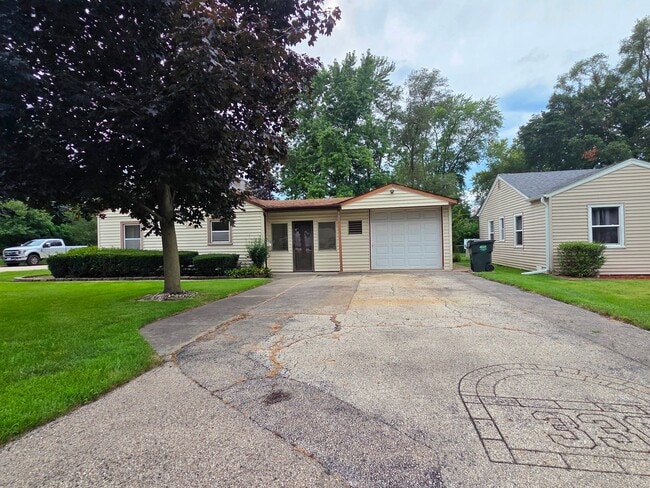
Vernon Hills is a wooded suburb located about 35 miles north of Chicago in Lake County, Illinois. The village officially incorporated in 1958 and has grown into a retail hub serving surrounding communities like Libertyville, Lake Forest, Mundelein, and Buffalo Grove. Today, Vernon Hills is home to roughly 27,500 residents and is known for its tree-lined streets, well-kept parks, and access to both natural spaces and everyday conveniences. If you are searching for apartments for rent in Vernon Hills, you will find a mix of garden-style apartment communities, townhomes, and condo rentals spread throughout a compact, eight-square-mile community.
Renters in Vernon Hills enjoy easy access to a wide range of shopping and recreation. Hawthorn Mall, located near the intersection of Milwaukee Avenue and Townline Road, anchors the local retail scene and is surrounded by restaurants, a movie theater, an ice-skating rink, and a bowling alley. Several other nearby shopping plazas, including Hawthorn Village Commons and Townline Commons, add to the everyday convenience. Century Park sits at the heart of the village and features Big Bear Lake and Little Bear Lake, 2.7 miles of walking and biking trails, basketball and volleyball courts, a sledding hill, and picnic areas. Just a short drive away, Captain Daniel Wright Woods Forest Preserve covers 750 acres with hiking, bicycling, and horseback riding trails, a fishing pier, and an off-leash dog park. The College of Lake County's Southlake Campus is about three miles away, and Lake Forest College is within a 20-minute drive.
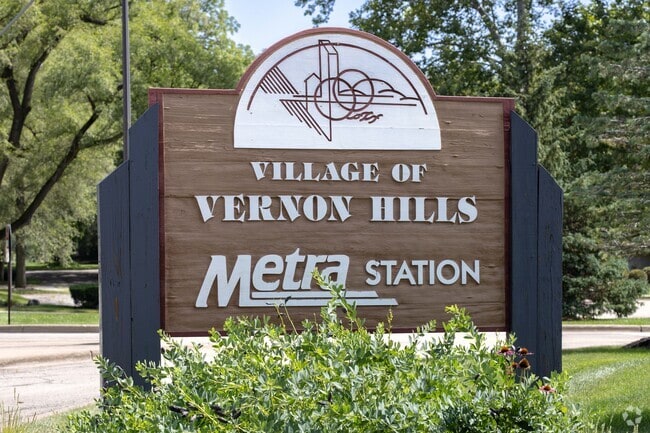
Getting around from Vernon Hills is straightforward. The Vernon Hills Metra Station connects riders to downtown Chicago in roughly one hour, making it a practical base for commuters heading into the city. Metra's North Central Service line also puts nearby stations like Prairie View and Mundelein within a short drive. For drivers, Route 45 and Milwaukee Avenue (Route 21) run through the village and connect to the broader expressway network. Chicago O'Hare International Airport is about 57 miles away, and Chicago Midway International Airport is reachable in about 69 minutes. Major employers in the area include corporate headquarters and retail operations that benefit from Vernon Hills's role as a regional commercial center. Whether you prefer a quiet apartment community surrounded by nature or a townhome steps from shops and dining, Vernon Hills offers a well-rounded setting for renters looking to be close to Chicago without living in the city itself.
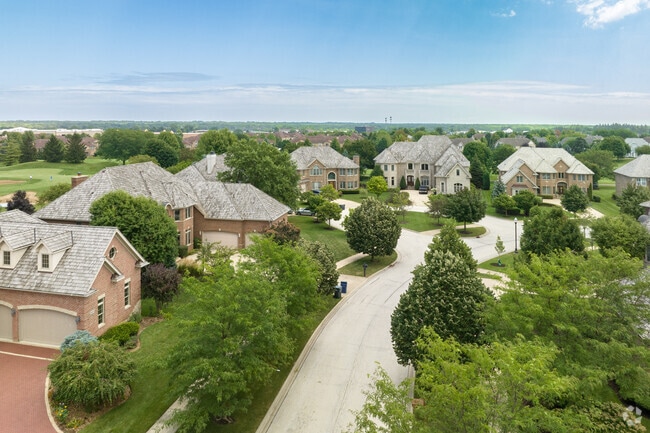
Vernon Hills has an active commercial area and a sprawling network of park-dotted subdivisions.
A golf course is nestled right behind a nice residential neighborhood in Vernon Hills.
A resident of Vernon Hills spends time on the fishing pier at Century Park.
The bridge at Deerpath Park is one of the many scenic views in Vernon Hills.
The Vernon Hills Athletic Complex is a great place to take your dog for a walk.
Many beautiful colonial homes can be found in the Vernon Hills neighborhood.
Median Household Income
$115,548
Average: $144,998
Education
13,724
Residents Have a Degree
Job Market
14,674
Workers Employed
Median Age
43 Years
Largest Age Group
45-54 Years
Approximately 15% of Residents
Under 20
24%
Over 65
18%
Housing Distribution
Vernon Hills has more homeowners than renters.

Education Distribution
Review this city's overall education levels.

As of September 2026, the average apartment rent in Vernon Hills, IL is $2,083 for a studio, $2,085 for one bedroom, $2,583 for two bedrooms, and $4,044 for three bedrooms. Apartment rent in Vernon Hills has increased by 1.8% in the past year.
Explore how walkable, bikeable, drivable, and transit-friendly Vernon Hills, IL is for everyday living.
Fairly Walkable
Walkability
Very Drivable
Drivability
Moderately Bikeable
Bikeability

Hawthorn Elementary School North
Public
Grades K-5
370 Students

Hawthorn Townline Elementary School
Public
Grades K-5
299 Students
Hawthorn Aspen Elementary School
Public
Grades K-5
303 Students

Hawthorn Elementary School South
Public
Grades K-5
486 Students

Hawthorn School Of Dual Language
Public
Grades K-5
413 Students
Public
Grades 6-8
625 Students

Public
Grades 6-8
601 Students

Public
Grades K-12

Exceptional Learners Collaborativ
Public
Grades 6-12
Public
Grades 9-12
1,385 Students
Public
Grades K-12
Exceptional Learners Collaborativ
Public
Grades 6-12
 The GreatSchools Rating helps parents compare schools within a state based on a variety of school quality indicators and provides a helpful picture of how effectively each school serves all of its students. Ratings are on a scale of 1 (below average) to 10 (above average) and can include test scores, college readiness, academic progress, advanced courses, equity, discipline and attendance data. We also advise parents to visit schools, consider other information on school performance and programs, and consider family needs as part of the school selection process.
View GreatSchools Rating Methodology
Data provided by
GreatSchools.org
© 2026. All rights reserved.
The GreatSchools Rating helps parents compare schools within a state based on a variety of school quality indicators and provides a helpful picture of how effectively each school serves all of its students. Ratings are on a scale of 1 (below average) to 10 (above average) and can include test scores, college readiness, academic progress, advanced courses, equity, discipline and attendance data. We also advise parents to visit schools, consider other information on school performance and programs, and consider family needs as part of the school selection process.
View GreatSchools Rating Methodology
Data provided by
GreatSchools.org
© 2026. All rights reserved.
† Our analysis of utilities, groceries, transportation, healthcare, home prices, and other goods and services is sourced from the Cost of Living Index, a respected benchmark published by the Council for Community and Economic Research (C2ER) that provides a thorough overview of living expenses across different regions.
Rent data is provided by CoStar Group’s Market Trend reports. As the industry leader in commercial real estate information, analytics, and news, CoStar conducts extensive research to produce and maintain a comprehensive database of commercial real estate information. We combine this data with public record to provide the most up-to-date rental information available.
Consumer goods, services, and home prices are sourced from the Cost of Living Index published by the Council for Community and Economic Research (C2ER). The data on this page is updated quarterly. It was last published in September 2026.
Demographic information comes from Neustar and combines detailed address data with U.S. Census and American Community Survey statistics to produce reliable local estimates.