Median Age
42 Years
Largest Age Group
30-39 Years
Approximately 15% of Residents
Under 20
21%
Over 65
21%

Avg Rent
$1,424
Population
30,121
Renter Mix
49% Rent
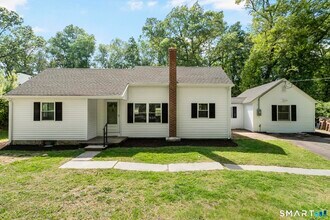
Vernon is the most populous town in Tolland County, Connecticut, and sits about 12 miles northeast of Hartford, offering easy access to the capital's job market without the pace of a larger city. Named after George Washington's Mount Vernon estate and incorporated in 1808, the town carries real historical weight, including a Civil War museum housed inside Vernon Town Hall. Interstate 84 runs directly through town, making it a practical base for commuters heading into Hartford or neighboring communities like Manchester and South Windsor.
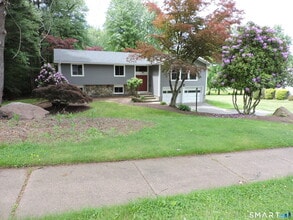
The town encompasses the former city of Rockville and smaller villages like Talcottville and Dobsonville, giving it a range of neighborhood feels within its 19 square miles. Green space is woven throughout, with Valley Falls Park offering wooded trails and a swimming area, while the Rails to Trails path draws walkers and cyclists year-round. The housing mix leans toward traditional New England styles, with apartment communities alongside single-family rentals and smaller multi-unit buildings. Rein's New York Style Deli, a longtime Hartford-area staple, anchors the local dining scene and draws visitors from well beyond Vernon's borders.
Median Household Income
$63,070
Average: $82,765
Education
9,202
Residents Have a Degree
Job Market
16,114
Workers Employed
Median Age
42 Years
Largest Age Group
30-39 Years
Approximately 15% of Residents
Under 20
21%
Over 65
21%
Housing Distribution
Vernon has more homeowners than renters.

Education Distribution
Review this city's overall education levels.

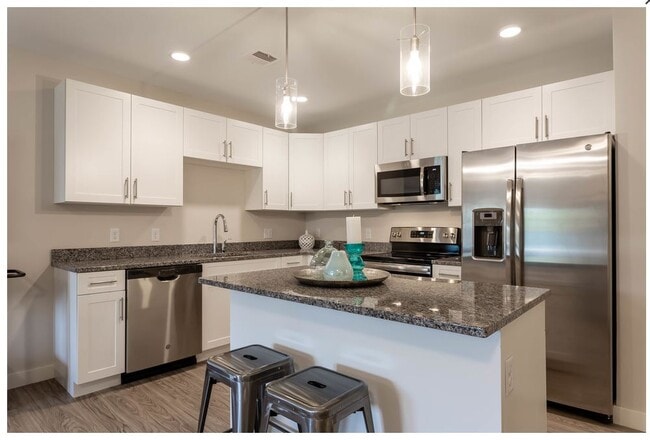
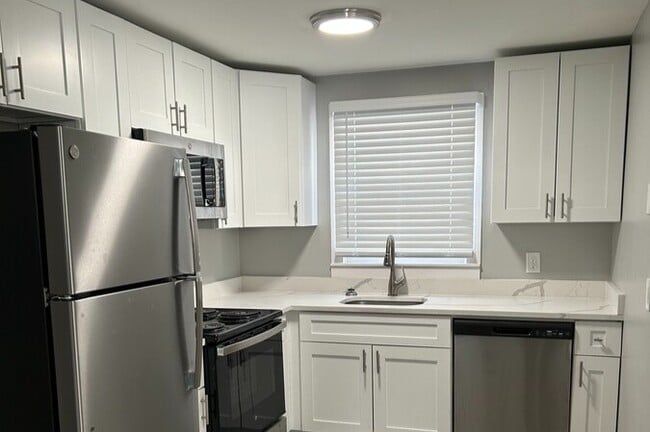
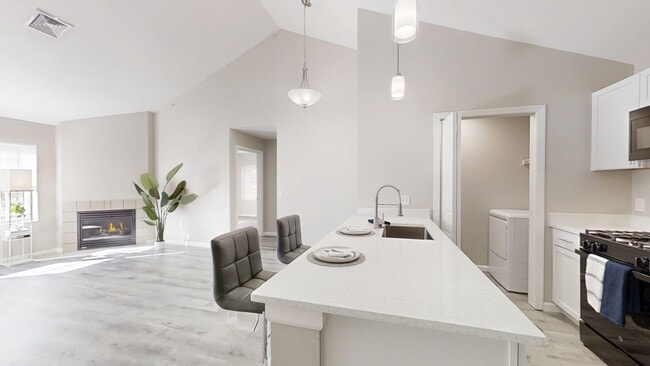
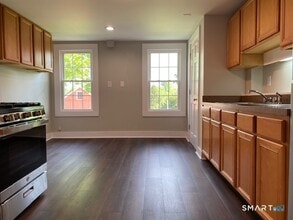
As of September 2026, the average apartment rent in Vernon, CT is $1,505 for a studio, $1,424 for one bedroom, $1,778 for two bedrooms, and $1,649 for three bedrooms. Apartment rent in Vernon has increased by 4.3% in the past year.
Explore how walkable, bikeable, drivable, and transit-friendly Vernon, CT is for everyday living.
Somewhat Walkable
Walkability
Limited Public Transit
Transit
Exceptionally Drivable
Drivability
Somewhat Bikeable
Bikeability

Public
Grades PK-5
340 Students

Public
Grades PK-5
261 Students
Public
Grades PK-5
443 Students

Public
Grades PK-5
256 Students

Public
Grades K-5
235 Students
Public
Grades 6-8
651 Students
Public
Grades 9-12
995 Students

Public
Grades 9-12
13 Students

 The GreatSchools Rating helps parents compare schools within a state based on a variety of school quality indicators and provides a helpful picture of how effectively each school serves all of its students. Ratings are on a scale of 1 (below average) to 10 (above average) and can include test scores, college readiness, academic progress, advanced courses, equity, discipline and attendance data. We also advise parents to visit schools, consider other information on school performance and programs, and consider family needs as part of the school selection process.
View GreatSchools Rating Methodology
Data provided by
GreatSchools.org
© 2026. All rights reserved.
The GreatSchools Rating helps parents compare schools within a state based on a variety of school quality indicators and provides a helpful picture of how effectively each school serves all of its students. Ratings are on a scale of 1 (below average) to 10 (above average) and can include test scores, college readiness, academic progress, advanced courses, equity, discipline and attendance data. We also advise parents to visit schools, consider other information on school performance and programs, and consider family needs as part of the school selection process.
View GreatSchools Rating Methodology
Data provided by
GreatSchools.org
© 2026. All rights reserved.
† Our analysis of utilities, groceries, transportation, healthcare, home prices, and other goods and services is sourced from the Cost of Living Index, a respected benchmark published by the Council for Community and Economic Research (C2ER) that provides a thorough overview of living expenses across different regions.
Rent data is provided by CoStar Group’s Market Trend reports. As the industry leader in commercial real estate information, analytics, and news, CoStar conducts extensive research to produce and maintain a comprehensive database of commercial real estate information. We combine this data with public record to provide the most up-to-date rental information available.
Consumer goods, services, and home prices are sourced from the Cost of Living Index published by the Council for Community and Economic Research (C2ER). The data on this page is updated quarterly. It was last published in September 2026.
Demographic information comes from Neustar and combines detailed address data with U.S. Census and American Community Survey statistics to produce reliable local estimates.