Median Age
31 Years
Largest Age Group
5-14 Years
Approximately 18% of Residents
Under 20
34%
Over 65
12%

Avg Rent
$1,084
Population
12,484
Renter Mix
50% Rent
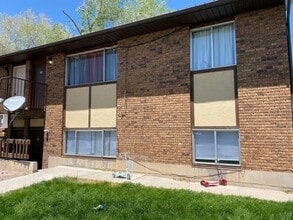
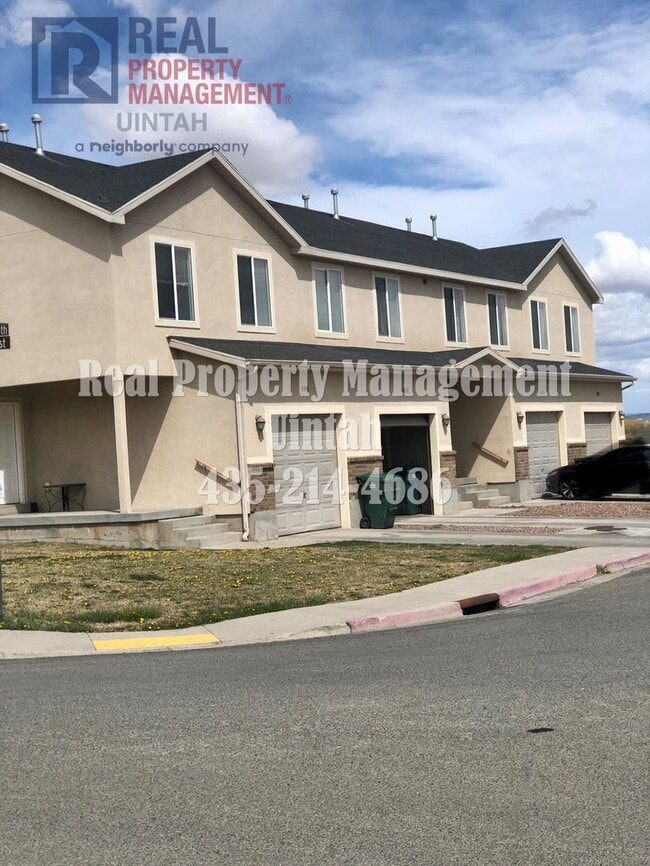
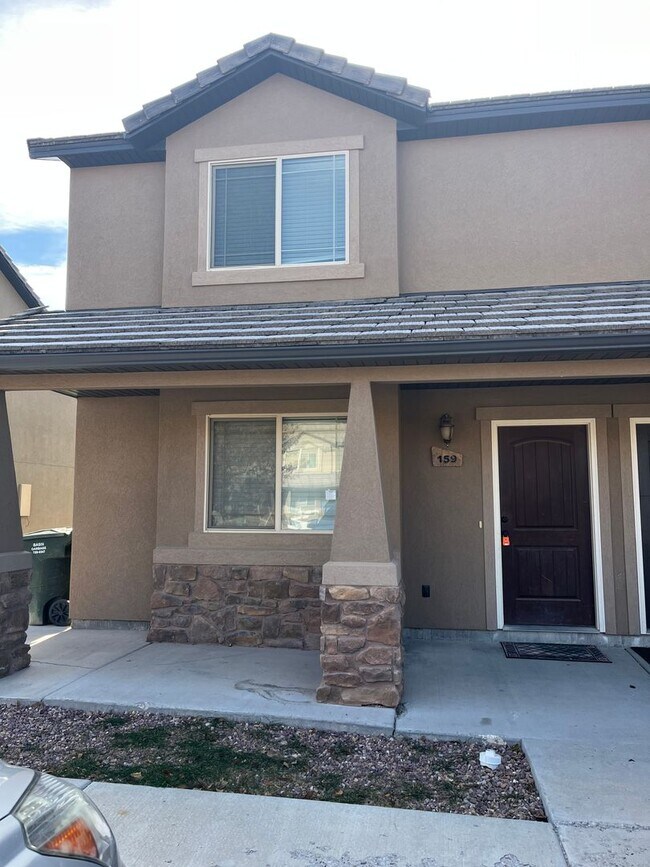
Tucked into the northeastern corner of Utah, Vernal sits roughly 170 miles east of Salt Lake City at the edge of the Uinta Basin, where wide-open skies and ancient geology shape the character of everyday life. The city serves as the county seat of Uintah County and has long been anchored by the energy industry, drawing workers and their households to the area for decades. A regional campus of Utah State University adds an educational dimension to the community, broadening the range of opportunities available locally. Vernal is perhaps best known as the gateway to Dinosaur National Monument, and that identity runs deep. The Utah Field House of Natural History State Park sits right in town, connecting residents to the area's prehistoric past. Neighborhoods here range from established residential streets near downtown to newer subdivisions spreading outward toward the surrounding high desert. The housing mix reflects that range, with single-family rentals, duplexes, and smaller apartment communities offering options at a relatively accessible price point compared to much of the state. Life in Vernal tends to move at a measured pace, with outdoor recreation from Flaming Gorge to the Uinta Mountains always close at hand for those who like their weekends spent outside.
Median Household Income
$51,771
Average: $69,038
Education
1,777
Residents Have a Degree
Job Market
5,673
Workers Employed
Median Age
31 Years
Largest Age Group
5-14 Years
Approximately 18% of Residents
Under 20
34%
Over 65
12%
Housing Distribution
In Vernal, there are roughly the same number of renters and homeowners.

Education Distribution
Review this city's overall education levels.

As of September 2026, the average apartment rent in Vernal, UT is $1,084 for one bedroom, $999 for two bedrooms, and $1,446 for three bedrooms. Apartment rent in Vernal has increased by 1.0% in the past year.
Explore how walkable, bikeable, drivable, and transit-friendly Vernal, UT is for everyday living.
Moderately Walkable
Walkability
Exceptionally Drivable
Drivability
Fairly Bikeable
Bikeability

Public
Grades K-5
473 Students

Public
Grades K-5
442 Students
Public
Grades K-5
656 Students

Public
Grades K-5
456 Students

Public
Grades K-5
442 Students
Public
Grades 6-8
842 Students
Public
Grades 6-8
579 Students

Public
Grades K-8
37 Students

Public
Grades 6-12
287 Students

Public
Grades 9-12
1,843 Students
Public
Grades 6-12
287 Students
 The GreatSchools Rating helps parents compare schools within a state based on a variety of school quality indicators and provides a helpful picture of how effectively each school serves all of its students. Ratings are on a scale of 1 (below average) to 10 (above average) and can include test scores, college readiness, academic progress, advanced courses, equity, discipline and attendance data. We also advise parents to visit schools, consider other information on school performance and programs, and consider family needs as part of the school selection process.
View GreatSchools Rating Methodology
Data provided by
GreatSchools.org
© 2026. All rights reserved.
The GreatSchools Rating helps parents compare schools within a state based on a variety of school quality indicators and provides a helpful picture of how effectively each school serves all of its students. Ratings are on a scale of 1 (below average) to 10 (above average) and can include test scores, college readiness, academic progress, advanced courses, equity, discipline and attendance data. We also advise parents to visit schools, consider other information on school performance and programs, and consider family needs as part of the school selection process.
View GreatSchools Rating Methodology
Data provided by
GreatSchools.org
© 2026. All rights reserved.
† Our analysis of utilities, groceries, transportation, healthcare, home prices, and other goods and services is sourced from the Cost of Living Index, a respected benchmark published by the Council for Community and Economic Research (C2ER) that provides a thorough overview of living expenses across different regions.
Rent data is provided by CoStar Group’s Market Trend reports. As the industry leader in commercial real estate information, analytics, and news, CoStar conducts extensive research to produce and maintain a comprehensive database of commercial real estate information. We combine this data with public record to provide the most up-to-date rental information available.
Consumer goods, services, and home prices are sourced from the Cost of Living Index published by the Council for Community and Economic Research (C2ER). The data on this page is updated quarterly. It was last published in September 2026.
Demographic information comes from Neustar and combines detailed address data with U.S. Census and American Community Survey statistics to produce reliable local estimates.