Tujunga

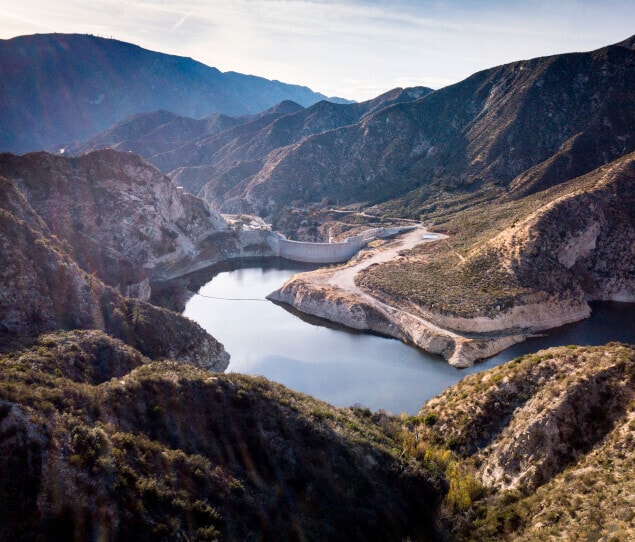
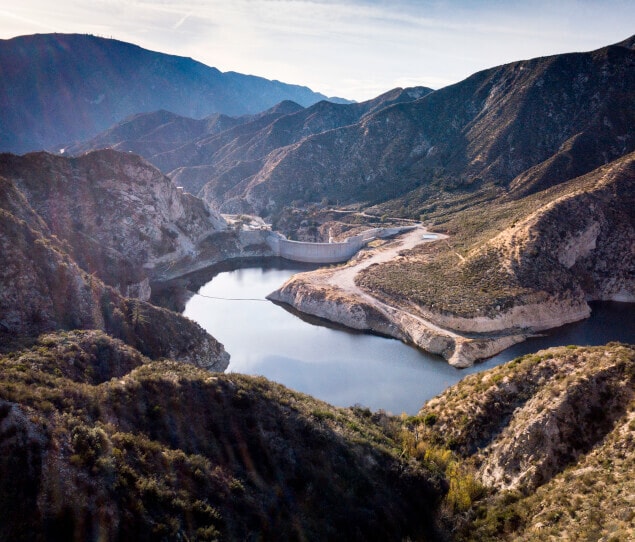
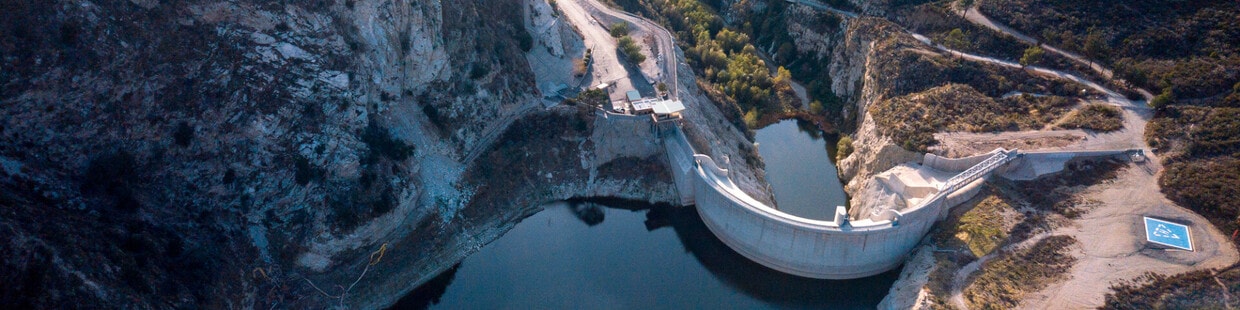
Aerial view of Big Tujunga Dam
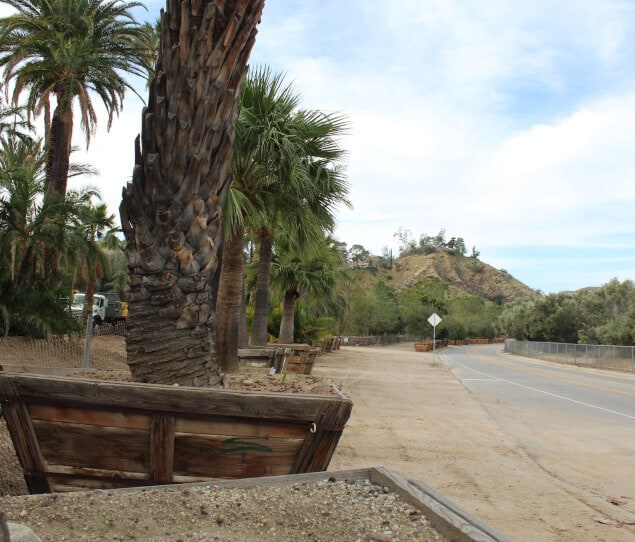
Big Tujunga Canyon Road

Tujunga, CA Area Guide

Avg Rent

$1,584

Population

26,570

Renter Mix

46% Rent

Live in the foothills of the San Gabriel Mountains with the friendliest of neighbors

Mountains Scenic Suburban Diverse Hiking

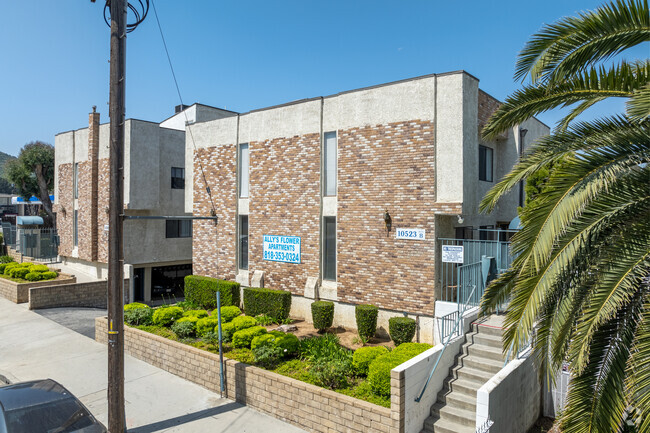
Tujunga sits at the base of the San Gabriel Mountains as a neighborhood within the city of Los Angeles, offering a pace of life that feels distinctly separate from the sprawl below. The area carries a genuine small-town character, with tree-lined streets, open hillside views, and a close-knit atmosphere that sets it apart from most of greater LA. Its name traces back to the Tongva people and a Mexican land grant from 1840, and the community was nearly incorporated as its own city before Los Angeles absorbed it in 1926. Today, Tujunga and its neighboring community of Sunland share a high school, library, and neighborhood council, reinforcing the sense of a self-contained enclave within one of the world's largest cities. Foothill Boulevard serves as the central corridor for daily errands, lined with grocers, local eateries, and retailers. Housing here leans toward single-family rentals and smaller apartment communities, with a range of options that tend to be more accessible than in neighboring Glendale or Burbank. Bolton Hall, a 1913 stone building listed on the National Register of Historic Places, still stands as a quiet reminder of the area's early ambitions.

Explore the City

Aerial view of Big Tujunga Dam

Big Tujunga Canyon Road

Demographics

Median Household Income

$77,286

Average: $99,450

Education

7,051

Residents Have a Degree

Job Market

12,760

Workers Employed

Age Distribution
Get a sense of this area's population profile.

Median Age

45 Years

Largest Age Group

60-69 Years

Approximately 15% of Residents

Under 20

20%

Over 65

23%
Housing Distribution

Tujunga has more homeowners than renters.

Renters
46%
Non-Renters
54%

Education Distribution

Review this city's overall education levels.

Bachelor's or Higher
22%
Other Education
78%

Rent Trends

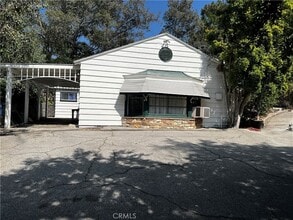
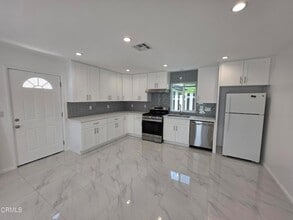
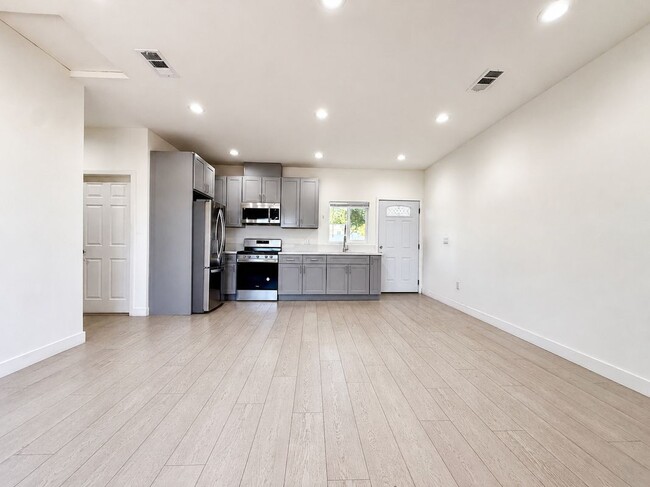
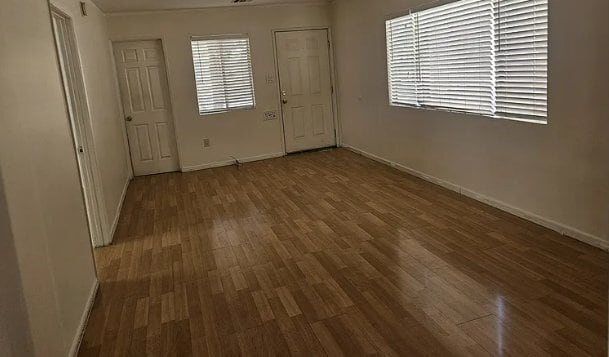
As of April 2026, the average apartment rent in Tujunga, CA is $1,268 for a studio, $1,584 for one bedroom, $1,792 for two bedrooms, and $2,231 for three bedrooms. Apartment rent in Tujunga has increased by 0.6% in the past year.

Property Type
Average Rent
Average Sq Ft
Apartment
$1,584/month
490 Sq Ft
House
$4,204/month
1,533 Sq Ft
See Rental Market Trends in Tujunga, CA

Getting Around

Somewhat Walkable

Walkability

30 / 100

Exceptionally Drivable

Drivability

90 / 100

Very Bikeable

Bikeability

80 / 100

Points of Interest

Top Apartments in Tujunga

Houses for Rent in Tujunga

Living in Tujunga

History

-

Tujunga's name traces back to the Tongva people and a Mexican land grant from 1840, and the area retained its rural character well into the 20th century before Los Angeles annexed it in 1926. Despite that absorption, the community has preserved a sense of independence that still defines the neighborhood today. Bolton Hall, a stone building constructed in 1913, remains one of the most visible markers of Tujunga's early civic ambitions and is listed on the National Register of Historic Places. The structure served as a gathering place during the area's near-incorporation as an independent city and continues to anchor the community's historic identity. Beyond Bolton Hall, the older residential streets and mid-century commercial buildings along Foothill Boulevard reflect the area's development as a foothill retreat, offering a glimpse into the architectural layers that shaped this corner of the San Gabriel Mountains.

Restaurants

-

Foothill Boulevard serves as the informal dining corridor for Tujunga, where a mix of casual and sit-down spots reflects the neighborhood's diverse, working-class roots. Mexican food has a strong presence here, with street tacos, burritos, and traditional dishes available at numerous spots that draw regulars from across the Sunland-Tujunga area. The broader menu extends to Asian, Italian, Mediterranean, and Middle Eastern fare, giving residents a range of everyday options without venturing far from the foothills. BBQ is also a local point of pride. The annual Watermelon Festival, a Sunland-Tujunga community tradition, adds a festive, food-centered gathering to the neighborhood calendar each summer.

Transportation

-

Tujunga is a car-dependent community where most residents rely on personal vehicles to get around. The I-210 (Foothill Freeway) is the primary artery connecting the area east toward Pasadena and west toward Burbank and Glendale, while the Glendale Freeway (SR-2) provides a southern link toward central Los Angeles. Metro Bus Line 152 runs through the neighborhood into Sunland and Glendale for those who prefer transit. Bob Hope Airport in Burbank sits roughly 10 miles southwest, offering a convenient regional travel option. The foothill terrain limits walkability and dedicated bike infrastructure, though trails like those in Big Tujunga Canyon serve outdoor enthusiasts looking to explore on foot or by mountain bike.

Parks

-

Tujunga's greatest outdoor asset is its position at the foot of the San Gabriel Mountains, where residents have direct access to Angeles National Forest for hiking, mountain biking, and picnicking along forested trails. Deukmejian Wilderness Park, perched along the Verdugo Hills, offers maintained trails, a playground, and basketball courts with sweeping views of the surrounding landscape. Big Tujunga Canyon draws outdoor enthusiasts with miles of backcountry trails and shaded picnic areas along the creek. Closer to home, Tujunga City Park provides a well-kept community green with tennis courts and soccer fields. Runyon Canyon Park in the nearby Hollywood Hills is also within reach for those seeking city skyline views on a walk.

Cost

-

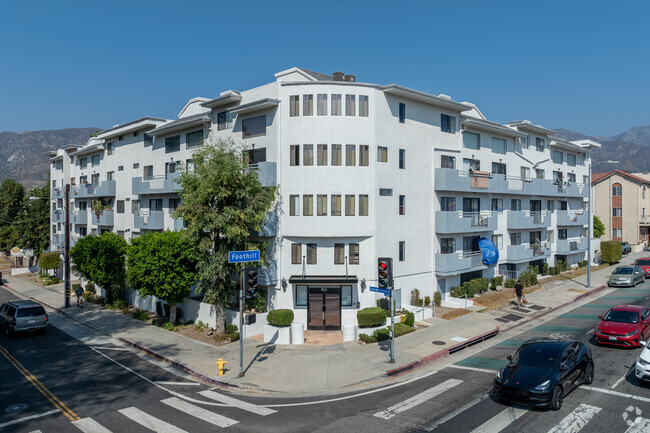
Tujunga sits within Los Angeles, where the overall cost of living runs about 52 percent above the national average, driven largely by housing costs. Rents across the city range broadly from around $1,700 to over $4,200 per month, though Tujunga's more residential, foothill character tends to place it toward the more modest end of that spectrum compared to denser or more central Los Angeles neighborhoods. The housing stock here leans toward single-family homes and smaller apartment buildings rather than large complexes, which shapes the rental mix and availability. Groceries, utilities, and transportation also run above national norms.

Shopping

-

Foothill Boulevard serves as Tujunga's primary retail corridor, where a mix of grocery stores, everyday services, and small independent shops lines the street in a walkable, neighborhood-friendly setting. The area has a well-established antique shopping culture, with several dealers offering vintage furniture, collectibles, and home goods that draw browsers from across the San Fernando Valley. The broader Sunland-Tujunga community also hosts an annual Watermelon Festival, which brings locals together around vendors, food, and community activity. For more extensive mall shopping, nearby Glendale and Burbank are a short drive away and offer larger retail centers and department stores.

Search Nearby Rentals

Methodology

† Our analysis of utilities, groceries, transportation, healthcare, home prices, and other goods and services is sourced from the Cost of Living Index, a respected benchmark published by the Council for Community and Economic Research (C2ER) that provides a thorough overview of living expenses across different regions.

Rent data is provided by CoStar Group’s Market Trend reports. As the industry leader in commercial real estate information, analytics, and news, CoStar conducts extensive research to produce and maintain a comprehensive database of commercial real estate information. We combine this data with public record to provide the most up-to-date rental information available.

Consumer goods, services, and home prices are sourced from the Cost of Living Index published by the Council for Community and Economic Research (C2ER). The data on this page is updated quarterly. It was last published in February 2026.

Demographic information comes from Neustar and combines detailed address data with U.S. Census and American Community Survey statistics to produce reliable local estimates.