Median Age
40 Years
Largest Age Group
30-39 Years
Approximately 14% of Residents
Under 20
24%
Over 65
20%

Avg Rent
$858
Population
9,168
Renter Mix
36% Rent
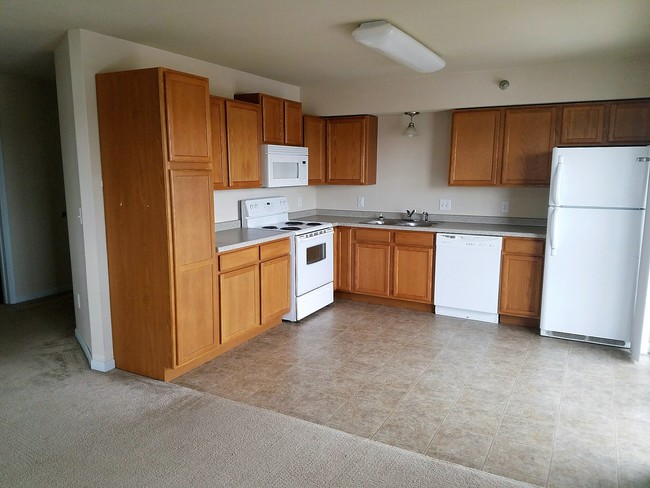
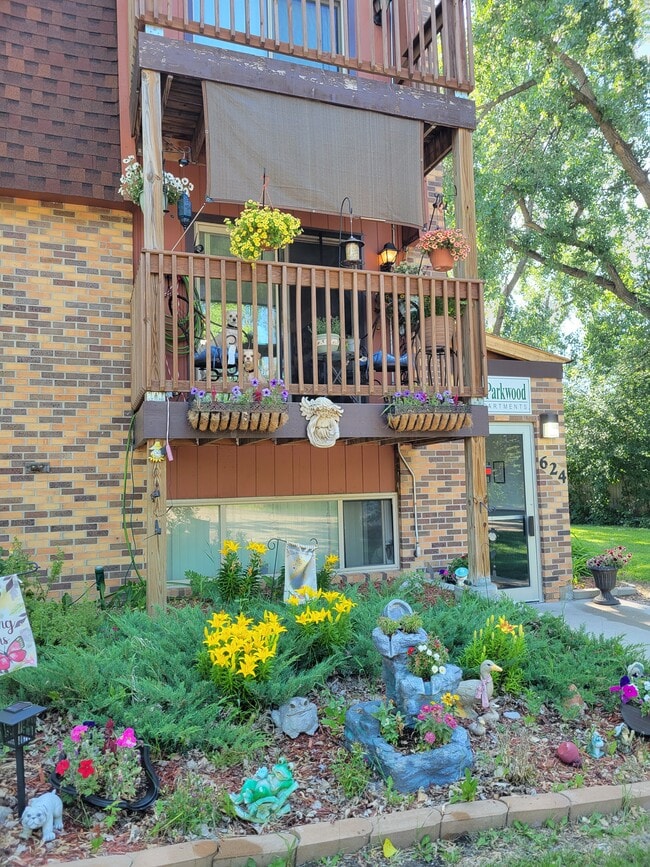
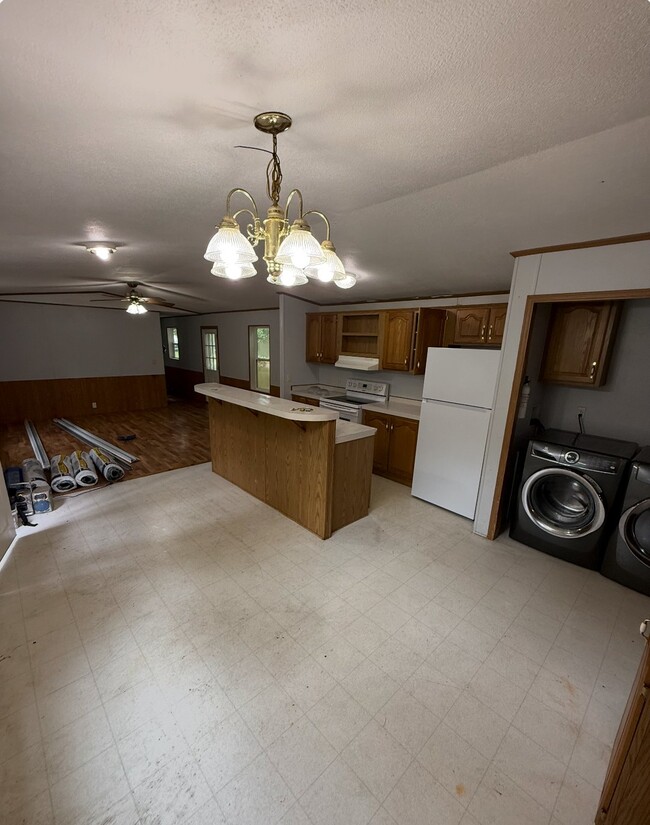
Thief River Falls — or simply Thief River— is a small city in northwestern Minnesota about 70 miles south of Canada. Best known for manufacturing, Thief River is home to Digi-Key Electronics, the world’s largest selection of electronic parts available for quick shipping, and Arctic Cat, a snowmobile company. These companies help provide employment opportunities for residents and help the town’s continuing efforts for economic growth. Named after the waterfalls at the convergence of Thief River and Red Lake River, this town is a beautiful, tree-lined locale with riverfront parks and excellent trails. As a snowmobile hub, you’ll find residents riding along one of the five trails in town or watching the USXC International 500-mile snowmobile race during the winter. During warmer months, residents love to fish from the rivers or hunt at the Thief Lake Wildlife Management Area. Along with great outdoor recreation opportunities, Thief River renters adore the sense of community in town. This is the type of place where everyone knows each other’s names and catch up at community events like high school football games and trivia nights. Renters love Thief River for its good schools and activities. Adding even more allure to this close-knit town, you’ll find affordable apartments, townhomes, and houses while searching for your new home.
Median Household Income
$61,840
Average: $75,112
Education
1,757
Residents Have a Degree
Job Market
4,890
Workers Employed
Median Age
40 Years
Largest Age Group
30-39 Years
Approximately 14% of Residents
Under 20
24%
Over 65
20%
Housing Distribution
Thief River Falls has more homeowners than renters.

Education Distribution
Review this city's overall education levels.

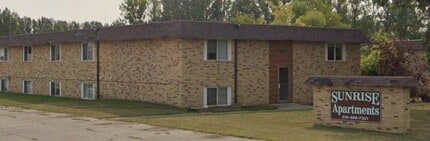
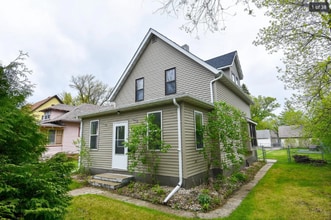
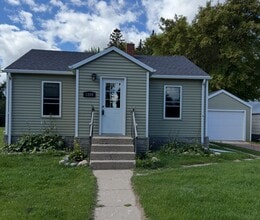
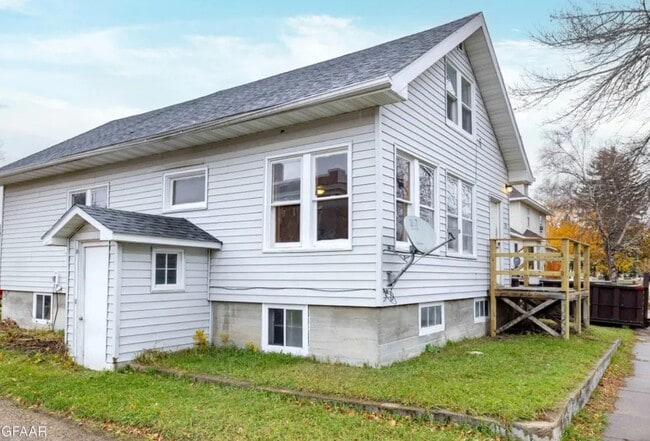
As of September 2026, the average apartment rent in Thief River Falls, MN is $428 for a studio, $858 for one bedroom, $991 for two bedrooms, and $1,281 for three bedrooms. Apartment rent in Thief River Falls has increased by 2.6% in the past year.
Explore how walkable, bikeable, drivable, and transit-friendly Thief River Falls, MN is for everyday living.
Fairly Walkable
Walkability
Very Drivable
Drivability
Fairly Bikeable
Bikeability

Public
Grades PK-5
783 Students

Public
Grades PK-5
783 Students
Public
Grades 6-8
454 Students
Public
Grades 9-12
570 Students
Public
Grades 9-12
570 Students
Northwest Area Learning Center
Public
Grades 9-12
23 Students

Summer NW Area Learning Center
Public
Grades 9-12

 The GreatSchools Rating helps parents compare schools within a state based on a variety of school quality indicators and provides a helpful picture of how effectively each school serves all of its students. Ratings are on a scale of 1 (below average) to 10 (above average) and can include test scores, college readiness, academic progress, advanced courses, equity, discipline and attendance data. We also advise parents to visit schools, consider other information on school performance and programs, and consider family needs as part of the school selection process.
View GreatSchools Rating Methodology
Data provided by
GreatSchools.org
© 2026. All rights reserved.
The GreatSchools Rating helps parents compare schools within a state based on a variety of school quality indicators and provides a helpful picture of how effectively each school serves all of its students. Ratings are on a scale of 1 (below average) to 10 (above average) and can include test scores, college readiness, academic progress, advanced courses, equity, discipline and attendance data. We also advise parents to visit schools, consider other information on school performance and programs, and consider family needs as part of the school selection process.
View GreatSchools Rating Methodology
Data provided by
GreatSchools.org
© 2026. All rights reserved.
† Our analysis of utilities, groceries, transportation, healthcare, home prices, and other goods and services is sourced from the Cost of Living Index, a respected benchmark published by the Council for Community and Economic Research (C2ER) that provides a thorough overview of living expenses across different regions.
Rent data is provided by CoStar Group’s Market Trend reports. As the industry leader in commercial real estate information, analytics, and news, CoStar conducts extensive research to produce and maintain a comprehensive database of commercial real estate information. We combine this data with public record to provide the most up-to-date rental information available.
Consumer goods, services, and home prices are sourced from the Cost of Living Index published by the Council for Community and Economic Research (C2ER). The data on this page is updated quarterly. It was last published in September 2026.
Demographic information comes from Neustar and combines detailed address data with U.S. Census and American Community Survey statistics to produce reliable local estimates.