Median Age
47 Years
Largest Age Group
60-69 Years
Approximately 13% of Residents
Under 20
20%
Over 65
27%

Avg Rent
$1,818
Population
75,586
Renter Mix
29% Rent
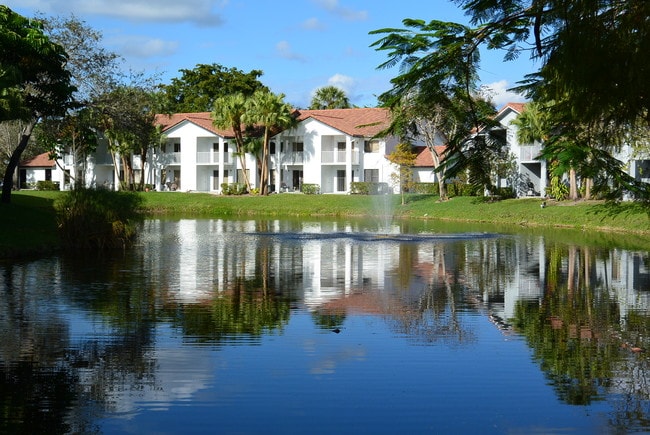
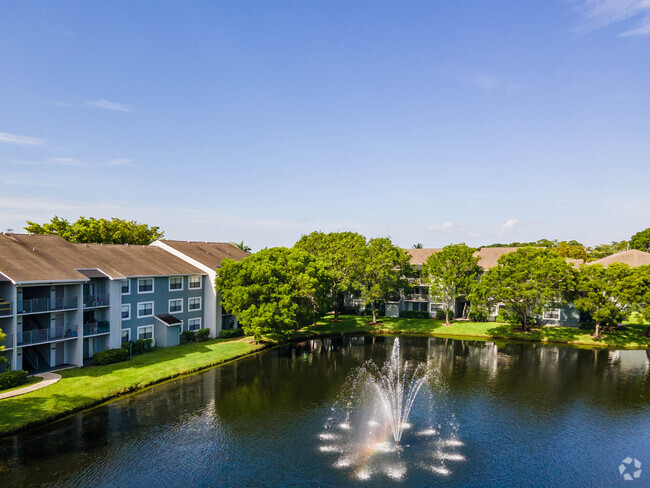
Tamarac is a mid-sized city in Broward County that carries a quiet, established character without the nonstop buzz of its larger neighbors, Fort Lauderdale and Miami. Incorporated in 1963, it covers roughly 12 square miles between the Florida Turnpike and University Drive, giving renters a well-connected address that still feels removed from the congestion of the coast. The city's economy draws on healthcare, retail, and public services, and Broward College's North Campus sits nearby, anchoring an educational presence for the area.
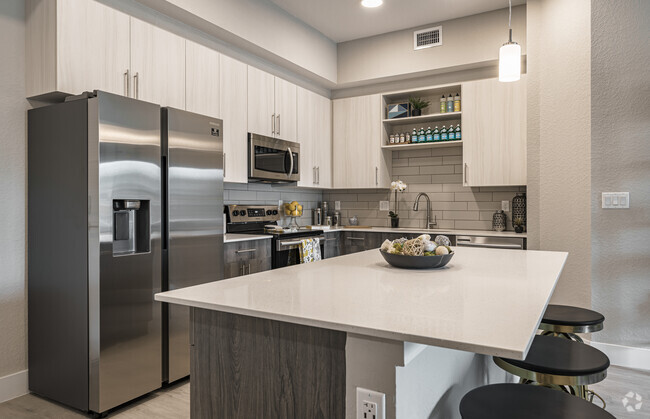
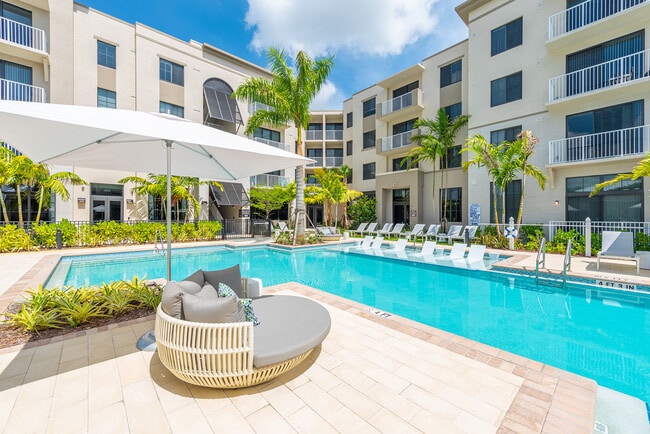
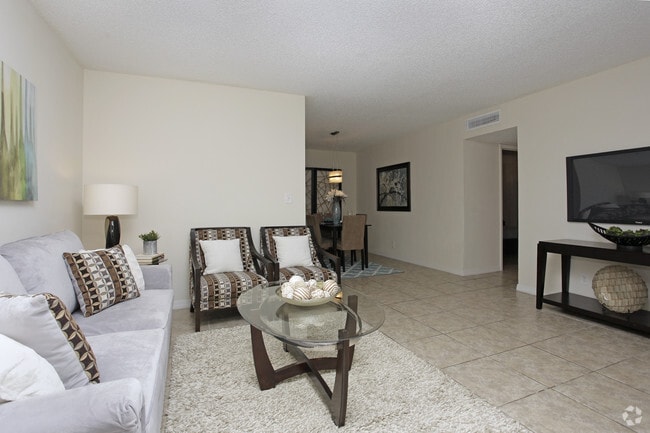
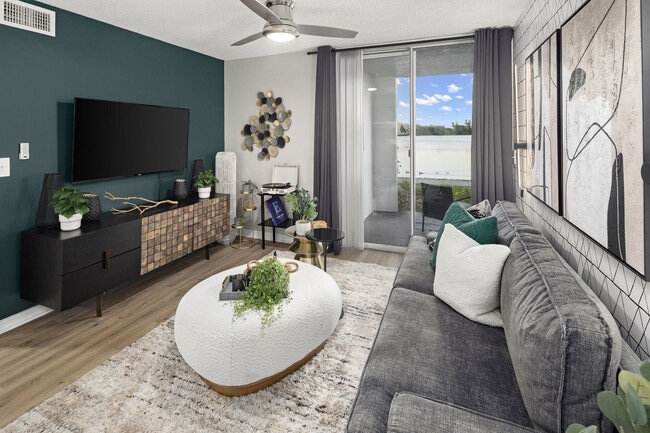
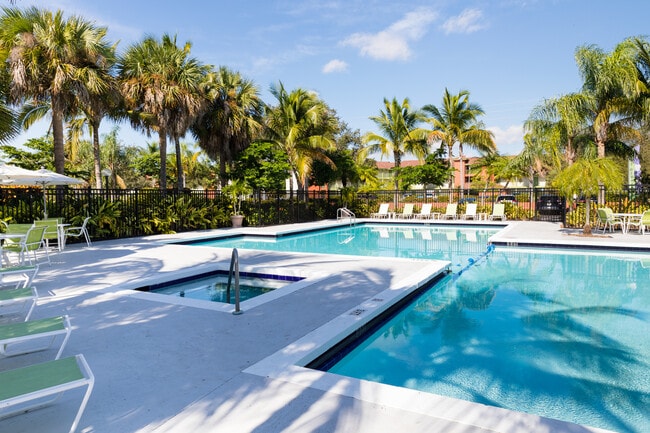
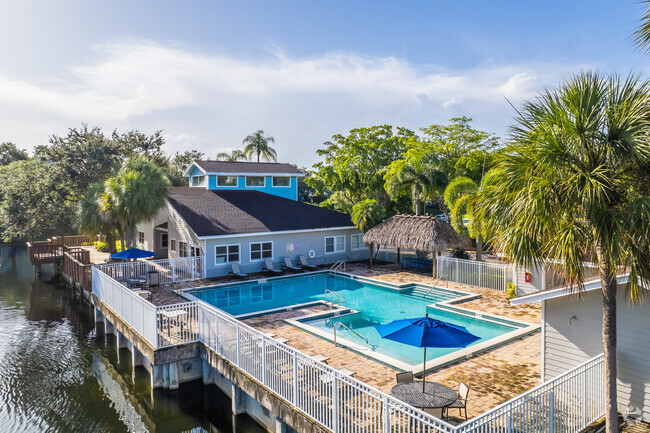
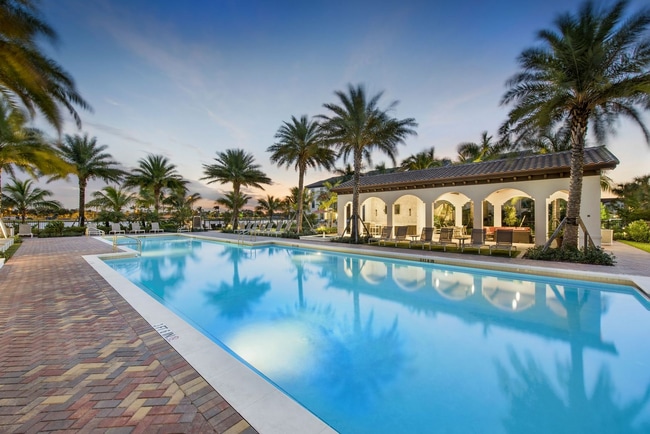
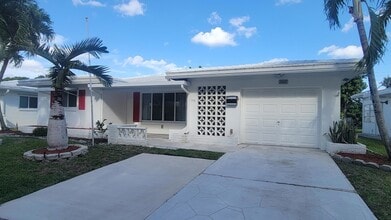
Neighborhoods range from tree-lined single-family streets in the western reaches to denser corridors closer to Commercial Boulevard, where apartment communities cluster alongside shops and everyday services. The rental mix includes low-rise and mid-rise apartment communities, garden-style buildings, and a solid stock of townhome rentals, offering something at nearly every stage of life. Many apartment communities feature amenities such as pools and fitness centers suited to Florida's year-round outdoor lifestyle.
Tamarac operates with a notably local pace: community events, public parks, and a strong civic identity keep the city grounded. Residents enjoy fast access to both Fort Lauderdale and Boca Raton, making this a practical base for anyone who works across southern Broward or northern Palm Beach County.
Median Household Income
$54,543
Average: $70,166
Education
19,341
Residents Have a Degree
Job Market
37,497
Workers Employed
Median Age
47 Years
Largest Age Group
60-69 Years
Approximately 13% of Residents
Under 20
20%
Over 65
27%
Housing Distribution
Tamarac has more homeowners than renters.

Education Distribution
Review this city's overall education levels.

As of July 2026, the average apartment rent in Tamarac, FL is $1,736 for a studio, $1,808 for one bedroom, $2,270 for two bedrooms, and $3,095 for three bedrooms. Apartment rent in Tamarac has increased by 0.9% in the past year.
Explore how walkable, bikeable, drivable, and transit-friendly Tamarac, FL is for everyday living.
Moderately Walkable
Walkability
Minimal Public Transit
Transit
Very Drivable
Drivability
Fairly Bikeable
Bikeability

Public
Grades K-8
141 Students

Public
Grades PK-5
784 Students

Renaissance Charter School At University
Public
Grades K-8
1,454 Students

Public
Grades PK-5
512 Students

Public
Grades K-8
141 Students
Renaissance Charter School At University
Public
Grades K-8
1,454 Students
Public
Grades 6-12
1,420 Students
Public
Grades 6-12
1,420 Students
 The GreatSchools Rating helps parents compare schools within a state based on a variety of school quality indicators and provides a helpful picture of how effectively each school serves all of its students. Ratings are on a scale of 1 (below average) to 10 (above average) and can include test scores, college readiness, academic progress, advanced courses, equity, discipline and attendance data. We also advise parents to visit schools, consider other information on school performance and programs, and consider family needs as part of the school selection process.
View GreatSchools Rating Methodology
Data provided by
GreatSchools.org
© 2026. All rights reserved.
The GreatSchools Rating helps parents compare schools within a state based on a variety of school quality indicators and provides a helpful picture of how effectively each school serves all of its students. Ratings are on a scale of 1 (below average) to 10 (above average) and can include test scores, college readiness, academic progress, advanced courses, equity, discipline and attendance data. We also advise parents to visit schools, consider other information on school performance and programs, and consider family needs as part of the school selection process.
View GreatSchools Rating Methodology
Data provided by
GreatSchools.org
© 2026. All rights reserved.
† Our analysis of utilities, groceries, transportation, healthcare, home prices, and other goods and services is sourced from the Cost of Living Index, a respected benchmark published by the Council for Community and Economic Research (C2ER) that provides a thorough overview of living expenses across different regions.
Rent data is provided by CoStar Group’s Market Trend reports. As the industry leader in commercial real estate information, analytics, and news, CoStar conducts extensive research to produce and maintain a comprehensive database of commercial real estate information. We combine this data with public record to provide the most up-to-date rental information available.
Consumer goods, services, and home prices are sourced from the Cost of Living Index published by the Council for Community and Economic Research (C2ER). The data on this page is updated quarterly. It was last published in June 2026.
Demographic information comes from Neustar and combines detailed address data with U.S. Census and American Community Survey statistics to produce reliable local estimates.