Median Age
39 Years
Largest Age Group
15-24 Years
Approximately 14% of Residents
Under 20
25%
Over 65
19%


Avg Rent
$872
Population
18,530
Renter Mix
32% Rent
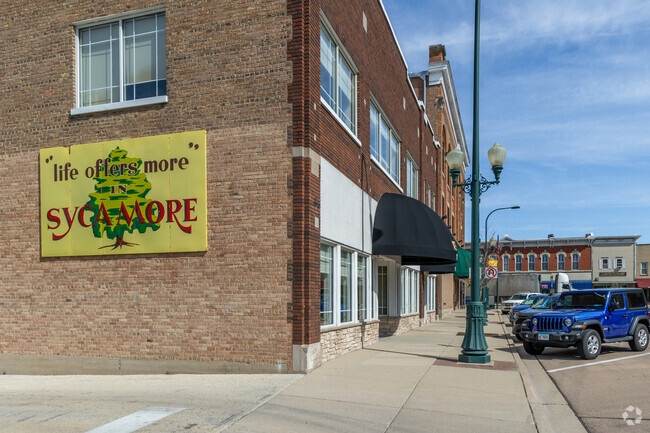
Sycamore has been the county seat of DeKalb County since 1837, and that long-standing civic identity shapes everything about daily life here. The city carries its history openly, with the Sycamore Historic District preserving more than 200 architecturally significant structures, including the city's Carnegie library, which has operated from its original building since 1905. The downtown corridor along State Street draws people in with locally owned cafes, bakeries, taverns, and specialty shops, anchored by the Sycamore State Theater, a classic cinema whose marquee has lit up the block for decades. Northern Illinois University is just a 14-minute drive away, adding an academic presence that quietly shapes the cultural and economic energy of the area.
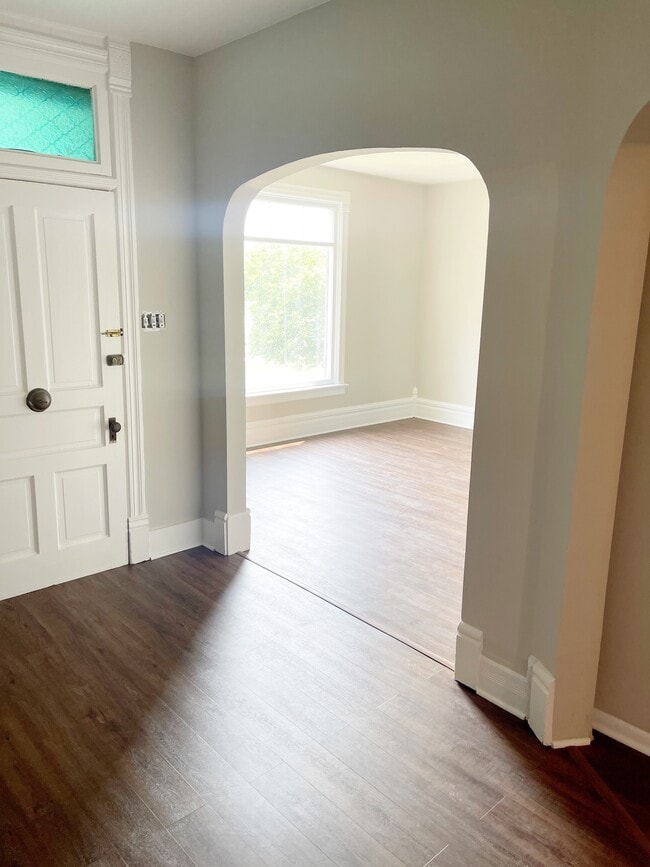
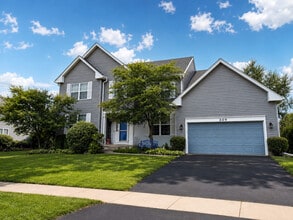
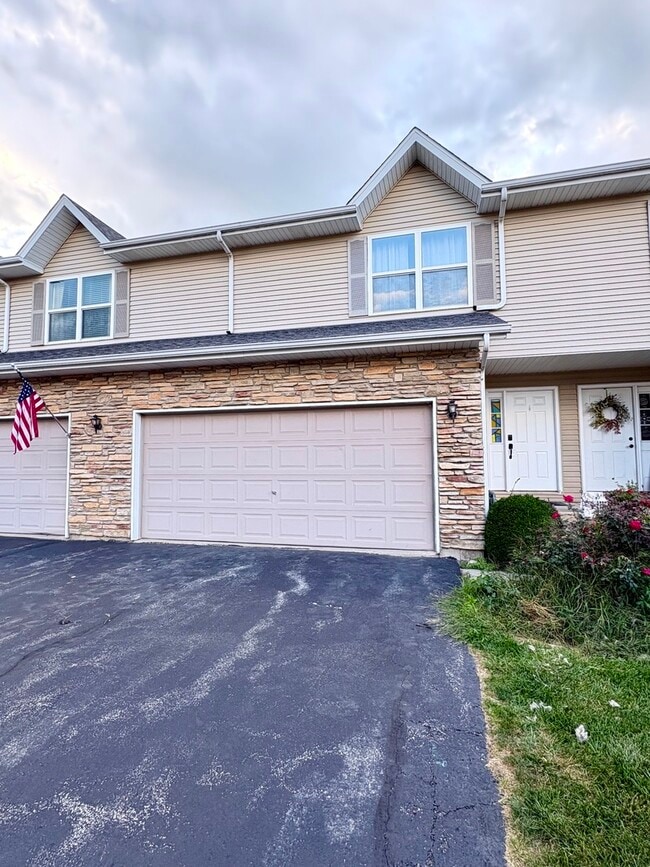
The housing mix reflects the city's character: historic homes make up much of the residential landscape, while apartment communities offer more flexible options for renters at price points well below the Illinois state average. The rental market here is steady, with modest year-over-year growth and generous square footage compared to what renters find closer to Chicago. Interstates 39, 88, and 90 are all accessible, making regional travel straightforward. Sycamore is a self-contained community with its own rhythm, one that rewards those who want substance and stability over speed and sprawl.
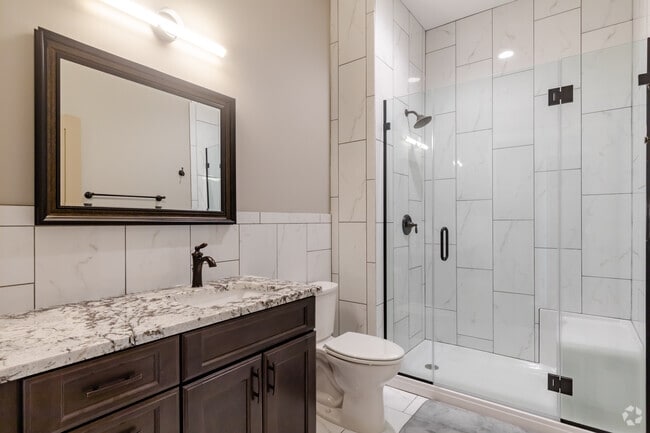
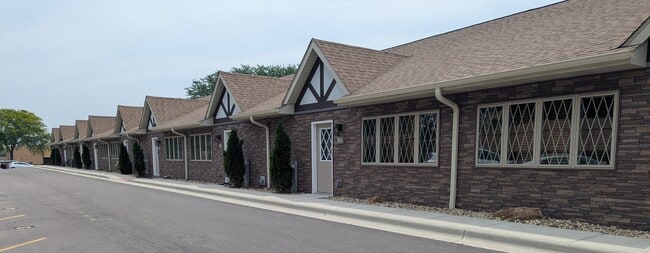
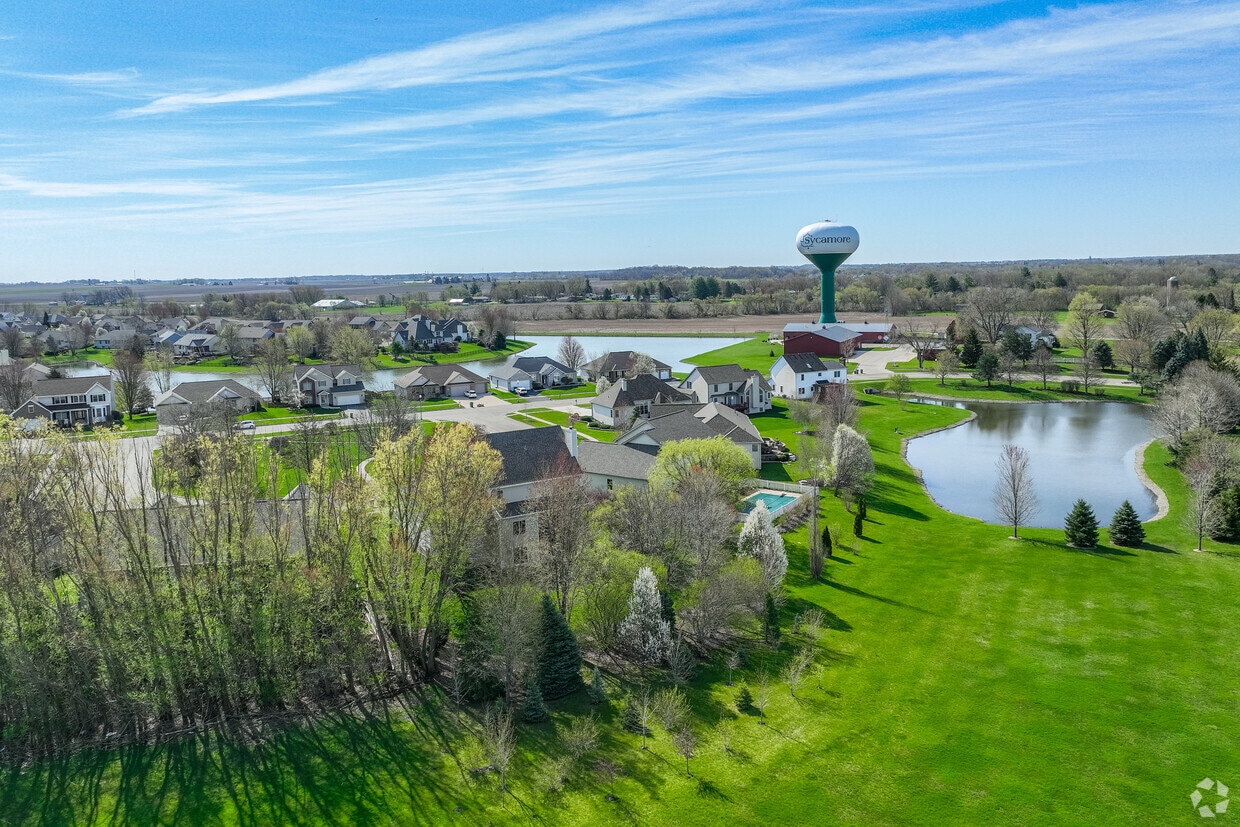
Sycamore is a scenic blend of natural splendor and modern residential convenience.
Statues remembering the Union Soldiers of Dekalb county tower outside Sycamore's courthouse.
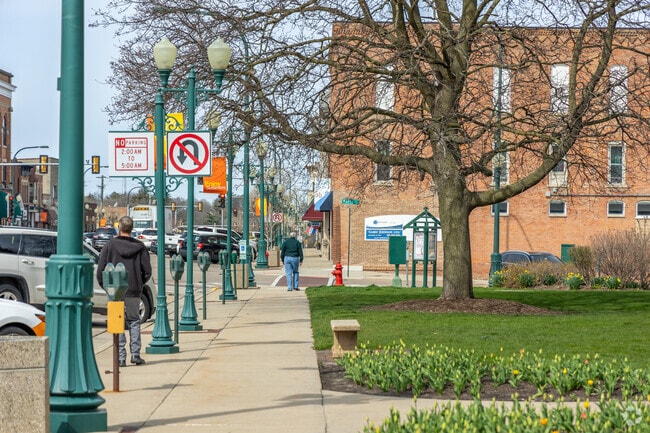
Pocket parks add a place to sit and rest downtown.
Wide sidewalks make window-shopping downtown a fun way to spend the day.
Downtown Sycamore hosts a variety of events, including the Taste of Spring, a wine-tasting event.
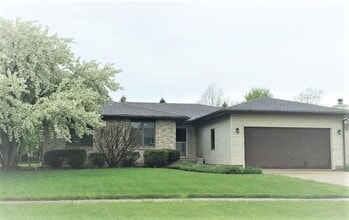
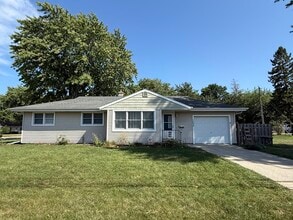
A neighborhood street lined with large homes.
Median Household Income
$80,341
Average: $95,705
Education
6,192
Residents Have a Degree
Job Market
9,958
Workers Employed
Median Age
39 Years
Largest Age Group
15-24 Years
Approximately 14% of Residents
Under 20
25%
Over 65
19%
Housing Distribution
Sycamore has more homeowners than renters.

Education Distribution
Review this city's overall education levels.

As of September 2026, the average apartment rent in Sycamore, IL is $790 for a studio, $872 for one bedroom, $1,080 for two bedrooms, and $1,156 for three bedrooms. Apartment rent in Sycamore has increased by 0.2% in the past year.
Explore how walkable, bikeable, drivable, and transit-friendly Sycamore, IL is for everyday living.
Somewhat Walkable
Walkability
Limited Public Transit
Transit
Exceptionally Drivable
Drivability
Somewhat Bikeable
Bikeability

Public
Grades K-5
261 Students

South Prairie Elementary School
Public
Grades PK-5
440 Students

Public
Grades K-5
398 Students
Public
Grades K-5
300 Students
Public
Grades K-5
295 Students
Public
Grades 6-8
833 Students
Public
Grades 9-12
1,128 Students
 The GreatSchools Rating helps parents compare schools within a state based on a variety of school quality indicators and provides a helpful picture of how effectively each school serves all of its students. Ratings are on a scale of 1 (below average) to 10 (above average) and can include test scores, college readiness, academic progress, advanced courses, equity, discipline and attendance data. We also advise parents to visit schools, consider other information on school performance and programs, and consider family needs as part of the school selection process.
View GreatSchools Rating Methodology
Data provided by
GreatSchools.org
© 2026. All rights reserved.
The GreatSchools Rating helps parents compare schools within a state based on a variety of school quality indicators and provides a helpful picture of how effectively each school serves all of its students. Ratings are on a scale of 1 (below average) to 10 (above average) and can include test scores, college readiness, academic progress, advanced courses, equity, discipline and attendance data. We also advise parents to visit schools, consider other information on school performance and programs, and consider family needs as part of the school selection process.
View GreatSchools Rating Methodology
Data provided by
GreatSchools.org
© 2026. All rights reserved.
† Our analysis of utilities, groceries, transportation, healthcare, home prices, and other goods and services is sourced from the Cost of Living Index, a respected benchmark published by the Council for Community and Economic Research (C2ER) that provides a thorough overview of living expenses across different regions.
Rent data is provided by CoStar Group’s Market Trend reports. As the industry leader in commercial real estate information, analytics, and news, CoStar conducts extensive research to produce and maintain a comprehensive database of commercial real estate information. We combine this data with public record to provide the most up-to-date rental information available.
Consumer goods, services, and home prices are sourced from the Cost of Living Index published by the Council for Community and Economic Research (C2ER). The data on this page is updated quarterly. It was last published in September 2026.
Demographic information comes from Neustar and combines detailed address data with U.S. Census and American Community Survey statistics to produce reliable local estimates.