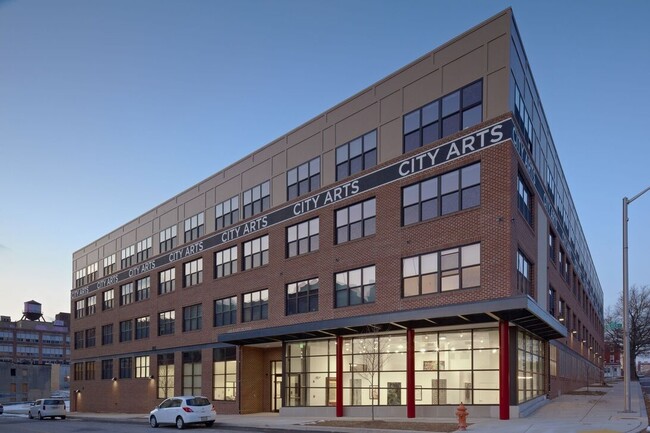
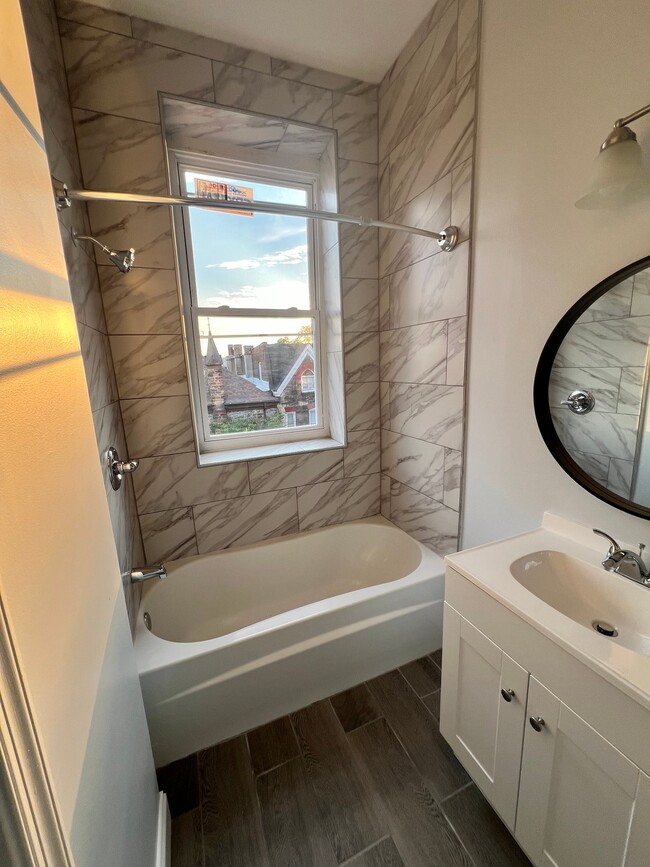
The Fitzgerald
1201 W Mt. Royal Ave,
Baltimore, MD 21217
$1,840 - $4,119
Studio - 2 Beds

Area Guide
Located in the heart of the city, just north of Downtown Baltimore, Station North Arts District was the first community to be designated an Arts and Entertainment District by the state in 2002. Station North Arts District, often shortened to Station North, provides residents with a vibrant community atmosphere anchored by the arts within minutes of countless Baltimore staples.
The Charles North, Greenmount West, and Barclay neighborhoods comprise the Station North Arts District, boasting an array of art galleries, studios, makerspaces, theaters, music venues, cafes, bookstores, and eateries in historic brick buildings. Due to the work of numerous street art programs, Station North is especially revered for its many detailed murals that adorn the district.
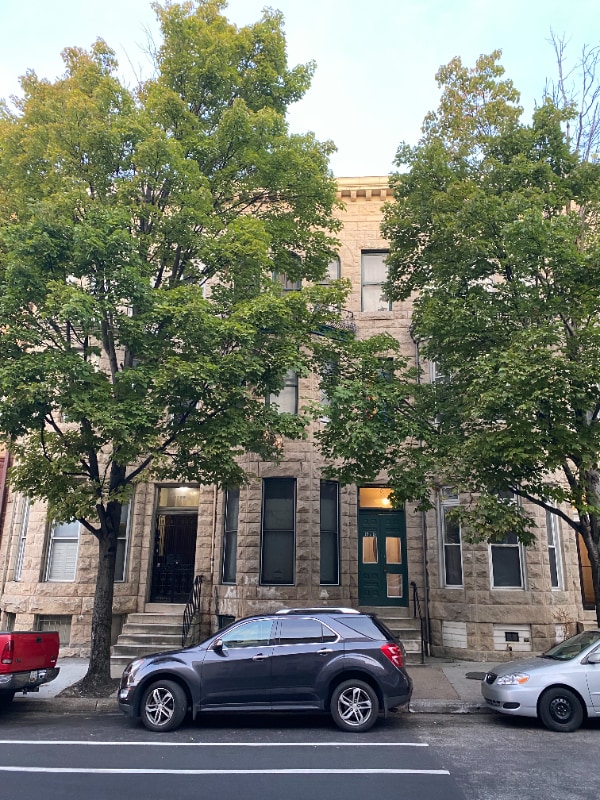
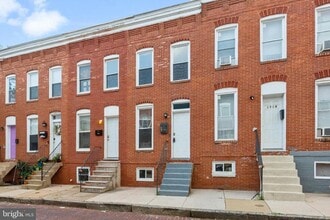
Creativity and historic charm define Station North. Rowhouses line the streets, along with a wide variety of apartments available for rent. The landmark Club Charles cocktail bar has maintained its popularity since the 1940s, while the historic Charles Theatre screens foreign and independent films in addition to hosting the Maryland Film Festival.
Station North is close to multiple institutions of higher learning, such as the Maryland Institute College of Art, the University of Baltimore, and Johns Hopkins University. Residents enjoy natural reprieves from city life at the nearby Druid Hill Park and Clifton Park. Getting around from Station North is a breeze with access to Penn Station and I-83.
As of September 2026, the average apartment rent in Station North Arts District is $1,409 for a studio, $1,441 for one bedroom, $1,666 for two bedrooms, and $2,609 for three bedrooms. Apartment rent in Station North Arts District has increased by 3.5% in the past year.
Studio
473 sq ft
Average Sq Ft
$1,409/month
Average Rent
1 BR
685 sq ft
Average Sq Ft
$1,441/month
Average Rent
2 BR
935 sq ft
Average Sq Ft
$1,666/month
Average Rent
3 BR
1,712 sq ft
Average Sq Ft
$2,609/month
Average Rent
Explore how walkable, bikeable, drivable, and transit-friendly Station North Arts District - Baltimore, MD is for everyday living.
Very Walkable
Walkability
Exceptional Public Transit
Transit
Very Drivable
Drivability
Fairly Bikeable
Bikeability
In Station North Arts District - Baltimore, MD, daily errands are quick and hassle-free.
Supermarket Within a 5 Minute Walk
Groceries
Exceptional Restaurant Variety Nearby
Restaurants
Exceptional Café Variety Nearby
Cafes
Exceptional Variety of Shops Nearby
Shopping
Station North Arts District - Baltimore, MD provides green space and wellness resources in certain areas.
Large Amount of Park Space Nearby
Parks
Good Wellness Amenity Variety Nearby
Wellness
Get a sense of what it’s like to live in Station North Arts District - Baltimore, MD from everyday activity to noise and nightlife.
Vibrant Atmosphere
Vibrancy
Exceptional Nightlife Variety Nearby
Nightlife

† Our analysis of utilities, groceries, transportation, healthcare, home prices, and other goods and services is sourced from the Cost of Living Index, a respected benchmark published by the Council for Community and Economic Research (C2ER) that provides a thorough overview of living expenses across different regions.
Rent data is provided by CoStar Group’s Market Trend reports. As the industry leader in commercial real estate information, analytics, and news, CoStar conducts extensive research to produce and maintain a comprehensive database of commercial real estate information. We combine this data with public record to provide the most up-to-date rental information available.
Consumer goods, services, and home prices are sourced from the Cost of Living Index published by the Council for Community and Economic Research (C2ER). The data on this page is updated quarterly. It was last published in September 2026.
Demographic information comes from Neustar and combines detailed address data with U.S. Census and American Community Survey statistics to produce reliable local estimates.