10 Best Places to Celebrate Mardi Gras in the U.S.
If you love Mardi Gras, live somewhere that shares your passion! Explore other cities that host the biggest celebrations in the U.S.
Avg Rent
$1,156
Population
279,287
Renter Mix
60% Rent
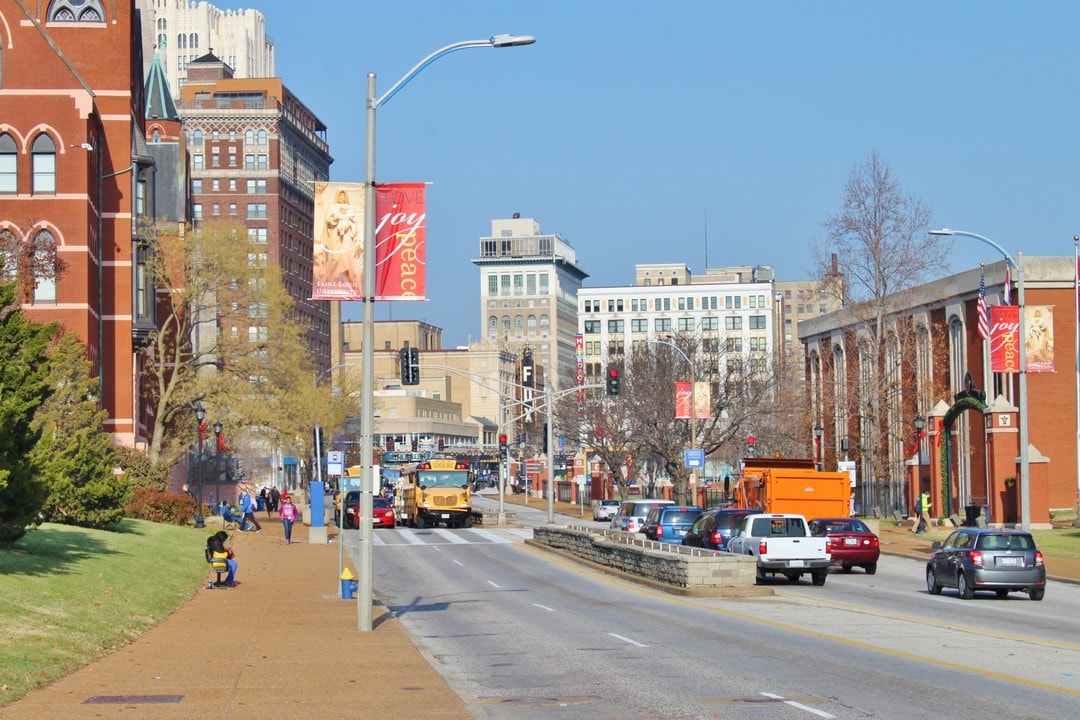
Sitting at the edge of the Mississippi River and standing tall with the Gateway Arch is St. Louis. Founded in 1764, this Midwestern hub has grown into a metro with over 2.8 million people.
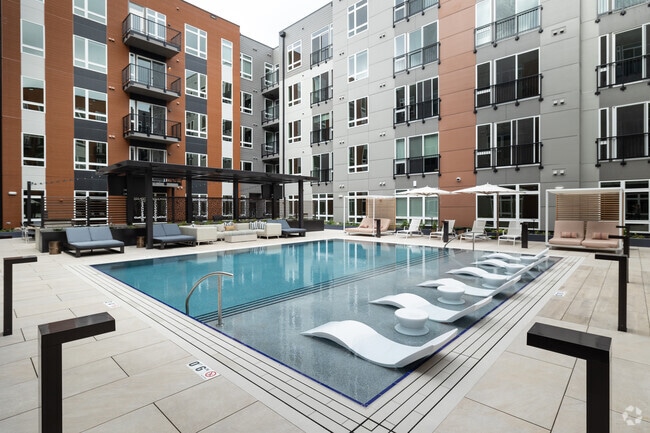
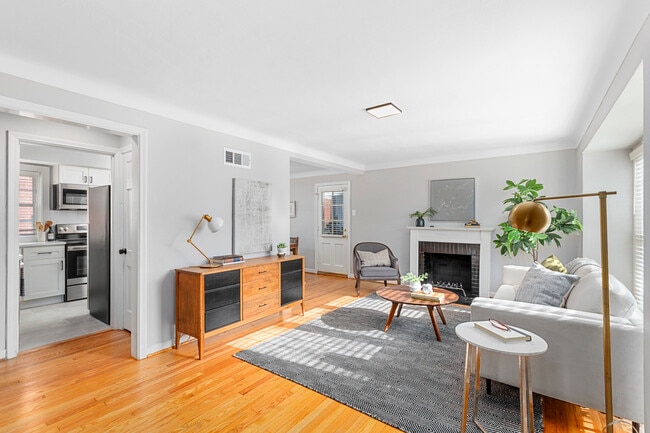
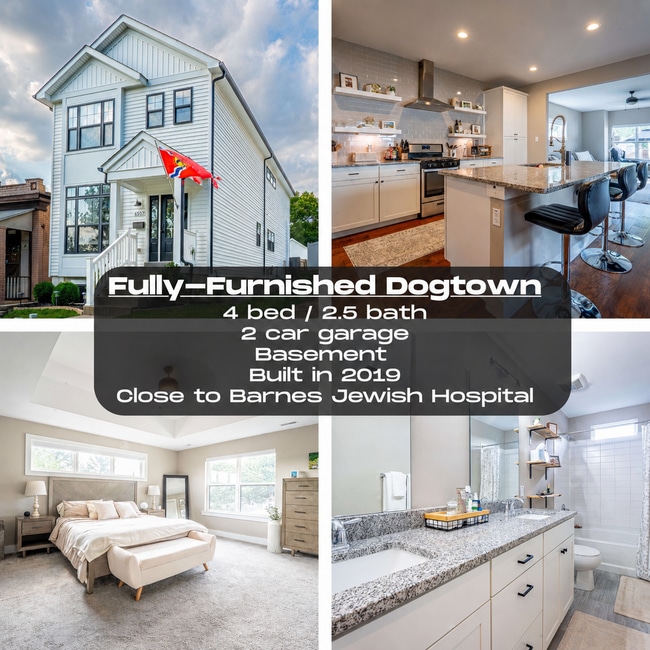
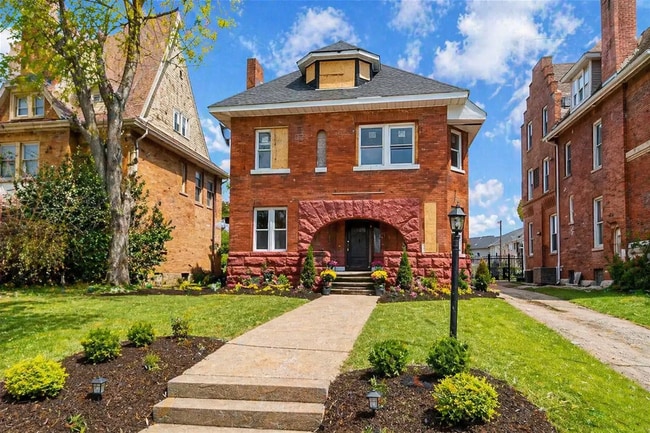
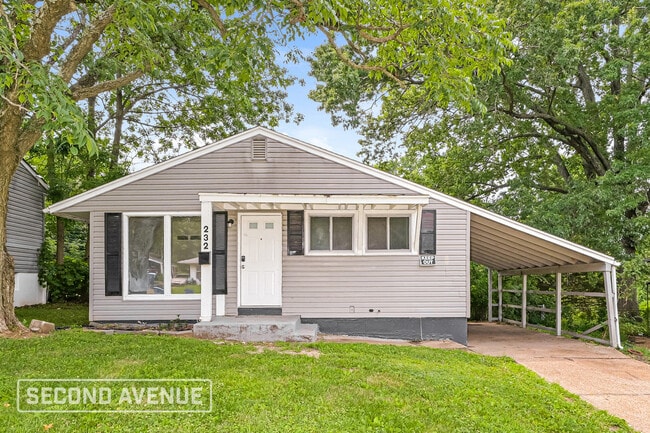
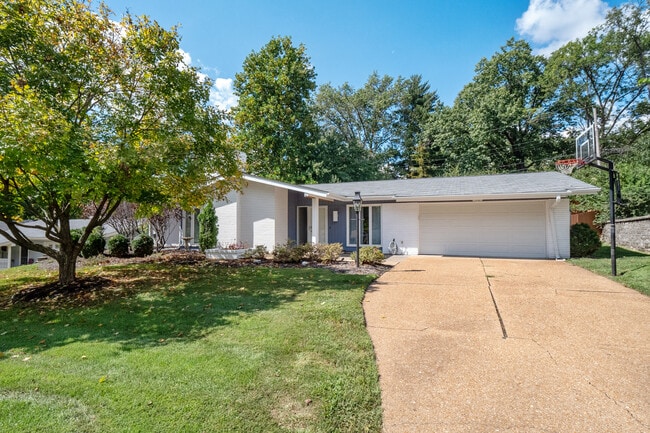
When it comes to finding a place to live, St. Louis has a wide range of options without the high price tag found in other comparable cities. Renters can choose from beautifully restored brick row houses or lofts converted from historic warehouses. Upscale high-rise apartment communities downtown and garden-style options tucked into residential suburbs are housing options awaiting renters in St. Louis.
Washington University in St. Louis and Saint Louis University both call the city home, contributing to a bustling atmosphere and thriving cultural scene. St. Louis also hosts the beloved Fair St. Louis, a massive Fourth of July celebration held at the Arch grounds that draws thousands of visitors and has been a city tradition for decades.
Whether you're drawn to the residential streets in Tower Grove Park or the energy of Midtown's arts district, St. Louis can make any renter feel right at home.
St. Louis' famous Gateway Arch is in the heart of Downtown St. Louis.
Washington Avenue in St. Louis is a hot spot for shopping and nightlife.
Catch a Cardinals game at Busch Stadium.
Discover urban sculptures & peace at the St Louis City Garden.
Residents of Downtown St. Louis can use the Metro for travel to the suburbs.
Residents of Downtown St. Louis can use the Metro for travel to the suburbs.
Median Household Income
$50,989
Average: $70,508
Education
92,831
Residents Have a Degree
Job Market
143,578
Workers Employed
Median Age
38 Years
Largest Age Group
30-39 Years
Approximately 18% of Residents
Under 20
22%
Over 65
17%
Housing Distribution
Saint Louis has more renters than homeowners.

Education Distribution
Review this city's overall education levels.

As of September 2026, the average apartment rent in Saint Louis, MO is $1,022 for a studio, $1,157 for one bedroom, $1,384 for two bedrooms, and $1,646 for three bedrooms. Apartment rent in Saint Louis has increased by 1.7% in the past year.

10 Best Places to Celebrate Mardi Gras in the U.S.
If you love Mardi Gras, live somewhere that shares your passion! Explore other cities that host the biggest celebrations in the U.S.

Five Most Affordable Neighborhoods in St. Louis, MO
If you're planning a move to St. Louis, check out our list of the most affordable neighborhoods.

Best Neighborhoods in St. Louis, MO for Renters
Thinking about moving to St. Louis but don’t know where to look? Here are five neighborhoods to start your search.
Explore how walkable, bikeable, drivable, and transit-friendly Saint Louis, MO is for everyday living.
Moderately Walkable
Walkability
Some Public Transit
Transit
Moderately Drivable
Drivability
Moderately Bikeable
Bikeability

Cote Brilliante Elementary School
Public
Grades PK-6
169 Students

Public
Grades 6-8
182 Students
Public
Grades 6-8
57 Students
 The GreatSchools Rating helps parents compare schools within a state based on a variety of school quality indicators and provides a helpful picture of how effectively each school serves all of its students. Ratings are on a scale of 1 (below average) to 10 (above average) and can include test scores, college readiness, academic progress, advanced courses, equity, discipline and attendance data. We also advise parents to visit schools, consider other information on school performance and programs, and consider family needs as part of the school selection process.
View GreatSchools Rating Methodology
Data provided by
GreatSchools.org
© 2026. All rights reserved.
The GreatSchools Rating helps parents compare schools within a state based on a variety of school quality indicators and provides a helpful picture of how effectively each school serves all of its students. Ratings are on a scale of 1 (below average) to 10 (above average) and can include test scores, college readiness, academic progress, advanced courses, equity, discipline and attendance data. We also advise parents to visit schools, consider other information on school performance and programs, and consider family needs as part of the school selection process.
View GreatSchools Rating Methodology
Data provided by
GreatSchools.org
© 2026. All rights reserved.
† Our analysis of utilities, groceries, transportation, healthcare, home prices, and other goods and services is sourced from the Cost of Living Index, a respected benchmark published by the Council for Community and Economic Research (C2ER) that provides a thorough overview of living expenses across different regions.
Rent data is provided by CoStar Group’s Market Trend reports. As the industry leader in commercial real estate information, analytics, and news, CoStar conducts extensive research to produce and maintain a comprehensive database of commercial real estate information. We combine this data with public record to provide the most up-to-date rental information available.
Consumer goods, services, and home prices are sourced from the Cost of Living Index published by the Council for Community and Economic Research (C2ER). The data on this page is updated quarterly. It was last published in September 2026.
Demographic information comes from Neustar and combines detailed address data with U.S. Census and American Community Survey statistics to produce reliable local estimates.