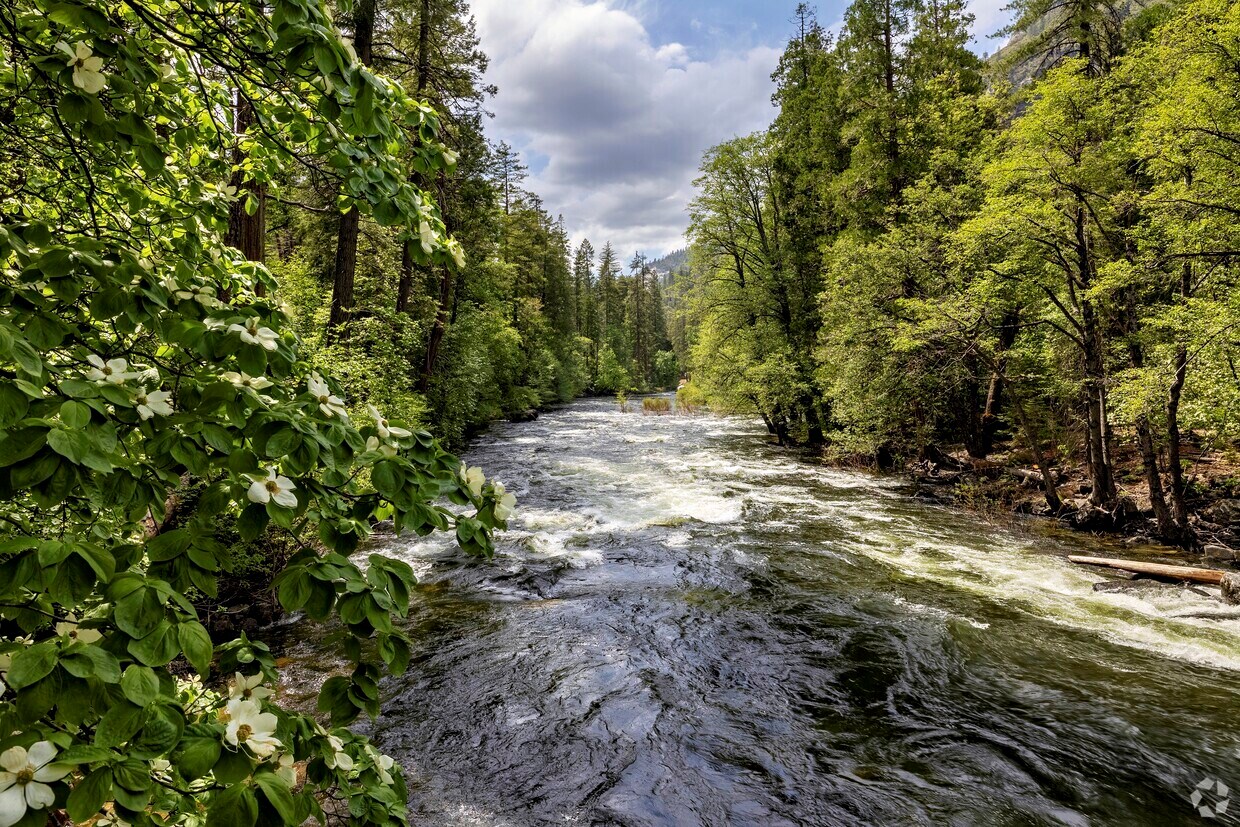
View the beautiful lakes and streams at Yosemite National Park near Outer East Stanislaus Knight
Enjoy authentic Native American art and crafts at Heritage Park Indian Market in Tuolumne East Oakdale.

Sonora, CA

Area Guide

Avg Rent

$1,243

Population

4,819

Renter Mix

55% Rent

Welcome to the heart of Gold Country

Historic Mountains Yosemite

Sonora is the county seat of Tuolumne County and the heart of California's Gold Country, sitting in the Sierra Nevada Foothills at about 1,800 feet in elevation. Founded during the California Gold Rush by miners from Sonora, Mexico, the city has held onto its historic character through well-preserved downtown architecture, including false-front buildings, wooden awnings, and wrought-iron railings that reflect the 1800s. Renters looking for apartments for rent in Sonora will find a small but lively community with a population of around 5,000 people, offering a quieter pace of life compared to California's larger metro areas.

Sonora's downtown district is the center of daily life, with local restaurants, boutique shops, and art galleries all within easy reach. Renters can choose from a mix of housing options, including apartments and condos in and around the downtown core, as well as townhomes and houses in the surrounding residential neighborhoods. Railtown 1897 State Historic Park and Columbia State Historic Park are both just a short drive away, offering weekend recreation without leaving the area. Stanislaus National Forest, roughly 15 miles east, draws outdoor enthusiasts to hiking, camping, and river rafting throughout the year. Sonora also serves as a gateway city to Yosemite National Park, located about 70 miles southeast.

For commuters, Highway 108 and Highway 49 are the main routes connecting Sonora to surrounding towns and employment centers. Tuolumne County is the primary public-sector employer in the area, along with Adventist Health Sonora, one of the region's largest healthcare providers. Tuolumne Utilities District and local retail and tourism businesses also support steady employment in the area. Tuolumne County Transit provides local bus service for residents without personal vehicles. Whether you are drawn by the Gold Rush history, the access to outdoor recreation, or the close-knit community feel, Sonora offers a distinctive option for renters seeking life in the Sierra Nevada Foothills.

Demographics

Median Household Income

$57,954

Average: $77,709

Education

1,289

Residents Have a Degree

Job Market

2,147

Workers Employed

Age Distribution
Get a sense of this area's population profile.

Median Age

42 Years

Largest Age Group

30-39 Years

Approximately 14% of Residents

Under 20

21%

Over 65

22%
Housing Distribution

Sonora has more renters than homeowners.

Renters
55%
Non-Renters
45%

Education Distribution

Review this city's overall education levels.

Bachelor's or Higher
19%
Other Education
81%

Rent Trends

As of June 2026, the average apartment rent in Sonora, CA is $1,358 for a studio, $1,243 for one bedroom, $1,397 for two bedrooms, and $1,123 for three bedrooms. Apartment rent in Sonora has increased by 1.9% in the past year.

Property Type
Average Rent
Average Sq Ft
Apartment
$1,243/month
589 Sq Ft
See Rental Market Trends in Sonora, CA

Getting Around

Fairly Walkable

Walkability

50 / 100

Limited Public Transit

Transit

20 / 100

Moderately Drivable

Drivability

70 / 100

Somewhat Bikeable

Bikeability

20 / 100

Schools

Gold Rush Charter School

Public

Grades K-12

430 Students

Sonora Elementary

Public

Grades K-8

643 Students

Sonora Elementary School

Public

Grades K-8

643 Students

Belleview Elementary School

Public

Grades K-8

148 Students

Curtis Creek Elementary School

Public

Grades K-8

410 Students

Gold Rush Charter School

Public

Grades K-12

430 Students

Sonora Elementary

Public

Grades K-8

643 Students

Sonora Elementary School

Public

Grades K-8

643 Students

Belleview Elementary School

Public

Grades K-8

148 Students

Curtis Creek Elementary School

Public

Grades K-8

410 Students

Sonora High

Public

Grades 9-12

880 Students

Sonora High School

Public

Grades 9-12

880 Students

Gold Rush Charter School

Public

Grades K-12

430 Students

Tuolumne County Special Education School

Public

Grades K-12

42 Students

Points of Interest

Parks and Recreation

  • Railtown 1897 State Historic Park
  • Columbia Historic State Park
  • Moaning Cavern

Top Apartments in Sonora

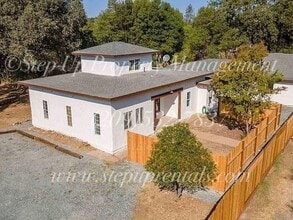
Houses for Rent in Sonora

Living in Sonora

History

-

Sonora's roots stretch back to 1848, when Mexican miners from Sonora, Mexico, arrived in the Sierra Nevada Foothills seeking fortune during the California Gold Rush. These Sonorans were among the most experienced miners of the era, and they quickly established a booming center of industry and trade in what became known as California's Mother Lode. Today, the heart of downtown Sonora still reflects that frontier heritage, with false-front architecture, wooden awnings, and wrought-iron balconies lining the streets. Walking through the historic shopping district feels like stepping back to the Gold Rush days, minus the dust and chaos of the mining camps.

The surrounding area offers even more windows into the past. Just a few miles away, Columbia Historic State Park preserves an entire Gold Rush-era town where visitors can explore original buildings and experience what life was like in the 1850s. Railtown 1897 State Historic Park, also nearby, showcases vintage locomotives and railroad history that shaped the region's development. Sonora is the cultural center of the region today, but its well-preserved architecture and proximity to these living history sites mean the Gold Rush era remains more than just a memory.

Restaurants

-

Downtown Washington Street has locally-owned restaurants that offer everything from classic American fare and international cuisines to cafes where locals gather for brunch. Beyond downtown, Sonora's dining options extend to pizzerias, Asian cuisine, and barbecue joints that cater to diverse tastes. The city's location in Tuolumne County means fresh, seasonal ingredients often make their way onto local menus, and several establishments emphasize farm-to-table preparations. Wine country proximity also influences the dining culture, with many restaurants featuring California wines alongside their menus.

Transportation

-

State Route 49 runs through the heart of the city, connecting Sonora to historic communities throughout the Mother Lode region, while State Route 108 provides east-west access, leading to the high Sierra Nevada passes and eventually into Nevada. For longer trips, Highway 120 offers seasonal access to Yosemite National Park's northern entrance at Big Oak Flat, making it a popular corridor during summer months. The area is primarily car-dependent given its rural location, but downtown Sonora features a walkable historic core where shops, restaurants, and services cluster along Washington Street and nearby blocks.

Public transportation in the region is provided by Tuolumne County Transit, which operates fixed routes and dial-a-ride services connecting Sonora with surrounding communities including Jamestown, Twain Harte, and Columbia. For air travel, residents typically drive about two hours west to Stockton Metropolitan Airport or continue roughly two and a half hours to Sacramento International Airport for more extensive flight options. Modesto City-County Airport is also a regional alternative approximately 60 miles to the west. While the area lacks commuter rail service, the car-oriented lifestyle suits the mountain geography, and residents appreciate the scenic drives through pine-studded foothills and historic mining towns that characterize daily travel in this part of the Sierra Nevada.

Parks

-

Sonora maintains several neighborhood parks with playgrounds and picnic areas, while Coffill Park serves as a local gathering spot with sports fields and facilities for community events. Residents seeking more extensive trails and natural areas often venture to nearby Dragoon Gulch Trail, which winds through oak woodlands and offers views of the surrounding hills. The region's varied terrain supports hiking, mountain biking, and wildlife observation throughout the year.

The proximity to Stanislaus National Forest expands recreational possibilities considerably, providing access to camping, fishing, and seasonal activities in higher elevations. Woods Creek runs through the area, adding a riparian corridor that attracts birds and provides a natural backdrop for local parks. The Tuolumne County Parks system organizes seasonal programs and events that bring neighbors together for outdoor activities, from summer concerts to nature walks. These green spaces and recreational areas provide important connections to both the community and the natural landscapes that define the region.

Cost

-

Sonora offers a more affordable cost of living compared to many California cities, particularly those along the coast. The town's location in the Sierra Nevada foothills provides a budget-friendly alternative while still maintaining access to California's natural beauty. Average rent for a one-bedroom apartment in Sonora typically ranges from $1,000 to $1,400 per month, while two-bedroom units generally fall between $1,300 and $1,800. These prices sit below the California state average, where median rents often exceed $2,000 for comparable units. Housing costs reflect the area's rural character and smaller population, making it an attractive option for those seeking to escape higher-priced metropolitan markets. Daily expenses like groceries, utilities, and transportation also tend to run lower than in larger California cities, though residents should consider that wages in the area may be proportionally lower as well. Overall, Sonora presents a balanced cost of living that appeals to renters looking for California living without the premium price tag.

Shopping

-

Shopping in Sonora offers a charming Gold Rush-era experience centered around the historic downtown district along Washington Street. This main retail corridor features beautifully preserved 19th-century buildings housing antique shops, boutiques, and specialty stores that cater to both residents and tourists exploring California's Mother Lode region. The downtown area has maintained its authentic character while providing a range of shopping options, from home décor and gifts to western wear and local artisan goods. Beyond downtown, shoppers can find practical retail options at the Crossroads Shopping Center and other commercial areas along Highway 108 and Highway 49, where you'll discover grocery stores, chain retailers, and everyday services.

The Sonora Certified Farmers Market brings fresh local produce, baked goods, and handcrafted items to the community from May through October, typically setting up in downtown Sonora. This seasonal market provides an opportunity to connect with local growers and artisans while picking up farm-fresh vegetables, fruits, honey, and other regional specialties. The area's shopping scene reflects the town's rich history and its position as the commercial hub of Tuolumne County, offering a mix of nostalgic charm and practical retail conveniences that serve the needs of mountain community residents.

Search Nearby Rentals

Methodology

† Our analysis of utilities, groceries, transportation, healthcare, home prices, and other goods and services is sourced from the Cost of Living Index, a respected benchmark published by the Council for Community and Economic Research (C2ER) that provides a thorough overview of living expenses across different regions.

Rent data is provided by CoStar Group’s Market Trend reports. As the industry leader in commercial real estate information, analytics, and news, CoStar conducts extensive research to produce and maintain a comprehensive database of commercial real estate information. We combine this data with public record to provide the most up-to-date rental information available.

Consumer goods, services, and home prices are sourced from the Cost of Living Index published by the Council for Community and Economic Research (C2ER). The data on this page is updated quarterly. It was last published in June 2026.

Demographic information comes from Neustar and combines detailed address data with U.S. Census and American Community Survey statistics to produce reliable local estimates.