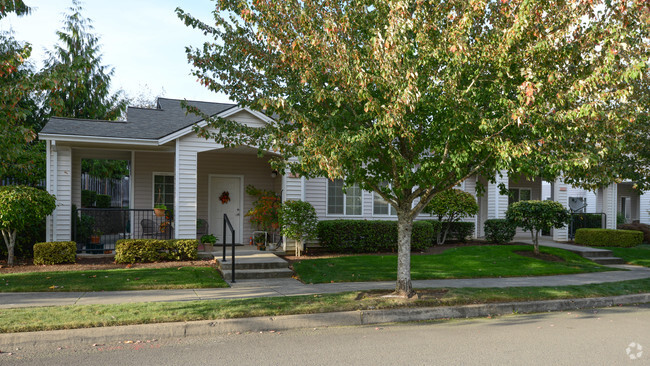
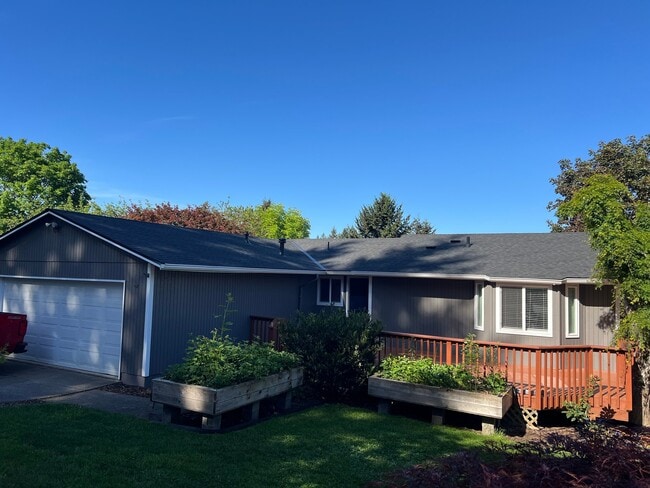
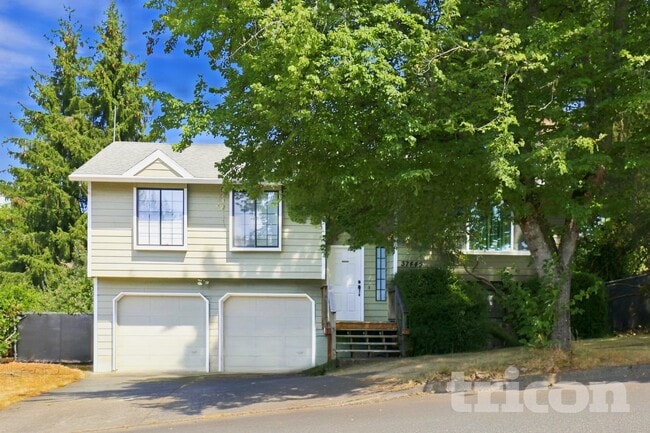
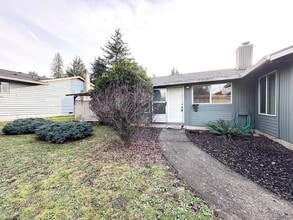
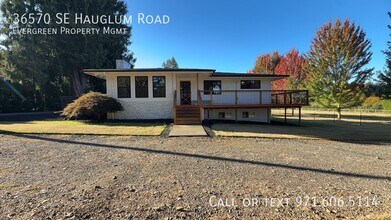
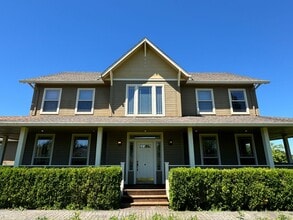
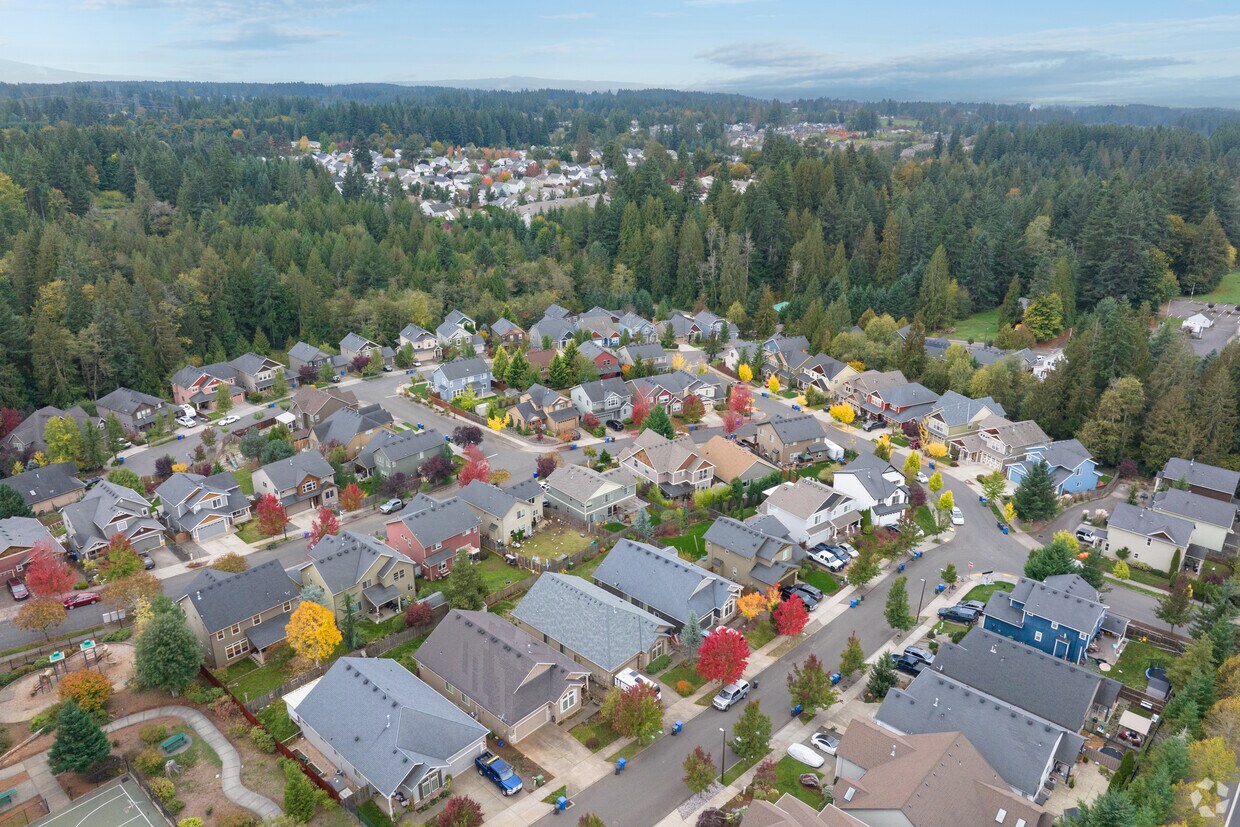
Many of the homes in Sandy occupy large lots with plenty of space to grow.
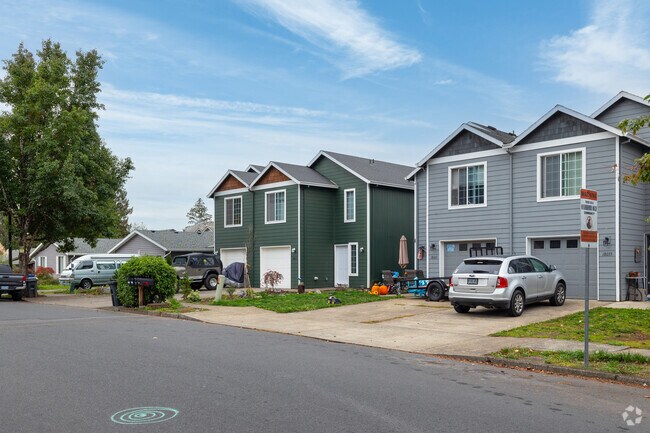
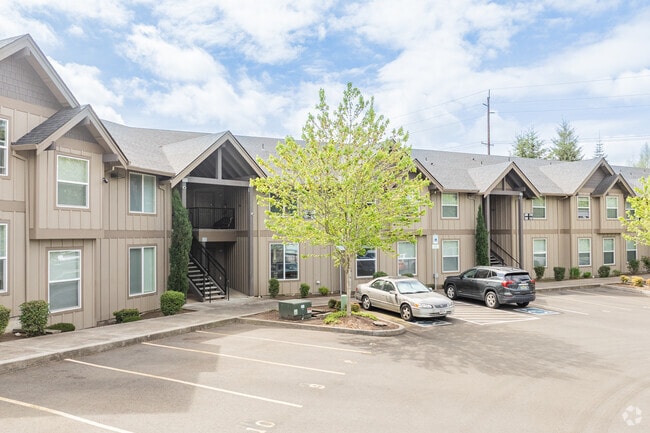
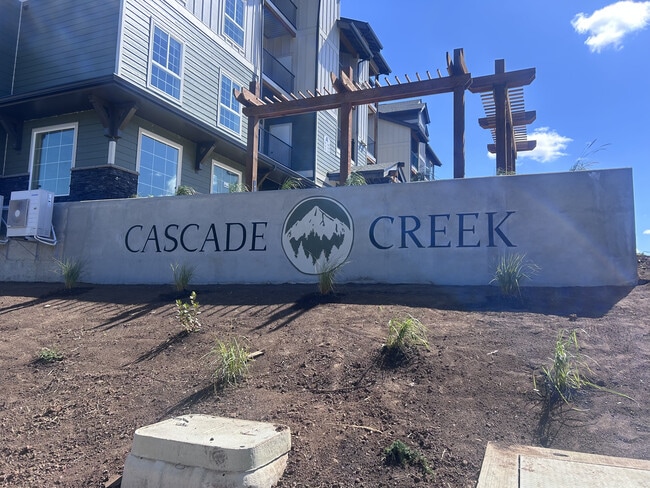
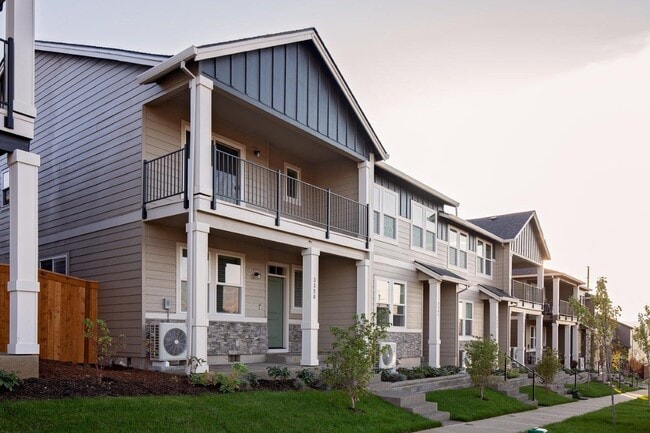
Townhomes along Bluff Rd provide housing for multiple families in Sandy.
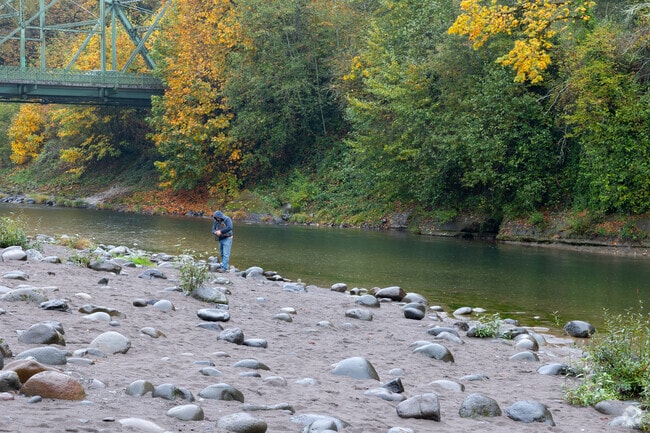
A man fishes along the Sandy River just northeast of Sandy.
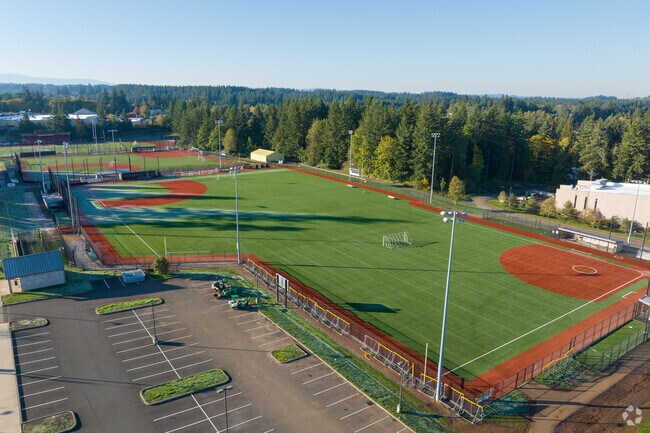
Bell Street Fields provide plenty of space for sports on Bell St in Sandy.
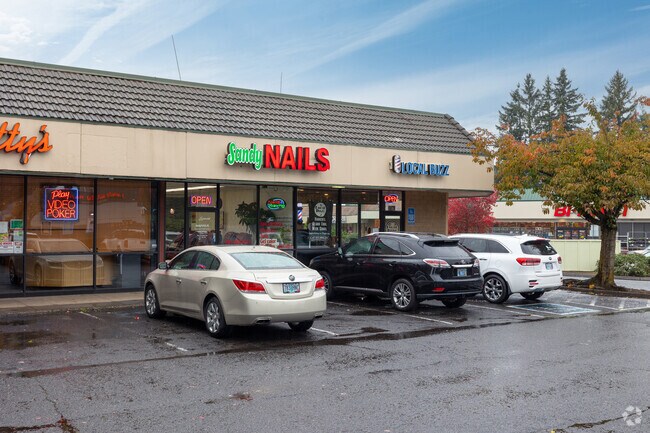
Several shopping centers have a variety of retail along highway 26 in Sandy.

Sandy, OR

Area Guide

Avg Rent

$1,660

Population

12,607

Renter Mix

29% Rent

Experience the natural splendor of Oregon with Portland at arm’s reach

Suburb Commuter Scenic

Sitting at the western edge of the Mount Hood Corridor in Clackamas County, Sandy, Oregon has deep roots that stretch back to the Oregon Trail era. The city's location along historic Barlow Road drew early settlers in 1853, and today it's the gateway between the Portland metro area and the Cascade Mountain Range. Renters looking for apartments for rent in Sandy will find a small but well-connected city of about 12,600 residents, with easy access to the outdoors alongside everyday conveniences along Mt. Hood Highway.

Apartment communities in Sandy offer a mix of garden-style apartments, townhomes, and single-family rental homes spread across a compact, walkable footprint of just four square miles. The commercial district along Mt. Hood Highway is lined with locally owned cafes, pubs, and shops, while larger shopping centers on the west side of town handle everyday errands. Sandy Marketplace and Sandy Shops give residents quick access to groceries and retail close to home. Outdoor recreation is a major draw, with Oxbow Regional Park, Bonnie Lure State Recreation Area, and Dabney State Recreation Area all within a short drive. For those who enjoy winter sports, ski resorts on Mount Hood are accessible within the hour.

Commuting from Sandy is straightforward for those heading into the Portland metro area, with US-26 connecting the city to downtown Portland in roughly 30 to 45 minutes depending on traffic. Portland International Airport is about 25 miles away, or approximately 41 minutes by car, making travel convenient for frequent flyers. Renters who pursue higher education will find Mount Hood Community College reachable within 23 minutes and Clackamas Community College within about 32 minutes. Sandy's position between a major metro area and one of Oregon's most iconic natural landmarks makes it a practical and scenic place to call home.

Explore the City

A man fishes along the Sandy River just northeast of Sandy.

Bell Street Fields provide plenty of space for sports on Bell St in Sandy.

Several shopping centers have a variety of retail along highway 26 in Sandy.

Kids can play on the expansive playground at Meinig Memorial Park on Meinig Avenue in Sandy.

Stretch your legs at the Tickle Creek Park and Trail on Dubarko Rd in Sandy.

People get around Sandy at the Transit center along Pioneer Blvd.

Demographics

Median Household Income

$94,176

Average: $109,317

Education

2,518

Residents Have a Degree

Job Market

6,439

Workers Employed

Age Distribution
Get a sense of this area's population profile.

Median Age

38 Years

Largest Age Group

35-44 Years

Approximately 16% of Residents

Under 20

27%

Over 65

15%
Housing Distribution

Sandy has more homeowners than renters.

Renters
29%
Non-Renters
71%

Education Distribution

Review this city's overall education levels.

Bachelor's or Higher
16%
Other Education
84%

Rent Trends

As of June 2026, the average apartment rent in Sandy, OR is $1,470 for a studio, $1,660 for one bedroom, $1,573 for two bedrooms, and $1,953 for three bedrooms. Apartment rent in Sandy has decreased by -0.3% in the past year.

Property Type
Average Rent
Average Sq Ft
Apartment
$1,660/month
729 Sq Ft
See Rental Market Trends in Sandy, OR

Getting Around

Somewhat Walkable

Walkability

30 / 100

Minimal Public Transit

Transit

10 / 100

Exceptionally Drivable

Drivability

100 / 100

Somewhat Bikeable

Bikeability

30 / 100

Schools

Firwood Elementary School

Public

Grades K-5

479 Students

Sandy Grade School

Public

Grades K-5

335 Students

Cedar Ridge Middle School

Public

Grades 6-8

442 Students

Sandy High School

Public

Grades 9-12

1,440 Students

Points of Interest

Parks and Recreation

  • Philip Foster Farm
  • Bonnie Lure State Recreation Area
  • Oxbow Regional Park
  • Dabney State Recreation Area
  • George W. Joseph State Natural Area

Airports

  • Portland International

Top Apartments in Sandy

Houses for Rent in Sandy

Living in Sandy

History

-

Sandy sits at the western gateway to the Mount Hood Corridor, a location that shaped its earliest days as a vital waypoint along the historic Barlow Road. This portion of the Oregon Trail brought pioneers through the area starting in the 1840s, and settlers Francis and Lydia Revenue established a trading post and hotel here to serve travelers passing through. Today, visitors can explore nearby Philip Foster Farm, a preserved Oregon Trail site that offers a glimpse into the region's pioneer heritage. The town takes its name from the Sandy River, which Meriwether Lewis and William Clark named the "Quicksand River" during their 1805 expedition due to the sandy banks that still characterize the waterway.

Architectural traces of Sandy's logging and sawmill past remain visible throughout the downtown area, particularly along Proctor Boulevard, where early 20th-century commercial buildings tell the story of the timber industry that once dominated the local economy. St. Michael's Roman Catholic Church, originally established by Benedictine monks in 1894, remains an active congregation, though the current structure replaced the original after a fire. The city celebrates its heritage each summer during the Sandy Mountain Festival at Meinig Memorial Park, named after Friedrich Meinig, a German immigrant who was instrumental in the town's early growth. For history enthusiasts, the Clackamas County Bank building stands as Oregon's oldest community bank, operating continuously since 1916 and offering a tangible connection to Sandy's evolution from logging outpost to residential community.

Restaurants

-

Sandy's dining scene reflects its mountain town character, offering a welcoming mix of comfort food establishments and local favorites that cater to both residents and visitors on their way to Mount Hood. Tollgate Inn Restaurant & Saloon has been a longtime community gathering spot known for its homestyle cooking and friendly atmosphere, while Smoky Hearth Restaurant Bar & Grill wood-fired pizza alongside craft beer, and Joe's Donut Shop remains a morning tradition for fresh pastries and coffee before heading up the mountain.

Transportation

-

Sandy sits along U.S. Highway 26, the main transportation corridor connecting the town to the Portland metropolitan area about 27 miles to the west. This scenic route is the primary commuter link for residents who work in the city while enjoying a more rural lifestyle near Mount Hood. The highway also provides direct access to the mountain's ski resorts and recreation areas, making it a well-traveled road year-round. Within Sandy, travel is largely car-dependent, with most residents relying on personal vehicles for daily errands and commuting. SAM (Sandy Area Metro) provides public transit service with limited routes connecting neighborhoods to local destinations and offering links to Gresham, where riders can connect to TriMet's MAX Light Rail system for access to downtown Portland and other parts of the metro area.

The nearest major airport is Portland International Airport, located approximately 40 miles northwest of Sandy, typically a 50-minute drive depending on traffic conditions. For those seeking more walkable environments, downtown Sandy offers a compact core where shops, restaurants, and services cluster along Highway 26, though most areas of town require a vehicle for convenient access. Bike enthusiasts find opportunities along quieter rural roads, though dedicated bike infrastructure remains limited compared to larger cities. The community's location makes it a gateway for Mount Hood travelers while maintaining reasonable proximity to Portland's employment centers and amenities.

Parks

-

Sandy is a gateway to Mount Hood and offers residents abundant access to outdoor recreation throughout the year. Meinig Memorial Park anchors the city's park system with sports fields, picnic areas, playgrounds, and a skate park. The park also features tennis courts and open green spaces ideal for casual gatherings and community events. Sandy's proximity to the Sandy River provides opportunities for fishing, kayaking, and riverside trails that connect residents to the natural beauty of the Cascade foothills.

The city maintains several smaller neighborhood parks and green spaces that serve local residents with walking paths and play structures. Seasonal activities include summer concerts in the park, youth sports leagues, and community festivals that bring neighbors together. The nearby Mount Hood National Forest expands recreational possibilities exponentially, offering hiking, mountain biking, and winter sports within a short drive. These outdoor amenities contribute to Sandy's active, nature-oriented community culture and provide residents with diverse options for recreation and relaxation year-round.

Cost

-

Sandy offers a cost of living that reflects its position as a gateway city to Mount Hood, balancing small-town appeal with proximity to the Portland metro area. As a smaller community in Clackamas County, housing costs tend to be more moderate than in nearby Portland, though the area has seen growth in recent years. Average rent for a one-bedroom apartment in Sandy typically ranges from $1,200 to $1,500 per month, while two-bedroom units generally fall between $1,500 and $1,900. These rates are comparable to other smaller Oregon cities outside major urban centers, and they remain below Portland's average rents by several hundred dollars. Overall living expenses, including groceries, utilities, and transportation, align closely with state averages. For those seeking mountain community living with reasonable access to urban amenities, Sandy presents a middle ground between rural affordability and metropolitan convenience.

Shopping

-

Pioneer Boulevard is the main retail corridor, where locally owned businesses cater to both residents and visitors heading to Mount Hood. The Sandy Farmers Market operates seasonally, bringing fresh produce, artisan foods, and handcrafted goods to the community during warmer months. Local shops specialize in outdoor equipment and mountain sports gear, reflecting the town's gateway location to Mount Hood recreation areas.

Residents appreciate the mix of independent retailers and essential services concentrated along the historic downtown district. Antique shops, gift boutiques, and home goods stores provide opportunities for browsing unique finds. While Sandy maintains its small-town character without large shopping centers, nearby communities offer additional retail options for those seeking broader selection. The shopping scene reflects the community's connection to the outdoors and its role as a welcoming stop for mountain adventurers and day-trippers exploring the scenic Clackamas County landscape.

Search Nearby Rentals

Methodology

† Our analysis of utilities, groceries, transportation, healthcare, home prices, and other goods and services is sourced from the Cost of Living Index, a respected benchmark published by the Council for Community and Economic Research (C2ER) that provides a thorough overview of living expenses across different regions.

Rent data is provided by CoStar Group’s Market Trend reports. As the industry leader in commercial real estate information, analytics, and news, CoStar conducts extensive research to produce and maintain a comprehensive database of commercial real estate information. We combine this data with public record to provide the most up-to-date rental information available.

Consumer goods, services, and home prices are sourced from the Cost of Living Index published by the Council for Community and Economic Research (C2ER). The data on this page is updated quarterly. It was last published in June 2026.

Demographic information comes from Neustar and combines detailed address data with U.S. Census and American Community Survey statistics to produce reliable local estimates.