Median Age
31 Years
Largest Age Group
20-29 Years
Approximately 26% of Residents
Under 20
22%
Over 65
14%

Avg Rent
$687
Population
20,724
Renter Mix
63% Rent
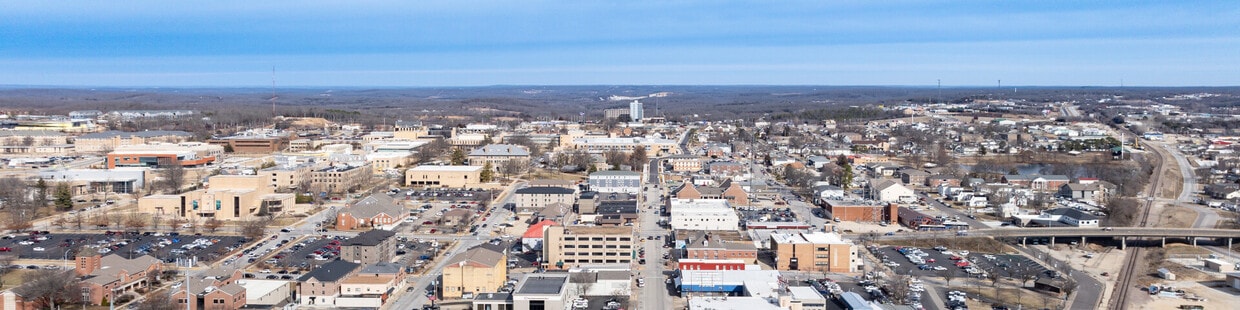
Rolla is a small city in central Missouri, located roughly halfway between Saint Louis and Springfield along Interstate 44. The city is perhaps best known as the home of Missouri University of Science and Technology, which serves around 9,000 students from around the world and operates as one of the community’s biggest employers. The Downtown district along Pine Street is just a short walk from campus, providing a diverse mix of shopping, dining, and nightlife catering to the college crowd and locals alike.
The landscape surrounding Rolla is ideal for outdoor exploration, with Fort Leonard Wood and Mark Twain National Forest sitting just outside the city limits and sprawling greenspaces like Southview and Ber Juan Parks just a few blocks away from most neighborhoods.
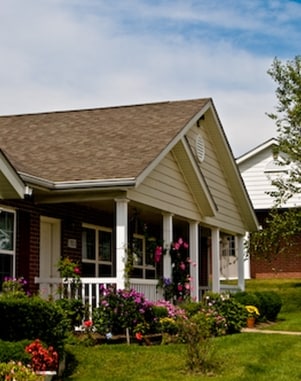
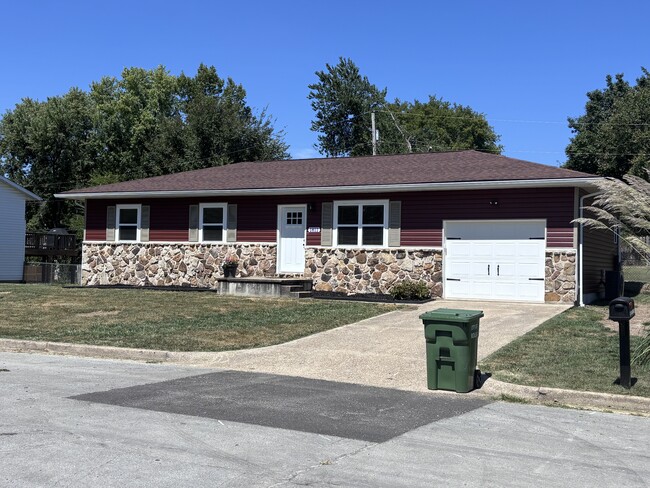
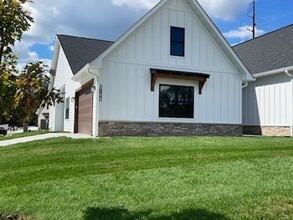
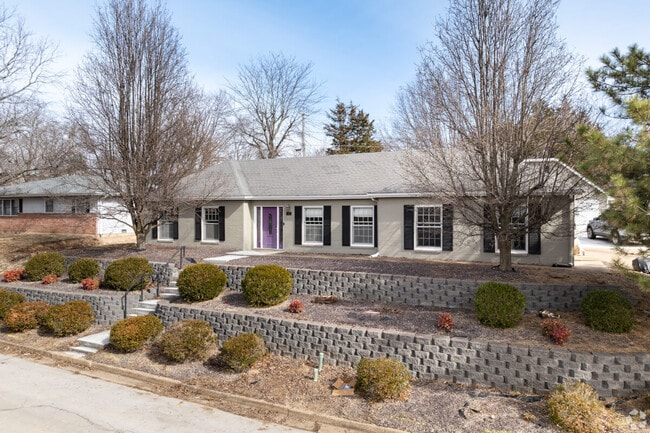
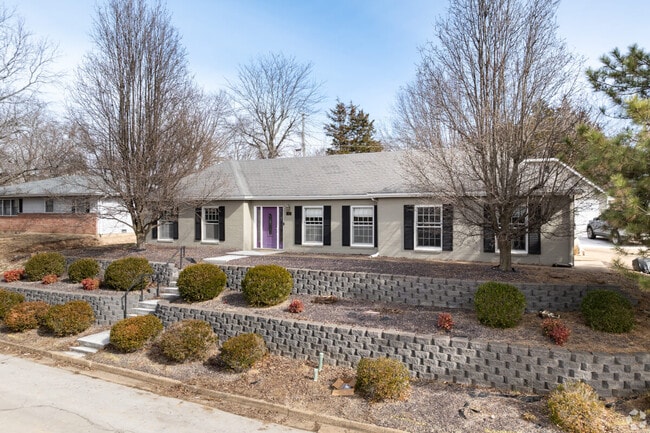
Explore Rolla's charming ranch homes with spacious yards and cozy designs.
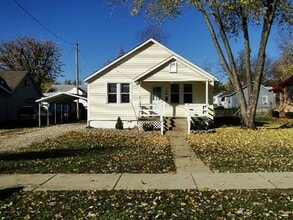
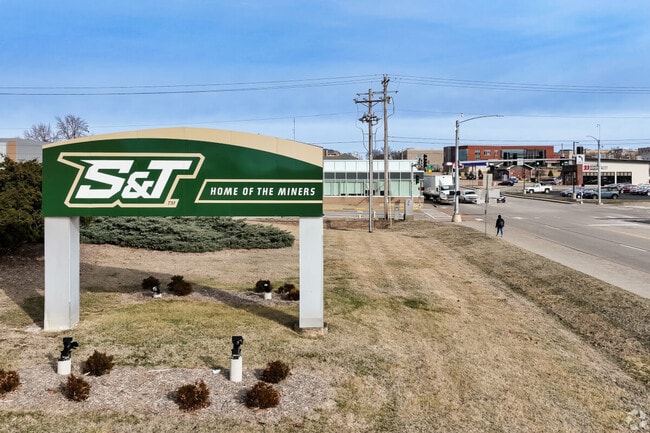
Missouri S&T in Rolla is shaping future engineers and scientists with hands-on learning.
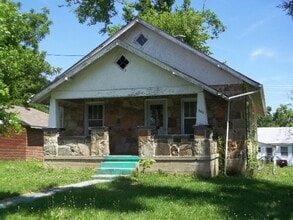
Discover the nostalgic beauty of Historic Route 66 as it winds through Rolla, MO.
Median Household Income
$40,423
Average: $56,608
Education
5,671
Residents Have a Degree
Job Market
8,610
Workers Employed
Median Age
31 Years
Largest Age Group
20-29 Years
Approximately 26% of Residents
Under 20
22%
Over 65
14%
Housing Distribution
Rolla has more renters than homeowners.

Education Distribution
Review this city's overall education levels.

As of September 2026, the average apartment rent in Rolla, MO is $600 for a studio, $687 for one bedroom, $949 for two bedrooms, and $1,563 for three bedrooms. Apartment rent in Rolla has increased by 0.8% in the past year.
The cost of living in Rolla, MO is 5.3% lower than the national average. Generally, housing in Rolla is 11.1% less expensive than the national average, with rent falling between $600 - $1,563. You can expect to pay 1.9% more for groceries, 3.5% less for utilities, and 13.5% more for transportation.
Compare Cities
Explore how walkable, bikeable, drivable, and transit-friendly Rolla, MO is for everyday living.
Fairly Walkable
Walkability
Exceptionally Drivable
Drivability
Fairly Bikeable
Bikeability

Harry S. Truman Elementary School
Public
Grades PK-5
448 Students

Public
Grades PK-5
470 Students

Public
Grades PK-5
470 Students
Col. John B. Wyman Elementary School
Public
Grades PK-5
441 Students
Public
Grades K-5
857 Students

Public
Grades 6-8
577 Students
Public
Grades K-12
28 Students

Public
Grades 9-12
1,398 Students
Public
Grades K-12
28 Students
Public
Grades 9-12
Public
Grades 9-12
 The GreatSchools Rating helps parents compare schools within a state based on a variety of school quality indicators and provides a helpful picture of how effectively each school serves all of its students. Ratings are on a scale of 1 (below average) to 10 (above average) and can include test scores, college readiness, academic progress, advanced courses, equity, discipline and attendance data. We also advise parents to visit schools, consider other information on school performance and programs, and consider family needs as part of the school selection process.
View GreatSchools Rating Methodology
Data provided by
GreatSchools.org
© 2026. All rights reserved.
The GreatSchools Rating helps parents compare schools within a state based on a variety of school quality indicators and provides a helpful picture of how effectively each school serves all of its students. Ratings are on a scale of 1 (below average) to 10 (above average) and can include test scores, college readiness, academic progress, advanced courses, equity, discipline and attendance data. We also advise parents to visit schools, consider other information on school performance and programs, and consider family needs as part of the school selection process.
View GreatSchools Rating Methodology
Data provided by
GreatSchools.org
© 2026. All rights reserved.
† Our analysis of utilities, groceries, transportation, healthcare, home prices, and other goods and services is sourced from the Cost of Living Index, a respected benchmark published by the Council for Community and Economic Research (C2ER) that provides a thorough overview of living expenses across different regions.
Rent data is provided by CoStar Group’s Market Trend reports. As the industry leader in commercial real estate information, analytics, and news, CoStar conducts extensive research to produce and maintain a comprehensive database of commercial real estate information. We combine this data with public record to provide the most up-to-date rental information available.
Consumer goods, services, and home prices are sourced from the Cost of Living Index published by the Council for Community and Economic Research (C2ER). The data on this page is updated quarterly. It was last published in September 2026.
Demographic information comes from Neustar and combines detailed address data with U.S. Census and American Community Survey statistics to produce reliable local estimates.