Median Age
42 Years
Largest Age Group
10-19 Years
Approximately 14% of Residents
Under 20
25%
Over 65
21%




Rockton is a small Illinois village along the Rock River where the pace slows down, the scenery opens up, and community still means something. Sitting in Winnebago County less than five miles from the Wisconsin border, Rockton operates as a residential anchor within the Rockford metropolitan area, offering a quieter way of life without completely disconnecting from a larger metro. The village carries real historical weight: its founding traces back to the 1830s, when settler Stephen Mack Jr. established an early outpost called Macktown. That history lives on in the names of local preserves, including Hononegah Forest Preserve, named after Mack's wife and a nod to the region's Native American heritage.
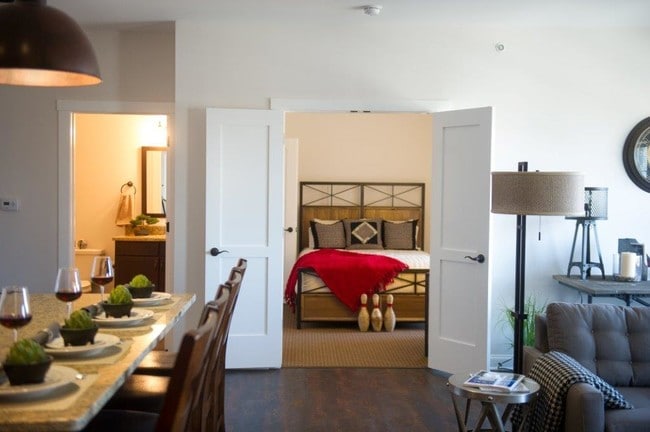
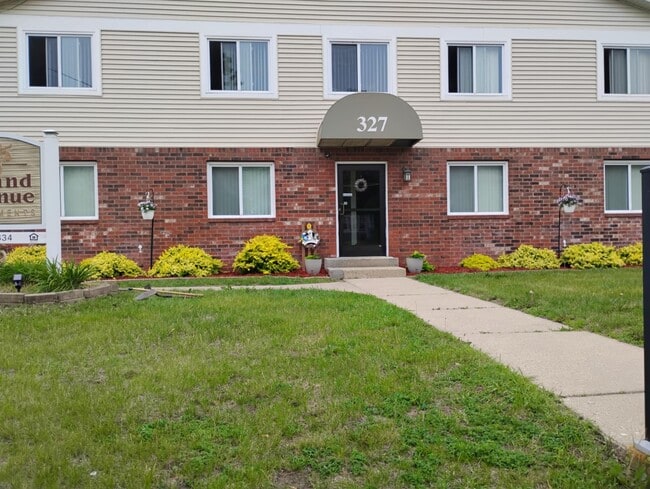
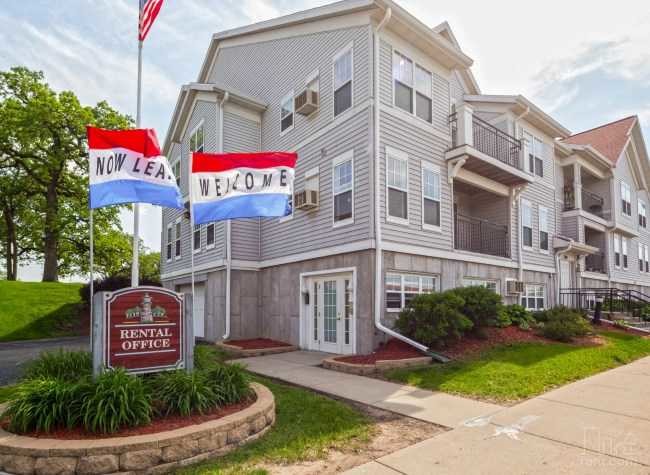
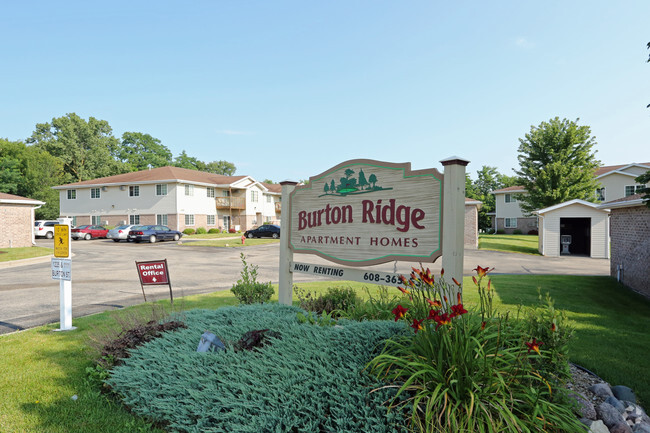
Housing in Rockton skews heavily toward established single-family homes on settled streets, giving the village a stable, rooted character. Apartment rental options are more limited than in surrounding communities, but renters who do find availability here benefit from some of the most affordable rates in the entire Rockford-Beloit corridor. The rental landscape is modest in scale, reflecting the village's residential personality rather than a dense urban market. Rock Valley College and Rockford University are both accessible within a reasonable commute, and Interstate 90 connects residents to Rockford and beyond. Rockton rewards those who value calm surroundings, open land, and a genuine sense of place.
The Coronado Performing Arts Center is the place to go for live performances, comedy shows, and more.
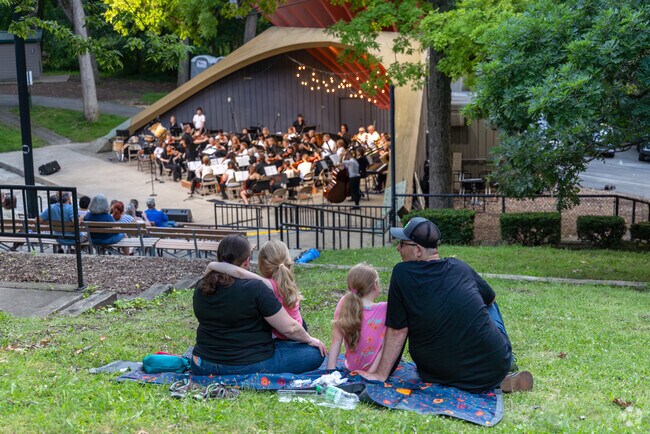
The Music Shell at Sinnissippi Park is an amphitheater that can hold 4,000 people.
Japanese Summer Festival offers a great show at Japanese Anderson Gardens.
Median Household Income
$92,241
Average: $102,563
Education
1,876
Residents Have a Degree
Job Market
4,070
Workers Employed
Median Age
42 Years
Largest Age Group
10-19 Years
Approximately 14% of Residents
Under 20
25%
Over 65
21%
Housing Distribution
Rockton has more homeowners than renters.

Education Distribution
Review this city's overall education levels.

Explore how walkable, bikeable, drivable, and transit-friendly Rockton, IL is for everyday living.
Somewhat Walkable
Walkability
Exceptionally Drivable
Drivability
Somewhat Bikeable
Bikeability

Whitman Post Elementary School
Public
Grades K-5
512 Students

Public
Grades PK-5
512 Students

Public
Grades 6-8
555 Students

Public
Grades 9-12
1,782 Students

 The GreatSchools Rating helps parents compare schools within a state based on a variety of school quality indicators and provides a helpful picture of how effectively each school serves all of its students. Ratings are on a scale of 1 (below average) to 10 (above average) and can include test scores, college readiness, academic progress, advanced courses, equity, discipline and attendance data. We also advise parents to visit schools, consider other information on school performance and programs, and consider family needs as part of the school selection process.
View GreatSchools Rating Methodology
Data provided by
GreatSchools.org
© 2026. All rights reserved.
The GreatSchools Rating helps parents compare schools within a state based on a variety of school quality indicators and provides a helpful picture of how effectively each school serves all of its students. Ratings are on a scale of 1 (below average) to 10 (above average) and can include test scores, college readiness, academic progress, advanced courses, equity, discipline and attendance data. We also advise parents to visit schools, consider other information on school performance and programs, and consider family needs as part of the school selection process.
View GreatSchools Rating Methodology
Data provided by
GreatSchools.org
© 2026. All rights reserved.
† Our analysis of utilities, groceries, transportation, healthcare, home prices, and other goods and services is sourced from the Cost of Living Index, a respected benchmark published by the Council for Community and Economic Research (C2ER) that provides a thorough overview of living expenses across different regions.
Rent data is provided by CoStar Group’s Market Trend reports. As the industry leader in commercial real estate information, analytics, and news, CoStar conducts extensive research to produce and maintain a comprehensive database of commercial real estate information. We combine this data with public record to provide the most up-to-date rental information available.
Consumer goods, services, and home prices are sourced from the Cost of Living Index published by the Council for Community and Economic Research (C2ER). The data on this page is updated quarterly. It was last published in September 2026.
Demographic information comes from Neustar and combines detailed address data with U.S. Census and American Community Survey statistics to produce reliable local estimates.