Background Image

Area Guide

Richmond Hill Queens, NY

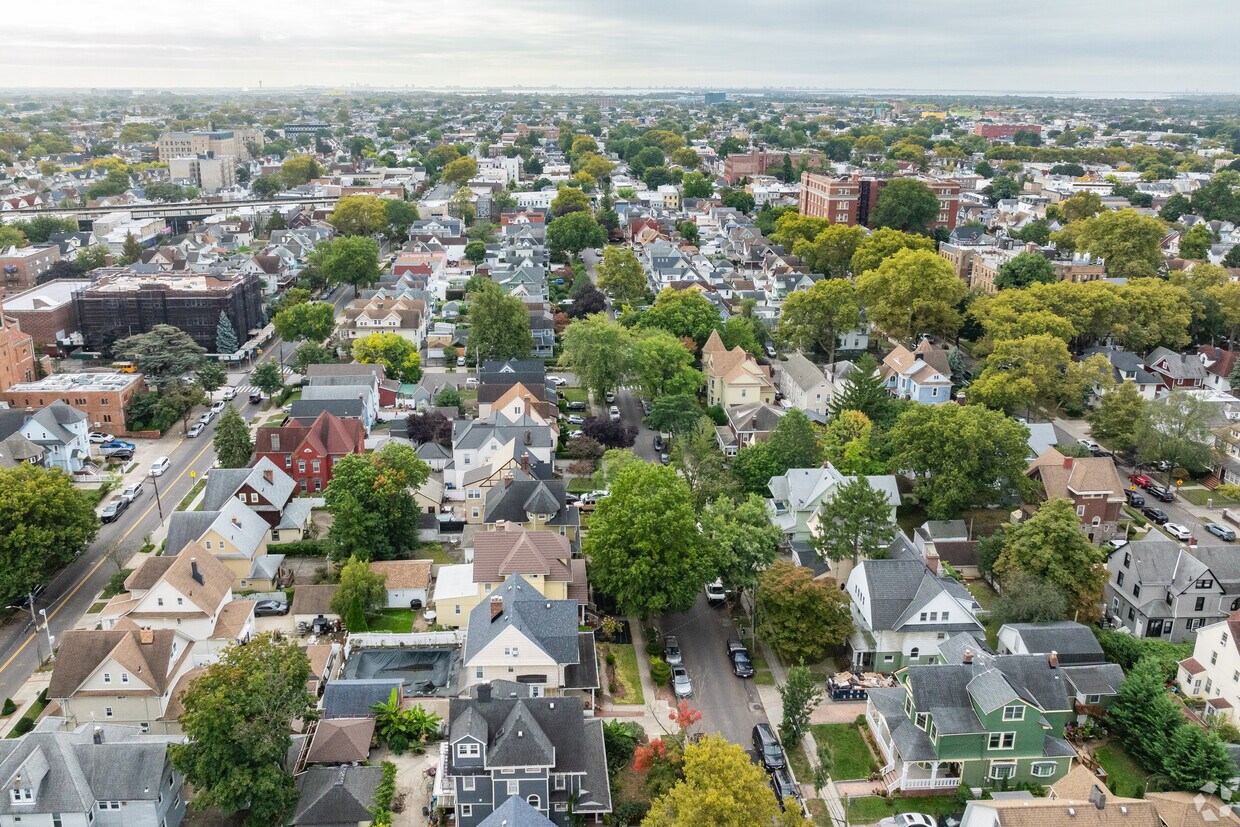
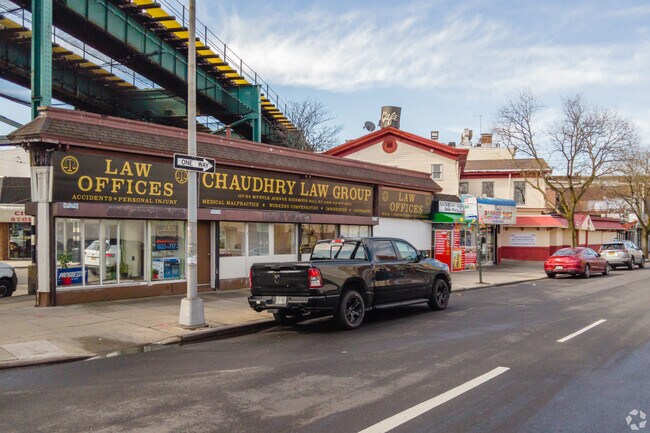
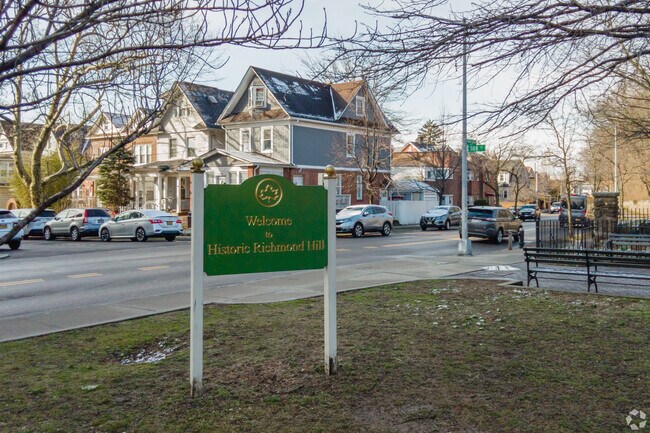
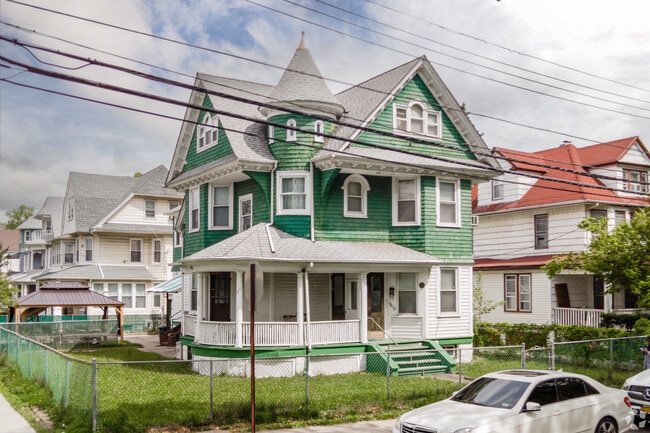
Richmond Hill, a middle class neighborhood in the southeast section of Queens, has a mix of both a commercial and residential areas. Many people throughout the New York metropolitan area refer to Richmond Hill as "Little Guyana" due to its large Guyanese immigrant population, and as "Little Punjab" for its large Punjabi immigrant population. The neighborhood's Indo-Caribbean influence makes Richmond Hill an area full of culture and diversity. Here you can find streets lined with Victorian-era houses, churches next to mosques and mandirs, shops selling Bollywood movies, and restaurants serving Caribbean fare. A combination of both urban and suburban feel connects the neighborhood. You can grow a vegetable garden and still be close to the subway, and Rockaway beaches sit just a 20-minute ride from the neighborhood.

Explore the Neighborhood

Learn More About Richmond Hill

Getting Around

Exceptionally Walkable

Walkability

100 / 100

Exceptional Public Transit

Transit

100 / 100

Fairly Drivable

Drivability

40 / 100

Moderately Bikeable

Bikeability

70 / 100

Daily Essentials

Supermarket Within a 5 Minute Walk

Groceries

100 / 100

Exceptional Restaurant Variety Nearby

Restaurants

90 / 100

Exceptional Café Variety Nearby

Cafes

90 / 100

Exceptional Variety of Shops Nearby

Shopping

90 / 100

Recreation

Very Large Amount of Park Space Nearby

Parks

80 / 100

Good Wellness Amenity Variety Nearby

Wellness

70 / 100

Local Vibe

Vibrant Atmosphere

Vibrancy

60 / 100

Great Nightlife Variety Nearby

Nightlife

80 / 100

Not Noisy

Quiet Score

90 / 100

Points of Interest

Parks and Recreation

  • Forest Park - Brooklyn-Queens
  • Rufus King Park
  • Detective Keith L. Williams Park
  • Highland Park and Ridgewood Reservoir
  • Baisley Pond Park

Airports

  • John F Kennedy International
  • LaGuardia

Living in Richmond Hill

History

-

One of the bloodiest battles of the Revolutionary War, the Battle of Long Island, was fought in 1776 along the ridge now in Forest Park, near the golf course clubhouse. Protected by its thickly wooded area, American riflemen used guerrilla warfare tactics to attack and defeat the Hessians. From 1868 until 1878 streets, schools, a church and a railroad were built, making the area one of the earliest residential communities on Long Island. The area has become well-known for its large-frame single family houses, many of which have been preserved since the turn of the 20th century. The area received further development in 1918, when the BMT Jamaica Line of the New York City Subway (now the J Z trains) was extended in the neighborhood. The Richmond Hill Historical Society dedicates itself to preserving the history of the area, and the King Manor Museum resides in neighboring Jamaica.

Restaurants

-

Many restaurants can be found along Jamaica or Metropolitan Avenue, and as you might expect, the neighborhood proves rich with Caribbean and Indian food, but you can also find Peruvian, Mexican, Turkish and New York-style pizza restaurants as well. A delicious melting pot of cuisines turn dining out into a global experience. The art of Latin Caribbean cuisine can be found on Jamaica Avenue at Crazy Willy's, where there's always something happening. Weekend lunch specials, Sunday family day, and DJs and entertainment, along with the friendly and professional staff,and delicious food keep you coming back for more. Try the popular dish, Niditos Locos, a nest of plantains filled with chicken, or one of the Mofongos, the signature dish of the Caribbean. For fresh, homemade Turkish food head to Roka Turkish Cuisine on Metropolitan Avenue. The menu reflects a blend of cultural influence from East to West Turkey, made with fresh ingredients bought daily. Try sharing different dishes from the small plates (meze) section, or try something from each course, but don't skip the sigara boregi appetizer (cheese rolls with tart feta and a flaky, fried phyllo exterior) or Turkish coffee and baklava for dessert. Nightlife in the area consists of mostly dance clubs and lounges. Tavern Lounge serves as a popular spot with locals, especially on Wednesday nights, which is ladies night. Drinks remain free for females from 9 p.m. until midnight. Select your own music on the jukebox until the DJ sets up, play a game of darts, smoke the hookah and enjoy the outside deck in warmer weather. Friendly service and entertainment can always be found in this intimate setting. Maracas New York Nightclub touts itself as New York's newest super club and event complex and entices the blooming, trendy and up-scale New York City tri-state area crowd. Enjoy your favorite cocktail at the state of the art bar station, sit back as the music mixologists dish up today's favorite music and video mixing, or enjoy VIP bottle service in your own private setting complete with a VIP hostess and all the extra amenities to make your special night complete.

Transportation

-

Since Richmond Hill has a more suburban layout than Manhattan, owning a car can still be a viable transportation option. Public transportation choices can be easily accessed as well. The northern part of Richmond Hill has J trains along Jamaica Avenue, and a trip to Grand Central Terminal from the 104th Street station takes about an hour and requires a transfer to the 6 train at Canal Street. The A train has a line that runs along Liberty Avenue, ending at the intersection with Lefferts Boulevard, the center of Little Guyana. The trip from the Lefferts Avenue stop to Times Square takes about an hour. Residents also can take a bus to the nearest Long Island Rail Road stop in Kew Gardens, and the trip to Penn Station in Manhattan takes 17 minutes. The Q8, Q9, Q10, Qm18, Q24, Q37, Q41, Q55, Q56 and Q112 buses also services the area. Hailing a taxi or calling for an Uber should not be much of a problem, although cabs do not show up as regularly here as they do in Manhattan or parts of Brooklyn. The neighborhood proves walkable and bicycle-friendly, although caution should be taken when riding a bike in car traffic. Public parking options vary from off-street metered parking, off-street non-metered residential parking, paid public lots and garages to commercial and business-owned public parking lots.

Parks

-

More than 500 acres make up Forest Park, with 165 of those acres being trees, making it a natural gem in an otherwise urban landscape. Park-goers interested in exploring Forest Park’s natural settings often begin at the eastern section of the park, which abounds with hiking trails and bridle paths, and horses can be hired from a private stable. The western section caters to the athletic crowd, with softball, baseball, tennis, bocce, handball,and golf. The 110-acre, par-67 golf course was modeled after Scottish links and maintains its reputation as one of the city’s most challenging golf courses. The western portion also includes non-sports-related activities as well. The George Seuffert, Sr. Bandshell, which can accommodate 2,800 people, hosts free concerts during warmer months. You can also attend an Urban Park Rangers event for an introduction to Forest Park’s geology, forestry or animals. Phil "Scooter" Rizzuto Park has been known locally as Smokey Oval Park since it first opened in 1938. In 1987, Parks officially named it Smokey Oval. The name refers to the park’s location, across from a Long Island Railroad terminus, which once made it a landing area of soot and ash from the railway smoke, and the name was also inspired by the oval-shaped mound at the front of the park. Despite the negative moniker, this park has baseball and football fields, basketball courts, a playground, fitness path, and fitness area. The Phagwah Parade in Richmond Hill, Queens, makes up the biggest celebration in North America. Phagwah, or Holi, is the Indo-Caribbean Hindu celebration of the new year, and every spring, the Sunday after the first full moon of the Hindu calendar, Phagwah literally paints the streets as kids and families "color" one another with dye and powder and chase away the winter grays. The parade begins in the streets and ends with a celebration in Smokey Oval Park, with music and other cultural performances. Both parks remain free and open to the public.

Cost

-

The cost of living in Richmond Hill sits at 1.6 percent lower than the average for New York City, but compared to many neighborhoods of the New York metropolitan area, affordable housing options remain available. A one-bedroom apartment can be found for around $1,300. Getting to Manhattan via the subway costs $2.50 each way with a one-time MetroCard,or $6 by bus, and since gas prices sit 11.6 percent higher than the national average, public transportation remains the economical choice if you do a lot of commuting. At most of the neighborhood bars and restaurants, a beer only costs about $4.

Shopping

-

Shopping spreads itself out through the area and runs the gamut from chain stores and discount shops to mom and pop places. 105 Hobbies on Jamaica Avenue makes a great place for your hobby shop needs. This mom and pop store has remote control cars, boats, airplanes, die-cast collectibles and train sets, and its staff repairs R.C.s as well, all at moderate prices. ADT Bike & Skate Shop sells bikes, bike equipment, skateboards and accessories, and pro scooters in all major brands at affordable prices. The professional and friendly staff also repairs and services your equipment. This site has been in business since 1975 and remains dedicated to providing the neighborhood with exceptional service. Key Food provides the major grocery store in the neighborhood, however you can find a few other small grocers and bodegas as well. Nearby Jamaica has a Farmer's Market on Fridays from June through November at 160th Street off of Jamaica Avenue. Yellowstone Farm in Forest Hills sells produce year-round in an indoor market off of Queens Boulevard.

Search Nearby Rentals

Methodology

† Our analysis of utilities, groceries, transportation, healthcare, home prices, and other goods and services is sourced from the Cost of Living Index, a respected benchmark published by the Council for Community and Economic Research (C2ER) that provides a thorough overview of living expenses across different regions.

Rent data is provided by CoStar Group’s Market Trend reports. As the industry leader in commercial real estate information, analytics, and news, CoStar conducts extensive research to produce and maintain a comprehensive database of commercial real estate information. We combine this data with public record to provide the most up-to-date rental information available.

Consumer goods, services, and home prices are sourced from the Cost of Living Index published by the Council for Community and Economic Research (C2ER). The data on this page is updated quarterly. It was last published in June 2026.

Demographic information comes from Neustar and combines detailed address data with U.S. Census and American Community Survey statistics to produce reliable local estimates.