Median Age
35 Years
Largest Age Group
25-34 Years
Approximately 15% of Residents
Under 20
27%
Over 65
16%

Avg Rent
$933
Population
59,432
Renter Mix
38% Rent
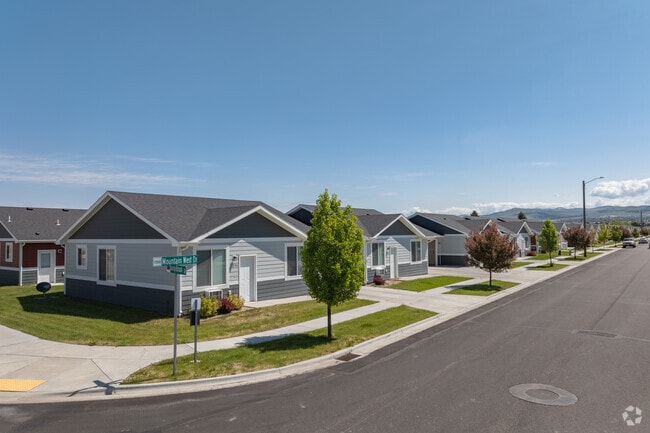
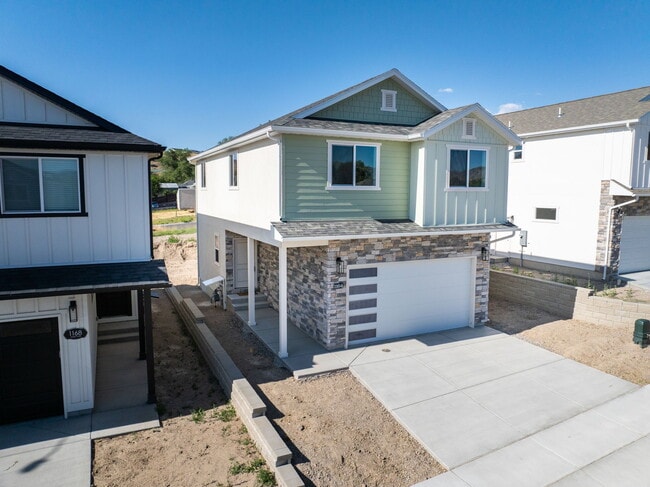
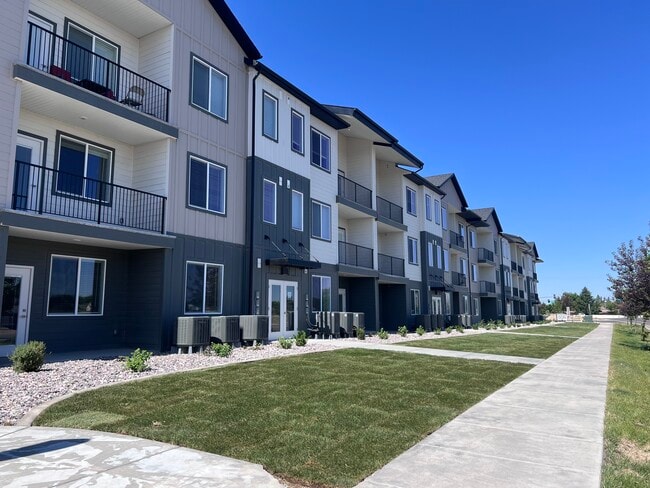
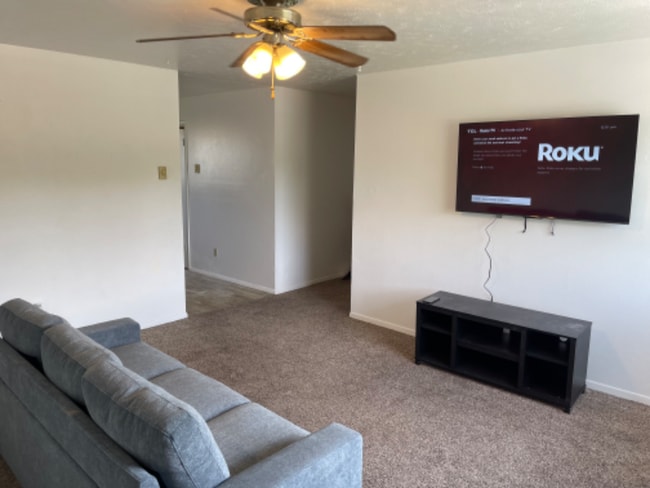
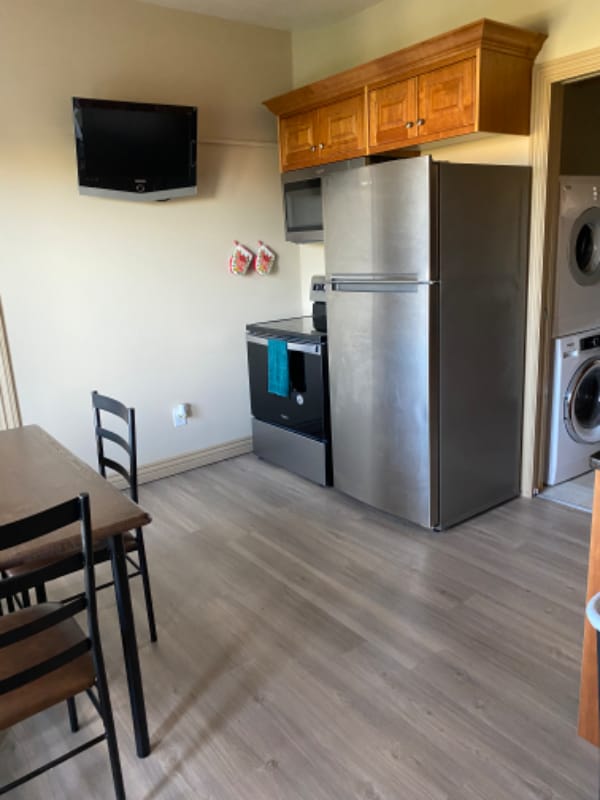
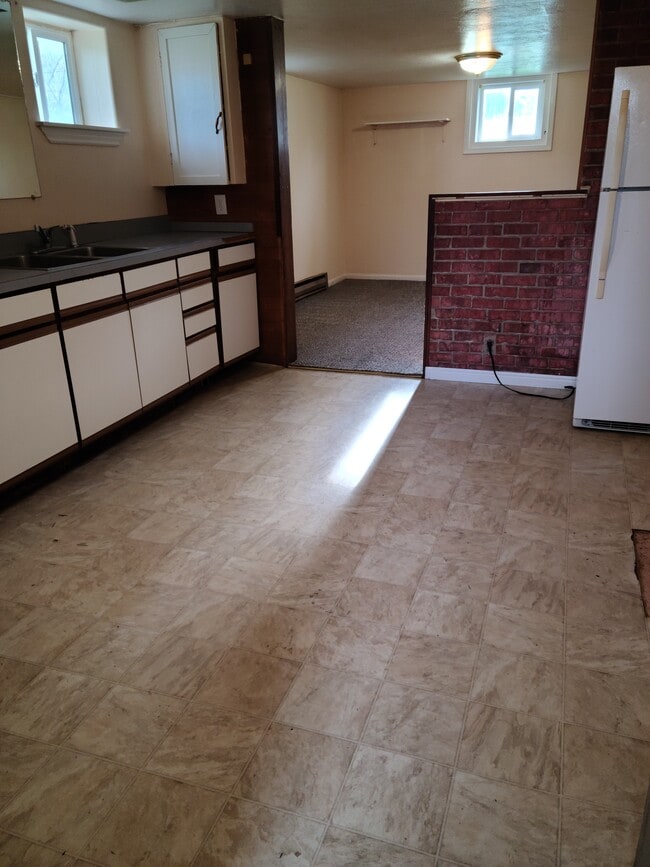
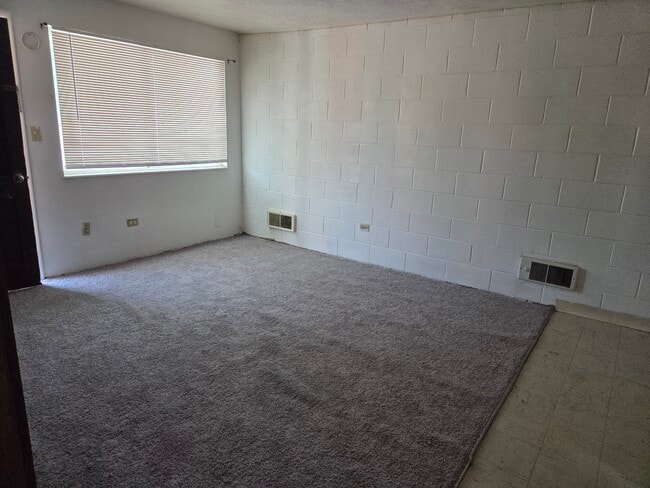
Welcome to Pocatello, Idaho, a historic railway city nestled in the Portneuf Valley. Surrounded by mountain views, this former railroad hub offers rental options from apartment communities to historic homes. Current rental data shows one-bedroom apartments averaging $901 per month and two-bedrooms at $1,209. Notable areas include Old Town district, the Idaho State University neighborhood, and the Chubbuck corridor. The Portneuf Greenway system spans more than 15 miles, connecting residential areas to parks and recreation spots.
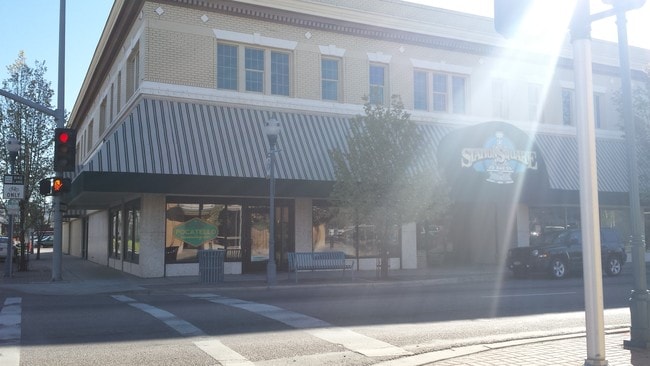
Idaho State University anchors the city's educational and cultural scene, with the L.E. and Thelma E. Stephens Performing Arts Center hosting performances throughout the year. Residents enjoy proximity to Pebble Creek Ski Area and numerous hiking trails in the surrounding mountains. Known historically as the "U.S. Smile Capital," Pocatello has approximately 60,000 residents. Local attractions include the Idaho Museum of Natural History and the Museum of Clean. Downtown Pocatello preserves its historic architecture while offering dining and shopping destinations. The city's railroad heritage remains evident throughout its neighborhoods, complementing ongoing community developments.
Median Household Income
$57,153
Average: $72,499
Education
14,704
Residents Have a Degree
Job Market
28,108
Workers Employed
Median Age
35 Years
Largest Age Group
25-34 Years
Approximately 15% of Residents
Under 20
27%
Over 65
16%
Housing Distribution
Pocatello has more homeowners than renters.

Education Distribution
Review this city's overall education levels.

As of August 2026, the average apartment rent in Pocatello, ID is $626 for a studio, $933 for one bedroom, $1,219 for two bedrooms, and $1,461 for three bedrooms. Apartment rent in Pocatello has increased by 1.7% in the past year.
Explore how walkable, bikeable, drivable, and transit-friendly Pocatello, ID is for everyday living.
Not Walkable
Walkability
Exceptionally Drivable
Drivability
Fairly Bikeable
Bikeability

Public
Grades K-5
258 Students

Public
Grades K-5
478 Students

Public
Grades K-5
221 Students
Public
Grades K-5
242 Students

Public
Grades PK-5
321 Students

Public
Grades 6-8
718 Students
Public
Grades 6-8
702 Students
Public
Grades 6-8
645 Students
Public
Grades 6-8
612 Students

Pocatello Community Charter School
Public
Grades PK-8
328 Students

Public
Grades 9-12
1,092 Students
Public
Grades 9-12
1,589 Students
Public
Grades 9-12
1,281 Students
New Horizons High School (Alt)
Public
Grades 9-12
119 Students

Public
Grades 9-12
 The GreatSchools Rating helps parents compare schools within a state based on a variety of school quality indicators and provides a helpful picture of how effectively each school serves all of its students. Ratings are on a scale of 1 (below average) to 10 (above average) and can include test scores, college readiness, academic progress, advanced courses, equity, discipline and attendance data. We also advise parents to visit schools, consider other information on school performance and programs, and consider family needs as part of the school selection process.
View GreatSchools Rating Methodology
Data provided by
GreatSchools.org
© 2026. All rights reserved.
The GreatSchools Rating helps parents compare schools within a state based on a variety of school quality indicators and provides a helpful picture of how effectively each school serves all of its students. Ratings are on a scale of 1 (below average) to 10 (above average) and can include test scores, college readiness, academic progress, advanced courses, equity, discipline and attendance data. We also advise parents to visit schools, consider other information on school performance and programs, and consider family needs as part of the school selection process.
View GreatSchools Rating Methodology
Data provided by
GreatSchools.org
© 2026. All rights reserved.
† Our analysis of utilities, groceries, transportation, healthcare, home prices, and other goods and services is sourced from the Cost of Living Index, a respected benchmark published by the Council for Community and Economic Research (C2ER) that provides a thorough overview of living expenses across different regions.
Rent data is provided by CoStar Group’s Market Trend reports. As the industry leader in commercial real estate information, analytics, and news, CoStar conducts extensive research to produce and maintain a comprehensive database of commercial real estate information. We combine this data with public record to provide the most up-to-date rental information available.
Consumer goods, services, and home prices are sourced from the Cost of Living Index published by the Council for Community and Economic Research (C2ER). The data on this page is updated quarterly. It was last published in June 2026.
Demographic information comes from Neustar and combines detailed address data with U.S. Census and American Community Survey statistics to produce reliable local estimates.