Median Age
46 Years
Largest Age Group
60-69 Years
Approximately 15% of Residents
Under 20
20%
Over 65
26%

Avg Rent
$834
Population
33,122
Renter Mix
28% Rent
Pennsylvania's largest Pittsburgh suburb by population, Penn Hills covers 23 square miles about 10 miles northeast of Downtown Pittsburgh along the Allegheny River. Daily life here moves at a quieter, greener pace than the city, with hilly terrain, tree-lined streets, and a spread-out layout that rewards those who enjoy real suburban breathing room. Neighborhoods like Blackridge, Crescent Hills, and Rosedale each carry their own character, while Frankstown Road ties the community together with convenient dining and retail.
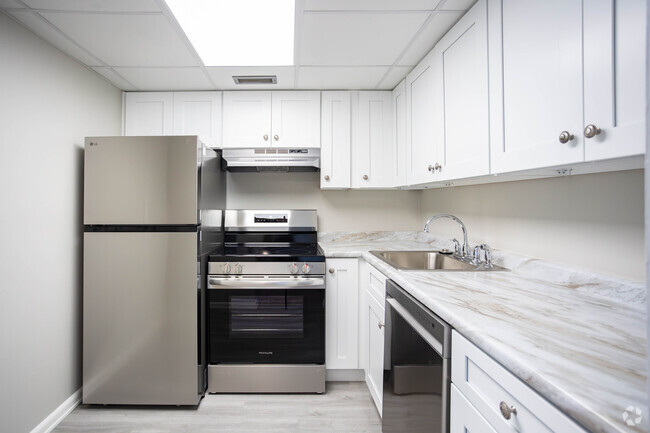
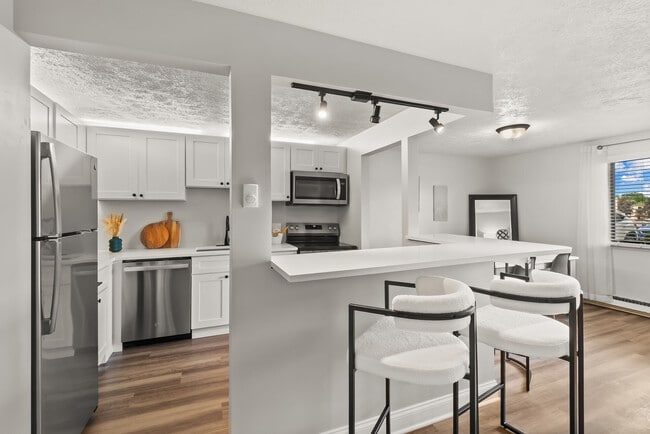
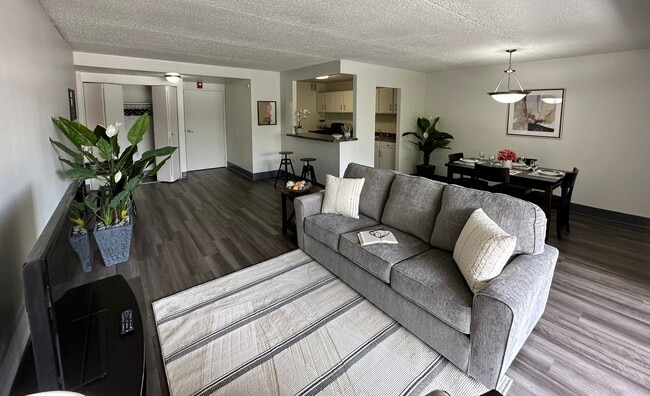
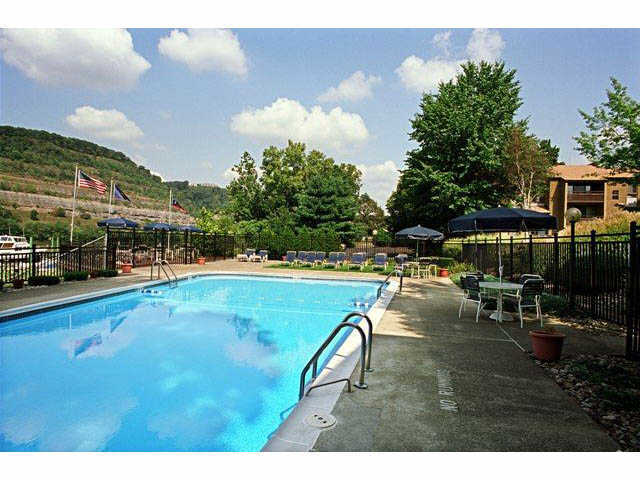
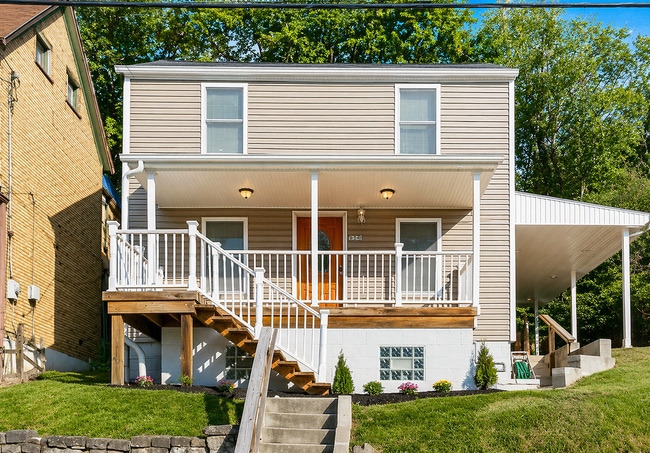
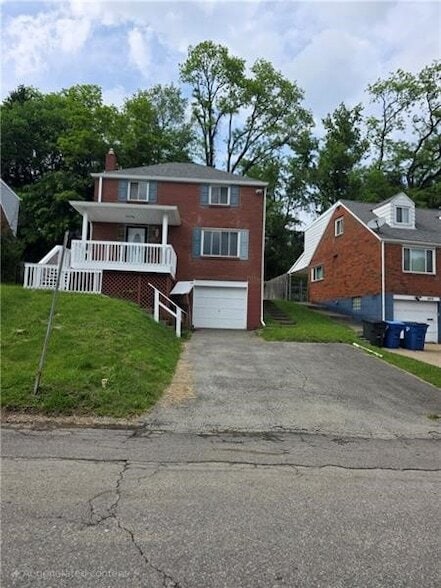
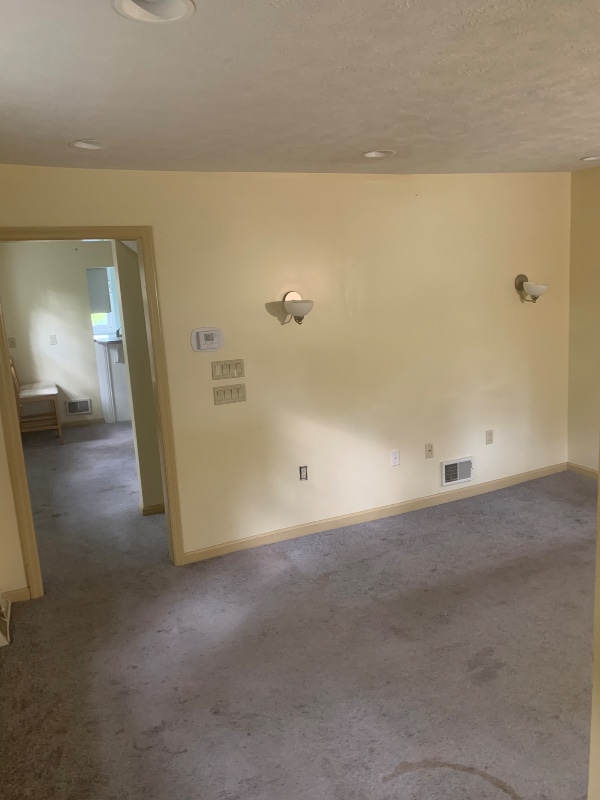
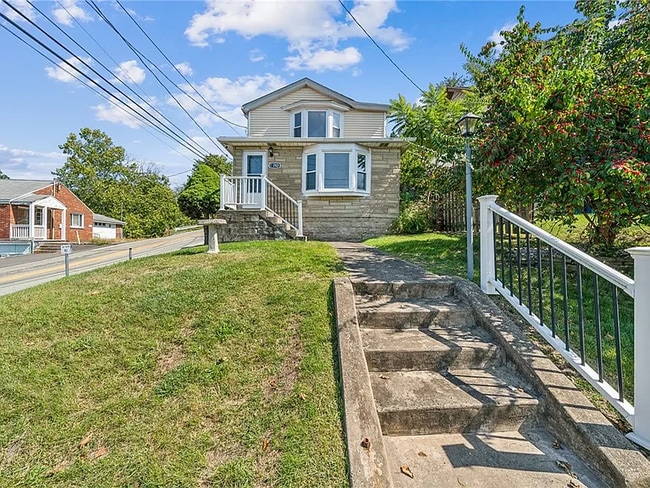
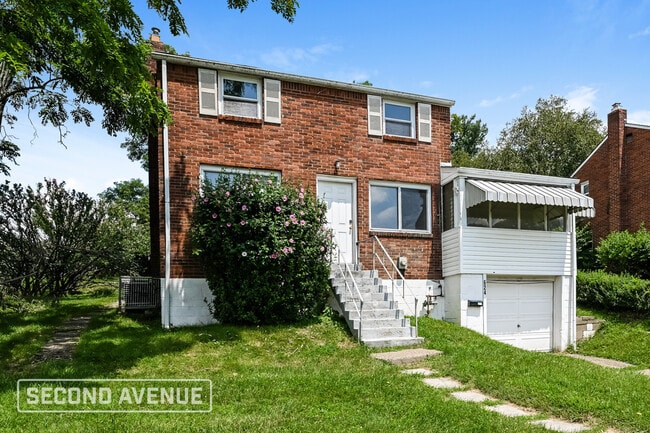
The rental market leans toward garden-style apartment communities and single-family homes, with townhomes scattered across the rolling landscape. Architecture throughout is primarily mid-century residential -- well-established rather than flashy.
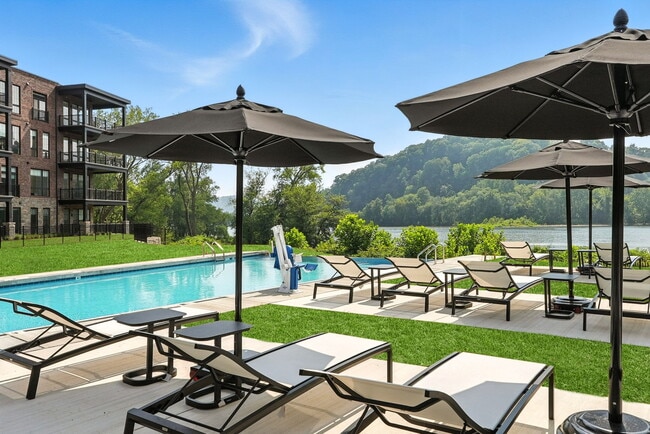
Carnegie Mellon University, the University of Pittsburgh, and Chatham University are all within roughly 15 minutes, keeping the township well-connected to Pittsburgh's academic and medical corridors. The Allegheny River forms Penn Hills' northern border, and golf courses dot the terrain throughout, adding to a landscape that feels scenic rather than just suburban.
Median Household Income
$61,949
Average: $77,599
Education
9,956
Residents Have a Degree
Job Market
17,476
Workers Employed
Median Age
46 Years
Largest Age Group
60-69 Years
Approximately 15% of Residents
Under 20
20%
Over 65
26%
Housing Distribution
Penn Hills has more homeowners than renters.

Education Distribution
Review this city's overall education levels.

As of September 2026, the average apartment rent in Penn Hills, PA is $834 for one bedroom, and $1,028 for two bedrooms. Apartment rent in Penn Hills has increased by 7.5% in the past year.
Explore how walkable, bikeable, drivable, and transit-friendly Penn Hills, PA is for everyday living.
Fairly Walkable
Walkability
Limited Public Transit
Transit
Exceptionally Drivable
Drivability
Somewhat Bikeable
Bikeability

† Our analysis of utilities, groceries, transportation, healthcare, home prices, and other goods and services is sourced from the Cost of Living Index, a respected benchmark published by the Council for Community and Economic Research (C2ER) that provides a thorough overview of living expenses across different regions.
Rent data is provided by CoStar Group’s Market Trend reports. As the industry leader in commercial real estate information, analytics, and news, CoStar conducts extensive research to produce and maintain a comprehensive database of commercial real estate information. We combine this data with public record to provide the most up-to-date rental information available.
Consumer goods, services, and home prices are sourced from the Cost of Living Index published by the Council for Community and Economic Research (C2ER). The data on this page is updated quarterly. It was last published in September 2026.
Demographic information comes from Neustar and combines detailed address data with U.S. Census and American Community Survey statistics to produce reliable local estimates.