Median Age
40 Years
Largest Age Group
30-39 Years
Approximately 15% of Residents
Under 20
23%
Over 65
20%

Avg Rent
$575
Population
3,116
Renter Mix
43% Rent
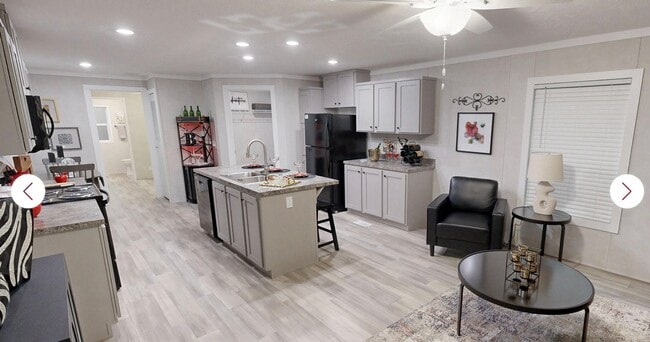
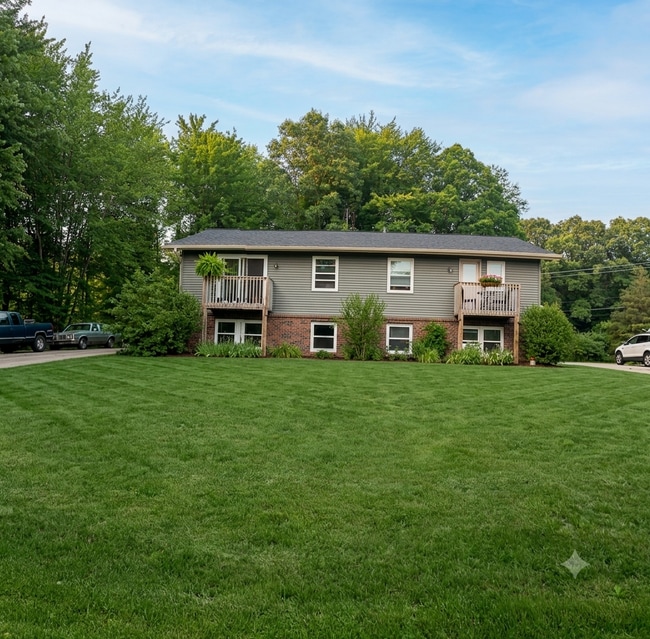
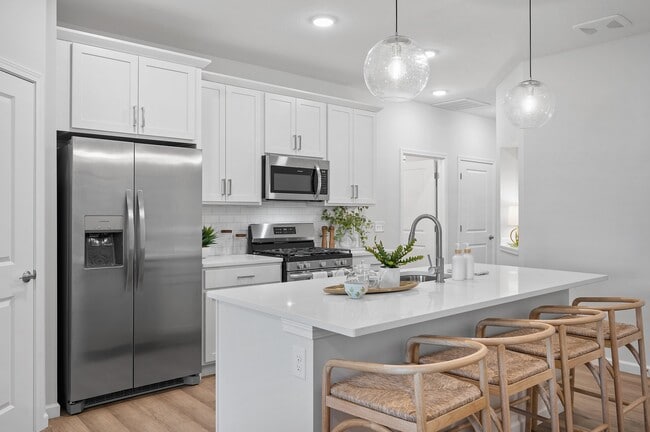
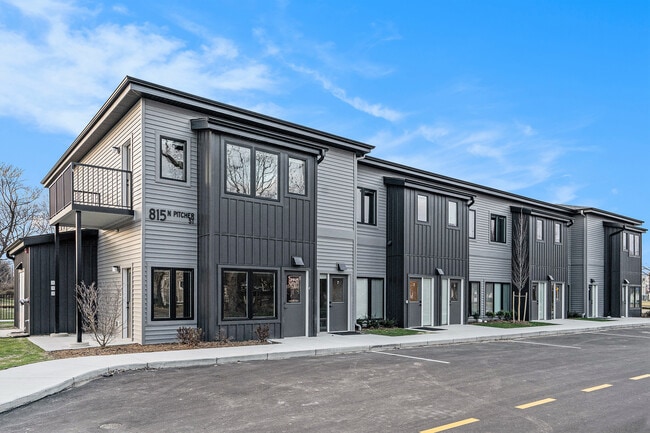
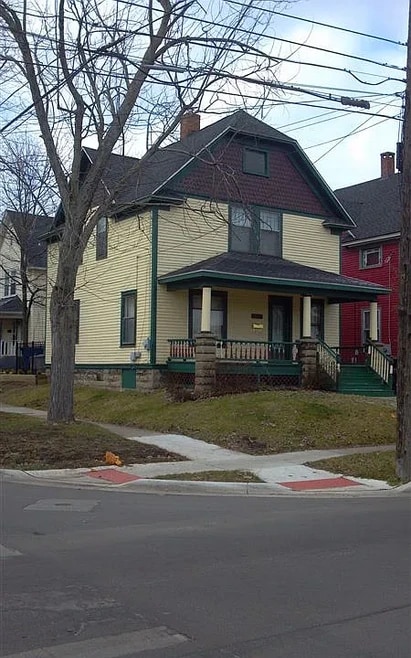
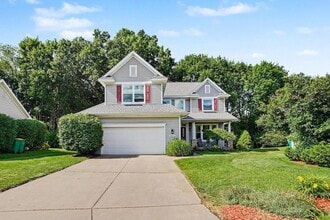
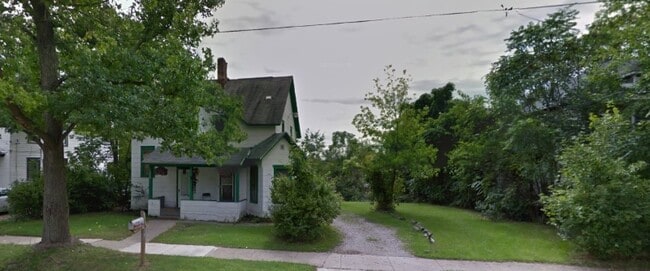
Paw Paw is a small village in southwestern Michigan that doubles as the county seat of Van Buren County and the unofficial capital of the state's wine country. Incorporated in 1837, it sits at the confluence of the east and south branches of the Paw Paw River, roughly midway between Lake Michigan and Kalamazoo along Interstate 94. The village gets its name from the pawpaw trees that once lined the riverbanks, and that sense of natural character still runs through everyday life here. Maple Lake anchors the northern part of town, offering a scenic backdrop for year-round outdoor pursuits, while a walkable downtown filled with boutiques and antique shops gives the area a grounded, close-knit feel. St. Julian Winery and Warner Vineyards, both long-standing community institutions along South Kalamazoo Street, reflect the area's deep roots in viticulture. Western Michigan University in Kalamazoo is about 20 miles away, making Paw Paw a reasonable option for those connected to the university corridor. The rental market here consists primarily of modest single-family rentals, small apartment communities, and a limited number of townhome-style options, keeping the overall housing character low-density and residential. With around 3,100 residents packed into just three square miles, Paw Paw offers a genuinely small-town pace with meaningful access to regional amenities.
Median Household Income
$56,140
Average: $71,812
Education
396
Residents Have a Degree
Job Market
1,503
Workers Employed
Median Age
40 Years
Largest Age Group
30-39 Years
Approximately 15% of Residents
Under 20
23%
Over 65
20%
Housing Distribution
Paw Paw has more homeowners than renters.

Education Distribution
Review this city's overall education levels.

As of September 2026, the average apartment rent in Paw Paw, MI is $575 for one bedroom, and $1,029 for two bedrooms. Apartment rent in Paw Paw has increased by 1.1% in the past year.
Explore how walkable, bikeable, drivable, and transit-friendly Paw Paw, MI is for everyday living.
Fairly Walkable
Walkability
Exceptionally Drivable
Drivability
Fairly Bikeable
Bikeability

Public
Grades K-5
474 Students

Paw Paw Early Elementary School
Public
Grades PK-5
452 Students

Public
Grades 6-8
487 Students

Public
Grades 9-12
644 Students
 The GreatSchools Rating helps parents compare schools within a state based on a variety of school quality indicators and provides a helpful picture of how effectively each school serves all of its students. Ratings are on a scale of 1 (below average) to 10 (above average) and can include test scores, college readiness, academic progress, advanced courses, equity, discipline and attendance data. We also advise parents to visit schools, consider other information on school performance and programs, and consider family needs as part of the school selection process.
View GreatSchools Rating Methodology
Data provided by
GreatSchools.org
© 2026. All rights reserved.
The GreatSchools Rating helps parents compare schools within a state based on a variety of school quality indicators and provides a helpful picture of how effectively each school serves all of its students. Ratings are on a scale of 1 (below average) to 10 (above average) and can include test scores, college readiness, academic progress, advanced courses, equity, discipline and attendance data. We also advise parents to visit schools, consider other information on school performance and programs, and consider family needs as part of the school selection process.
View GreatSchools Rating Methodology
Data provided by
GreatSchools.org
© 2026. All rights reserved.
† Our analysis of utilities, groceries, transportation, healthcare, home prices, and other goods and services is sourced from the Cost of Living Index, a respected benchmark published by the Council for Community and Economic Research (C2ER) that provides a thorough overview of living expenses across different regions.
Rent data is provided by CoStar Group’s Market Trend reports. As the industry leader in commercial real estate information, analytics, and news, CoStar conducts extensive research to produce and maintain a comprehensive database of commercial real estate information. We combine this data with public record to provide the most up-to-date rental information available.
Consumer goods, services, and home prices are sourced from the Cost of Living Index published by the Council for Community and Economic Research (C2ER). The data on this page is updated quarterly. It was last published in September 2026.
Demographic information comes from Neustar and combines detailed address data with U.S. Census and American Community Survey statistics to produce reliable local estimates.