Median Age
43 Years
Largest Age Group
60-69 Years
Approximately 14% of Residents
Under 20
22%
Over 65
22%

Avg Rent
$735
Population
18,841
Renter Mix
35% Rent
Ottawa, Illinois earns its nickname "The Town of Two Rivers" at the spot where the Fox River flows into the Illinois River, a setting that shapes daily life from the downtown riverfront to the trails weaving through nearby state parks. Roughly 90 miles southwest of Chicago, this LaSalle County seat of about 19,000 people moves at a deliberate Midwestern pace, with a walkable downtown core along Columbus and LaSalle Streets, independent dining and boutique shops, and four state parks within a 10-mile drive.
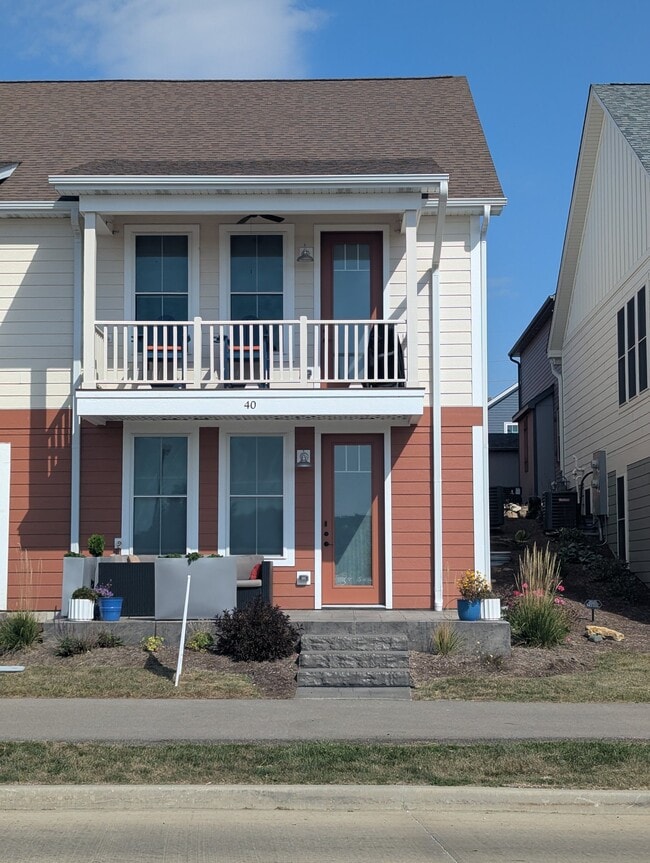
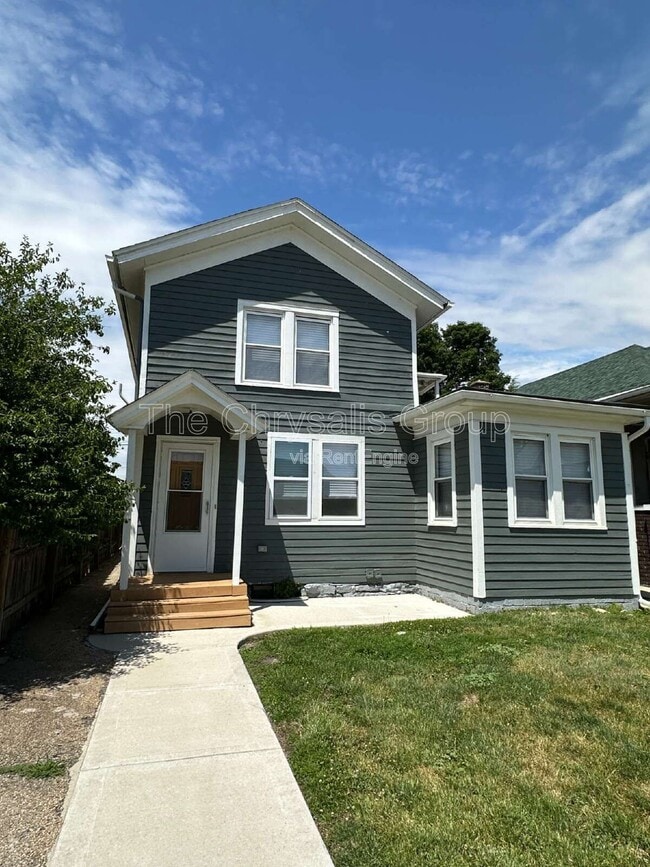
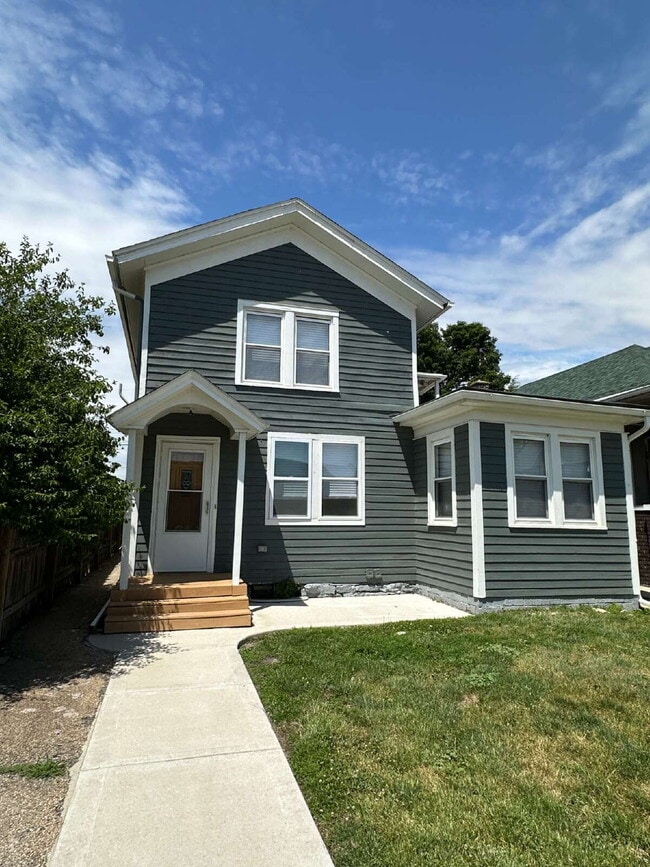
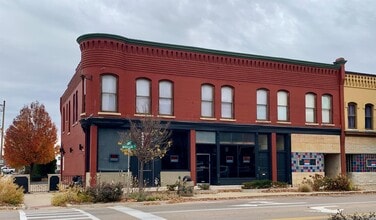
Neighborhoods north of the river feature tree-lined streets with older single-family homes and classic residential architecture, while the area closer to downtown mixes garden apartments and smaller mid-rise buildings with upper-floor rental units inside historic commercial structures. The rental landscape also includes townhomes concentrated north of downtown and a modest number of condo developments east of the city center.
Major employers anchor the local economy, including OSF St. Elizabeth Medical Center, the PetSmart Distribution Center, and SABIC Innovative Plastics, and Illinois Valley Community College serves the broader region with a branch campus in Ottawa. Ottawa holds the distinction of hosting the very first Lincoln-Douglas debate on August 21, 1858, a moment of national significance that took place in what is now Washington Park at the heart of the city.
Median Household Income
$66,220
Average: $81,032
Education
3,930
Residents Have a Degree
Job Market
9,317
Workers Employed
Median Age
43 Years
Largest Age Group
60-69 Years
Approximately 14% of Residents
Under 20
22%
Over 65
22%
Housing Distribution
Ottawa has more homeowners than renters.

Education Distribution
Review this city's overall education levels.

As of September 2026, the average apartment rent in Ottawa, IL is $825 for a studio, $736 for one bedroom, $1,106 for two bedrooms, and $1,682 for three bedrooms. Apartment rent in Ottawa has increased by 4.4% in the past year.
Explore how walkable, bikeable, drivable, and transit-friendly Ottawa, IL is for everyday living.
Somewhat Walkable
Walkability
Exceptionally Drivable
Drivability
Fairly Bikeable
Bikeability

Deer Park Child Care Elementary School
Public
Grades K-8
40 Students

Public
Grades PK-8
425 Students

Public
Grades PK-8
65 Students
Public
Grades PK-5
446 Students

Public
Grades PK-5
343 Students
Deer Park Child Care Elementary School
Public
Grades K-8
40 Students
Public
Grades PK-8
425 Students
Public
Grades PK-8
65 Students
Public
Grades 6-8
345 Students

Public
Grades 9-12
1,193 Students

 The GreatSchools Rating helps parents compare schools within a state based on a variety of school quality indicators and provides a helpful picture of how effectively each school serves all of its students. Ratings are on a scale of 1 (below average) to 10 (above average) and can include test scores, college readiness, academic progress, advanced courses, equity, discipline and attendance data. We also advise parents to visit schools, consider other information on school performance and programs, and consider family needs as part of the school selection process.
View GreatSchools Rating Methodology
Data provided by
GreatSchools.org
© 2026. All rights reserved.
The GreatSchools Rating helps parents compare schools within a state based on a variety of school quality indicators and provides a helpful picture of how effectively each school serves all of its students. Ratings are on a scale of 1 (below average) to 10 (above average) and can include test scores, college readiness, academic progress, advanced courses, equity, discipline and attendance data. We also advise parents to visit schools, consider other information on school performance and programs, and consider family needs as part of the school selection process.
View GreatSchools Rating Methodology
Data provided by
GreatSchools.org
© 2026. All rights reserved.
† Our analysis of utilities, groceries, transportation, healthcare, home prices, and other goods and services is sourced from the Cost of Living Index, a respected benchmark published by the Council for Community and Economic Research (C2ER) that provides a thorough overview of living expenses across different regions.
Rent data is provided by CoStar Group’s Market Trend reports. As the industry leader in commercial real estate information, analytics, and news, CoStar conducts extensive research to produce and maintain a comprehensive database of commercial real estate information. We combine this data with public record to provide the most up-to-date rental information available.
Consumer goods, services, and home prices are sourced from the Cost of Living Index published by the Council for Community and Economic Research (C2ER). The data on this page is updated quarterly. It was last published in September 2026.
Demographic information comes from Neustar and combines detailed address data with U.S. Census and American Community Survey statistics to produce reliable local estimates.