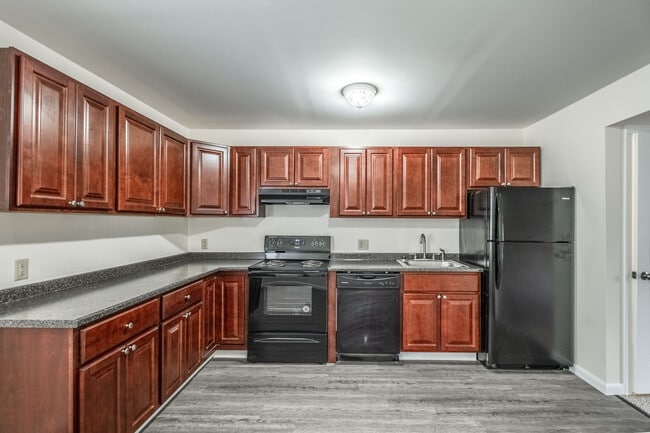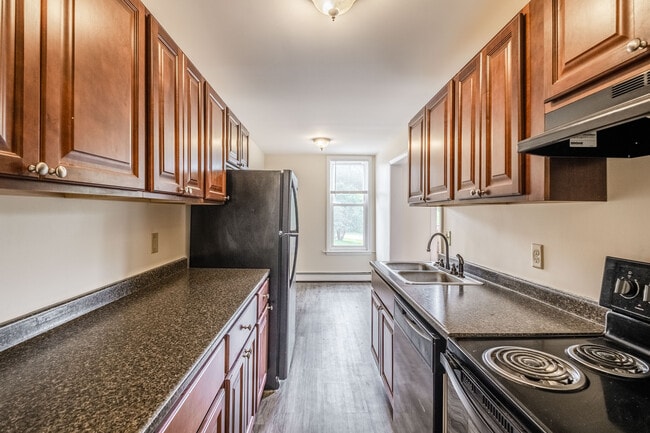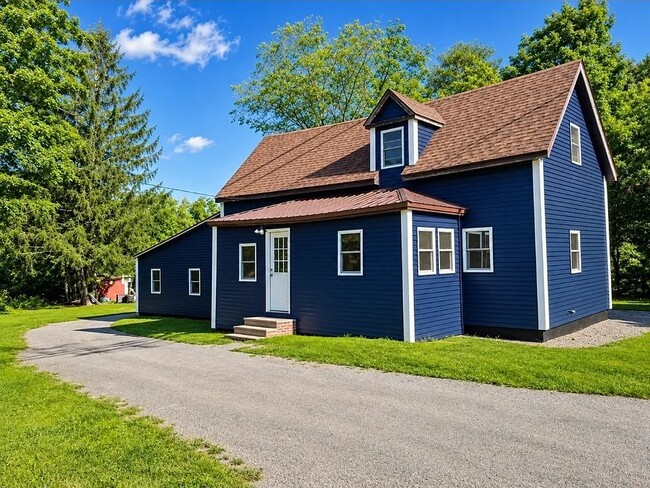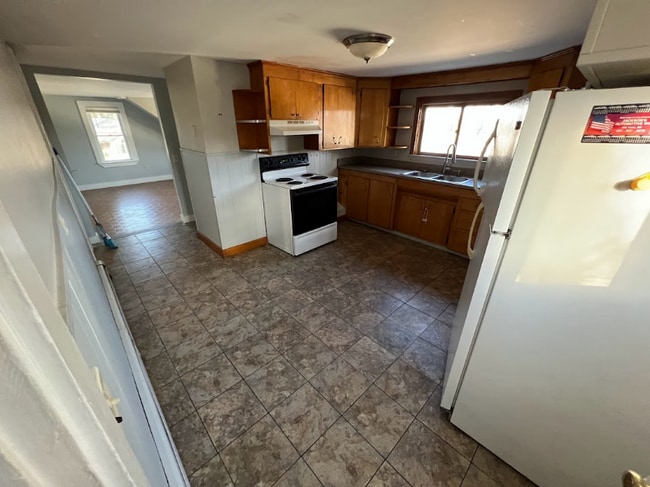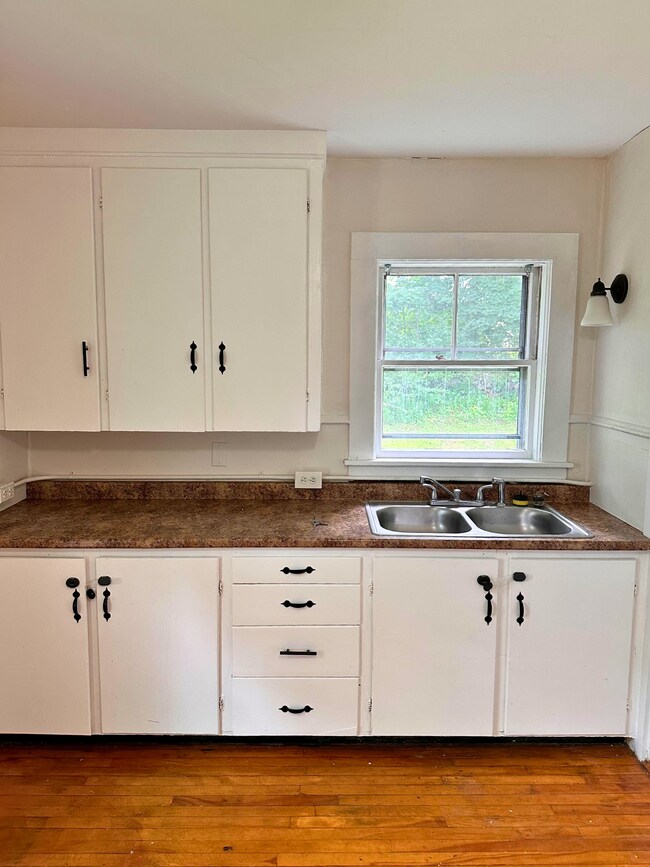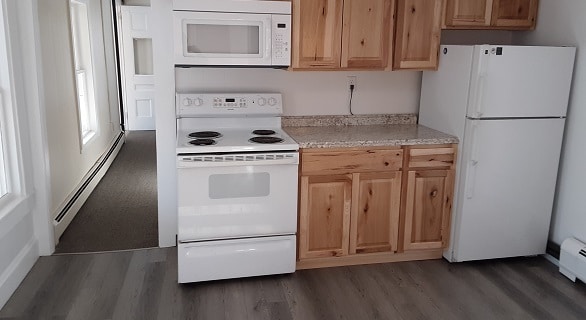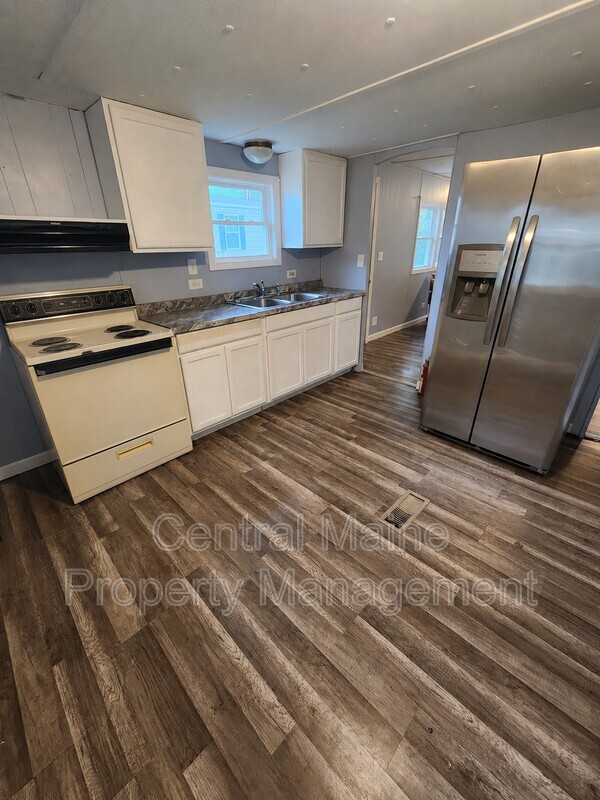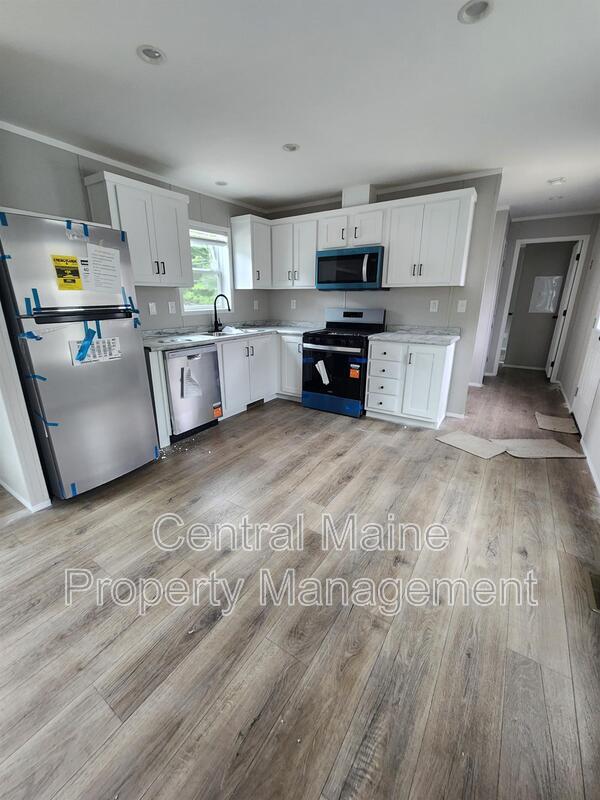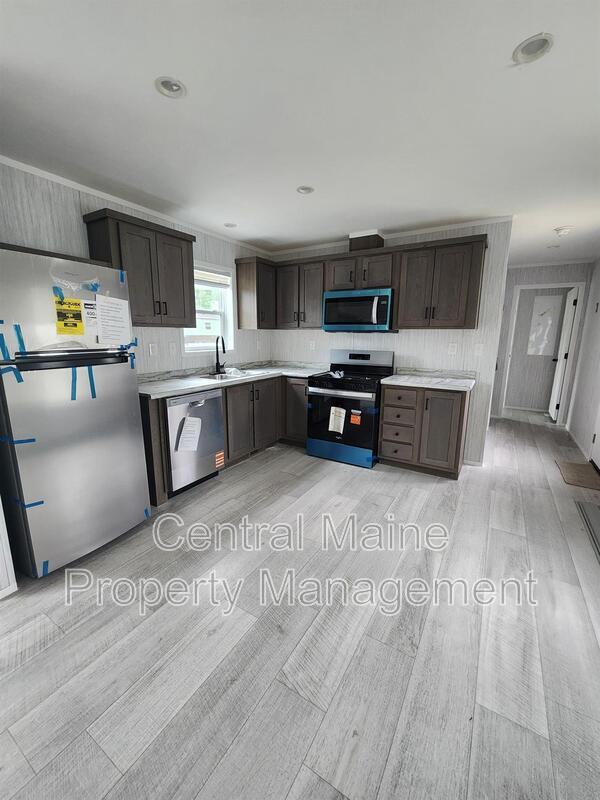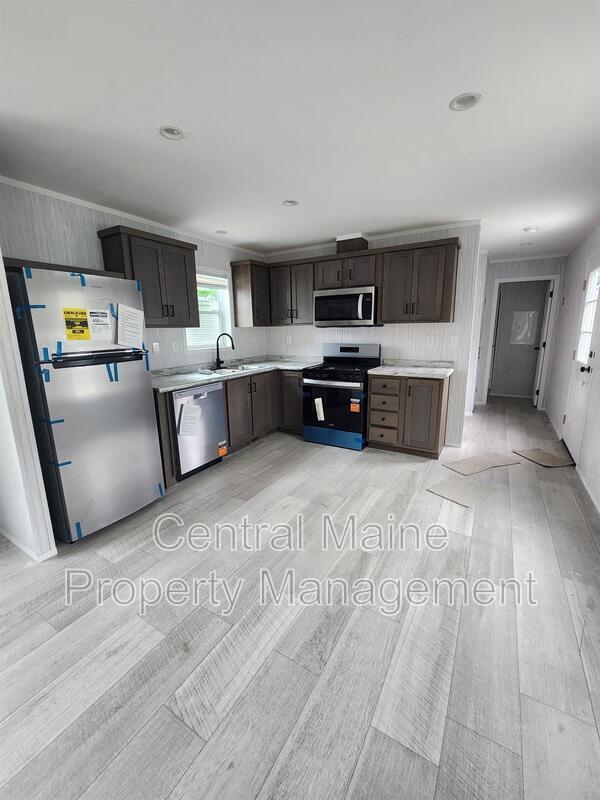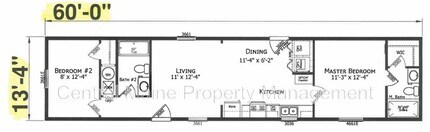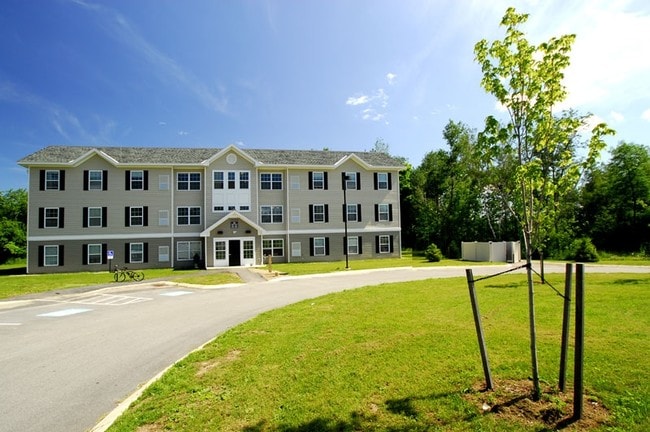
Orchard Trails
4 Empire Dr,
Orono, ME 04473
$759
4 Beds

Area Guide
Since 1862, the University of Maine has been recognized as one of the finest institutions in the Northeast. The campus sits on Marsh Island, surrounded by the Penobscot and Stillwater Rivers. Though a fairly small facility, UMaine includes five museums, ten sports facilities, the Maine Folklife Center, and the Collins Center for the Arts, making it one of the major cultural centers for the region. The Maine Black Bears are the only Division I athletics program in the state. The surrounding town of Orono is quite small, creating a classic New England college town environment to the community. The peaceful calm of Maine’s natural landscape surrounds the university, allowing you to get out and explore the outdoors quite easily. Maine’s “queen city” of Bangor is just fifteen minutes down the road, giving you easy access to the neighboring community’s more extensive dining, nightlife, and entertainment options anytime the urge strikes you.
As of September 2026, the average apartment rent in Orono, ME is $1,502 for one bedroom, $1,729 for two bedrooms, and $2,045 for three bedrooms. Apartment rent in Orono has increased by 3.4% in the past year.
1 BR
654 sq ft
Average Sq Ft
$1,502/month
Average Rent
2 BR
1,055 sq ft
Average Sq Ft
$1,729/month
Average Rent
3 BR
1,141 sq ft
Average Sq Ft
$2,045/month
Average Rent
Explore how walkable, bikeable, drivable, and transit-friendly The University of Maine - Orono, ME (University) is for everyday living.
Somewhat Walkable
Walkability
Exceptionally Drivable
Drivability
Moderately Bikeable
Bikeability
The University of Maine - Orono, ME (University) offers all daily essentials, but they’re limited to a few main areas.
Supermarket Within a 15 Minute Walk
Groceries
Fair Restaurant Variety Nearby
Restaurants
Fair Café Variety Nearby
Cafes
Limited Variety of Shops Nearby
Shopping
Get a sense of what it’s like to live in The University of Maine - Orono, ME (University) from everyday activity to noise and nightlife.
Mostly Calm Atmosphere
Vibrancy
Limited Nightlife Variety Nearby
Nightlife
Not Noisy
Quiet Score

Public
Grades K-5

Public
Grades 6-8
Public
Grades 9-12
 The GreatSchools Rating helps parents compare schools within a state based on a variety of school quality indicators and provides a helpful picture of how effectively each school serves all of its students. Ratings are on a scale of 1 (below average) to 10 (above average) and can include test scores, college readiness, academic progress, advanced courses, equity, discipline and attendance data. We also advise parents to visit schools, consider other information on school performance and programs, and consider family needs as part of the school selection process.
View GreatSchools Rating Methodology
Data provided by
GreatSchools.org
© 2026. All rights reserved.
The GreatSchools Rating helps parents compare schools within a state based on a variety of school quality indicators and provides a helpful picture of how effectively each school serves all of its students. Ratings are on a scale of 1 (below average) to 10 (above average) and can include test scores, college readiness, academic progress, advanced courses, equity, discipline and attendance data. We also advise parents to visit schools, consider other information on school performance and programs, and consider family needs as part of the school selection process.
View GreatSchools Rating Methodology
Data provided by
GreatSchools.org
© 2026. All rights reserved.
† Our analysis of utilities, groceries, transportation, healthcare, home prices, and other goods and services is sourced from the Cost of Living Index, a respected benchmark published by the Council for Community and Economic Research (C2ER) that provides a thorough overview of living expenses across different regions.
Rent data is provided by CoStar Group’s Market Trend reports. As the industry leader in commercial real estate information, analytics, and news, CoStar conducts extensive research to produce and maintain a comprehensive database of commercial real estate information. We combine this data with public record to provide the most up-to-date rental information available.
Consumer goods, services, and home prices are sourced from the Cost of Living Index published by the Council for Community and Economic Research (C2ER). The data on this page is updated quarterly. It was last published in September 2026.
Demographic information comes from Neustar and combines detailed address data with U.S. Census and American Community Survey statistics to produce reliable local estimates.