Median Age
40 Years
Largest Age Group
35-44 Years
Approximately 18% of Residents
Under 20
21%
Over 65
16%





Avg Rent
$2,257
Population
421,787
Renter Mix
62% Rent
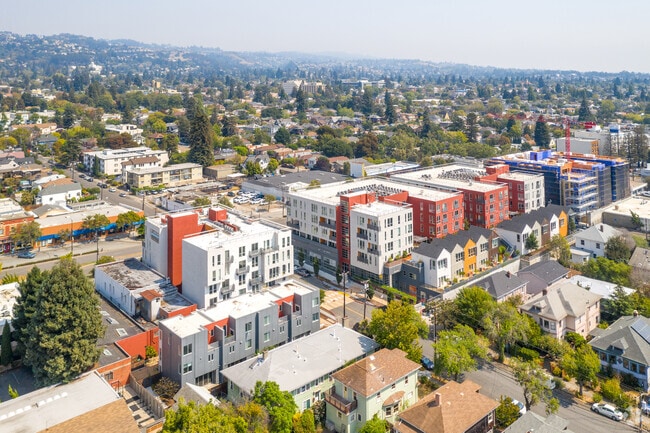
Oakland sits on the eastern shore of San Francisco Bay, anchored by Lake Merritt—the nation's first official wildlife refuge—and backed by redwood-covered hills that stretch toward the horizon. As the county seat of Alameda County and a major port city, Oakland carries real economic weight in the Bay Area, drawing employers in technology, healthcare, logistics, and the arts. California College of the Arts and Mills College contribute to a strong creative and academic presence that shapes the city's character.
Neighborhoods here cover a wide range of personalities. Rockridge offers tree-lined streets and walkable retail along College Avenue, while Temescal draws those who want a lively, arts-forward atmosphere. Uptown sits close to the historic Fox Theater and Paramount Theatre, and Jack London Square puts residents at the waterfront with ferry access to San Francisco. The Oakland Hills neighborhoods like Montclair offer sweeping Bay views and proximity to regional parks.
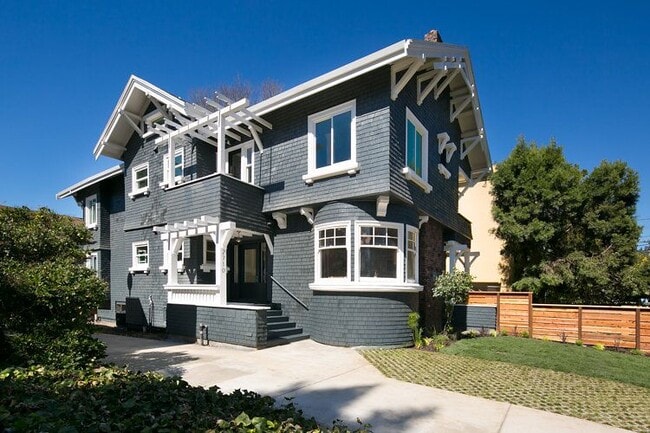
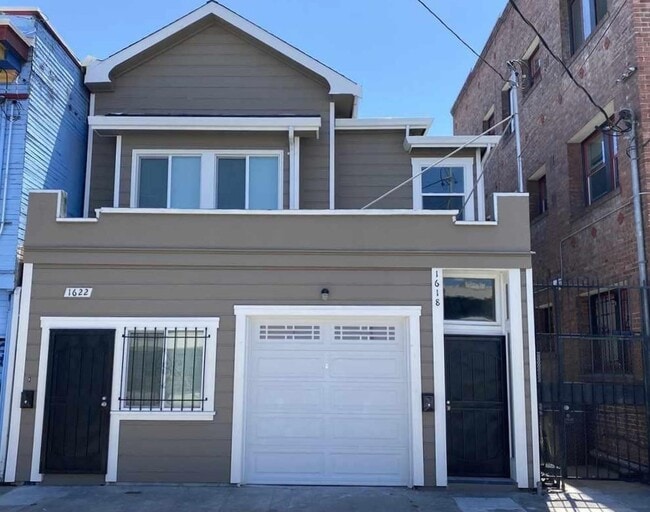
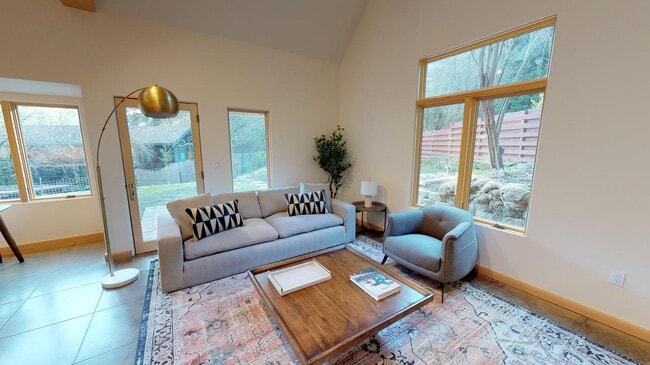
The rental market reflects the city's density and desirability. Studios, one-bedroom apartments, and larger units in high-rise apartment communities share the landscape with classic Craftsman homes and converted lofts. Whether you're drawn to a walkable urban setting or a quieter hillside address, Oakland offers a range of options within one of the most geographically striking cities in California.
Downtown Oakland from Lake Merritt
Oakland City Center contains shops, hotels, and other businesses
Evening view of Oakland
Median Household Income
$90,133
Average: $123,766
Education
170,112
Residents Have a Degree
Job Market
227,270
Workers Employed
Median Age
40 Years
Largest Age Group
35-44 Years
Approximately 18% of Residents
Under 20
21%
Over 65
16%
Housing Distribution
Oakland has more renters than homeowners.

Education Distribution
Review this city's overall education levels.

As of September 2026, the average apartment rent in Oakland, CA is $1,878 for a studio, $2,257 for one bedroom, $2,928 for two bedrooms, and $3,489 for three bedrooms. Apartment rent in Oakland has increased by 6.1% in the past year.
The cost of living in Oakland, CA is 32.4% higher than the national average. Generally, housing in Oakland is 55.7% more expensive than the national average, with rent falling between $1,878 - $3,489. You can expect to pay 13.8% more for groceries, 44.4% more for utilities, and 38.1% more for transportation.
Compare Cities
Explore how walkable, bikeable, drivable, and transit-friendly Oakland, CA is for everyday living.
Moderately Walkable
Walkability
Good Public Transit
Transit
Very Drivable
Drivability
Fairly Bikeable
Bikeability

Public
Grades K-5
664 Students

Public
Grades K-5
576 Students
Crocker Highlands Elementary School
Public
Grades K-5
415 Students
Public
Grades K-8
393 Students
Redwood Heights Elementary School
Public
Grades K-5
374 Students
Public
Grades 6-8
305 Students

Public
Grades 6-8
487 Students
Public
Grades 6-8
487 Students
Public
Grades K-8
393 Students
Public
Grades K-8
959 Students

Public
Grades 9-12
330 Students
Conservatory Of Vocal/Instrumental Arts High
Public
Grades 9-12
55 Students
Public
Grades 9-12
1,812 Students
Public
Grades 6-12
451 Students

Public
Grades 9-12
386 Students
 The GreatSchools Rating helps parents compare schools within a state based on a variety of school quality indicators and provides a helpful picture of how effectively each school serves all of its students. Ratings are on a scale of 1 (below average) to 10 (above average) and can include test scores, college readiness, academic progress, advanced courses, equity, discipline and attendance data. We also advise parents to visit schools, consider other information on school performance and programs, and consider family needs as part of the school selection process.
View GreatSchools Rating Methodology
Data provided by
GreatSchools.org
© 2026. All rights reserved.
The GreatSchools Rating helps parents compare schools within a state based on a variety of school quality indicators and provides a helpful picture of how effectively each school serves all of its students. Ratings are on a scale of 1 (below average) to 10 (above average) and can include test scores, college readiness, academic progress, advanced courses, equity, discipline and attendance data. We also advise parents to visit schools, consider other information on school performance and programs, and consider family needs as part of the school selection process.
View GreatSchools Rating Methodology
Data provided by
GreatSchools.org
© 2026. All rights reserved.
† Our analysis of utilities, groceries, transportation, healthcare, home prices, and other goods and services is sourced from the Cost of Living Index, a respected benchmark published by the Council for Community and Economic Research (C2ER) that provides a thorough overview of living expenses across different regions.
Rent data is provided by CoStar Group’s Market Trend reports. As the industry leader in commercial real estate information, analytics, and news, CoStar conducts extensive research to produce and maintain a comprehensive database of commercial real estate information. We combine this data with public record to provide the most up-to-date rental information available.
Consumer goods, services, and home prices are sourced from the Cost of Living Index published by the Council for Community and Economic Research (C2ER). The data on this page is updated quarterly. It was last published in September 2026.
Demographic information comes from Neustar and combines detailed address data with U.S. Census and American Community Survey statistics to produce reliable local estimates.