Background Image

Mountain Home, AR Area Guide

Avg Rent

$717

Population

12,843

Renter Mix

38% Rent

Savor the natural beauty of this gem in the Ozarks

Suburban Scenic Mountain Views

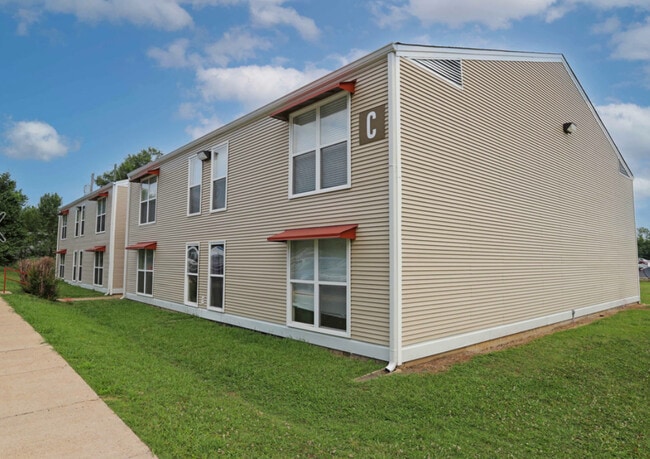
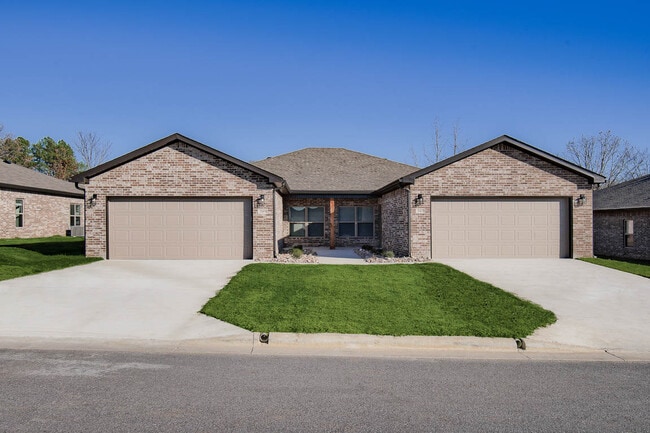
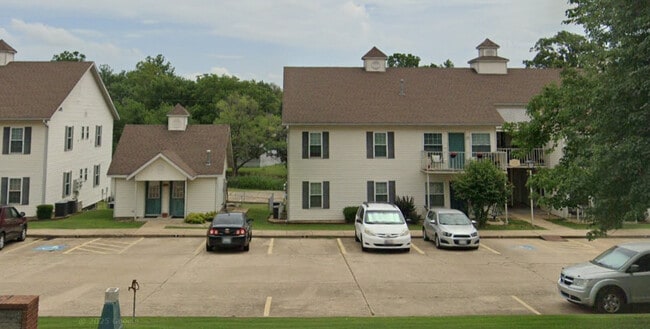
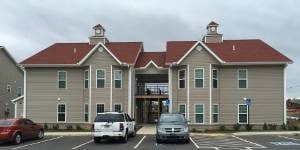
Tucked into the southern Ozark Mountains of northern Arkansas, Mountain Home is the county seat of Baxter County and the center of the Twin Lakes region, where Bull Shoals Lake and Norfork Lake sit just a short drive from downtown. Life here moves at a comfortable pace, with residents waking up to forested ridgelines, easy access to the water, and a walkable downtown that holds its own for a city of about 12,800 people. The downtown Baker District, the Ozark Shopping Center corridor along Highway 62, and nearby Arkansas State University Mountain Home all add to the day-to-day rhythm of the city. Renters in Mountain Home will find a mix of single-family homes available for lease, garden-style apartment communities, and smaller mid-rise buildings scattered throughout the city. The rental stock tends to be well-priced by any regional comparison, and the options spread across both the commercial corridors and quieter residential streets. The city hosts the ArkanFest outdoor concert series each year, drawing crowds to enjoy live music in a downtown setting.

Demographics

Median Household Income

$41,785

Average: $62,401

Education

2,298

Residents Have a Degree

Job Market

4,788

Workers Employed

Age Distribution
Get a sense of this area's population profile.

Median Age

47 Years

Largest Age Group

65-74 Years

Approximately 13% of Residents

Under 20

21%

Over 65

31%

Housing Distribution

Mountain Home has more homeowners than renters.

Renters
38%
Non-Renters
62%

Education Distribution

Review this city's overall education levels.

Bachelor's or Higher
16%
Other Education
84%

Rent Trends

As of August 2026, the average apartment rent in Mountain Home, AR is $611 for a studio, $716 for one bedroom, $852 for two bedrooms, and $946 for three bedrooms. Apartment rent in Mountain Home has increased by 4.2% in the past year.

Property Type
Average Rent
Average Sq Ft
Apartment
$716/month
706 Sq Ft
House
$1,542/month
623 Sq Ft
See Rental Market Trends in Mountain Home, AR

Learn More About Mountain Home

Getting Around

Not Walkable

Walkability

10 / 100

Exceptionally Drivable

Drivability

100 / 100

Somewhat Bikeable

Bikeability

20 / 100

Schools

Hackler Intermediate School

Public

Grades K-5

836 Students

Nelson Wilks Herron Elementary School

Public

Grades K-5

526 Students

Mountain Home Kindergarten

Public

Grades PK-5

213 Students

Pinkston Middle School

Public

Grades 6-8

576 Students

Mtn Home High Career Academics

Public

Grades 6-12

1,456 Students

Mountain Home Junior High School

Public

Grades 6-8

334 Students

Mtn Home High Career Academics

Public

Grades 6-12

1,456 Students

Points of Interest

Parks and Recreation

  • Norfork National Fish Hatchery

Colleges

Top Apartments in Mountain Home

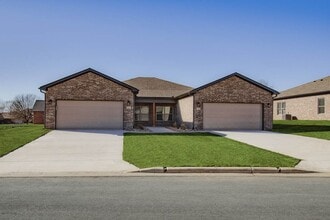
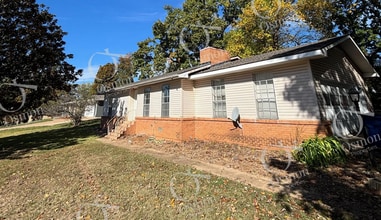
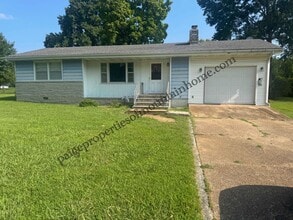
Houses for Rent in Mountain Home

Living in Mountain Home

History

-

Mountain Home was officially incorporated on July 2, 1888, and became the seat of Baxter County in 1873. The area's early identity is preserved in Cooper Park, where a restored original settler's cabin from the early 1830s is on display alongside other structures of historic significance. The cabin belonged to the area's first settler and was rediscovered in 1990, giving residents and visitors a tangible connection to how the town began. The construction of the Bull Shoals and Norfork Dams in the 1940s and 1950s reshaped Mountain Home's growth, drawing workers who put down roots and built the residential fabric of the city that still exists today. Bull Shoals Dam, completed in 1951, is the fifth largest concrete dam in the United States and remains one of the most visited landmarks in northern Arkansas. The Commercial Historic District in the heart of downtown, now anchored by the Baker District, reflects the architectural character of that mid-century growth and continues to draw visitors looking for a genuine small-town experience.

Restaurants

-

Mountain Home's dining scene is concentrated around the downtown Baker District and the Highway 62 commercial corridor, where you'll find everything from casual American plates to fresh Mexican food. The Baker District in particular has brought new life to downtown, with a gastropub operating out of a historic 1892 building offering craft beer and elevated pub fare, a European-style bakery, and spots focused on craft cocktails and wine. Locally owned Mexican restaurants serving street-style tacos, burritos, and combo plates are popular throughout the city, and there's a solid mix of diner-style breakfast spots and barbecue joints that locals return to regularly. The city also benefits from its proximity to fishing culture, and several riverside restaurants and resorts near the White River and North Fork River serve freshly caught trout prepared in Southern and Ozark styles. During warmer months, outdoor dining picks up around the lake areas, and the farmers market held Wednesdays and Saturdays from April through October brings seasonal produce and locally made goods to the corner of 5th and Shiras Street.

Transportation

-

Mountain Home is a car-dependent city, and most residents will use a personal vehicle to get around day to day. U.S. Highway 62 is the main commercial artery running east to west through the city, lined with shopping, dining, and services. Arkansas Highway 5 provides the primary route heading south toward the lake areas and connects the city to communities further into the Ozarks. Getting to larger cities requires a drive, with Fayetteville and Springfield, Missouri each roughly two hours away. The Mountain Home Regional Airport serves the area with limited scheduled and charter service. There is no fixed-route public transit system within the city, so most errands and commutes depend on personal transportation. The downtown area is compact and walkable enough for short trips on foot, particularly in and around the Baker District, and the parks system includes walking and running trails at Cooper Park for those who want to get around on foot or simply stay active close to home.

Parks

-

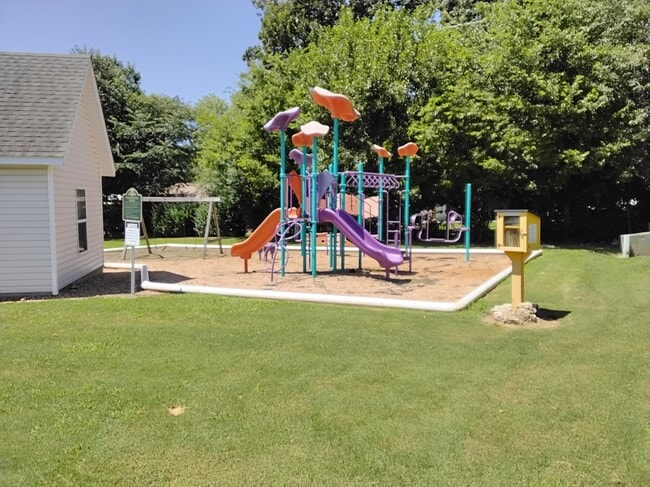
Cooper Park is the centerpiece of Mountain Home's parks system, sitting near the heart of the city at 1101 Spring Street. The park includes a walking and running trail, a pool, baseball field, a nature pond, a historic settlement on display, two pavilions, playgrounds, outdoor basketball courts, three lighted tennis courts, and an outdoor fitness station. The L.C. Sammons Youth Center and a senior center are also located within the park, making it a true hub for all kinds of recreation. Additional city parks include Hickory Park, Clysta Willett Park, Keller Park, McCabe Park, and the Dr. Ray Stahl Soccer Complex on Highway 5 South. Outside the city limits, the outdoor options are extraordinary. Bull Shoals Lake offers nearly 1,000 miles of shoreline and over 20 parks managed by the U.S. Army Corps of Engineers, with facilities for camping, picnicking, swimming, boating, and fishing. Norfork Lake covers more than 22,000 acres with 550-plus miles of shoreline and 19 developed parks. The North Fork River below Norfork Dam provides world-class trout fishing, and the Buffalo National River, about an hour to the southwest, runs 150 miles through protected public land and is the country's first federally designated national river.

Cost

-

Average rent in Mountain Home runs roughly $467 for a one-bedroom and around $548 for a two-bedroom, according to current rental data, placing the city well below the Arkansas statewide average of $635 for a one-bedroom. Three-bedroom units average around $625 per month. The local economy includes healthcare, retail, and services tied to the tourism and outdoor recreation industries. Cost of living index data specific to Mountain Home is limited, but housing costs in the city are notably affordable compared to both state and national benchmarks.

Shopping

-

The primary retail corridor in Mountain Home runs along U.S. Highway 62, where you'll find national chain stores, grocery options, home improvement outlets, and a range of everyday services concentrated in strip centers and open-air shopping areas including the Ozark Shopping Center. This stretch handles most of the city's everyday retail needs and is easy to reach from any part of town. Downtown, the Baker District operates as Mountain Home's walkable shopping and entertainment hub, stretching from 5th to 8th Street between Hickory and Church Streets. The district includes an independent bookstore, a vintage and antique shop, boutique fashion and western wear, a jewelry store, home decor and gift shops, a wellness store that has been operating since 1978, and several other locally owned vendors. The Mountain Home Farmers Market, held Wednesdays and Saturdays from April 1 through November 1 at the corner of 5th and Shiras Street, rounds out the local shopping picture with fresh produce, seasonal items, and locally made goods.

Highlights

-

Mountain Home sits at the heart of the Twin Lakes region in the Arkansas Ozarks, offering immediate access to Bull Shoals Lake, Norfork Lake, the White River, and the Buffalo National River, all paired with a revitalized downtown Baker District and some of the most affordable rents in the state.

Search Nearby Rentals

Nearby Neighborhood Rentals

Methodology

† Our analysis of utilities, groceries, transportation, healthcare, home prices, and other goods and services is sourced from the Cost of Living Index, a respected benchmark published by the Council for Community and Economic Research (C2ER) that provides a thorough overview of living expenses across different regions.

Rent data is provided by CoStar Group’s Market Trend reports. As the industry leader in commercial real estate information, analytics, and news, CoStar conducts extensive research to produce and maintain a comprehensive database of commercial real estate information. We combine this data with public record to provide the most up-to-date rental information available.

Consumer goods, services, and home prices are sourced from the Cost of Living Index published by the Council for Community and Economic Research (C2ER). The data on this page is updated quarterly. It was last published in June 2026.

Demographic information comes from Neustar and combines detailed address data with U.S. Census and American Community Survey statistics to produce reliable local estimates.