Median Age
68 Years
Largest Age Group
70-79 Years
Approximately 24% of Residents
Under 20
8%
Over 65
56%
Avg Rent
$1,276
Population
27,721
Renter Mix
10% Rent
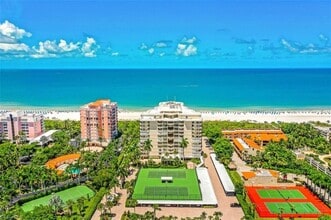
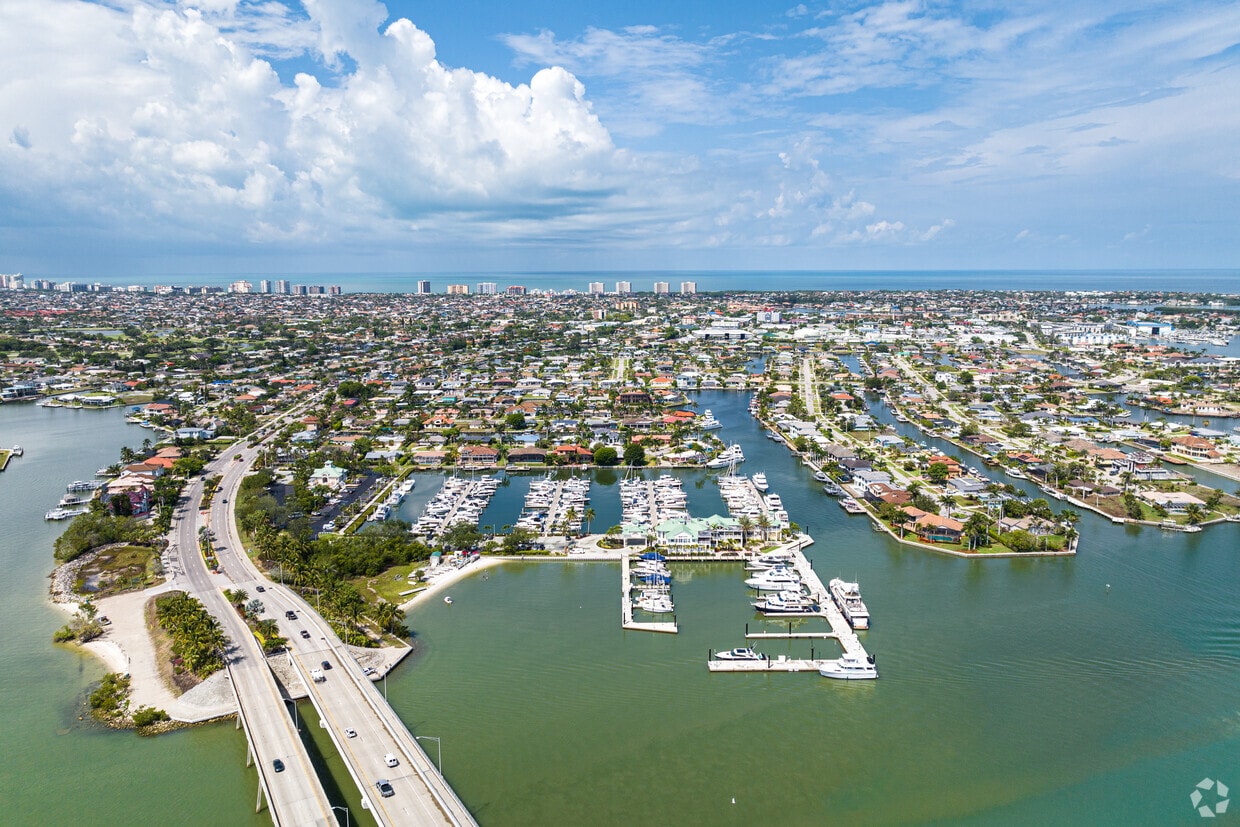
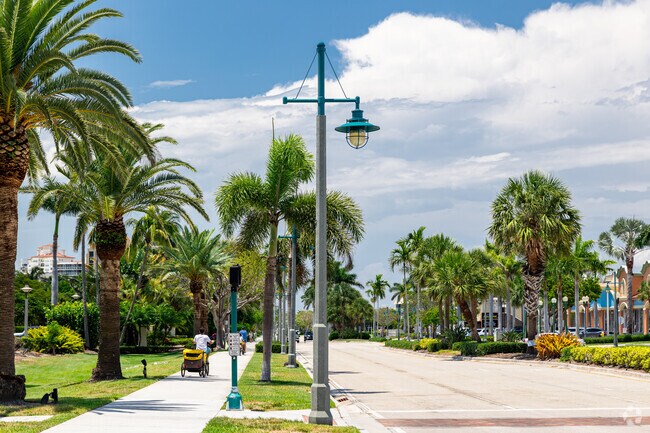
Marco Island is the largest barrier island in Southwest Florida's Ten Thousand Islands area, where Gulf Coast beaches meet the edge of Everglades National Park in a setting that feels deliberately unhurried. Daily life here revolves around the water: boating through canal-laced neighborhoods, casting a line off the dock, or catching the last light at Tigertail Beach. The north side's Olde Marco district and the Esplanade Shoppes bring dining, art galleries, and live music within easy reach, while the island's low speed limits and local roads keep the pace relaxed.
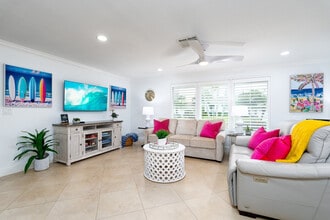
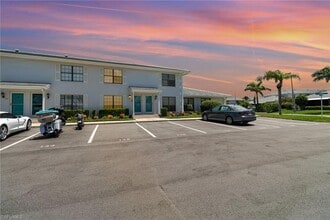
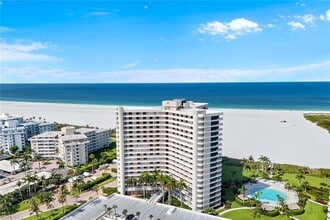
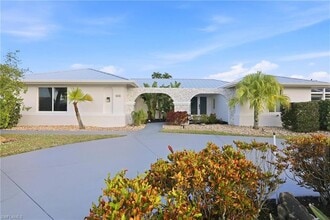
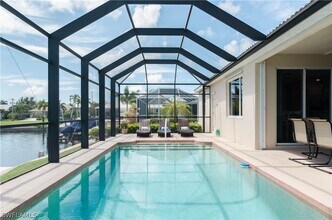
The rental landscape offers variety despite the island's compact footprint. High-rise and mid-rise buildings line the beach corridor, low-rise garden-style apartment communities fill the quieter interior streets, and waterfront rental homes put canal access right outside the door. The island incorporated as a city only in 1997 and has since managed growth carefully, keeping density lower than most Florida coastal communities. Tourism and hospitality anchor the local economy, and the permanent population of roughly 16,000 swells to more than 40,000 during the peak months.
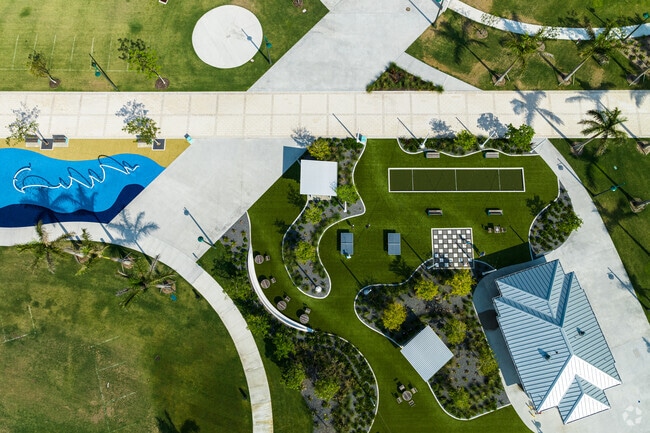
Veterans Community Park in Marco Island has several areas designated for activities.
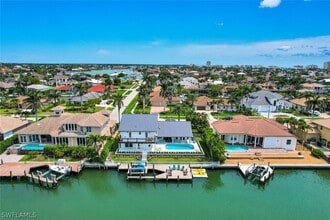
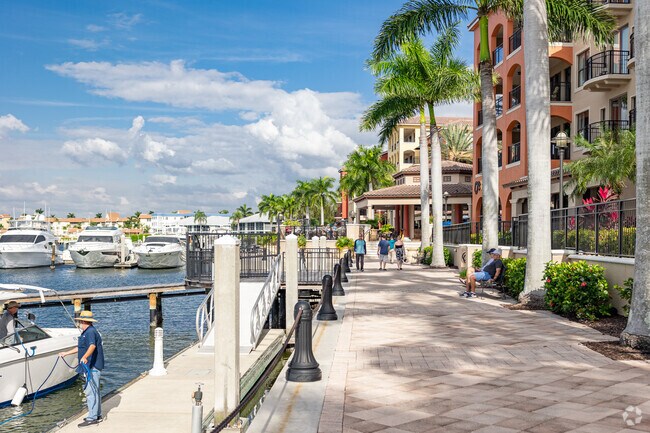
Boaters on Marco Island can moor adjacent to popular restaurants and shopping plazas.
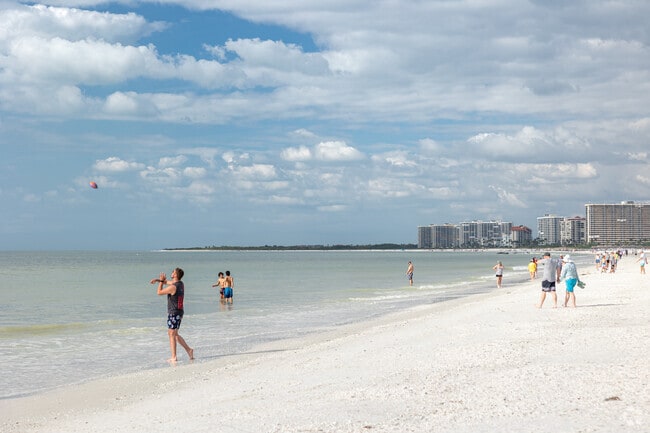
Residents can enjoy their day in the sun at Marco Island Beach.
Anglers have several great fishing posts around Marco Island.
Boaters in Marco Island can easily venture to nearby islands for a unique experience.
Marco Island boaters can access the Gulf via Caxambas Pass directly from private docks.
Median Household Income
$93,772
Average: $133,154
Education
12,499
Residents Have a Degree
Job Market
7,786
Workers Employed
Median Age
68 Years
Largest Age Group
70-79 Years
Approximately 24% of Residents
Under 20
8%
Over 65
56%
Housing Distribution
Marco Island has more homeowners than renters.

Education Distribution
Review this city's overall education levels.

As of September 2026, the average apartment rent in Marco Island, FL is $1,276 for one bedroom. Apartment rent in Marco Island has increased by 1.0% in the past year.
Explore how walkable, bikeable, drivable, and transit-friendly Marco Island, FL is for everyday living.
Fairly Walkable
Walkability
Very Drivable
Drivability
Moderately Bikeable
Bikeability

Tommie Barfield Elementary School
Public
Grades PK-5
453 Students

Marco Island Charter Middle School
Public
Grades 6-8
269 Students

Public
Grades 9-12
305 Students

 The GreatSchools Rating helps parents compare schools within a state based on a variety of school quality indicators and provides a helpful picture of how effectively each school serves all of its students. Ratings are on a scale of 1 (below average) to 10 (above average) and can include test scores, college readiness, academic progress, advanced courses, equity, discipline and attendance data. We also advise parents to visit schools, consider other information on school performance and programs, and consider family needs as part of the school selection process.
View GreatSchools Rating Methodology
Data provided by
GreatSchools.org
© 2026. All rights reserved.
The GreatSchools Rating helps parents compare schools within a state based on a variety of school quality indicators and provides a helpful picture of how effectively each school serves all of its students. Ratings are on a scale of 1 (below average) to 10 (above average) and can include test scores, college readiness, academic progress, advanced courses, equity, discipline and attendance data. We also advise parents to visit schools, consider other information on school performance and programs, and consider family needs as part of the school selection process.
View GreatSchools Rating Methodology
Data provided by
GreatSchools.org
© 2026. All rights reserved.
† Our analysis of utilities, groceries, transportation, healthcare, home prices, and other goods and services is sourced from the Cost of Living Index, a respected benchmark published by the Council for Community and Economic Research (C2ER) that provides a thorough overview of living expenses across different regions.
Rent data is provided by CoStar Group’s Market Trend reports. As the industry leader in commercial real estate information, analytics, and news, CoStar conducts extensive research to produce and maintain a comprehensive database of commercial real estate information. We combine this data with public record to provide the most up-to-date rental information available.
Consumer goods, services, and home prices are sourced from the Cost of Living Index published by the Council for Community and Economic Research (C2ER). The data on this page is updated quarterly. It was last published in September 2026.
Demographic information comes from Neustar and combines detailed address data with U.S. Census and American Community Survey statistics to produce reliable local estimates.