7 Best Places to Live in New Hampshire
Open to exploring your options? Discover other great cities in New Hampshire with our detailed guide.




Avg Rent
$1,776
Population
114,097
Renter Mix
55% Rent
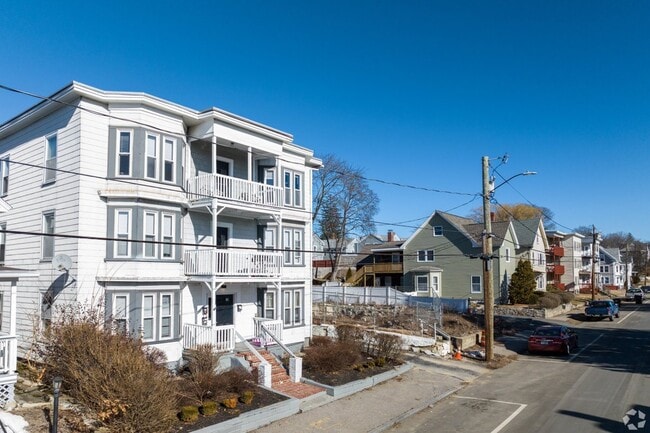
Welcome to Manchester, New Hampshire's largest city, where historic mill buildings meet modern living along the Merrimack River. This former mill town honors its industrial heritage while embracing its role as a contemporary New England community. Housing options span from restored mill apartments downtown to residential communities throughout the city's established neighborhoods. The rental market remains steady, with one-bedroom apartments averaging $1,718, showing a 0.5% increase over the past year, while two-bedroom units average $2,145 with a 4% annual increase.
Manchester's downtown features the renowned Currier Museum of Art and the Palace Theatre, a restored 1915 landmark presenting live performances throughout the year. Outdoor enthusiasts can explore Derryfield Park's trails or observe wildlife at the Massabesic Audubon Center. The presence of Southern New Hampshire University and the University of New Hampshire at Manchester adds to the city's educational foundation. The Millyard district showcases thoughtfully renovated industrial architecture, while the North End features classic New England streetscapes. Downtown continues to grow with local restaurants, independent shops, and events at the SNHU Arena, combining Manchester's historic character with contemporary appeal.
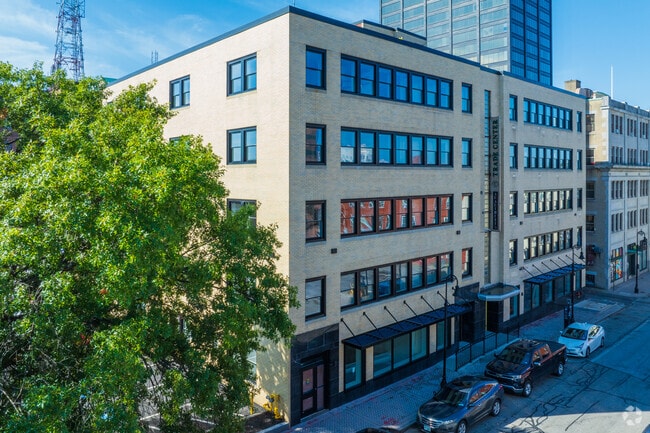
Downtown Manchester offers wide tree-lined sidewalks alongside bookstores, boutiques, and restaurants.
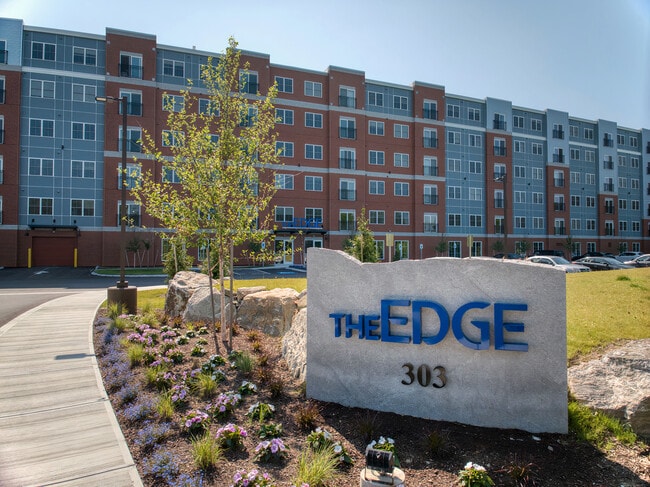
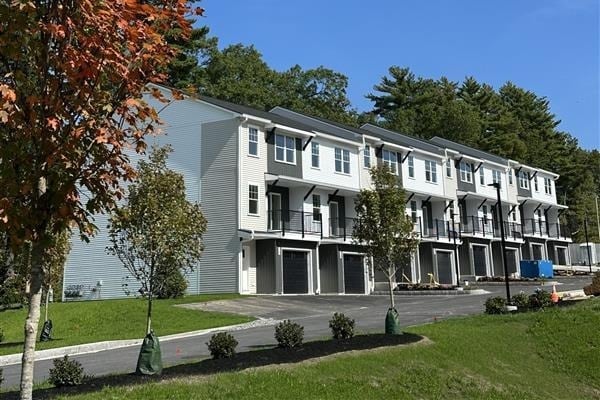
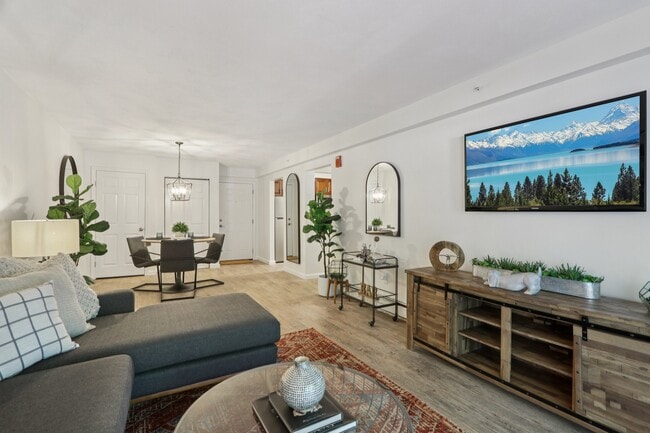
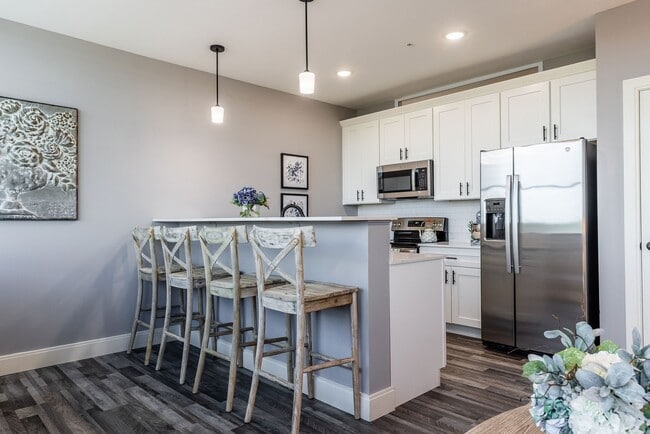
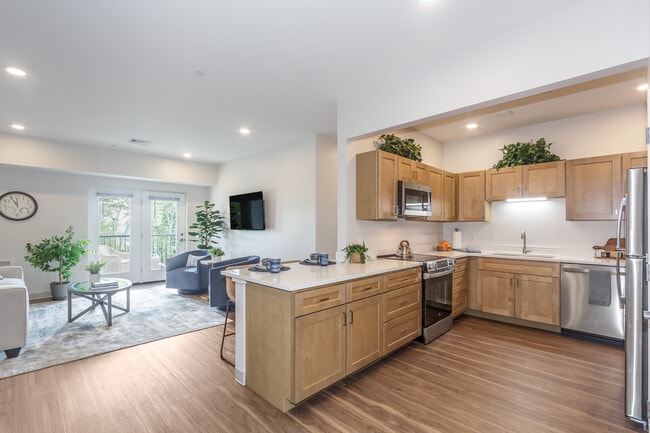
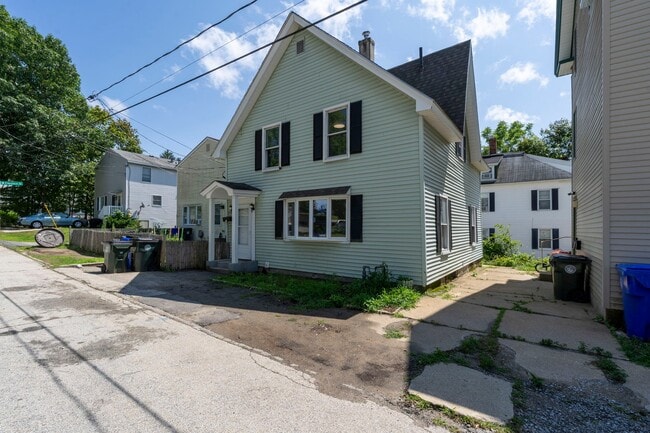
Both apartments and homes cater to the residents' needs.
The Piscataquog Trail in Manchester is highly utilized by cyclists and pedestrians.
Median Household Income
$72,484
Average: $89,962
Education
32,575
Residents Have a Degree
Job Market
65,344
Workers Employed
Median Age
38 Years
Largest Age Group
30-39 Years
Approximately 18% of Residents
Under 20
21%
Over 65
17%
Housing Distribution
Manchester has more renters than homeowners.

Education Distribution
Review this city's overall education levels.

As of September 2026, the average apartment rent in Manchester, NH is $1,455 for a studio, $1,778 for one bedroom, $2,133 for two bedrooms, and $2,657 for three bedrooms. Apartment rent in Manchester has increased by 1.8% in the past year.
The cost of living in Manchester, NH is 10.3% higher than the national average. Generally, housing in Manchester is 16.1% more expensive than the national average, with rent falling between $1,449 - $2,655. You can expect to pay 0.4% less for groceries, 15.6% more for utilities, and 3.8% more for transportation.
Compare Cities

7 Best Places to Live in New Hampshire
Open to exploring your options? Discover other great cities in New Hampshire with our detailed guide.

What Contents You Should Include in Your 'First-Night' Apartment Box
Your first-night box saves you from digging through boxes for basics. Here’s exactly what to pack.

How to Find an Apartment
From budget to lease, these 10 steps take the guesswork out of finding an apartment.
Explore how walkable, bikeable, drivable, and transit-friendly Manchester, NH is for everyday living.
Moderately Walkable
Walkability
Minimal Public Transit
Transit
Moderately Drivable
Drivability
Fairly Bikeable
Bikeability

Public
Grades K-5
487 Students

Public
Grades PK-5
362 Students

Public
Grades PK-5
344 Students
Public
Grades PK-5
336 Students
Public
Grades K-5
119 Students
Public
Grades K-8
1,071 Students

Public
Grades K-8
768 Students

Henry J. McLaughlin Middle School
Public
Grades K-8
889 Students

Public
Grades K-8
775 Students
Kreiva Academy Public Charter School (M)
Public
Grades 6-8
42 Students

Manchester Memorial High School
Public
Grades 9-12
1,296 Students
Manchester Central High School
Public
Grades 9-12
1,130 Students
Manchester School Of Technology (High School)
Public
Grades 9-12
302 Students
Public
Grades 9-12
764 Students

The Founders Academy Charter School (H)
Public
Grades 9-12
152 Students
 The GreatSchools Rating helps parents compare schools within a state based on a variety of school quality indicators and provides a helpful picture of how effectively each school serves all of its students. Ratings are on a scale of 1 (below average) to 10 (above average) and can include test scores, college readiness, academic progress, advanced courses, equity, discipline and attendance data. We also advise parents to visit schools, consider other information on school performance and programs, and consider family needs as part of the school selection process.
View GreatSchools Rating Methodology
Data provided by
GreatSchools.org
© 2026. All rights reserved.
The GreatSchools Rating helps parents compare schools within a state based on a variety of school quality indicators and provides a helpful picture of how effectively each school serves all of its students. Ratings are on a scale of 1 (below average) to 10 (above average) and can include test scores, college readiness, academic progress, advanced courses, equity, discipline and attendance data. We also advise parents to visit schools, consider other information on school performance and programs, and consider family needs as part of the school selection process.
View GreatSchools Rating Methodology
Data provided by
GreatSchools.org
© 2026. All rights reserved.
† Our analysis of utilities, groceries, transportation, healthcare, home prices, and other goods and services is sourced from the Cost of Living Index, a respected benchmark published by the Council for Community and Economic Research (C2ER) that provides a thorough overview of living expenses across different regions.
Rent data is provided by CoStar Group’s Market Trend reports. As the industry leader in commercial real estate information, analytics, and news, CoStar conducts extensive research to produce and maintain a comprehensive database of commercial real estate information. We combine this data with public record to provide the most up-to-date rental information available.
Consumer goods, services, and home prices are sourced from the Cost of Living Index published by the Council for Community and Economic Research (C2ER). The data on this page is updated quarterly. It was last published in September 2026.
Demographic information comes from Neustar and combines detailed address data with U.S. Census and American Community Survey statistics to produce reliable local estimates.