Median Age
43 Years
Largest Age Group
30-39 Years
Approximately 14% of Residents
Under 20
21%
Over 65
20%
Avg Rent
$2,161
Population
20,674
Renter Mix
56% Rent
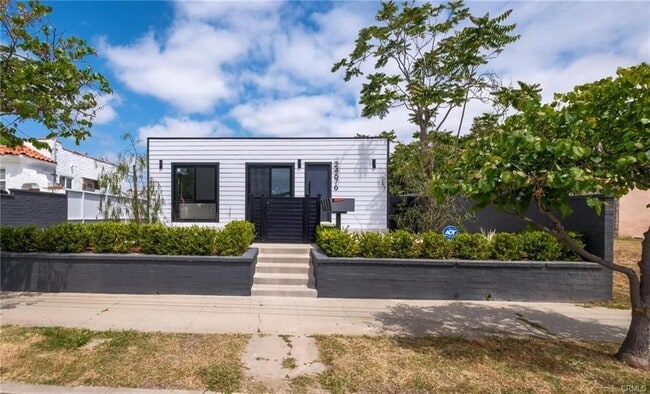
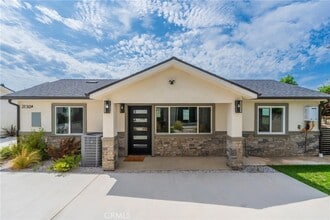
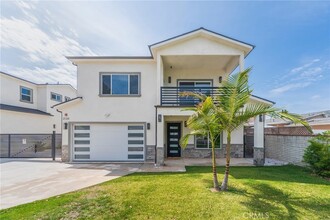
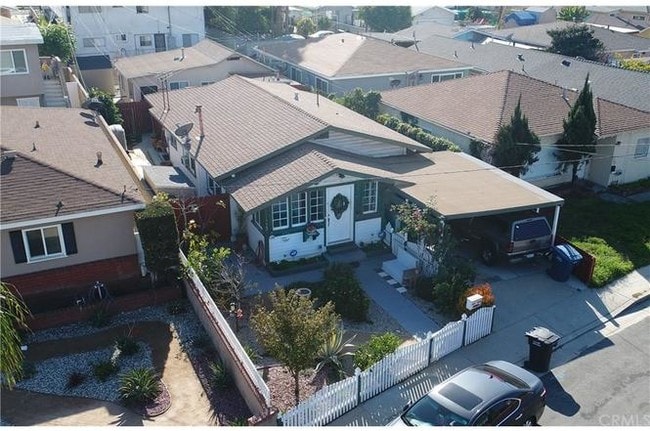
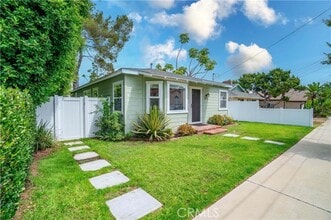
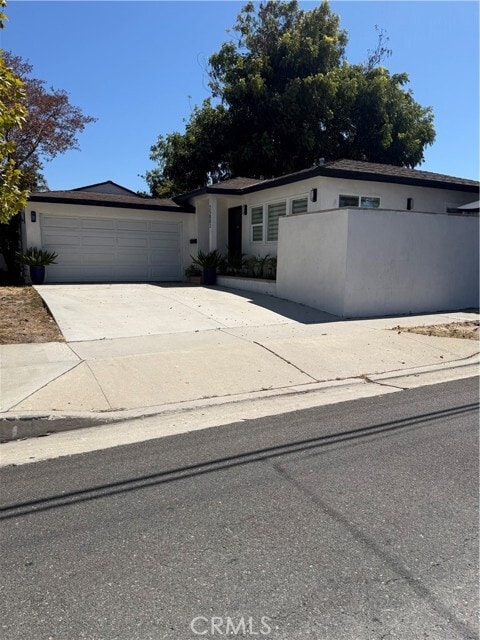
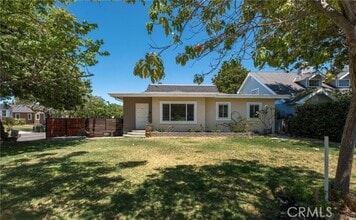
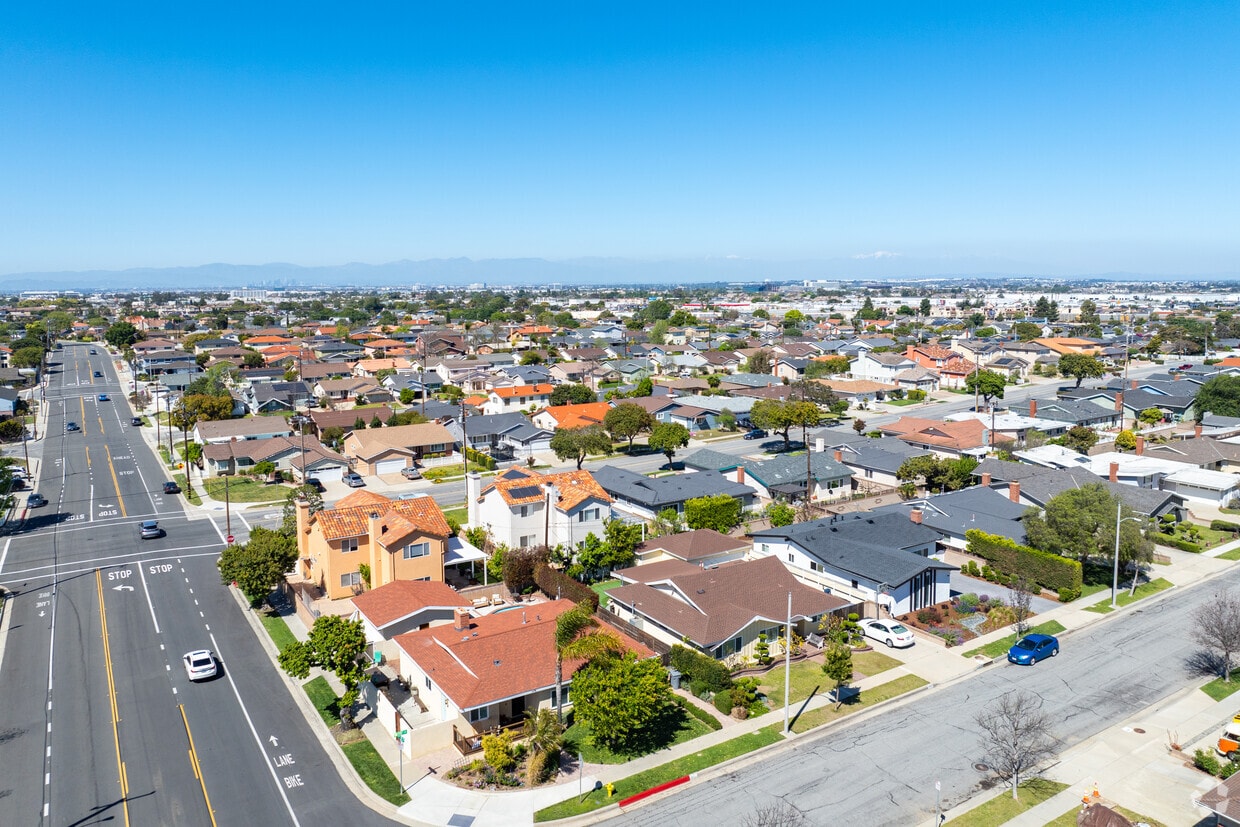
Lomita is a small but densely settled city in Los Angeles County, covering just under two square miles between the South Bay communities of Torrance and Harbor City. Its name translates from Spanish as "little hill," a nod to the rancho-era land grants that once defined the entire region. Though compact, Lomita carries a strong sense of place — residential streets run deep, the Lomita Railroad Museum preserves a tangible piece of local heritage, and Pacific Coast Highway cuts through the center of town with everyday retail and dining close at hand. The city sits within easy reach of Long Beach to the southeast and greater Los Angeles to the north, giving residents practical access to major employment, healthcare, and cultural corridors without paying coastal premium prices. Housing here leans residential in character — single-family homes share the landscape with smaller apartment communities, garden-style rentals, and occasional townhomes. The rental mix tends to be more intimate in scale than what neighboring dense urban cores offer. That smaller footprint contributes to a grounded, neighborhood-first atmosphere where daily routines feel settled and accessible rather than hurried.
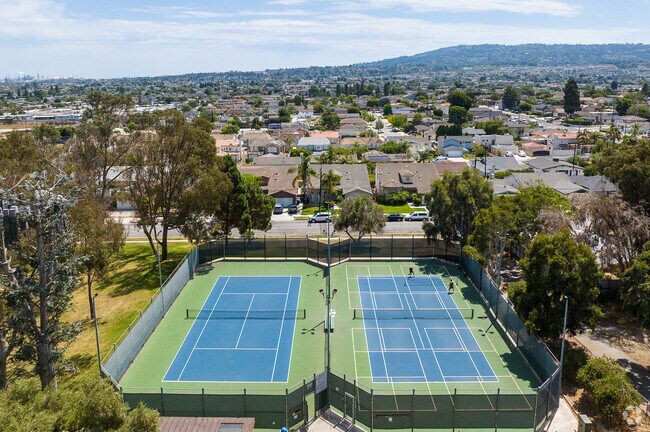
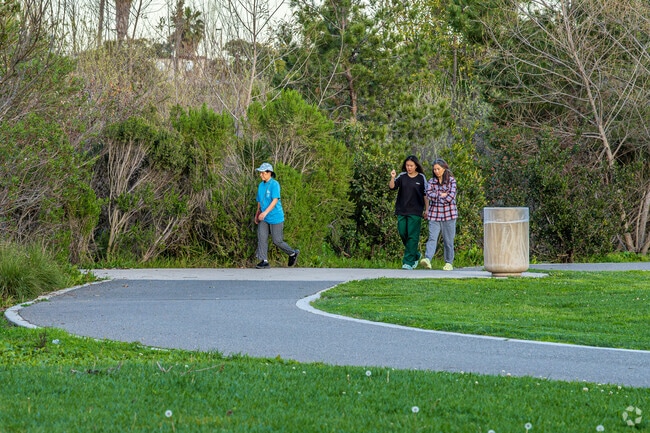
Lomita residents often visit the Ken Malloy Harbor Regional Park for its long walking paths.
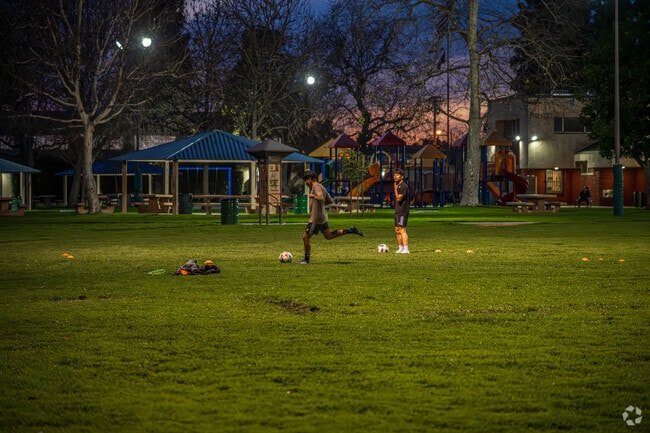
In Lomita, the community is still very active after sunset.
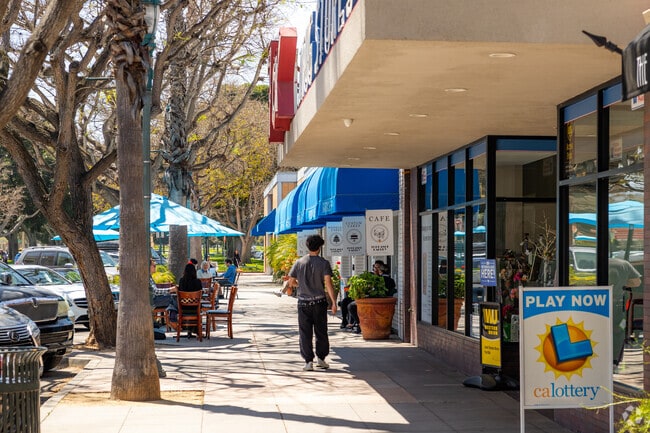
Lomita, CA residents can shop and dine out in Old Torrance.
Torrance Beach is a 1.5 mile stretch with 40 acres of soft sand lining Torrance's coastline.
Two different bus lines pass through Lomita.
Lomita residents visit the Del Amo Mall for a variety of shopping and dining.
Median Household Income
$89,924
Average: $112,921
Education
7,135
Residents Have a Degree
Job Market
11,080
Workers Employed
Median Age
43 Years
Largest Age Group
30-39 Years
Approximately 14% of Residents
Under 20
21%
Over 65
20%
Housing Distribution
Lomita has more renters than homeowners.

Education Distribution
Review this city's overall education levels.

As of September 2026, the average apartment rent in Lomita, CA is $2,308 for a studio, $2,161 for one bedroom, $2,680 for two bedrooms, and $3,143 for three bedrooms. Apartment rent in Lomita has increased by 2.0% in the past year.
Explore how walkable, bikeable, drivable, and transit-friendly Lomita, CA is for everyday living.
Moderately Walkable
Walkability
Limited Public Transit
Transit
Moderately Drivable
Drivability
Fairly Bikeable
Bikeability

Lomita Math/Science/Technology Magnet
Public
Grades K-5
853 Students

Lomita Math/Science/Technology Magnet School
Public
Grades K-5
853 Students
Eshelman Avenue Elementary School
Public
Grades K-5
449 Students

Public
Grades K-5
449 Students
Public
Grades 6-8
1,110 Students
Alexander Fleming Middle School
Public
Grades 6-8
1,110 Students
 The GreatSchools Rating helps parents compare schools within a state based on a variety of school quality indicators and provides a helpful picture of how effectively each school serves all of its students. Ratings are on a scale of 1 (below average) to 10 (above average) and can include test scores, college readiness, academic progress, advanced courses, equity, discipline and attendance data. We also advise parents to visit schools, consider other information on school performance and programs, and consider family needs as part of the school selection process.
View GreatSchools Rating Methodology
Data provided by
GreatSchools.org
© 2026. All rights reserved.
The GreatSchools Rating helps parents compare schools within a state based on a variety of school quality indicators and provides a helpful picture of how effectively each school serves all of its students. Ratings are on a scale of 1 (below average) to 10 (above average) and can include test scores, college readiness, academic progress, advanced courses, equity, discipline and attendance data. We also advise parents to visit schools, consider other information on school performance and programs, and consider family needs as part of the school selection process.
View GreatSchools Rating Methodology
Data provided by
GreatSchools.org
© 2026. All rights reserved.
† Our analysis of utilities, groceries, transportation, healthcare, home prices, and other goods and services is sourced from the Cost of Living Index, a respected benchmark published by the Council for Community and Economic Research (C2ER) that provides a thorough overview of living expenses across different regions.
Rent data is provided by CoStar Group’s Market Trend reports. As the industry leader in commercial real estate information, analytics, and news, CoStar conducts extensive research to produce and maintain a comprehensive database of commercial real estate information. We combine this data with public record to provide the most up-to-date rental information available.
Consumer goods, services, and home prices are sourced from the Cost of Living Index published by the Council for Community and Economic Research (C2ER). The data on this page is updated quarterly. It was last published in September 2026.
Demographic information comes from Neustar and combines detailed address data with U.S. Census and American Community Survey statistics to produce reliable local estimates.