10 Best Chicago Neighborhoods for Foodies
Looking to live in a Chicago neighborhood with great food? Explore some of the hotspots of Chicago’s food scene for the best deep-dish pizza, Italian beef, and Chicago-style hot dogs.

Area Guide
Just one mile north of Downtown Chicago on the border of Lake Michigan, Lincoln Park is an iconic neighborhood and renowned home of the city's favorite museums, zoos, and parks. From North Avenue Beach to Lincoln Park Zoo and Steppenwolf Theater, there's something for everyone in Lincoln Park - and the ever-increasing population proves it.
Residents of this neighborhood are a diverse group. Home to the prestigious DePaul University, Lincoln Park is made up of local professionals as well as a large student population. From its shady tree-lined streets to its historic architecture, Lincoln Park is a beautiful neighborhood with unique character and style. The neighborhood provides fantastic dining options and community events, such as the Chicago Craft Beer Fest and the Lincoln Park Greek Fest (as well as Alinea, voted “Best Restaurant in the US” by Business Insider). Renters searching for apartments in Lincoln Park should note that, while housing expenses are around 41% higher than the national average, gas and grocery prices are comparable to other areas.
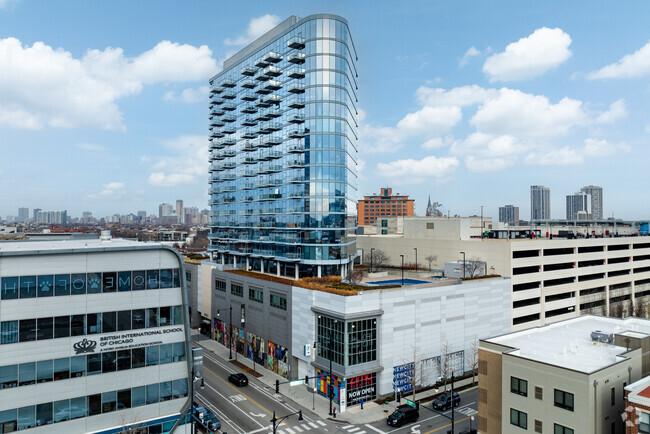
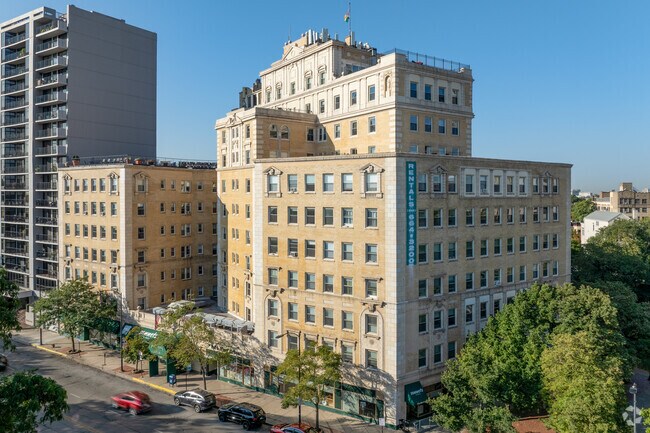
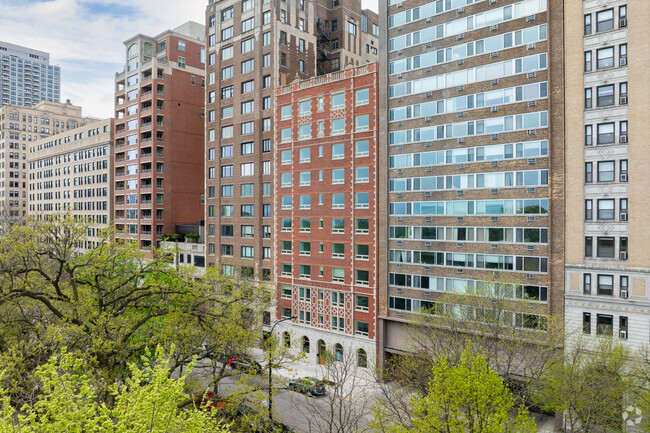
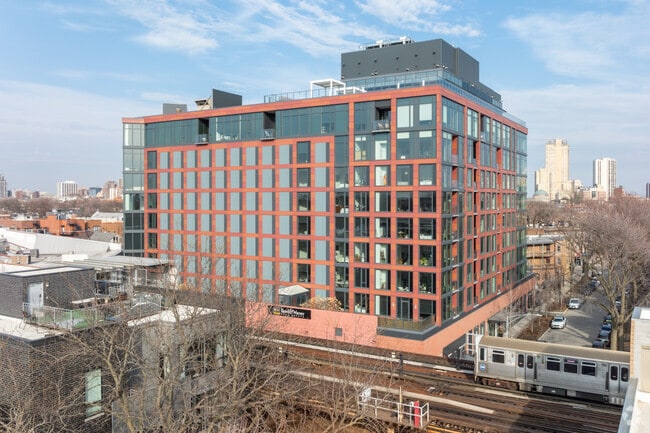
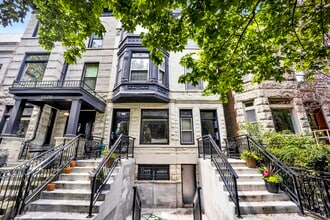
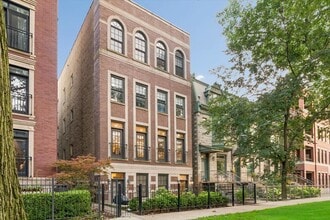
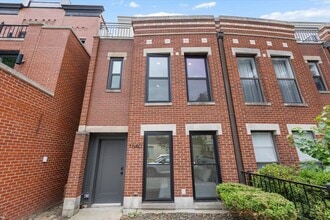
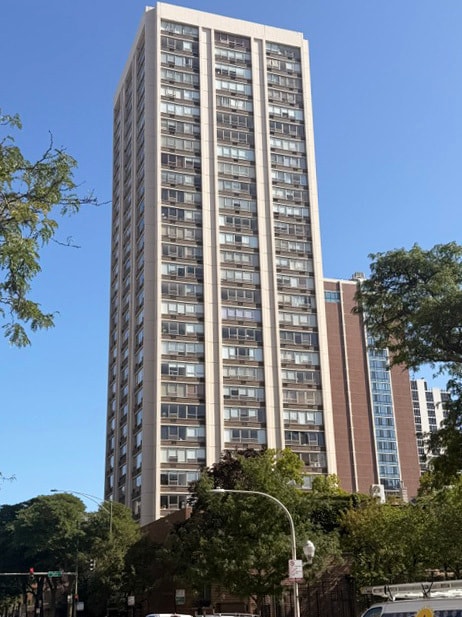
Architecture in Lincoln Park
View of Chicago on the Lincoln Park boardwalk
Chicago skyline in the summer
As of August 2026, the average apartment rent in Lincoln Park is $1,690 for a studio, $2,561 for one bedroom, $3,967 for two bedrooms, and $4,916 for three bedrooms. Apartment rent in Lincoln Park has increased by 7.4% in the past year.
Studio
394 sq ft
Average Sq Ft
$1,690/month
Average Rent
1 BR
619 sq ft
Average Sq Ft
$2,561/month
Average Rent
2 BR
956 sq ft
Average Sq Ft
$3,967/month
Average Rent
3 BR
1,111 sq ft
Average Sq Ft
$4,916/month
Average Rent

10 Best Chicago Neighborhoods for Foodies
Looking to live in a Chicago neighborhood with great food? Explore some of the hotspots of Chicago’s food scene for the best deep-dish pizza, Italian beef, and Chicago-style hot dogs.

20 Questions to Ask Before Renting an Apartment
From pests to rent hikes, these questions can save you from costly surprises after signing.

What Is a Furnished Apartment?
Furnished apartments offer convenience from day one, but they’re not all the same.
Explore how walkable, bikeable, drivable, and transit-friendly Lincoln Park - Chicago, IL is for everyday living.
Exceptionally Walkable
Walkability
Exceptional Public Transit
Transit
Moderately Drivable
Drivability
Exceptionally Bikeable
Bikeability
In Lincoln Park - Chicago, IL, daily errands are quick and hassle-free.
Supermarket Within a 5 Minute Walk
Groceries
Exceptional Restaurant Variety Nearby
Restaurants
Exceptional Café Variety Nearby
Cafes
Exceptional Variety of Shops Nearby
Shopping
Lincoln Park - Chicago, IL provides ample green space and fitness centers within easy reach.
Exceptional Amount of Park Space Nearby
Parks
Exceptional Wellness Amenity Variety Nearby
Wellness
Get a sense of what it’s like to live in Lincoln Park - Chicago, IL from everyday activity to noise and nightlife.
Highly Vibrant Atmosphere
Vibrancy
Exceptional Nightlife Variety Nearby
Nightlife
Fairly Noisy
Quiet Score

† Our analysis of utilities, groceries, transportation, healthcare, home prices, and other goods and services is sourced from the Cost of Living Index, a respected benchmark published by the Council for Community and Economic Research (C2ER) that provides a thorough overview of living expenses across different regions.
Rent data is provided by CoStar Group’s Market Trend reports. As the industry leader in commercial real estate information, analytics, and news, CoStar conducts extensive research to produce and maintain a comprehensive database of commercial real estate information. We combine this data with public record to provide the most up-to-date rental information available.
Consumer goods, services, and home prices are sourced from the Cost of Living Index published by the Council for Community and Economic Research (C2ER). The data on this page is updated quarterly. It was last published in June 2026.
Demographic information comes from Neustar and combines detailed address data with U.S. Census and American Community Survey statistics to produce reliable local estimates.