
Best Neighborhoods in Lincoln, NE for Renters
Thinking about moving to Lincoln but don't know where to look? Here are five neighborhoods to start your search.





Avg Rent
$1,086
Population
285,746
Renter Mix
44% Rent
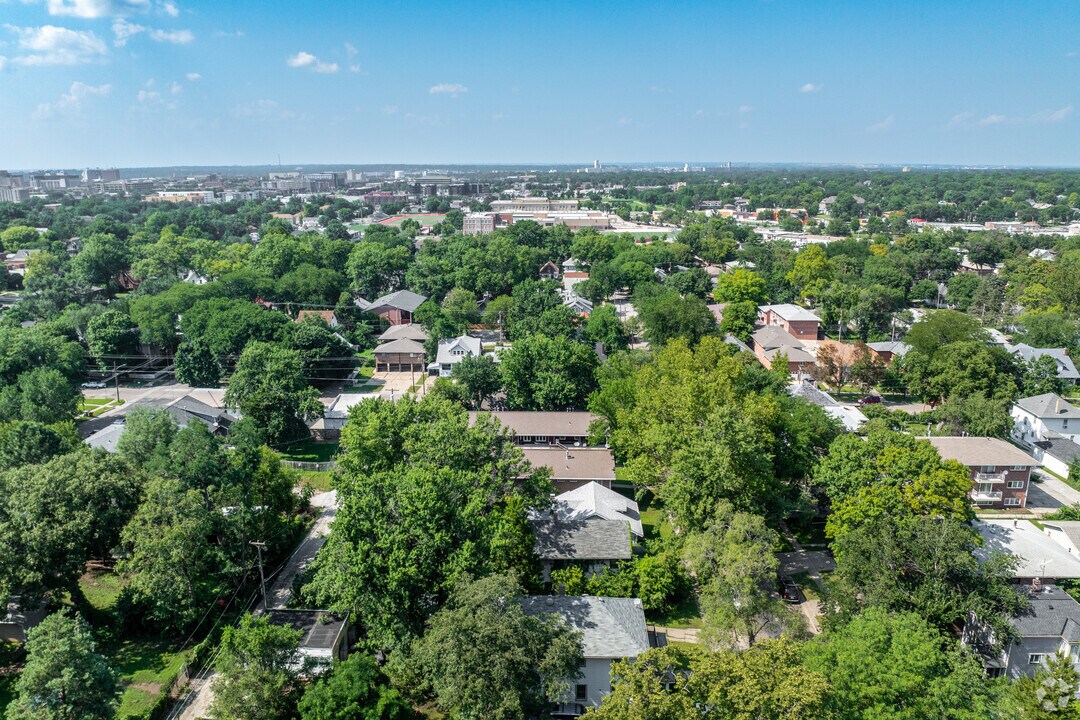
Lincoln, Nebraska blends Midwestern hospitality with metro amenities. Home to the University of Nebraska–Lincoln, the city boasts a welcoming atmosphere with diverse cultural experiences. The historic Haymarket District downtown showcases restored warehouses filled with local shops, restaurants, and apartments. With average rents falling well below the national average, Lincoln remains an affordable option for renters.
From Downtown Lincoln’s unprecedented growth to the tree-lined streets of Near South, each of Lincoln’s neighborhoods has something unique to offer. The University of Nebraska–Lincoln adds energy through athletics and arts programming, while the Lied Center and Sheldon Museum of Art highlight the city’s cultural scene. The Telegraph District adds modern appeal and established neighborhoods, like Mount Emerald, offer historic charm and a strong sense of community.
Life in Lincoln is balanced and easygoing, making it appealing for renters. Outdoor spaces like the MoPac Trail, Pioneers Park Nature Center, and Sunken Gardens provide scenic nature close to home. From loft-style apartments in Haymarket to townhomes in southeast Lincoln, renters can find a range of options to fit their lifestyle.
The towering Nebraska capitol building can be seen from the homes of Oak Hills.
The Sunday Farmers' Market at College View is one of the most popular markets in Lincoln.
Thursday Night Gravel follows a new route every week.
Enjoy time on the lake with Lincoln Paddle Company at Holmes Lake Park.
Take a ride on the Ferris wheel at the Lancaster County Super Fair.
The Porter Ridge neighborhood has sidewalks and easy access to parks.
Median Household Income
$64,305
Average: $84,138
Education
88,106
Residents Have a Degree
Job Market
161,007
Workers Employed
Median Age
35 Years
Largest Age Group
20-29 Years
Approximately 18% of Residents
Under 20
25%
Over 65
16%
Housing Distribution
Lincoln has more homeowners than renters.

Education Distribution
Review this city's overall education levels.

As of September 2026, the average apartment rent in Lincoln, NE is $988 for a studio, $1,087 for one bedroom, $1,329 for two bedrooms, and $1,609 for three bedrooms. Apartment rent in Lincoln has increased by 1.4% in the past year.
The cost of living in Lincoln, NE is 6.8% lower than the national average. Generally, housing in Lincoln is 22.8% less expensive than the national average, with rent falling between $988 - $1,609. You can expect to pay 1.5% less for groceries, 6.1% less for utilities, and 4.8% less for transportation.
Compare Cities

Best Neighborhoods in Lincoln, NE for Renters
Thinking about moving to Lincoln but don't know where to look? Here are five neighborhoods to start your search.

Five Most Affordable Neighborhoods in Lincoln, NE
Thinking about renting in Lincoln but on a tight budget? Check out these five affordable neighborhoods in Lincoln.

How to Get a Renters Insurance Quote: What You’ll Need
Get a renters insurance quote fast. Know what to have on hand and how to lower your rate.
Explore how walkable, bikeable, drivable, and transit-friendly Lincoln, NE is for everyday living.
Moderately Walkable
Walkability
Limited Public Transit
Transit
Very Drivable
Drivability
Very Bikeable
Bikeability

Public
Grades PK-5
767 Students

Public
Grades PK-5
738 Students

Public
Grades PK-5
674 Students
Public
Grades PK-5
556 Students
Public
Grades PK-5
497 Students
Public
Grades 6-8
1,020 Students
Public
Grades 6-8
849 Students
Public
Grades 6-8
803 Students

Public
Grades 6-8
731 Students

Public
Grades 6-8
705 Students
Public
Grades 9-12
1,982 Students
Public
Grades 9-12
2,110 Students

Public
Grades 9-12
1,848 Students

Public
Grades 9-12
2,086 Students

Public
Grades 9-12
1,927 Students

 The GreatSchools Rating helps parents compare schools within a state based on a variety of school quality indicators and provides a helpful picture of how effectively each school serves all of its students. Ratings are on a scale of 1 (below average) to 10 (above average) and can include test scores, college readiness, academic progress, advanced courses, equity, discipline and attendance data. We also advise parents to visit schools, consider other information on school performance and programs, and consider family needs as part of the school selection process.
View GreatSchools Rating Methodology
Data provided by
GreatSchools.org
© 2026. All rights reserved.
The GreatSchools Rating helps parents compare schools within a state based on a variety of school quality indicators and provides a helpful picture of how effectively each school serves all of its students. Ratings are on a scale of 1 (below average) to 10 (above average) and can include test scores, college readiness, academic progress, advanced courses, equity, discipline and attendance data. We also advise parents to visit schools, consider other information on school performance and programs, and consider family needs as part of the school selection process.
View GreatSchools Rating Methodology
Data provided by
GreatSchools.org
© 2026. All rights reserved.
† Our analysis of utilities, groceries, transportation, healthcare, home prices, and other goods and services is sourced from the Cost of Living Index, a respected benchmark published by the Council for Community and Economic Research (C2ER) that provides a thorough overview of living expenses across different regions.
Rent data is provided by CoStar Group’s Market Trend reports. As the industry leader in commercial real estate information, analytics, and news, CoStar conducts extensive research to produce and maintain a comprehensive database of commercial real estate information. We combine this data with public record to provide the most up-to-date rental information available.
Consumer goods, services, and home prices are sourced from the Cost of Living Index published by the Council for Community and Economic Research (C2ER). The data on this page is updated quarterly. It was last published in September 2026.
Demographic information comes from Neustar and combines detailed address data with U.S. Census and American Community Survey statistics to produce reliable local estimates.