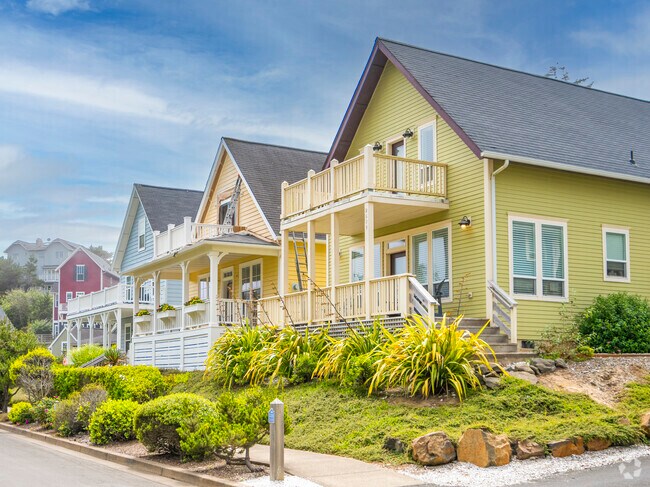
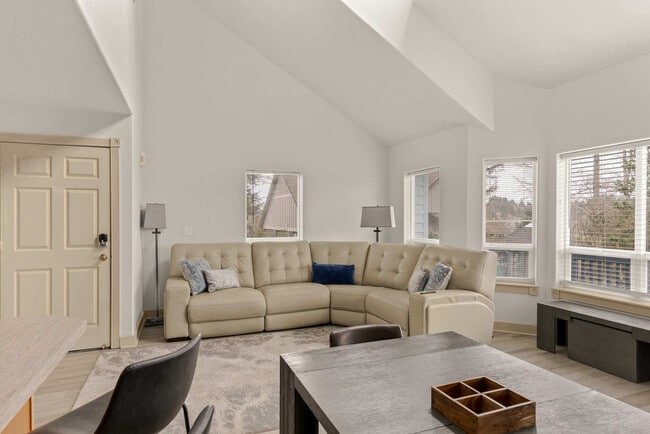
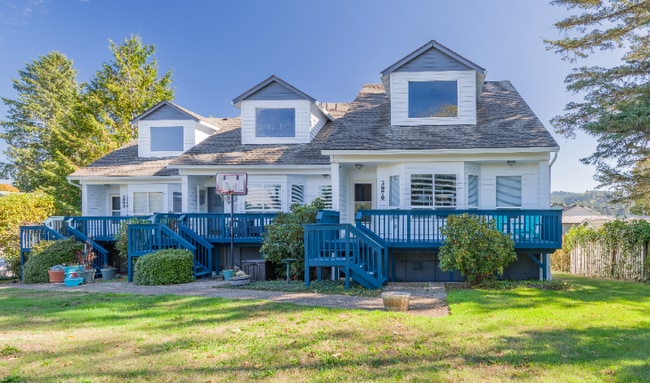
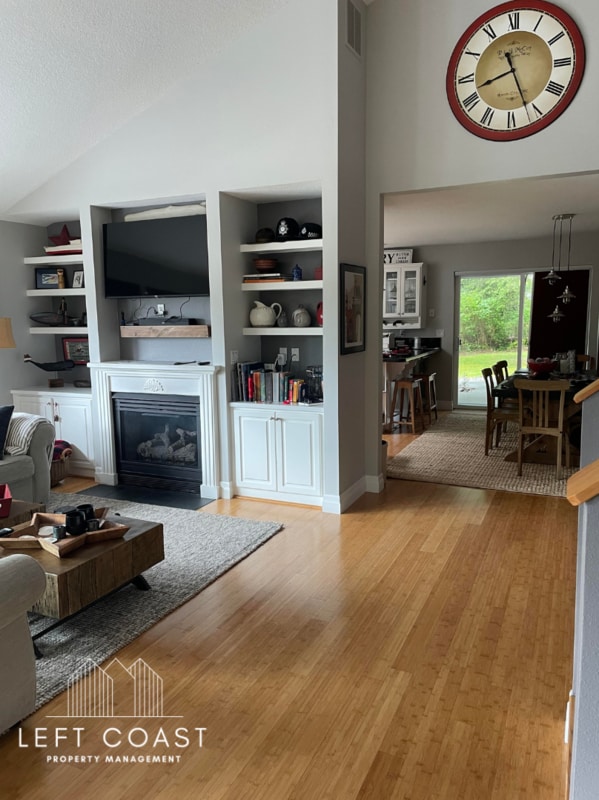
Lincoln City features beachfront condos and lakeside million-dollar homes across six districts.
The Nelscott area is a surfing community with lots of vacation homes.

Lincoln City, OR

Area Guide

Avg Rent

$1,183

Population

11,973

Renter Mix

46% Rent

Experience the secluded lifestyle of Oregon’s central coast

Coastal Scenic Ocean

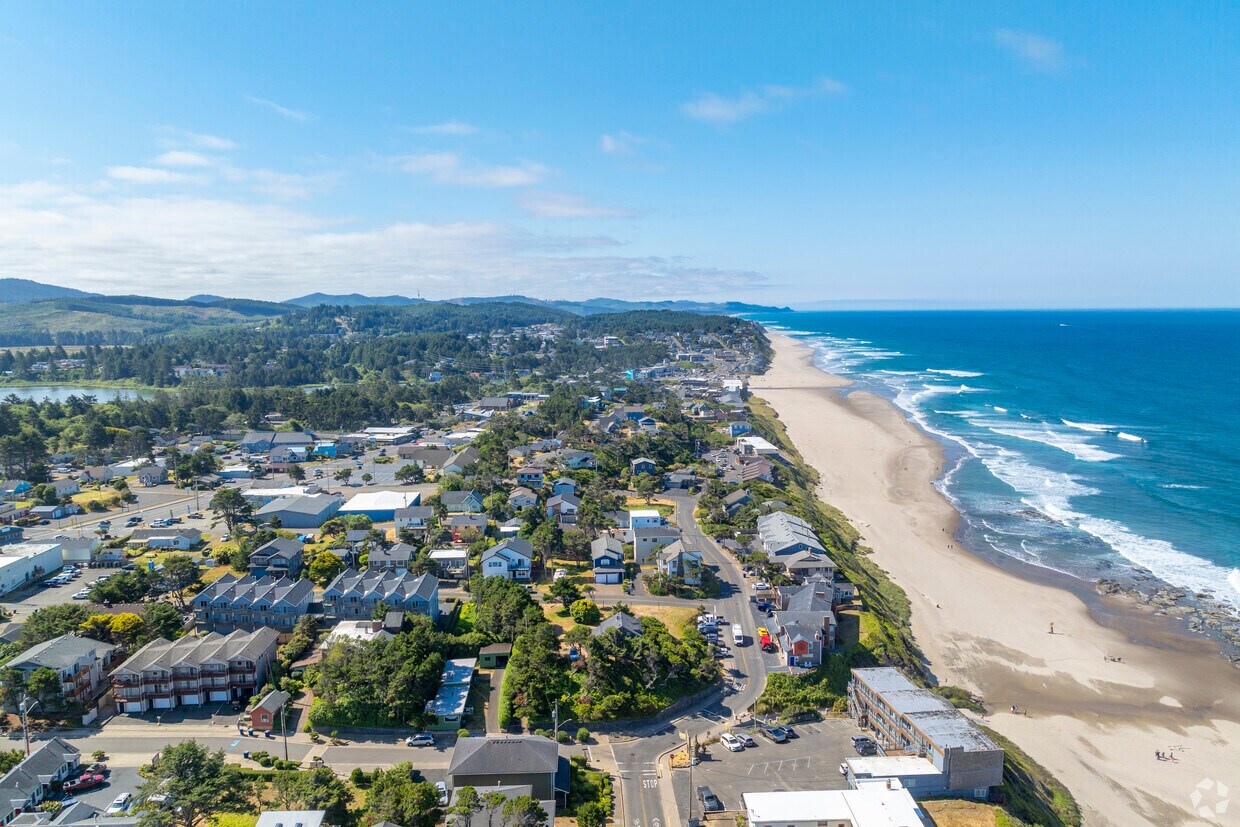
Lincoln City sits along the Oregon Coast, roughly 60 miles west of Salem and about 90 miles from Portland, making it one of the more accessible coastal cities in the Pacific Northwest. The city was incorporated in 1965, when five adjacent communities—Oceanlake, Taft, Cutler City, Nelscott, and DeLake—merged along U.S. Route 101, which still runs through the heart of town as the main commercial corridor. Renters looking for apartments for rent in Lincoln City will find a laid-back coastal setting with a small but steady local economy anchored by tourism, retail, and the Chinook Winds Casino Resort, one of the area's largest employers. With a population of just under 12,000 and a tight-knit community feel, Lincoln City offers a quieter pace of life compared to Oregon's larger cities.

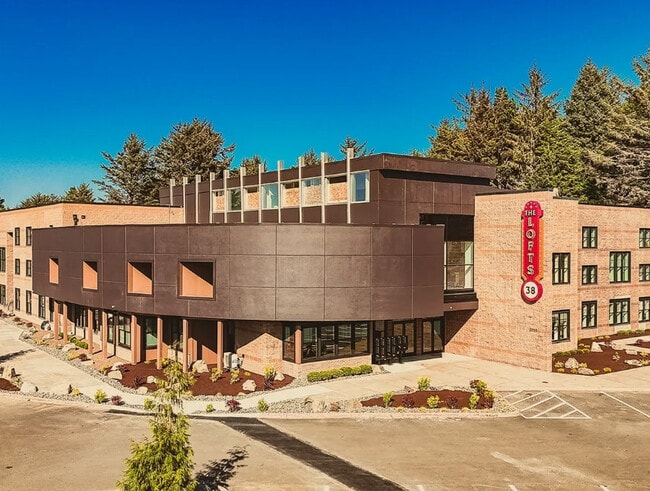
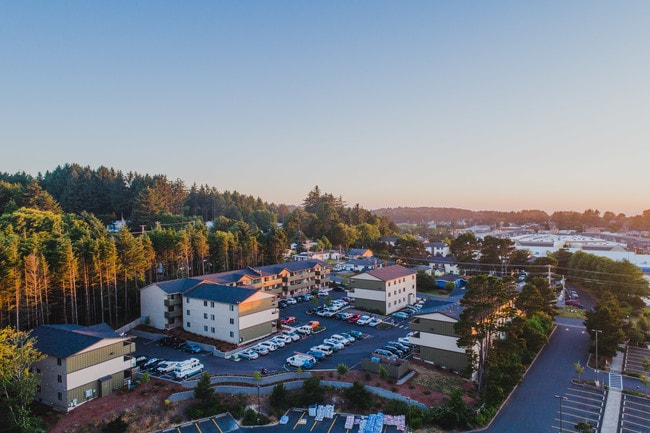
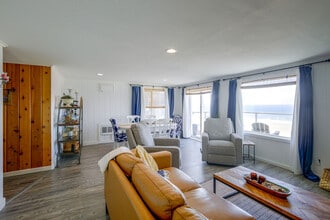
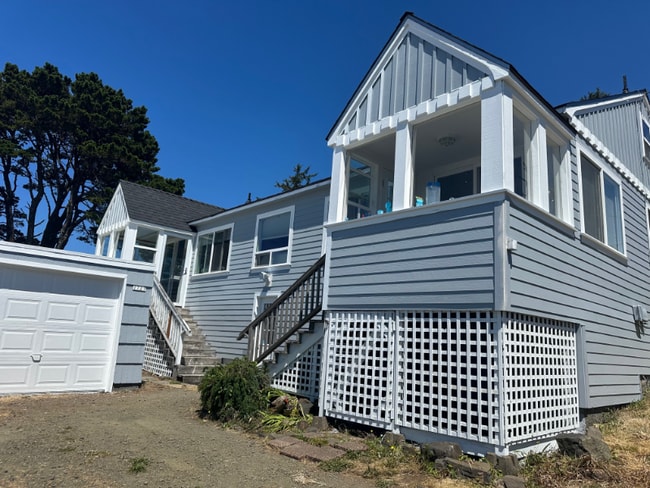
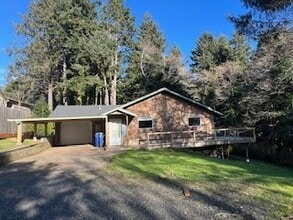
Rental options in Lincoln City include garden-style apartment communities, townhomes, condos, and single-family houses, many within a short drive of the Pacific Ocean. The city's neighborhoods reflect its coastal roots, with areas like Taft on the south end offering a concentration of local restaurants, shops, and nightlife along the highway. Renters in the north end of town enjoy proximity to Roads End State Recreation Site and quieter residential streets. Devils Lake State Recreation Area sits near the center of the city, offering kayaking, fishing, and picnicking close to home. The Lincoln City Outlets and Lincoln City Plaza provide convenient everyday shopping, while the Connie Hansen Garden Conservancy is a peaceful spot for a weekend stroll.

Getting around Lincoln City is largely car-dependent, as U.S. Route 101 serves as the main artery connecting the city north toward Tillamook and south to Newport. Lincoln County's COAST public transit system provides bus service throughout the region for those who prefer not to drive. The Lincoln City Municipal Airport offers small aircraft access, and the drive to Portland International Airport takes roughly 90 minutes via Highway 18 and Interstate 5. With ocean access, steady employment in hospitality and retail, and a growing arts and events scene, renting in Lincoln City can be a great fit for those who want coastal living with everyday convenience nearby.

Demographics

Median Household Income

$52,724

Average: $73,721

Education

3,940

Residents Have a Degree

Job Market

4,859

Workers Employed

Age Distribution
Get a sense of this area's population profile.

Median Age

52 Years

Largest Age Group

65-74 Years

Approximately 18% of Residents

Under 20

18%

Over 65

32%
Housing Distribution

Lincoln City has more homeowners than renters.

Renters
46%
Non-Renters
54%

Education Distribution

Review this city's overall education levels.

Bachelor's or Higher
22%
Other Education
78%

Rent Trends

As of June 2026, the average apartment rent in Lincoln City, OR is $1,183 for one bedroom, $1,379 for two bedrooms, and $1,552 for three bedrooms. Apartment rent in Lincoln City has increased by 1.9% in the past year.

Property Type
Average Rent
Average Sq Ft
Apartment
$1,183/month
650 Sq Ft
See Rental Market Trends in Lincoln City, OR

Getting Around

Somewhat Walkable

Walkability

30 / 100

Very Drivable

Drivability

80 / 100

Somewhat Bikeable

Bikeability

30 / 100

Schools

Taft Elementary School

Public

Grades K-5

453 Students

Oceanlake Elementary School

Public

Grades K-5

290 Students

Taft Middle School

Public

Grades 6-8

259 Students

Taft High School

Public

Grades 9-12

464 Students

Lincoln City Career Technical High School

Public

Grades 9-12

30 Students

Points of Interest

Parks and Recreation

  • D River State Recreation Site
  • Devils Lake State Recreation Area
  • Connie Hansen Garden Conservancy
  • Roads End State Recreation Site
  • Cascade Head

Top Apartments in Lincoln City

Houses for Rent in Lincoln City

Living in Lincoln City

History

-

Lincoln City presents an unusual origin story compared to most Oregon Coast communities. Rather than growing organically from a single settlement, the town was formally incorporated in 1965 through the merger of five distinct coastal communities Taft, Oceanlake, Delake, Nelscott, and Cutler City. The new city's name came from a contest among local schoolchildren, chosen because selecting any of the five original community names would have sparked controversy. Many of these neighborhoods still maintain their identities today, with markers and street names reminding residents and visitors of places like Taft, named after President William Howard Taft, and Nelscott, established by Charles P. Nelson and Dr. W.G. Scott in 1926. Nelscott Reef remains famous among surfers and draws wave riders from around the world.

For a deeper look into the area's layered past, the Lincoln City Cultural Center occupies the historic DeLake School building and offers rotating exhibits alongside community events. The city also celebrates its character through cultural traditions like the year-round Finders Keepers program, where hand-blown glass floats are hidden along seven miles of beach for lucky beachcombers to discover. The two annual kite festivals held at D River Wayside, home to one of the world's shortest rivers connecting Devils Lake to the Pacific, have earned Lincoln City recognition as a hub for kite enthusiasts. These traditions give the city a distinctive coastal personality shaped by its patchwork beginnings.

Restaurants

-

Lincoln City's dining scene reflects its coastal Oregon character, with fresh seafood taking center stage at many local establishments. The dining landscape also includes brewpubs and casual eateries where locals and visitors gather after beach walks or kite-flying sessions. Whether seeking fresh Dungeness crab, wood-fired pizza, or a simple burger with ocean views, Lincoln City's restaurant scene provides plenty of options for residents to explore throughout the year.

Transportation

-

Lincoln City is primarily a car-dependent community, with U.S. Route 101 serving as the main transportation corridor through town. This scenic coastal highway connects Lincoln City to other Oregon Coast destinations, with Newport approximately 25 miles to the south and Tillamook about 45 miles to the north. The highway provides the primary route for both local travel and access to the Portland metro area, which lies roughly 90 miles to the east via Highway 18. While the city doesn't have a local public transit system, Lincoln County Transit provides limited regional bus service connecting coastal communities, though routes and schedules are designed more for essential trips than daily commuting.

The nearest commercial airport is Portland International Airport, approximately a two-hour drive inland. For smaller aircraft and private flights, the Siletz Bay State Airport serves the area. Walking and biking are popular recreational activities along the beach and in certain neighborhoods, though the city's layout and coastal terrain make personal vehicles the most practical option for daily errands and getting around. Highway 18 provides the main east-west connection to the Willamette Valley, making it the primary route for residents commuting to Salem or Portland, though most who live in Lincoln City work locally in the tourism and service industries.

Parks

-

Lincoln City's coastal setting provides residents with abundant outdoor recreation opportunities centered around beaches, trails, and waterfront activities. The city maintains several parks that cater to different interests, including Devil's Lake State Recreation Area, which features swimming areas, boat launches, and picnic facilities on its 678-acre freshwater lake. This popular spot draws residents for kayaking, fishing, and paddle boarding during warmer months. Along the coastline, multiple beach access points offer opportunities for tidepooling, kite flying, and beachcombing, with the area's famous glass float drops adding a treasure-hunting element to beach walks. The Connie Hansen Garden Conservancy provides a quieter outdoor experience with its coastal native plant displays and walking paths.

The surrounding landscape includes forest trails and nature areas that highlight the region's temperate rainforest environment. Local parks feature amenities such as playgrounds, sports courts, and open spaces for community gatherings. The city's recreation programs offer seasonal activities and events that bring neighbors together, from summer concerts to guided nature walks.

Cost

-

Lincoln City offers a coastal lifestyle with a cost of living that reflects its desirable Oregon Coast location. Housing costs tend to be higher than the national average, driven by the area's appeal as both a vacation destination and year-round community. Average rent for a one-bedroom apartment typically ranges from $1,000 to $1,400 per month, while two-bedroom units generally fall between $1,300 and $1,800. These rates are comparable to other coastal Oregon communities but remain below the prices found in major metro areas like Portland. Everyday expenses such as groceries and utilities align closely with state averages, though some costs may be slightly elevated due to the town's geographic location and tourism-focused economy. Residents benefit from Oregon's lack of sales tax, which helps offset higher housing expenses. The combination of oceanfront living and relatively moderate costs compared to California's coastal cities makes Lincoln City an attractive option for those seeking a coastal community without the premium prices of larger resort towns.

Shopping

-

Lincoln City offers a coastal shopping experience that blends beachside charm with practical amenities for residents and visitors alike. Highway 101 is the main retail corridor, featuring a mix of national chains, specialty shops, and locally-owned businesses. The Lincoln City Outlets provide a variety of brand-name retailers at discount prices, while the Tanger Outlet Center draws shoppers looking for deals on clothing, home goods, and accessories. Beyond the outlet malls, the area features numerous antique stores, art galleries, and gift shops showcasing coastal-inspired décor, handmade crafts, and regional artwork.

The community embraces local commerce through seasonal farmers markets where vendors offer fresh produce, baked goods, and artisan products. Neighborhood shopping centers house grocery stores, pharmacies, and everyday essentials, making it convenient for residents to handle routine errands. Specialty shops focusing on kites, beach toys, and outdoor gear cater to the coastal lifestyle, while several thrift stores and consignment shops provide budget-friendly shopping alternatives. The retail landscape reflects Lincoln City's character as a working beach town, balancing tourist-oriented shopping with the practical needs of year-round residents.

Search Nearby Rentals

Methodology

† Our analysis of utilities, groceries, transportation, healthcare, home prices, and other goods and services is sourced from the Cost of Living Index, a respected benchmark published by the Council for Community and Economic Research (C2ER) that provides a thorough overview of living expenses across different regions.

Rent data is provided by CoStar Group’s Market Trend reports. As the industry leader in commercial real estate information, analytics, and news, CoStar conducts extensive research to produce and maintain a comprehensive database of commercial real estate information. We combine this data with public record to provide the most up-to-date rental information available.

Consumer goods, services, and home prices are sourced from the Cost of Living Index published by the Council for Community and Economic Research (C2ER). The data on this page is updated quarterly. It was last published in June 2026.

Demographic information comes from Neustar and combines detailed address data with U.S. Census and American Community Survey statistics to produce reliable local estimates.