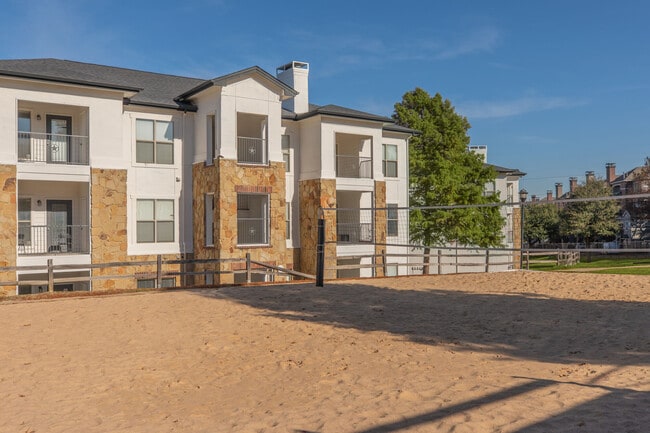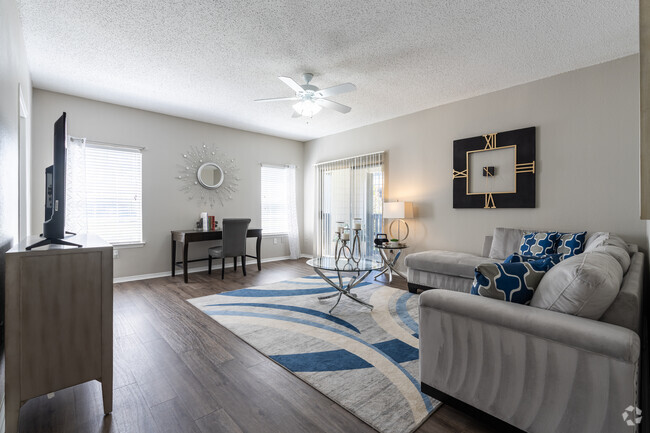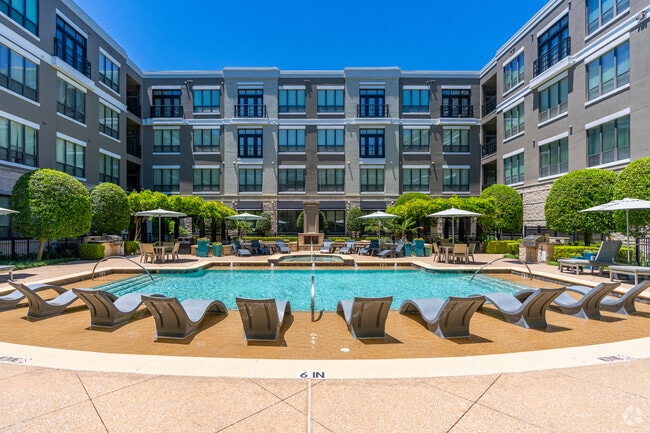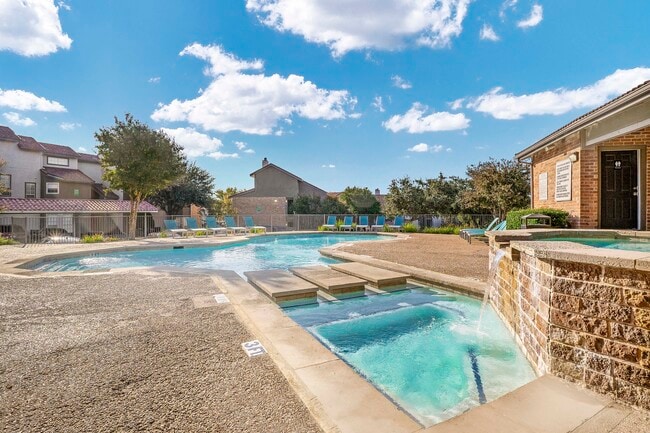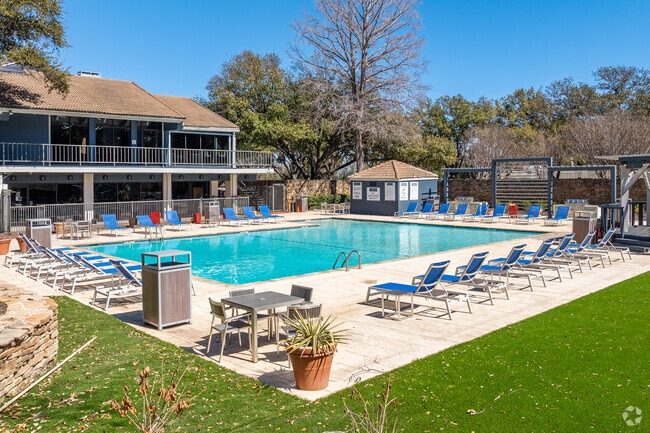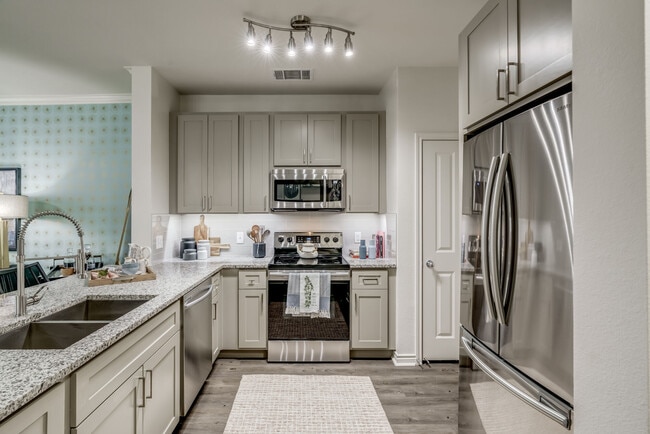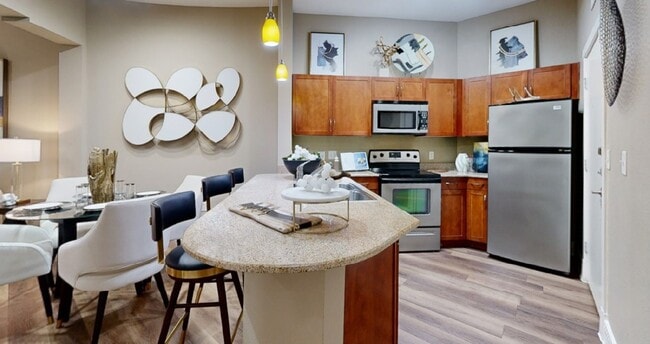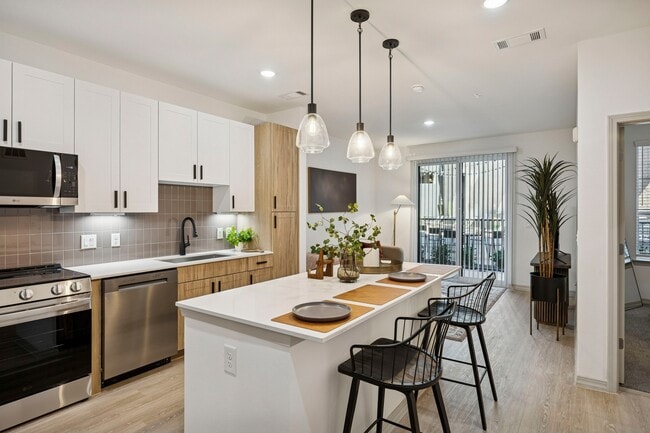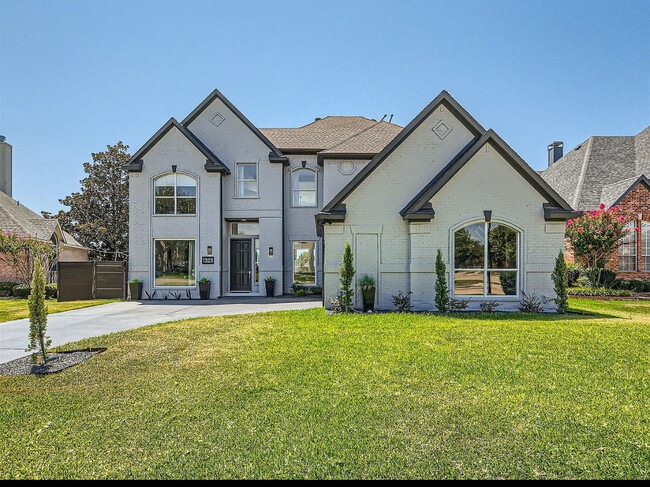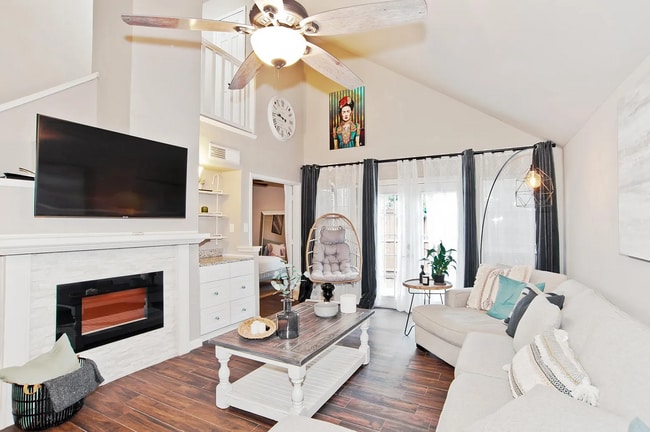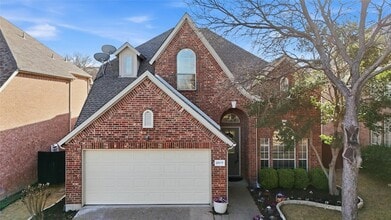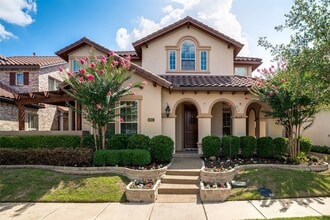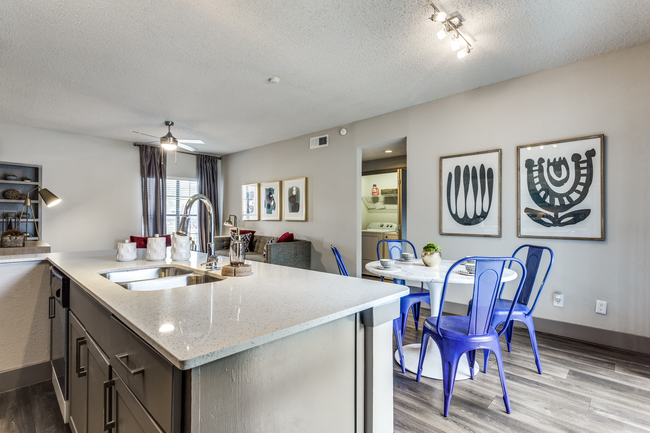
Hyde Park at Valley Ranch
10201 N Macarthur Blvd,
Irving, TX 75063
$1,050 - $1,630
1-2 Beds




Area Guide
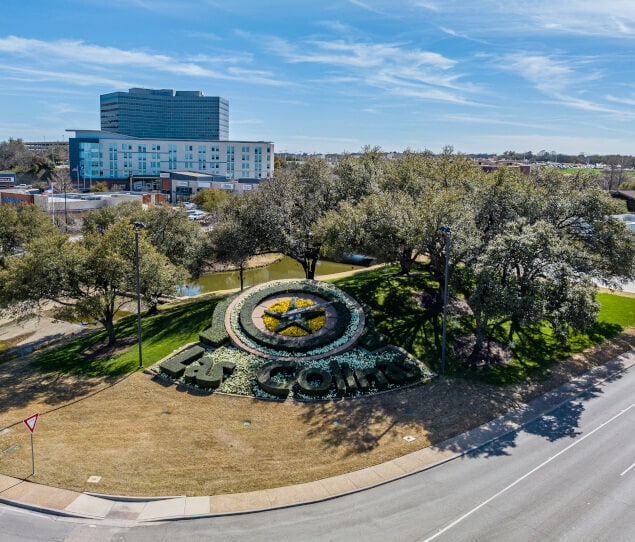
With Spring Trail Park along its east side and DFW International Airport on the west, Las Colinas is large, varied, and wildly popular. If location is everything, Las Colinas has it -- centrally located between Dallas and Fort Worth, providing fast access to the entire DFW Metroplex. This isn't your typical neighborhood -- Las Colinas is home to the Irving Convention Center at Las Colinas, North Lake College, and several golf courses and country clubs. The University of Dallas is located on the south end of the neighborhood. Las Colinas is a planned community with a well-designed mix of office complexes, luxury hotels, trendy lofts, luxury apartment communities, and townhomes. Las Colinas is self-contained, providing a live-work-play environment. For those who don't want to commute into Downtown Dallas, Las Colinas is home to several Fortune 500 companies, including Kimberly-Clark, Commercial Metals, and ExxonMobil. Other companies with offices in Las Colinas include Microsoft, Citigroup, Nokia, Oracle, and Abbott Laboratories. Living in Las Colinas, you'll enjoy outdoor art such as the stunning Mustangs at Las Colinas, fantastic walking trails in Spring Trail Park, concerts and events at the Irving Music Factory, and shopping at nearby Irving Mall. Las Colinas is about 14 miles northwest of Downtown Dallas and about 27 miles northeast of Downtown Fort Worth. Arlington, home to AT&T Stadium and Six Flags Over Texas, is 16 miles southwest.
As of July 2026, the average apartment rent in Las Colinas is $1,487 for a studio, $1,532 for one bedroom, $2,016 for two bedrooms, and $2,732 for three bedrooms. Apartment rent in Las Colinas has decreased by 0.0% in the past year.
Studio
604 sq ft
Average Sq Ft
$1,487/month
Average Rent
1 BR
760 sq ft
Average Sq Ft
$1,532/month
Average Rent
2 BR
1,118 sq ft
Average Sq Ft
$2,016/month
Average Rent
3 BR
1,448 sq ft
Average Sq Ft
$2,732/month
Average Rent
Explore how walkable, bikeable, drivable, and transit-friendly Las Colinas - Irving, TX is for everyday living.
Fairly Walkable
Walkability
Exceptionally Drivable
Drivability
Fairly Bikeable
Bikeability
Las Colinas - Irving, TX offers all daily essentials, but they’re limited to a few main areas.
Supermarket Within a 15 Minute Walk
Groceries
Good Restaurant Variety Nearby
Restaurants
Fair Café Variety Nearby
Cafes
Fair Variety of Shops Nearby
Shopping
Las Colinas - Irving, TX provides green space and wellness resources in certain areas.
Large Amount of Park Space Nearby
Parks
Limited Wellness Amenity Variety Nearby
Wellness
Get a sense of what it’s like to live in Las Colinas - Irving, TX from everyday activity to noise and nightlife.
Mostly Calm Atmosphere
Vibrancy
Fair Nightlife Variety Nearby
Nightlife
Not Noisy
Quiet Score

† Our analysis of utilities, groceries, transportation, healthcare, home prices, and other goods and services is sourced from the Cost of Living Index, a respected benchmark published by the Council for Community and Economic Research (C2ER) that provides a thorough overview of living expenses across different regions.
Rent data is provided by CoStar Group’s Market Trend reports. As the industry leader in commercial real estate information, analytics, and news, CoStar conducts extensive research to produce and maintain a comprehensive database of commercial real estate information. We combine this data with public record to provide the most up-to-date rental information available.
Consumer goods, services, and home prices are sourced from the Cost of Living Index published by the Council for Community and Economic Research (C2ER). The data on this page is updated quarterly. It was last published in June 2026.
Demographic information comes from Neustar and combines detailed address data with U.S. Census and American Community Survey statistics to produce reliable local estimates.