Median Age
42 Years
Largest Age Group
10-19 Years
Approximately 15% of Residents
Under 20
27%
Over 65
18%



Avg Rent
$1,820
Population
15,773
Renter Mix
22% Rent
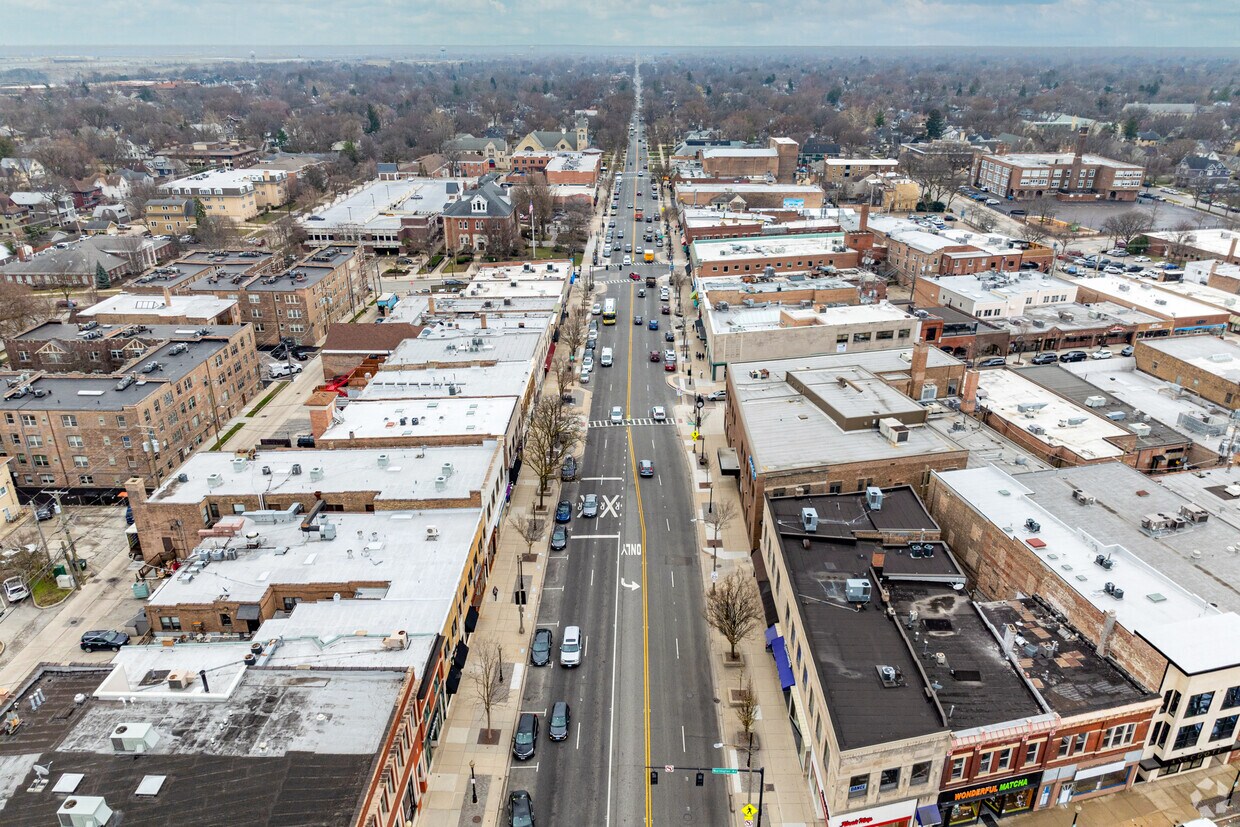
About 14 miles west of the Chicago Loop, La Grange is a Cook County village with a strong sense of identity and an award-winning downtown that draws residents from across the western suburbs. The village was founded by Franklin Dwight Cossitt in 1879, though the area was first settled in the 1830s, making it older than the City of Chicago itself. Well-preserved 19th and 20th century residential architecture lines the streets, giving the community a sense of history. Midwestern University, Elmhurst University, and Dominican University are all within a short drive.
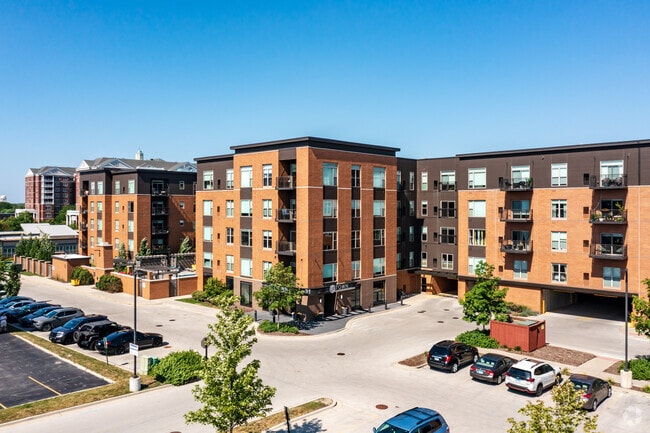
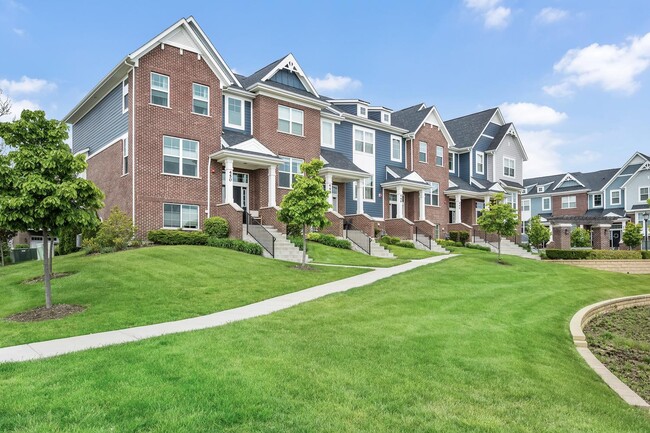
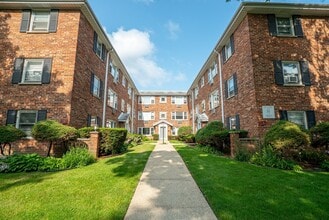
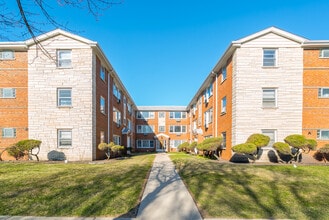
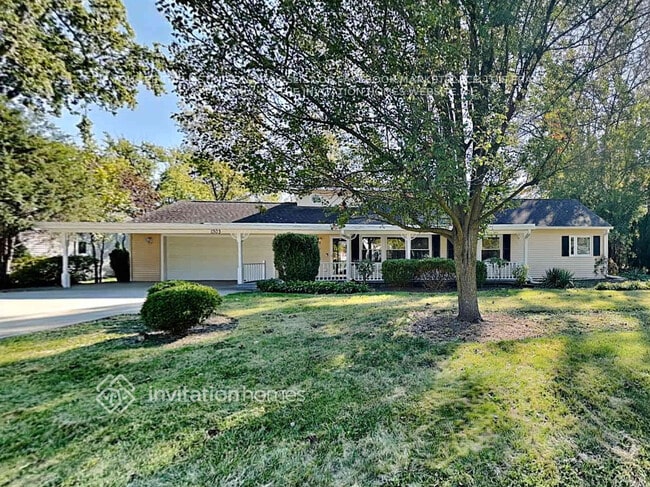
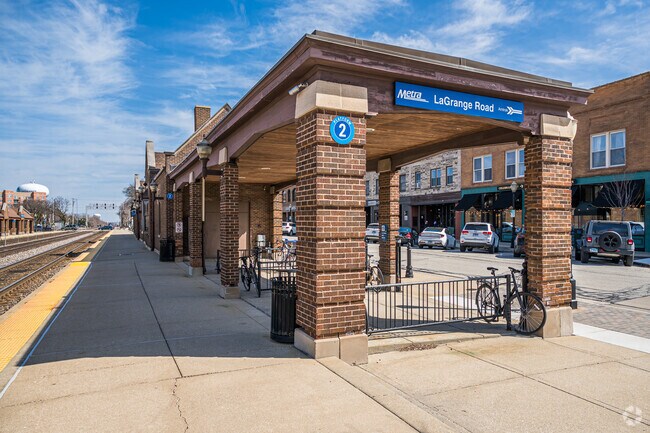
The housing mix in La Grange reflects its character: classic single-family homes sit alongside traditional apartment communities, with options ranging from spacious multi-bedroom floor plans to compact studios. Renters have access to the Metra BNSF Line at two in-village stations, putting the Chicago Loop roughly 30 minutes away. Chicago Midway International Airport is about 12 minutes by car. The La Grange Theatre, a 1925 cinema still operating with its iconic marquee, has long served as a gathering place for the community, which comes alive each year with events like the annual Endless Summer festival.
The historic clock is a landmark in downtown La Grange.
A cyclist enjoys a ride in Salt Creek Woods Nature Preserve.
Salt Creek and a bridge.
Escape into nature on the trail at Salt Creek.
Historic buildings with shops and restaurants make up downtown La Grange, IL.
La Grange offers plenty of classic charm with suburban comfort.
Median Household Income
$129,158
Average: $158,955
Education
7,271
Residents Have a Degree
Job Market
8,079
Workers Employed
Median Age
42 Years
Largest Age Group
10-19 Years
Approximately 15% of Residents
Under 20
27%
Over 65
18%
Housing Distribution
La Grange has more homeowners than renters.

Education Distribution
Review this city's overall education levels.

As of September 2026, the average apartment rent in La Grange, IL is $2,617 for a studio, $1,820 for one bedroom, $2,362 for two bedrooms, and $4,312 for three bedrooms. Apartment rent in La Grange has increased by 7.0% in the past year.
Explore how walkable, bikeable, drivable, and transit-friendly La Grange, IL is for everyday living.
Moderately Walkable
Walkability
Limited Public Transit
Transit
Moderately Drivable
Drivability
Fairly Bikeable
Bikeability

Public
Grades K-5
191 Students

Public
Grades K-5
560 Students

Public
Grades K-5
477 Students
Pleasantdale Elementary School
Public
Grades PK-5
459 Students
Public
Grades K-5
310 Students
Public
Grades 6-8
275 Students

Public
Grades 9-12
3,645 Students
 The GreatSchools Rating helps parents compare schools within a state based on a variety of school quality indicators and provides a helpful picture of how effectively each school serves all of its students. Ratings are on a scale of 1 (below average) to 10 (above average) and can include test scores, college readiness, academic progress, advanced courses, equity, discipline and attendance data. We also advise parents to visit schools, consider other information on school performance and programs, and consider family needs as part of the school selection process.
View GreatSchools Rating Methodology
Data provided by
GreatSchools.org
© 2026. All rights reserved.
The GreatSchools Rating helps parents compare schools within a state based on a variety of school quality indicators and provides a helpful picture of how effectively each school serves all of its students. Ratings are on a scale of 1 (below average) to 10 (above average) and can include test scores, college readiness, academic progress, advanced courses, equity, discipline and attendance data. We also advise parents to visit schools, consider other information on school performance and programs, and consider family needs as part of the school selection process.
View GreatSchools Rating Methodology
Data provided by
GreatSchools.org
© 2026. All rights reserved.
† Our analysis of utilities, groceries, transportation, healthcare, home prices, and other goods and services is sourced from the Cost of Living Index, a respected benchmark published by the Council for Community and Economic Research (C2ER) that provides a thorough overview of living expenses across different regions.
Rent data is provided by CoStar Group’s Market Trend reports. As the industry leader in commercial real estate information, analytics, and news, CoStar conducts extensive research to produce and maintain a comprehensive database of commercial real estate information. We combine this data with public record to provide the most up-to-date rental information available.
Consumer goods, services, and home prices are sourced from the Cost of Living Index published by the Council for Community and Economic Research (C2ER). The data on this page is updated quarterly. It was last published in September 2026.
Demographic information comes from Neustar and combines detailed address data with U.S. Census and American Community Survey statistics to produce reliable local estimates.