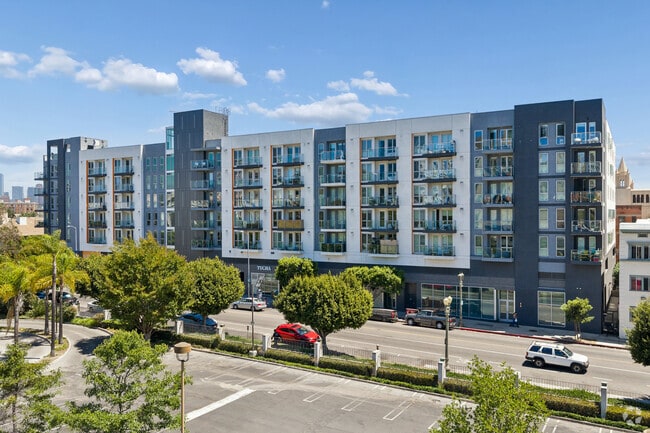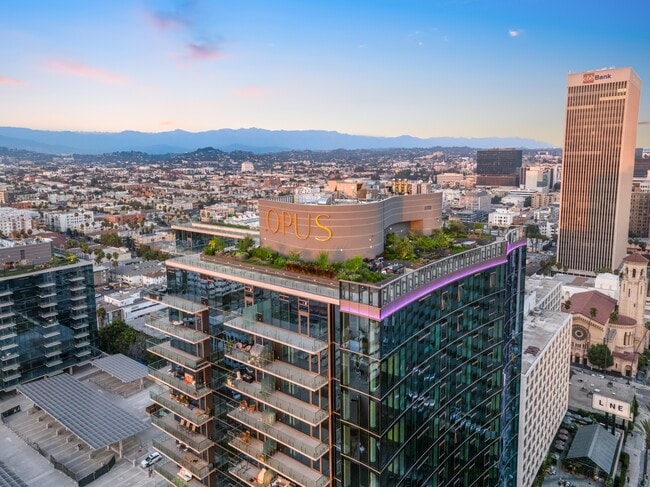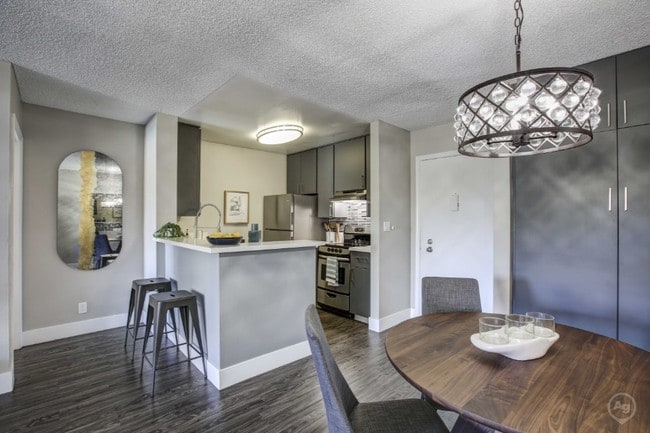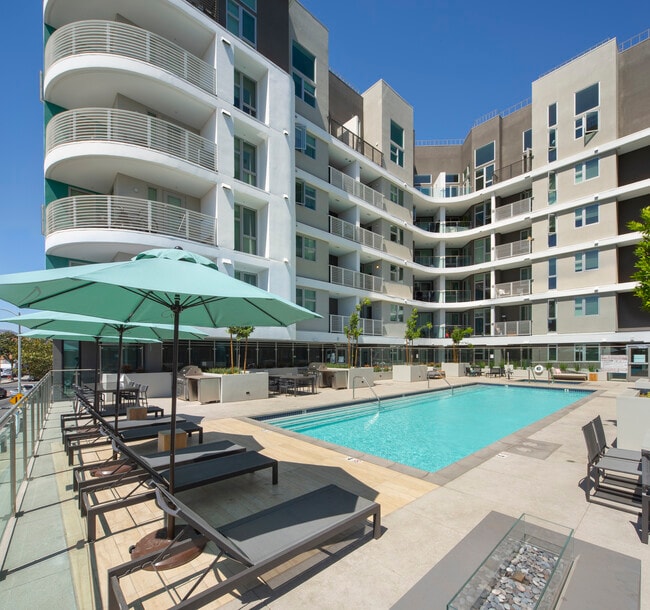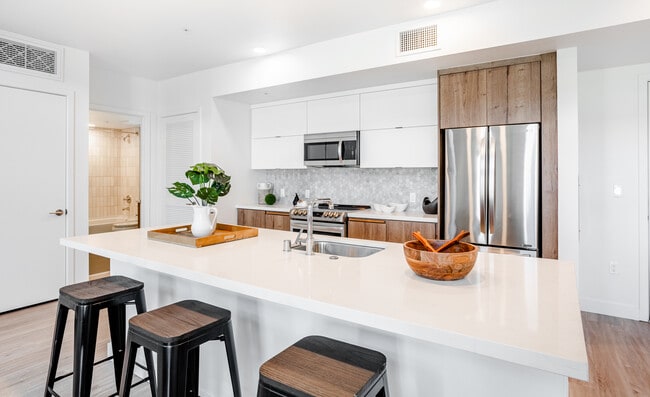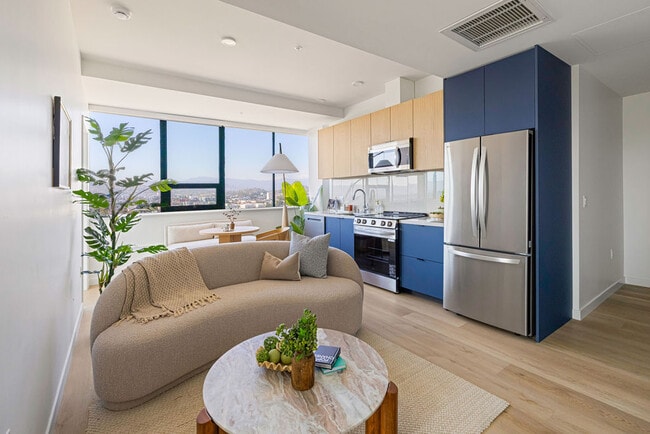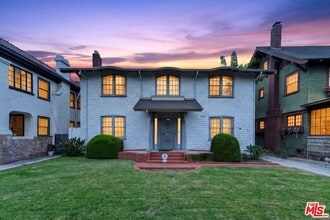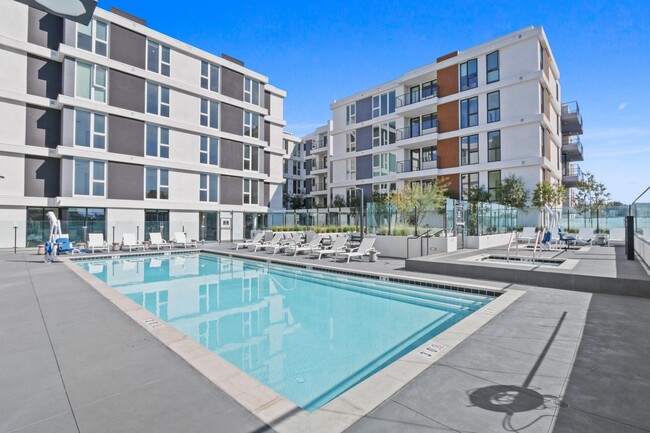
sageLA - Brand New
200 N Vermont Ave,
Los Angeles, CA 90004
$2,354 - $4,515
Studio - 2 Beds


Area Guide
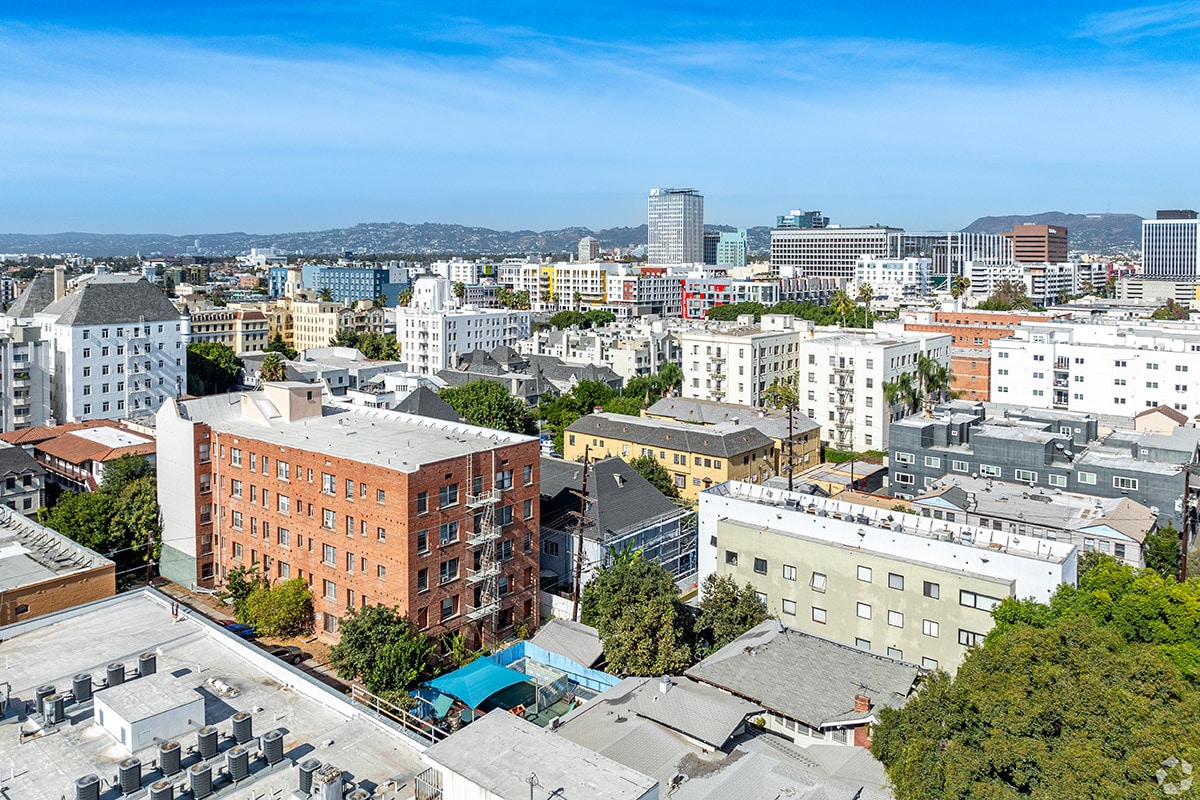
Koreatown is a vibrant LA neighborhood fille with hidden gems, bars, eateries, and a collision of cultures. As the name suggests, the atmosphere in Koreatown is heavily influenced by Korean culture. The neighborhood is a favorite destination among foodies city-wide for its endless selection of authentic Korean restaurants, but the community has a much more diverse character than that: the broad range of cultural influences is exemplified in landmarks like the synagogue and contemporary art gallery of the Wilshire Boulevard Temple, the Latin fusion cuisine of Roy Choi’s restaurants, and the popular German/Korean/Hawaiian tinged gastropub, Biergarten.
Although the area is a hot spot for LA residents’ day trips, Koreatown is known as one of the best places to live in LA. Most locals rent their homes and enjoy parks, coffee shops, and stores within walking distance of their apartments. As one of the most popular sections of LA during Hollywood’s golden age, many historic buildings, bars, and restaurants have been preserved or restored to transport patrons to another time—in fact, the interiors of several local eateries were used as locations for the 1960s-set TV series, “Mad Men.”
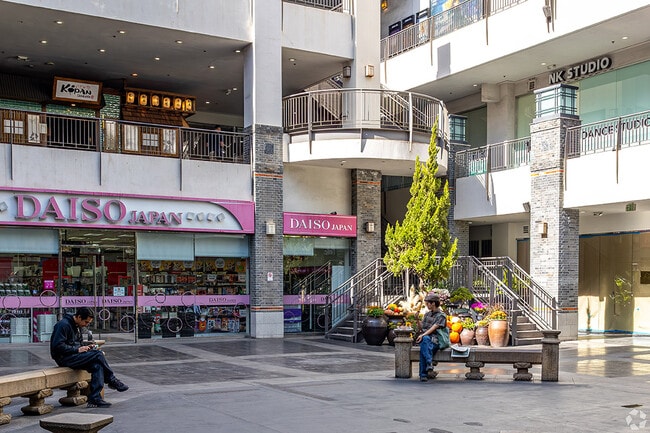
The MaDang Mall is a great place to shop for a variety of items in Koreatown.
Sidewalks line the streets of Koreatown, making getting around the neighborhood efficient and leisurely.
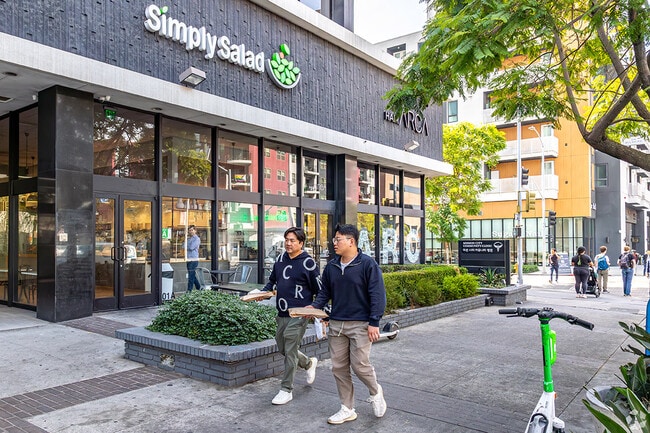
The streets of Koreatown feature a variety of retail stores and restaurants.
K Town is one of the most popular neighborhood attractions for foodies and nightlife lovers.
Koreatown Boogie Block Party has great vendors, food, and fun.
Tiger Sugar provides refreshing drinks for residents on a sunny afternoon in Koreatown.
As of July 2026, the average apartment rent in Koreatown is $1,540 for a studio, $1,942 for one bedroom, $2,672 for two bedrooms, and $3,506 for three bedrooms. Apartment rent in Koreatown has decreased by -0.9% in the past year.
Studio
448 sq ft
Average Sq Ft
$1,540/month
Average Rent
1 BR
613 sq ft
Average Sq Ft
$1,942/month
Average Rent
2 BR
859 sq ft
Average Sq Ft
$2,672/month
Average Rent
3 BR
1,135 sq ft
Average Sq Ft
$3,506/month
Average Rent
Explore how walkable, bikeable, drivable, and transit-friendly Koreatown - Los Angeles, CA is for everyday living.
Very Walkable
Walkability
Exceptional Public Transit
Transit
Moderately Drivable
Drivability
Moderately Bikeable
Bikeability
In Koreatown - Los Angeles, CA, daily errands are quick and hassle-free.
Supermarket Within a 5 Minute Walk
Groceries
Exceptional Restaurant Variety Nearby
Restaurants
Exceptional Café Variety Nearby
Cafes
Exceptional Variety of Shops Nearby
Shopping
Koreatown - Los Angeles, CA provides green space and wellness resources in certain areas.
Moderate Amount of Park Space Nearby
Parks
Fair Wellness Amenity Variety Nearby
Wellness
Get a sense of what it’s like to live in Koreatown - Los Angeles, CA from everyday activity to noise and nightlife.
Vibrant Atmosphere at Times
Vibrancy
Exceptional Nightlife Variety Nearby
Nightlife
Moderately Noisy
Quiet Score

† Our analysis of utilities, groceries, transportation, healthcare, home prices, and other goods and services is sourced from the Cost of Living Index, a respected benchmark published by the Council for Community and Economic Research (C2ER) that provides a thorough overview of living expenses across different regions.
Rent data is provided by CoStar Group’s Market Trend reports. As the industry leader in commercial real estate information, analytics, and news, CoStar conducts extensive research to produce and maintain a comprehensive database of commercial real estate information. We combine this data with public record to provide the most up-to-date rental information available.
Consumer goods, services, and home prices are sourced from the Cost of Living Index published by the Council for Community and Economic Research (C2ER). The data on this page is updated quarterly. It was last published in June 2026.
Demographic information comes from Neustar and combines detailed address data with U.S. Census and American Community Survey statistics to produce reliable local estimates.