

Best Neighborhoods in Knoxville, TN for Renters
Thinking about moving to Knoxville but don’t know where to look? Here are five neighborhoods to start your search.


Avg Rent
$1,349
Population
208,530
Renter Mix
54% Rent
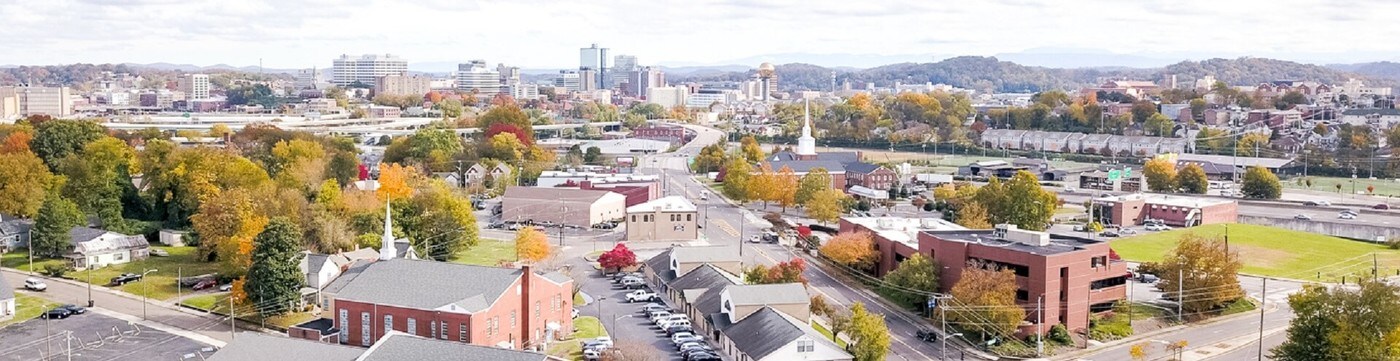
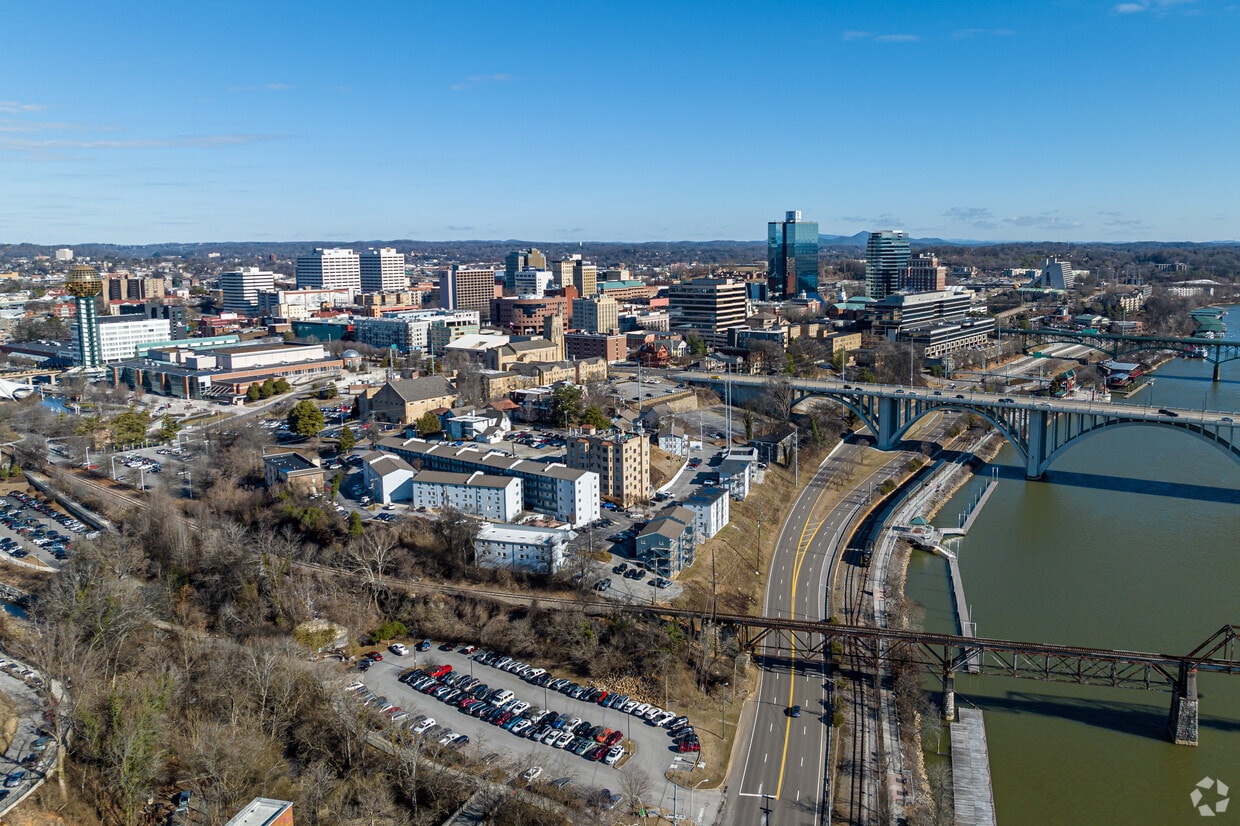
Knoxville sits where the Tennessee River meets the edge of the Appalachian Mountains. This city was the very first capital of Tennessee, a piece of history that echoes through its architecture and civic pride. Daily life moves at a pace that's energetic without being overwhelming.
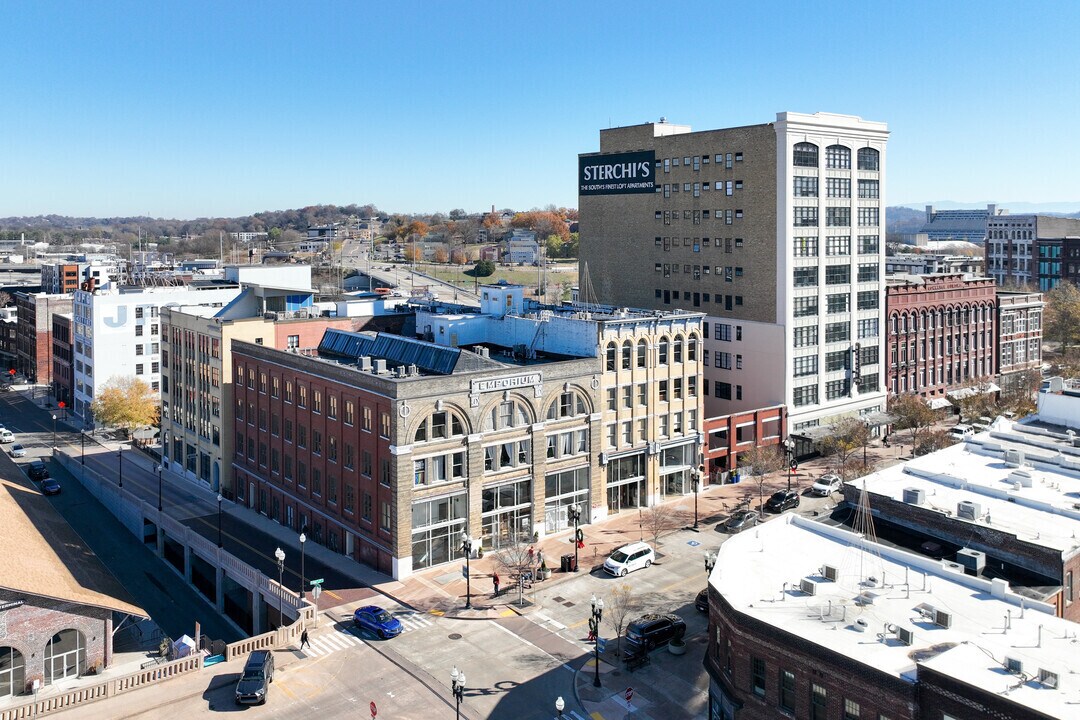
Downtown's Market Square draws crowds for concerts, seasonal festivals, and some of the best people-watching in the state, while the Old City has grown into a go-to destination for dining and nightlife. Neighborhoods like Sequoyah Hills offer tree-lined streets along the river, and West Knoxville's Turkey Creek area keeps things convenient with shopping and entertainment close. The orange-and-white spirit of the University of Tennessee is impossible to miss, and on game days, the Vol Navy takes to Neyland Stadium along the Tennessee River in one of college football's most iconic traditions.
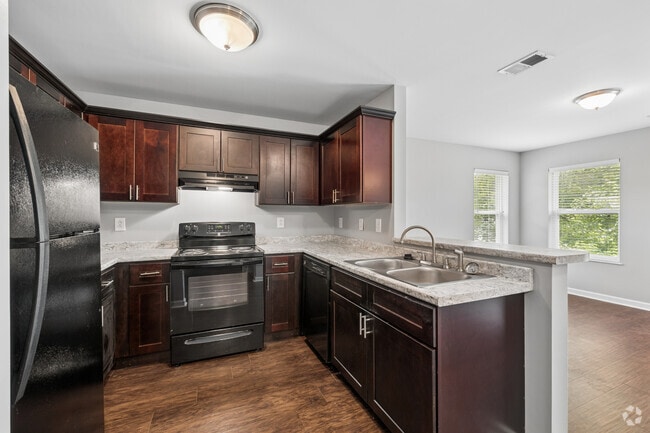
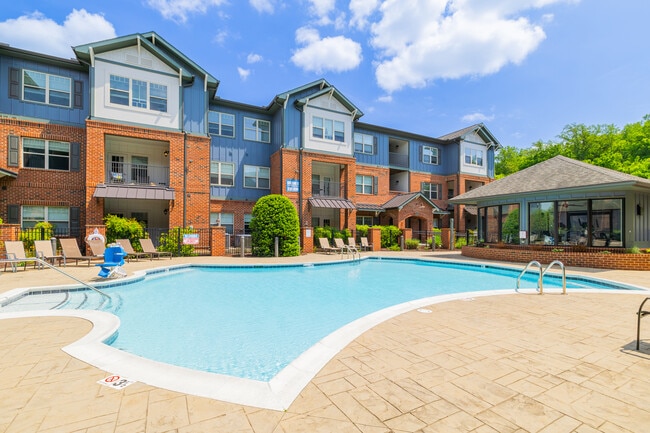
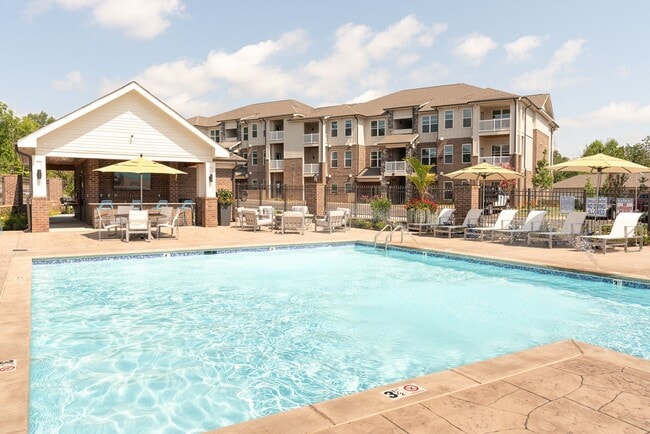
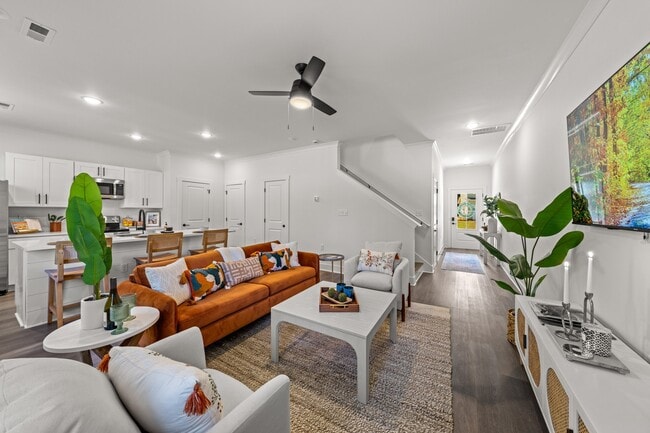
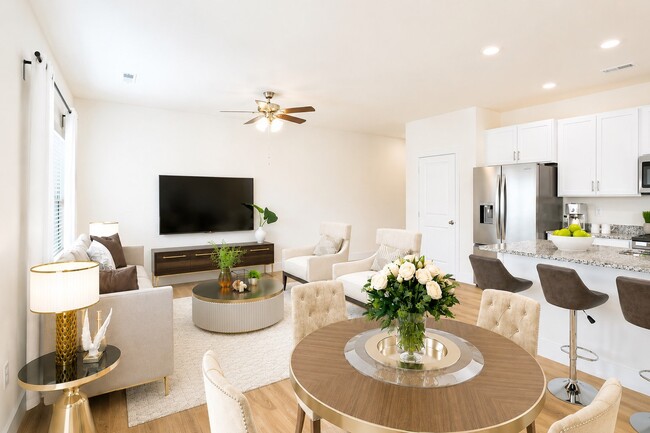
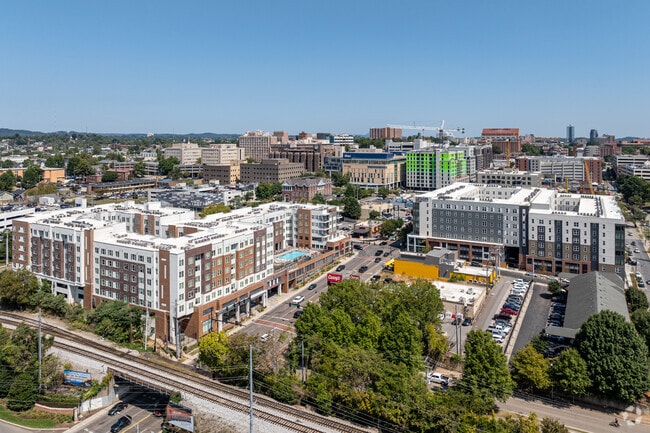
Renters will find a solid range of housing options spread across the city. Downtown lofts and high-rise apartment communities put you steps from Market Square and the Tennessee Theatre. Closer to campus, there's no shortage of affordable rentals in walkable settings. In more residential pockets, townhomes and apartment communities offer more breathing room, often with greenway access for biking or jogging along the river.
With Great Smoky Mountains National Park just 45 minutes away, Knoxville offers the kind of life where a morning hike and evening downtown are easily within reach.
The University of Tennessee football stadium hosts many home games.
Musicians create an unforgettable ambiance as you stroll through Market Square.
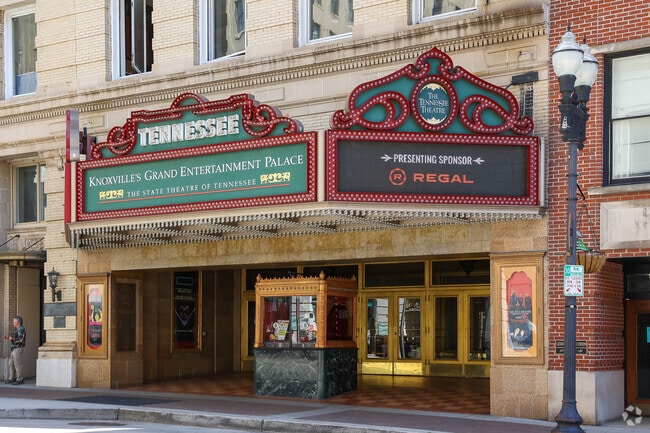
The Tennessee Theater is a Very Popular Destination for Residents of Arrowhead
The Great Smoky Mountains National Park is one of the most visited national parks.
Downtown Knoxville is just a short drive away from Cedar Springs.
The suburbs of Knoxville offer a quieter spot to settle down.
Median Household Income
$44,957
Average: $67,713
Education
60,102
Residents Have a Degree
Job Market
103,385
Workers Employed
Median Age
35 Years
Largest Age Group
20-29 Years
Approximately 19% of Residents
Under 20
23%
Over 65
15%
Housing Distribution
Knoxville has more renters than homeowners.

Education Distribution
Review this city's overall education levels.

As of September 2026, the average apartment rent in Knoxville, TN is $1,125 for a studio, $1,351 for one bedroom, $1,555 for two bedrooms, and $2,030 for three bedrooms. Apartment rent in Knoxville has increased by 1.0% in the past year.
The cost of living in Knoxville, TN is 14.0% lower than the national average. Generally, housing in Knoxville is 23.0% less expensive than the national average, with rent falling between $1,125 - $2,030. You can expect to pay 1.9% less for groceries, 12.4% less for utilities, and 13.9% less for transportation.
Compare Cities

Best Neighborhoods in Knoxville, TN for Renters
Thinking about moving to Knoxville but don’t know where to look? Here are five neighborhoods to start your search.

Five Most Affordable Neighborhoods in Knoxville, TN
If you are planning a move to Rocky Top, check out our list of the most affordable neighborhoods.

Subletting Secrets Every Renter Must Know
Subletting doesn’t have to cost you your lease. Get approval, know your obligations, and do it right.
Explore how walkable, bikeable, drivable, and transit-friendly Knoxville, TN is for everyday living.
Fairly Walkable
Walkability
Some Public Transit
Transit
Exceptionally Drivable
Drivability
Moderately Bikeable
Bikeability

Public
Grades K-5
1,111 Students

Public
Grades K-5
524 Students
Public
Grades PK-5
623 Students

Public
Grades PK-5
487 Students
Public
Grades K-5
382 Students
Public
Grades 6-8
1,463 Students
Public
Grades 6-8
1,125 Students
Public
Grades 6-8
1,061 Students

Public
Grades 6-8
580 Students

Public
Grades 6-8
1,229 Students

Public
Grades 9-12
588 Students
Public
Grades 9-12
2,073 Students
Public
Grades 9-12
1,963 Students
Public
Grades 9-12
1,474 Students
Public
Grades 9-12
293 Students
 The GreatSchools Rating helps parents compare schools within a state based on a variety of school quality indicators and provides a helpful picture of how effectively each school serves all of its students. Ratings are on a scale of 1 (below average) to 10 (above average) and can include test scores, college readiness, academic progress, advanced courses, equity, discipline and attendance data. We also advise parents to visit schools, consider other information on school performance and programs, and consider family needs as part of the school selection process.
View GreatSchools Rating Methodology
Data provided by
GreatSchools.org
© 2026. All rights reserved.
The GreatSchools Rating helps parents compare schools within a state based on a variety of school quality indicators and provides a helpful picture of how effectively each school serves all of its students. Ratings are on a scale of 1 (below average) to 10 (above average) and can include test scores, college readiness, academic progress, advanced courses, equity, discipline and attendance data. We also advise parents to visit schools, consider other information on school performance and programs, and consider family needs as part of the school selection process.
View GreatSchools Rating Methodology
Data provided by
GreatSchools.org
© 2026. All rights reserved.
† Our analysis of utilities, groceries, transportation, healthcare, home prices, and other goods and services is sourced from the Cost of Living Index, a respected benchmark published by the Council for Community and Economic Research (C2ER) that provides a thorough overview of living expenses across different regions.
Rent data is provided by CoStar Group’s Market Trend reports. As the industry leader in commercial real estate information, analytics, and news, CoStar conducts extensive research to produce and maintain a comprehensive database of commercial real estate information. We combine this data with public record to provide the most up-to-date rental information available.
Consumer goods, services, and home prices are sourced from the Cost of Living Index published by the Council for Community and Economic Research (C2ER). The data on this page is updated quarterly. It was last published in September 2026.
Demographic information comes from Neustar and combines detailed address data with U.S. Census and American Community Survey statistics to produce reliable local estimates.