Median Age
28 Years
Largest Age Group
20-29 Years
Approximately 33% of Residents
Under 20
23%
Over 65
12%

Avg Rent
$1,031
Population
28,517
Renter Mix
61% Rent
Kent, Ohio carries the unmistakable pulse of a college town rooted in real history, sitting along the Cuyahoga River in the heart of Portage County. Kent State University anchors daily life here, drawing a steady mix of students, educators, and healthcare workers who all call this compact, 10-square-mile city home. Originally settled in 1805 as Franklin Mills, the city grew around water-powered industry and canal trade before evolving into the academic and cultural hub it is today. Kent State's May 4 memorial remains one of the most significant historical sites in the country, a reminder that this small city has carried genuine weight in American history.
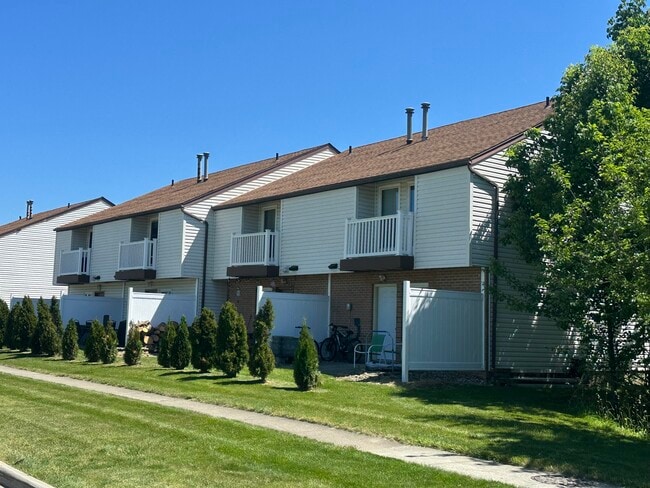
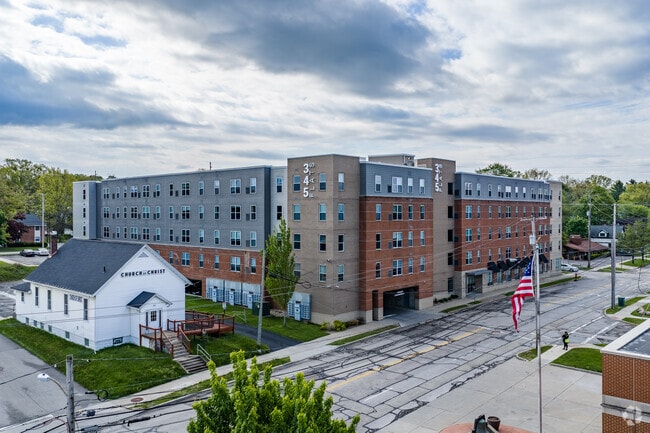
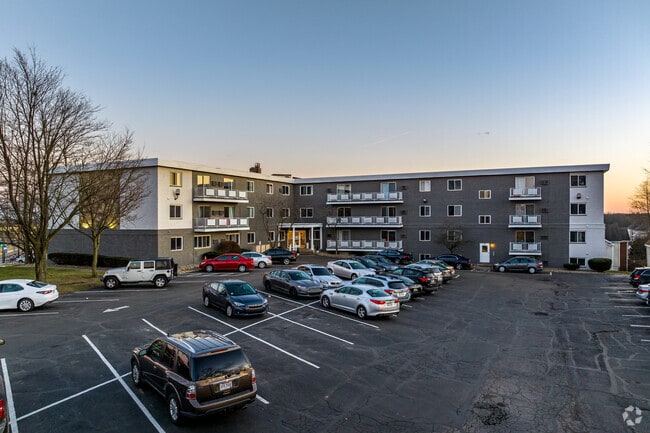
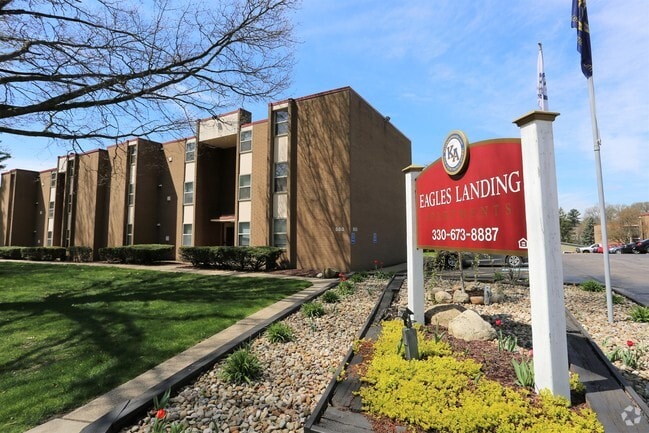
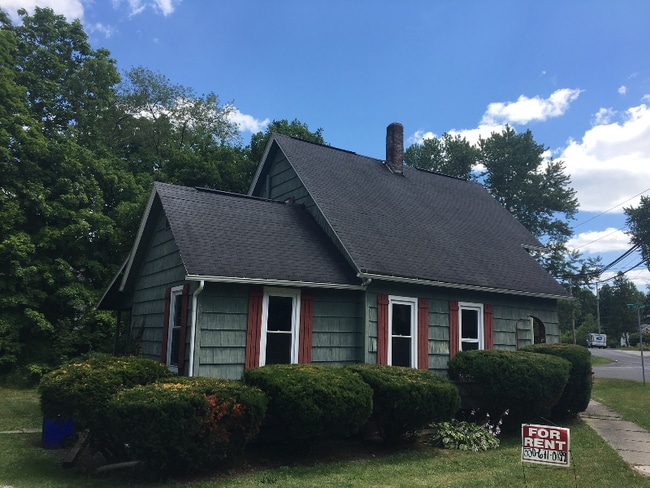
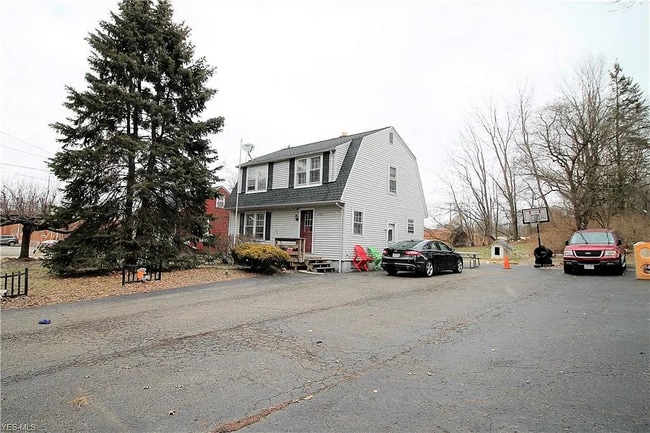
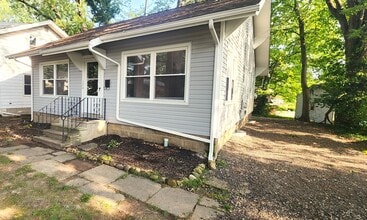
Neighborhoods close to campus offer walkable streets lined with locally owned shops and coffee houses, while areas farther from the university feel quieter and more residential. The rental market reflects that range well, with everything from studio apartments and shared houses near campus to larger apartment communities with more breathing room. Options span a wide spectrum of sizes and layouts, keeping housing accessible across many different living situations. Positioned within the Akron metro area and roughly 40 miles southeast of Cleveland, Kent offers solid regional reach without the cost or congestion of a major metro.
Median Household Income
$37,401
Average: $70,935
Education
9,692
Residents Have a Degree
Job Market
14,581
Workers Employed
Median Age
28 Years
Largest Age Group
20-29 Years
Approximately 33% of Residents
Under 20
23%
Over 65
12%
Housing Distribution
Kent has more renters than homeowners.

Education Distribution
Review this city's overall education levels.

As of September 2026, the average apartment rent in Kent, OH is $724 for a studio, $1,031 for one bedroom, $1,388 for two bedrooms, and $1,427 for three bedrooms. Apartment rent in Kent has increased by 3.2% in the past year.
Explore how walkable, bikeable, drivable, and transit-friendly Kent, OH is for everyday living.
Fairly Walkable
Walkability
Some Public Transit
Transit
Exceptionally Drivable
Drivability
Fairly Bikeable
Bikeability

Public
Grades K-5
283 Students

Public
Grades K-5
533 Students

Public
Grades K-5
359 Students
Public
Grades K-5
223 Students
Public
Grades PK-5
442 Students

Public
Grades 6-8
616 Students
Theodore Roosevelt High School
Public
Grades 9-12
1,101 Students
 The GreatSchools Rating helps parents compare schools within a state based on a variety of school quality indicators and provides a helpful picture of how effectively each school serves all of its students. Ratings are on a scale of 1 (below average) to 10 (above average) and can include test scores, college readiness, academic progress, advanced courses, equity, discipline and attendance data. We also advise parents to visit schools, consider other information on school performance and programs, and consider family needs as part of the school selection process.
View GreatSchools Rating Methodology
Data provided by
GreatSchools.org
© 2026. All rights reserved.
The GreatSchools Rating helps parents compare schools within a state based on a variety of school quality indicators and provides a helpful picture of how effectively each school serves all of its students. Ratings are on a scale of 1 (below average) to 10 (above average) and can include test scores, college readiness, academic progress, advanced courses, equity, discipline and attendance data. We also advise parents to visit schools, consider other information on school performance and programs, and consider family needs as part of the school selection process.
View GreatSchools Rating Methodology
Data provided by
GreatSchools.org
© 2026. All rights reserved.
† Our analysis of utilities, groceries, transportation, healthcare, home prices, and other goods and services is sourced from the Cost of Living Index, a respected benchmark published by the Council for Community and Economic Research (C2ER) that provides a thorough overview of living expenses across different regions.
Rent data is provided by CoStar Group’s Market Trend reports. As the industry leader in commercial real estate information, analytics, and news, CoStar conducts extensive research to produce and maintain a comprehensive database of commercial real estate information. We combine this data with public record to provide the most up-to-date rental information available.
Consumer goods, services, and home prices are sourced from the Cost of Living Index published by the Council for Community and Economic Research (C2ER). The data on this page is updated quarterly. It was last published in September 2026.
Demographic information comes from Neustar and combines detailed address data with U.S. Census and American Community Survey statistics to produce reliable local estimates.