Median Age
41 Years
Largest Age Group
30-39 Years
Approximately 16% of Residents
Under 20
21%
Over 65
21%


Avg Rent
$1,024
Population
49,619
Renter Mix
40% Rent
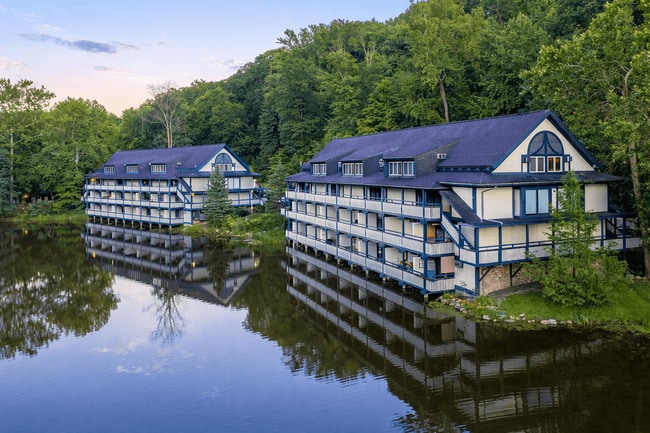
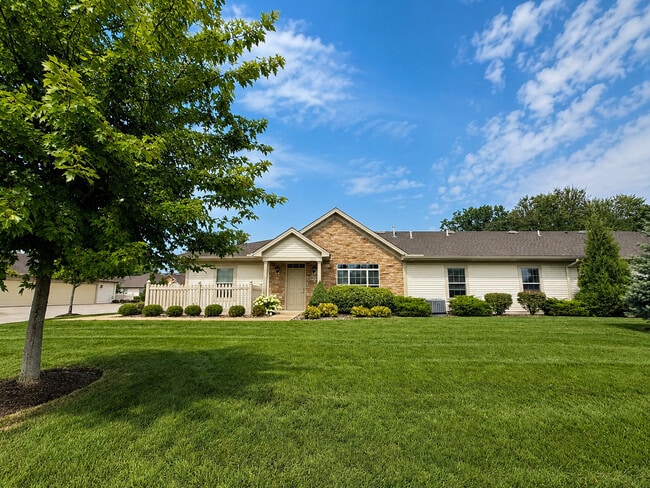
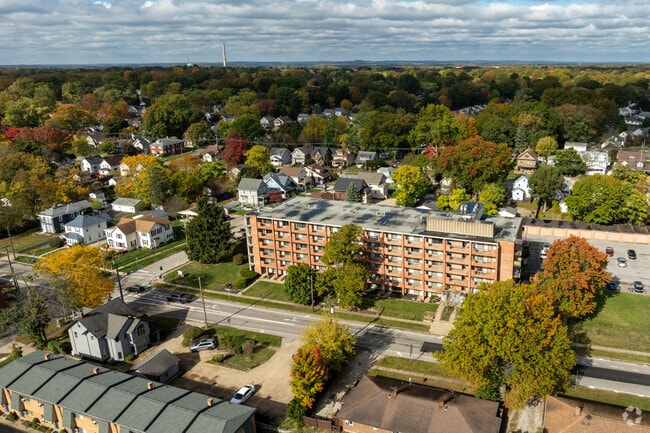
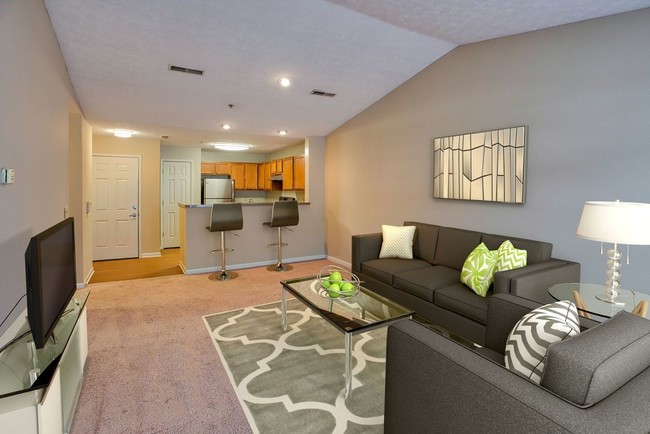
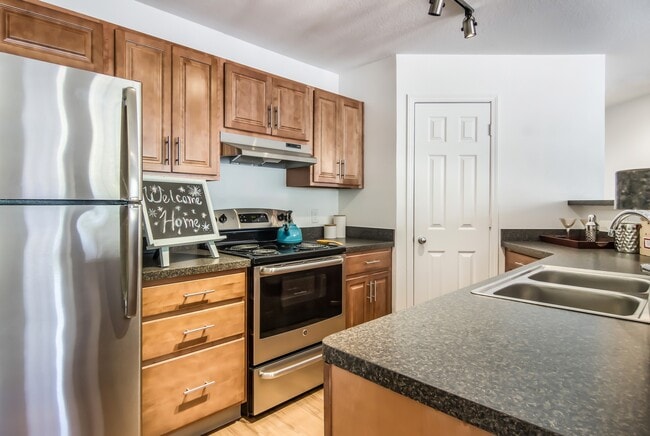
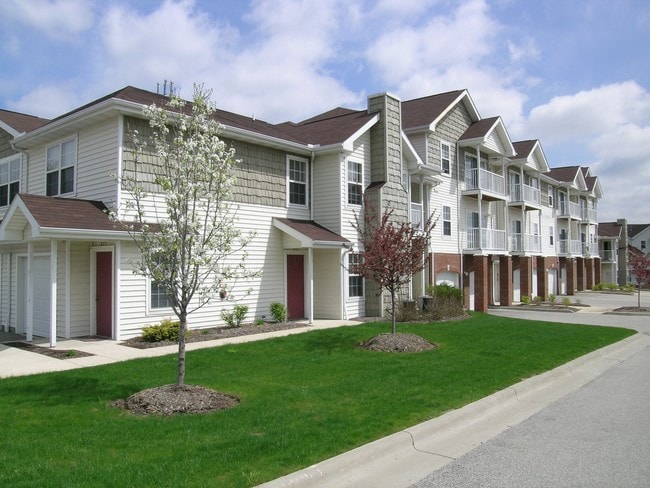
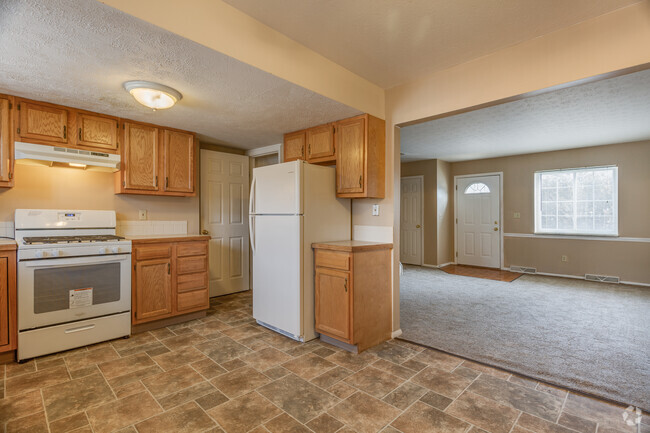
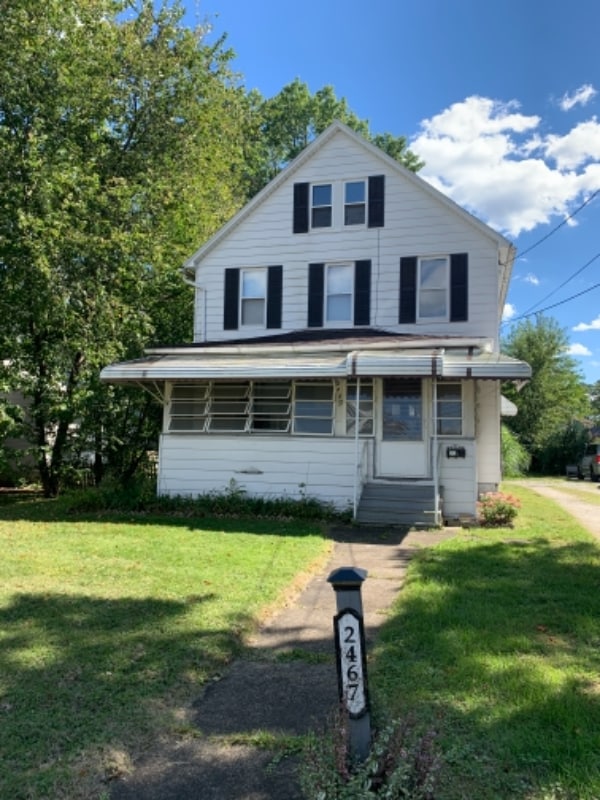
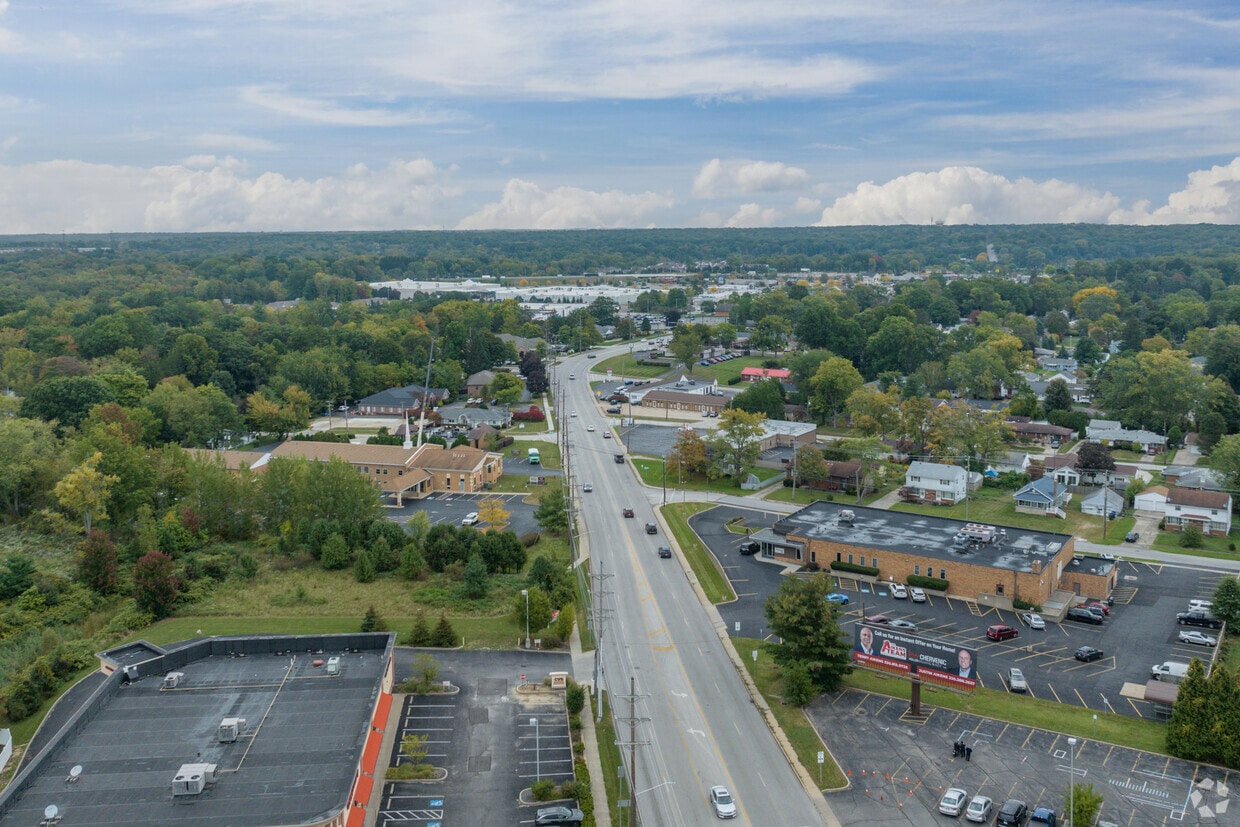
Cuyahoga Falls sits directly north of Akron along the Cuyahoga River, a city that took its name from the waterfalls that once powered its early mills and still define its identity today. As the second-largest city in Summit County, it offers a grounded, mid-sized feel while staying closely connected to Akron's job market and within reasonable reach of Cleveland. Blossom Music Center, nestled on more than 800 acres within the city's boundaries, serves as a major cultural anchor and summer home to the Cleveland Orchestra. The downtown Riverfront Square district draws residents toward the water with galleries, dining, and a seasonal ice rink, while Gorge Metro Park and the adjacent Cuyahoga Valley National Park give the city an unusually strong outdoor character for a place of its size. Neighborhoods range from compact older streetscapes near the city center to quieter residential corridors farther out. The rental market reflects that range, with options spanning traditional apartment communities, garden-style buildings, condos, and loft conversions. Rents remain well below state and national averages, making Cuyahoga Falls an accessible option for those who want proximity to Akron's employers and institutions without paying urban prices.
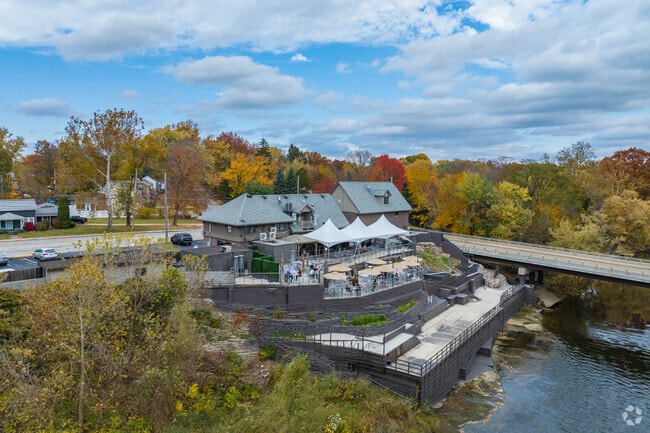
North Village's Missing Mountain Brewing Company sits on the Cuyahoga River.
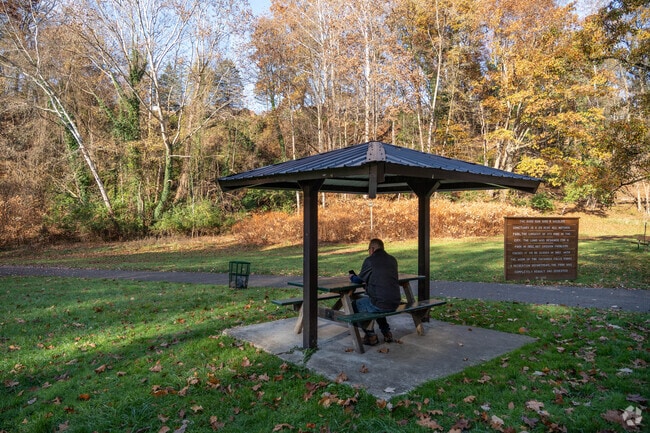
A visitor to Babb Run enjoying the view.
The Metro bus line offers convenient transportation for residents of North Village.
Median Household Income
$63,642
Average: $80,009
Education
15,512
Residents Have a Degree
Job Market
27,570
Workers Employed
Median Age
41 Years
Largest Age Group
30-39 Years
Approximately 16% of Residents
Under 20
21%
Over 65
21%
Housing Distribution
Cuyahoga Falls has more homeowners than renters.

Education Distribution
Review this city's overall education levels.

As of August 2026, the average apartment rent in Cuyahoga Falls, OH is $1,092 for a studio, $1,021 for one bedroom, $1,439 for two bedrooms, and $2,026 for three bedrooms. Apartment rent in Cuyahoga Falls has increased by 2.6% in the past year.
Explore how walkable, bikeable, drivable, and transit-friendly Cuyahoga Falls, OH is for everyday living.
Somewhat Walkable
Walkability
Limited Public Transit
Transit
Very Drivable
Drivability
Somewhat Bikeable
Bikeability

Gordon Dewitt Elementary School
Public
Grades K-5
361 Students

Public
Grades K-5
315 Students
Elizabeth Price Elementary School
Public
Grades K-5
275 Students

Public
Grades K-5
240 Students
Public
Grades K-5
377 Students

Public
Grades 6-8
505 Students
Public
Grades 6-8
370 Students
Cuyahoga Falls City School District Virtual Learning Option
Public
Grades K-12

Public
Grades 9-12
1,056 Students

Public
Grades 9-12
74 Students
Cuyahoga Falls City School District Virtual Learning Option
Public
Grades K-12
 The GreatSchools Rating helps parents compare schools within a state based on a variety of school quality indicators and provides a helpful picture of how effectively each school serves all of its students. Ratings are on a scale of 1 (below average) to 10 (above average) and can include test scores, college readiness, academic progress, advanced courses, equity, discipline and attendance data. We also advise parents to visit schools, consider other information on school performance and programs, and consider family needs as part of the school selection process.
View GreatSchools Rating Methodology
Data provided by
GreatSchools.org
© 2026. All rights reserved.
The GreatSchools Rating helps parents compare schools within a state based on a variety of school quality indicators and provides a helpful picture of how effectively each school serves all of its students. Ratings are on a scale of 1 (below average) to 10 (above average) and can include test scores, college readiness, academic progress, advanced courses, equity, discipline and attendance data. We also advise parents to visit schools, consider other information on school performance and programs, and consider family needs as part of the school selection process.
View GreatSchools Rating Methodology
Data provided by
GreatSchools.org
© 2026. All rights reserved.
† Our analysis of utilities, groceries, transportation, healthcare, home prices, and other goods and services is sourced from the Cost of Living Index, a respected benchmark published by the Council for Community and Economic Research (C2ER) that provides a thorough overview of living expenses across different regions.
Rent data is provided by CoStar Group’s Market Trend reports. As the industry leader in commercial real estate information, analytics, and news, CoStar conducts extensive research to produce and maintain a comprehensive database of commercial real estate information. We combine this data with public record to provide the most up-to-date rental information available.
Consumer goods, services, and home prices are sourced from the Cost of Living Index published by the Council for Community and Economic Research (C2ER). The data on this page is updated quarterly. It was last published in June 2026.
Demographic information comes from Neustar and combines detailed address data with U.S. Census and American Community Survey statistics to produce reliable local estimates.